

What to eat during a marathon or trail race lasting more than 3 hours?
What should you eat during a 3- or 4-hour marathon or a long-distance trail race? The key is to plan your carbohydrate intake per hour, start consuming them from the early stages of the race, and...

How many carbohydrates to consume per hour: combine bars, gels, and drinks
How many carbohydrates per hour do you need during exercise? In endurance sports, you can plan strategies of 30–50, 60–75, 75–90, or more than 90 grams of carbohydrates per hour, depending on the...

Energy gummies: Carbo Gummy vs Electro Gummy vs Fruit Pâte
Which energy gummy should you choose for running, trail running, or cycling? The answer depends on how many carbohydrates you need, how much sodium you are consuming, and which texture you prefer...

Energy gummies for sports: which ones to choose and how do they differ?
Not all energy gummies are created equal. We compare carbohydrates, sodium, fruit percentage, caffeine, texture, and ingredients to help you choose the option that best fits your sports strategy.
What to eat during a long bike ride? Gels, bars, or energy drinks
Discover what to eat during a long bike ride and how to combine gels, bars, and energy drinks based on duration, intensity, and your carbohydrates per hour.

Do I need electrolytes if I exercise for an hour?
Do you need electrolytes to train for an hour? We explain when water is enough and when heat, intensity, or heavy sweating make it useful to add sodium and other minerals.
What to eat before and during a triathlon: Nutrition guide
Discover what to eat before and during a triathlon and how to adapt carbohydrates, gels, hydration, and caffeine for Sprint, Olympic, Half, or Full Distance.

What to eat for breakfast before a long bike ride?
Discover what to eat for breakfast before a long bike ride depending on how much time you have before heading out. Carbohydrates, breakfast examples, and mistakes to avoid.
Which energy gel is best for cycling? How to choose according to your route
Discover which energy gel to choose for cycling based on the duration and intensity of your ride. We compare 30g, 35g, 45g, and 60g gels, both with and without caffeine.

What to eat during an ultratrail? Long-distance nutrition guide
Discover what to eat during an ultratrail and how to combine gels, gummies, food, liquids, and electrolytes during long-distance races.

What nutrition do you need to bring on a trail? Gels, hydration, and energy.
What do you need to bring for trail running? Learn how to plan carbohydrates, gels, hydration, and electrolytes based on duration, weather, and your tolerance during the race.
The best energy gummies for long workouts
Energy gummies are a practical alternative to gels and drinks during prolonged exertion. Discover the differences between carbohydrate and electrolyte gummies and how to combine them for running, c...

Which gels to choose for a marathon
Which energy gels to take during a marathon? Learn how to choose them based on your experience, digestive tolerance, and carbohydrate-per-hour goal. We explain how many gels you need, how often t...

Supercompensation: what it is and why it determines whether or not your training is working
Supercompensation describes the principle whereby, after the stress caused by training and appropriate recovery, the organism can adapt and be better prepared to subsequently face a similar stimulu...
"Bonking" in summer cycling has a solution, and it's simpler than you think.
A "pájara" (bonk) in cycling is a sudden drop in the ability to maintain effort that is usually related to insufficient carbohydrate availability, although in practice, other factors such as heat, ...
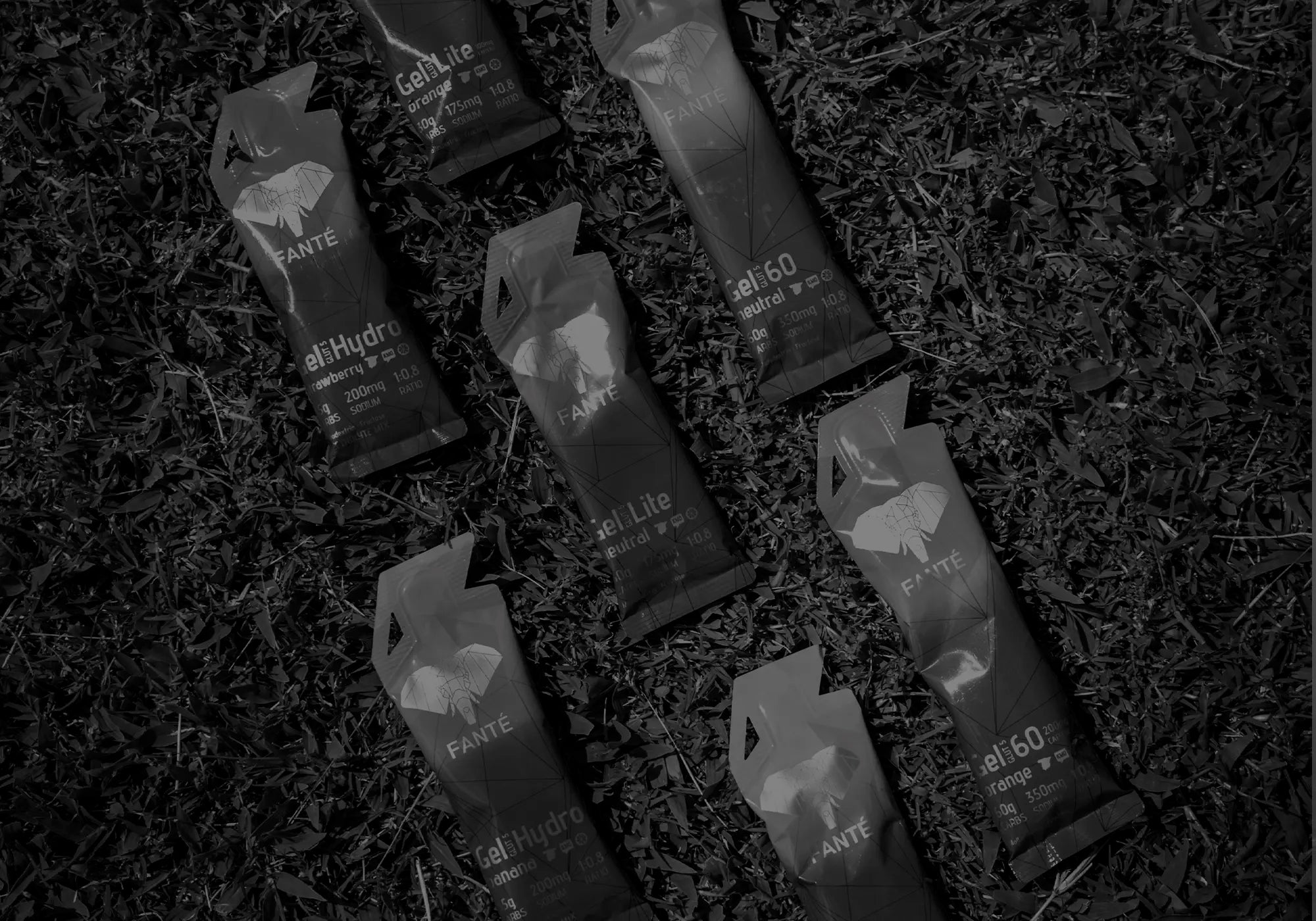
Energy gels for marathon runners
Choosing the right gels for a marathon is no small matter. In long races, the difference between maintaining your pace and experiencing a sudden drop in performance often depends on how you manage ...

The best running clothes for summer
When temperatures rise, many runners ask themselves the same question: Is it better to train in short sleeves or long sleeves when it's hot? While it may seem like a matter of aesthetics or comfort...

Avoid stopping to pee on long runs: how to hydrate without losing performance
Reducing fluid intake is not the solution to avoid stopping to urinate on long runs; the key is to optimize intake timing, avoid overhydration, and use enough sodium to improve absorption and reduc...

Energy gels and bars: Gels or gummies for better performance?
The choice between gels and gummies depends not only on taste, but also on intensity, duration, climate, and digestive tolerance: gels usually offer faster absorption, higher concentration, and bet...

How to choose the right energy gel
Energy gels are useful for intense or over 60-minute workouts because they provide fast-absorbing carbohydrates, but their effectiveness depends on choosing the right formula and using them with an...

Best carbohydrate for marathon
The article explains that the best carbohydrate for a marathon is not an isolated one, but a strategic combination that provides high energy per hour without compromising digestive tolerance.It hig...

How to plan your nutrition for a triathlon without making the most common mistakes
If there's one sport where nutritional strategy makes all the difference, it's triathlon. Not only do you have to complete three consecutive disciplines, but you also have to manage your energy, fl...

For years, lactose has been one of the least considered carbohydrates in sports nutrition. Its presence in dairy products and the high prevalence of intolerance have led many athletes to directly a...

Hydration tips for summer sports
Practicing sports in the summer requires more attention to hydration. Heat, humidity, and increased sweating cause the body to lose more water and electrolytes, especially during long training sess...

JOIN THE COMMUNITY AND STAY UP TO DATE
SUBSCRIBE AND GET €5 OFF YOUR FIRST PURCHASE
Discover exclusive offers, expert health and nutrition advice, new episodes of our podcast, and be the first to know about our latest news.