How to choose gels based on temperature and climate
Choosing the right energy gels based on temperature is not just a matter of taste or texture.
Temperature and humidity directly modify the body's physiology, sweating rate, sodium loss, and digestive tolerance.
Therefore, the same gel that works perfectly for you in winter may not be the best option in a race with 30 ºC and high humidity.
Knowing how to choose gels based on temperature and climate allows you to optimize performance, reduce the risk of gastrointestinal discomfort, and maintain a consistent hydration strategy.
How temperature affects the body during exercise
When training or competing in the heat, the body activates mechanisms to dissipate temperature.
The main physiological changes are:
- increased sweating
- greater sodium loss
- increased heart rate
- reduced digestive blood flow
- increased perceived effort
This means that temperature directly influences how you tolerate and absorb energy gels.
In hot weather, a nutritional strategy that does not include sodium and fluids can seriously compromise performance.
Scientific evidence shows that sodium loss and reduced plasma volume are key factors in heat fatigue.
[[COMUNIDAD_CTA]]
Which gel to choose when it's hot
When the temperature exceeds 20–22 ºC, especially in long sessions, it is advisable to prioritize formats that facilitate intake and provide sodium.
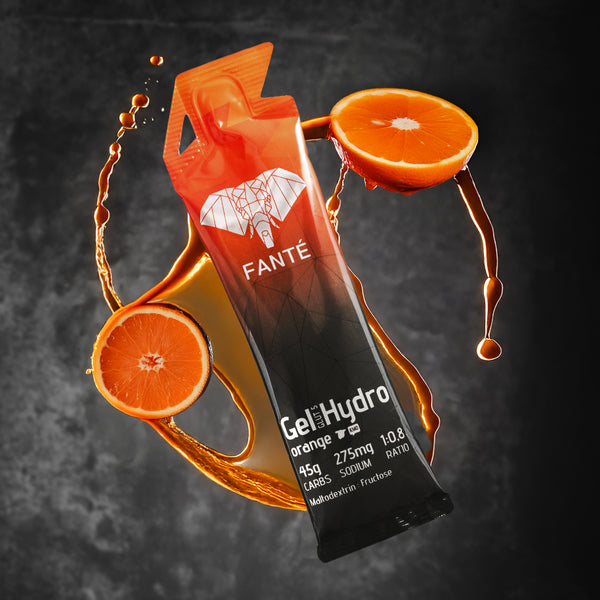
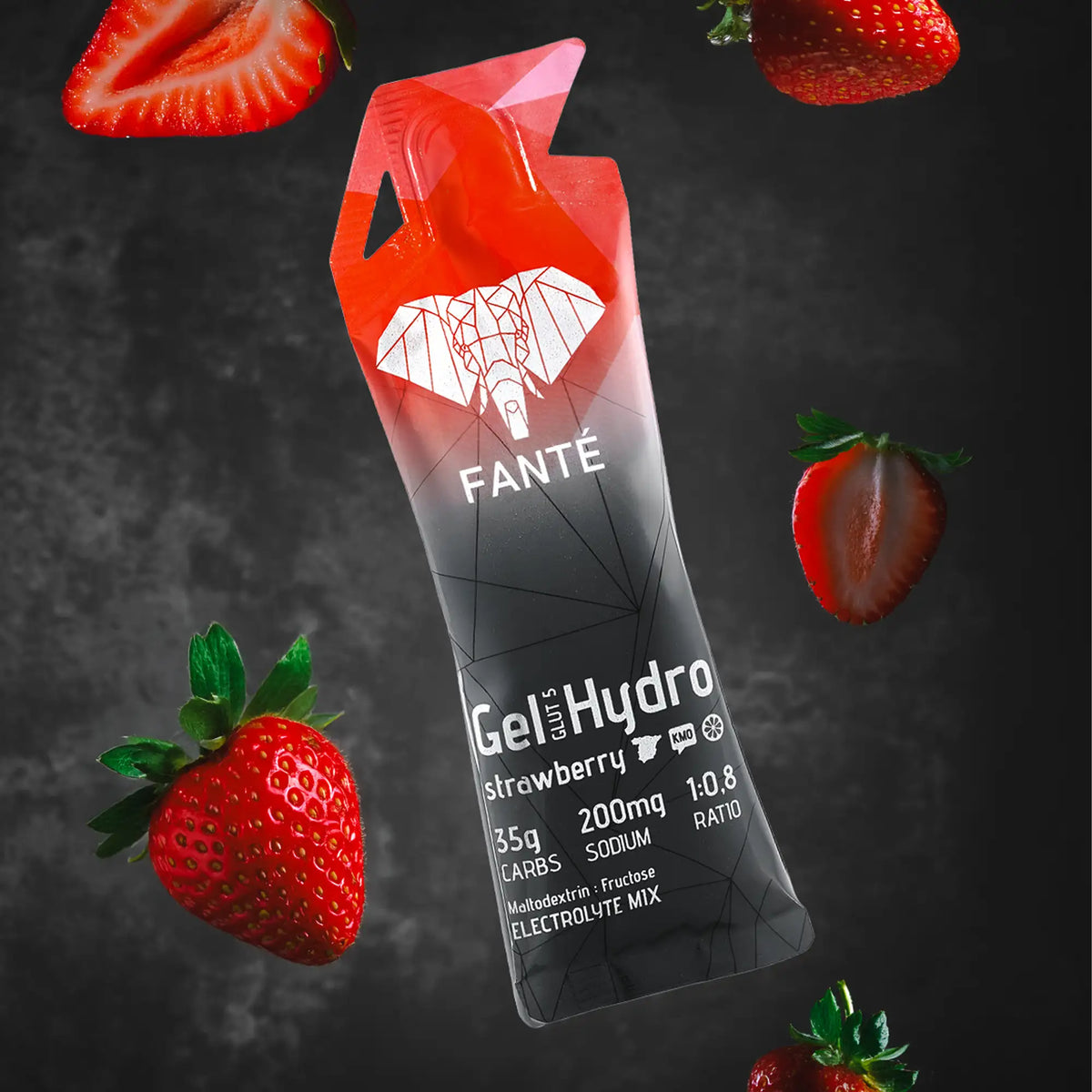
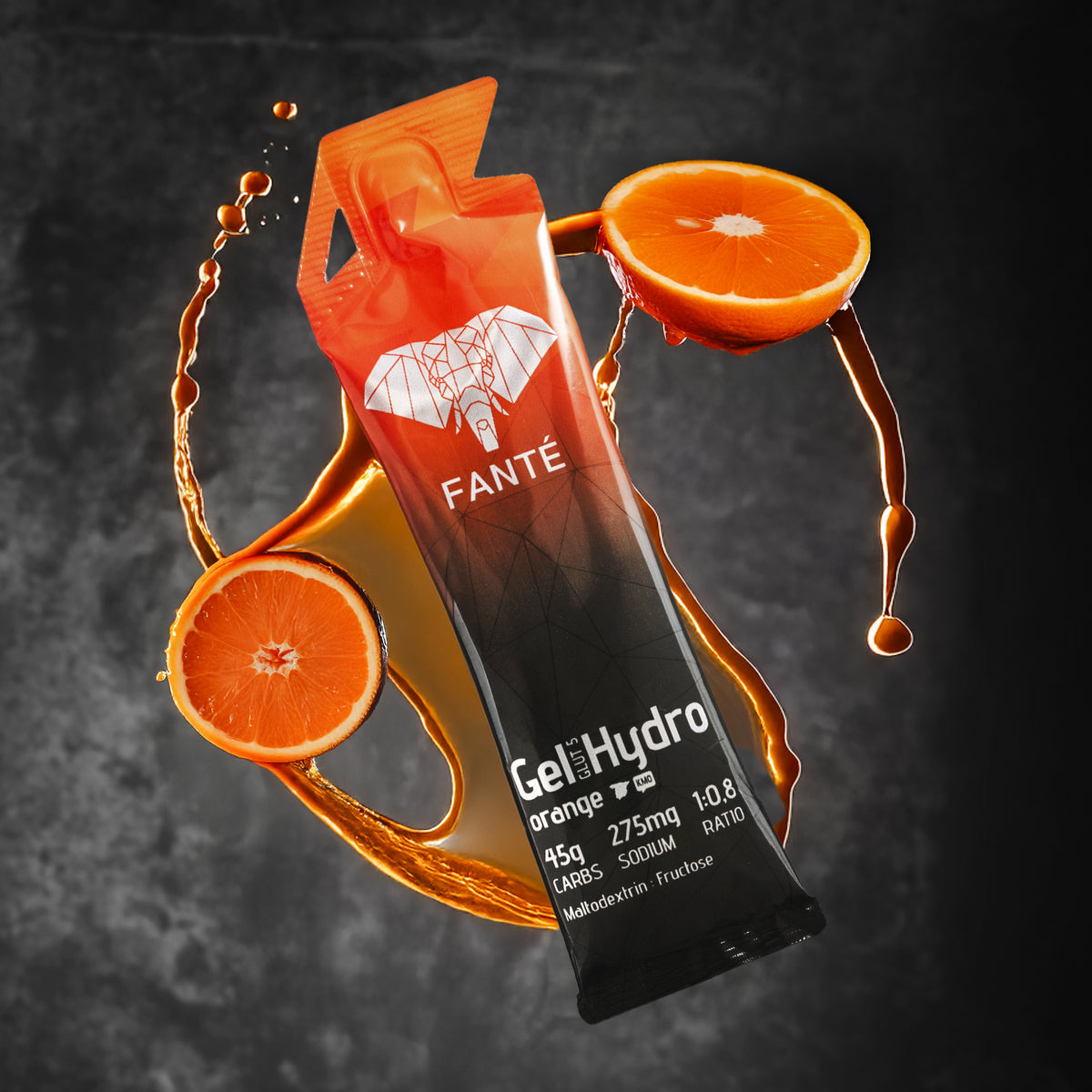
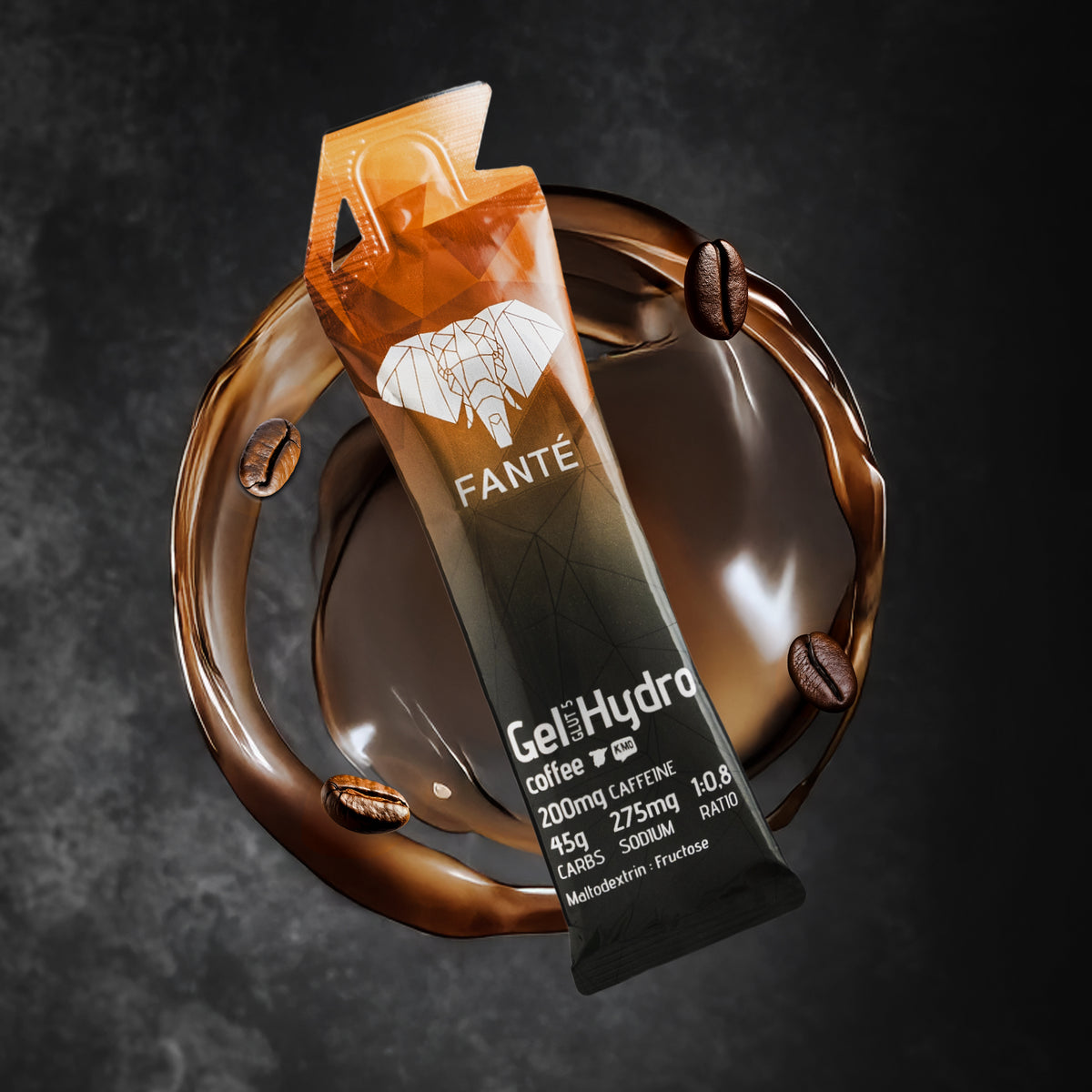
Here, energy gels with sodium and a more fluid texture usually work best.
For example:
These formats are especially useful because:
- they are easier to ingest
- they require less additional water
- they often improve digestive tolerance in heat
- they help maintain a sodium strategy
On very hot days, prioritizing hydro gels can be more efficient than very dense gels.
[[PRODUCTO:gel-hydro-45]]
The importance of sodium depending on temperature
Sodium should not be seen as an extra.
In hot weather, it becomes a strategic element.
Gels with sodium help to:
- improve water and glucose (maltodextrin) absorption
- maintain plasma volume
- reduce the risk of hyponatremia
- replenish some of what is lost in sweat
As the temperature rises, so does the importance of choosing gels with more or less concentrated sodium.
Low temperature (<15 ºC)
Sodium is important, but not as limiting
Medium temperature (15–22 ºC)
It is advisable to prioritize gels with sodium
High temperature (>22–25 ºC)
Sodium + isotonic drink becomes key
What changes when humidity is high
Humidity has a huge impact.
Often even greater than temperature.
When relative humidity is high, sweat evaporates less effectively.
This means that the body:
- dissipates heat less effectively
- sweats more
- raises core temperature faster
In this context, drinking properly is even more important.
This is where the combination with isotonic drinks comes into play.
[[PRODUCTO:iso-drink]]
When to combine gels with ISO DRINK
In hot and humid conditions, an excellent strategy is to combine gels with ISO DRINK
Especially useful in:
- long runs
- marathons in hot weather
- long-distance cycling
- trail running with high sweating
The isotonic drink provides:
- fluids
- sodium
- carbohydrates
- better fluid retention
This combination greatly improves the overall strategy.
For example:
- gel every 30–45 min
- ISO DRINK or GLUT 5 DRINK in small, regular sips
This helps maintain energy and hydration simultaneously.
Which gel to use when it's cold
In cold or temperate climates, the strategy may be different.
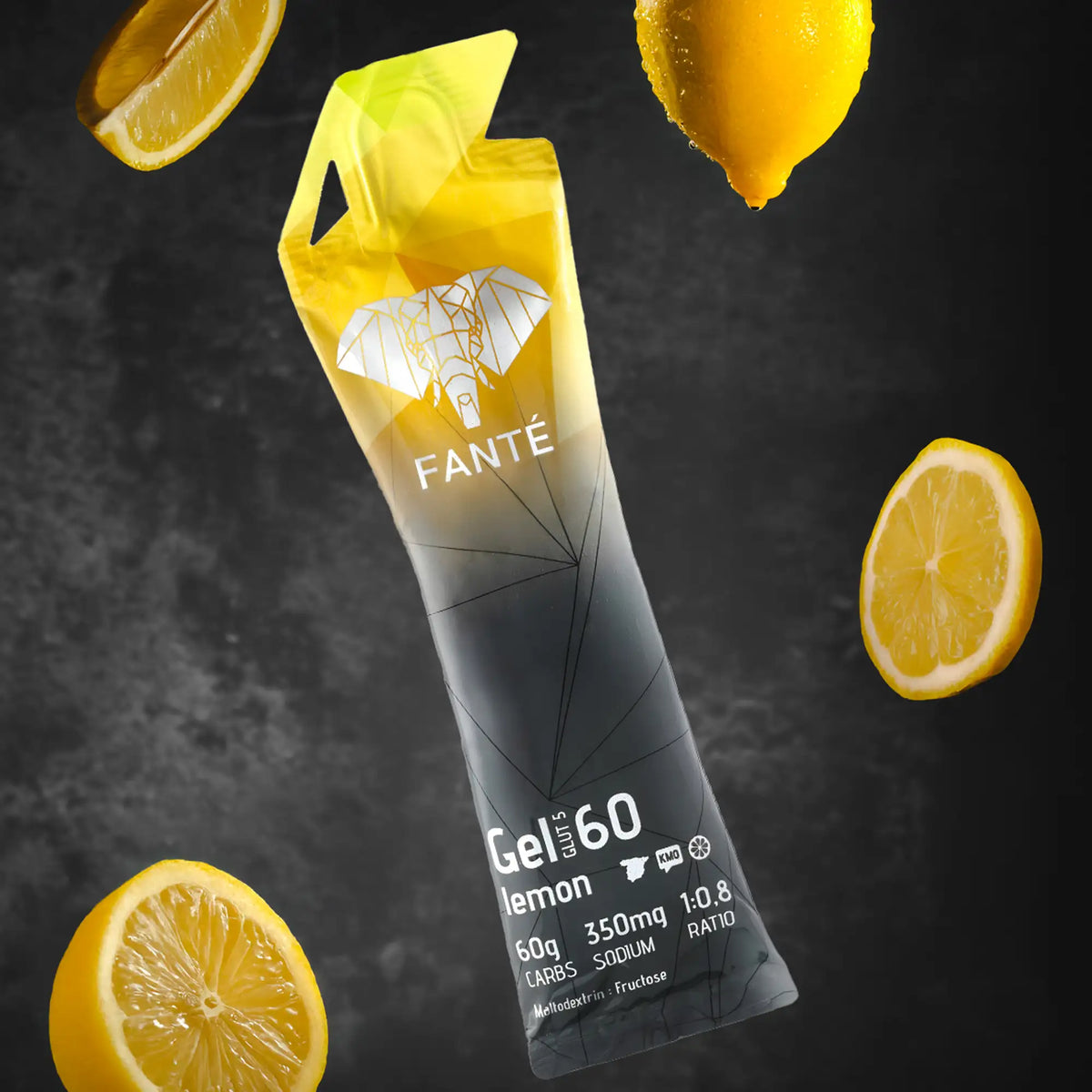
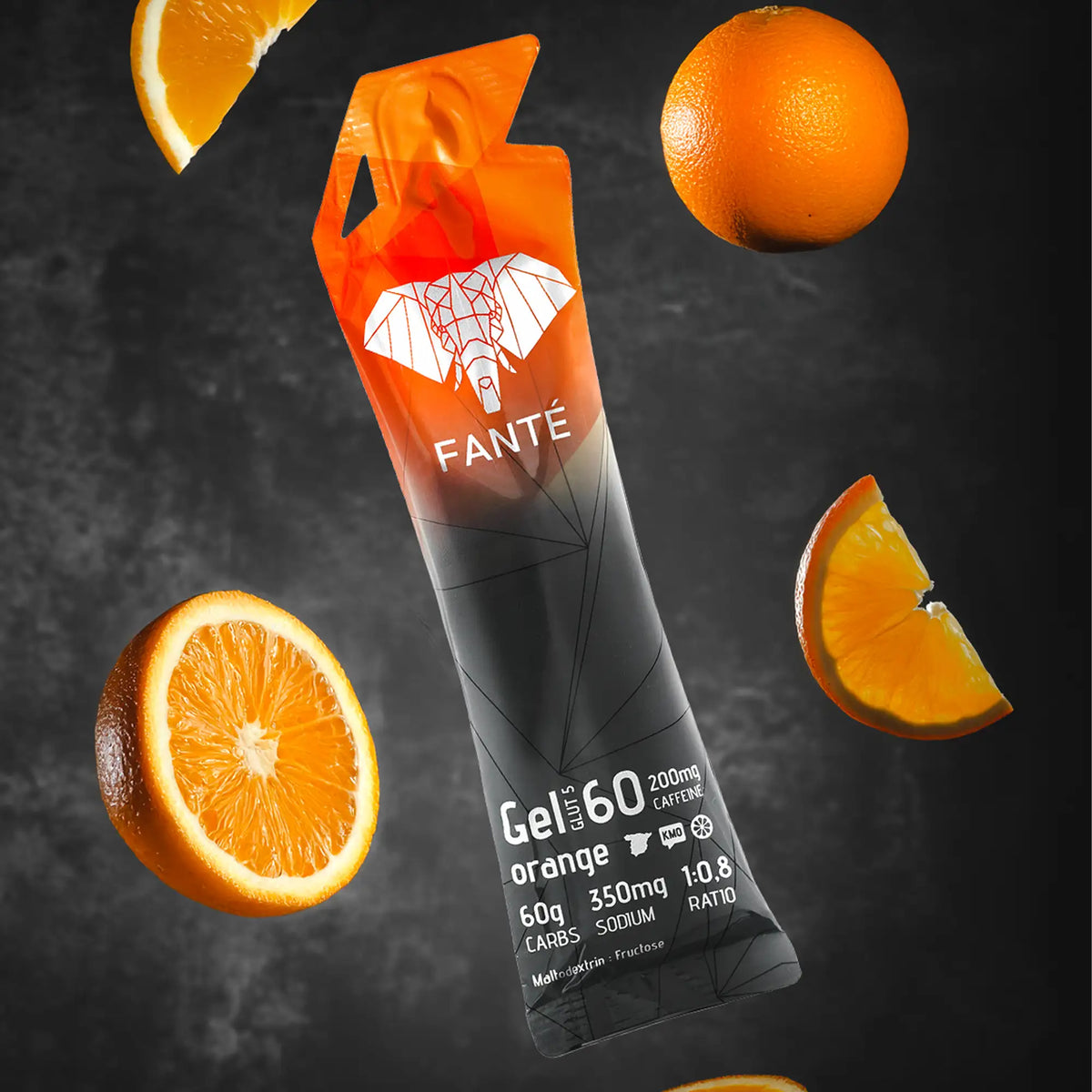
Here it makes more sense to use more concentrated formats, for example:
Cold weather reduces the feeling of thirst, but does not eliminate the need to drink.
It simply allows working with slightly denser gels and relying less on isotonic drinks.
[[PRODUCTO:gel-60]]
Quick guide by climate
Cold / temperate
- Gel 60
- less dependence on isotonic drinks
Dry heat
- Hydro 35 / 45 Gel
- gels with sodium
- water + isotonic
Humid heat
- hydro + ISO DRINK
- maximum priority for hydration
Conclusion
Knowing how to choose gels based on temperature and climate is a fundamental part of performance strategy.
Temperature and humidity modify:
- sweating
- sodium loss
- digestion
- fluid needs
Therefore, choosing wisely between more concentrated gels, hydro gels, and isotonic drinks can make a big difference.
Because the climate changes physiology.
And physiology should change your nutrition.
Bibliography
- Sawka MN, Burke LM, Eichner ER, et al. Exercise and fluid replacement. Medicine & Science in Sports & Exercise. 2007;39(2):377–390.
- Baker LB, Jeukendrup AE. Optimal composition of fluid-replacement beverages. Comprehensive Physiology. 2014;4(2):575–620.
- Périard JD, Racinais S, Sawka MN. Adaptations and mechanisms of human heat acclimation. Scandinavian Journal of Medicine & Science in Sports. 2015;25(S1):20–38.