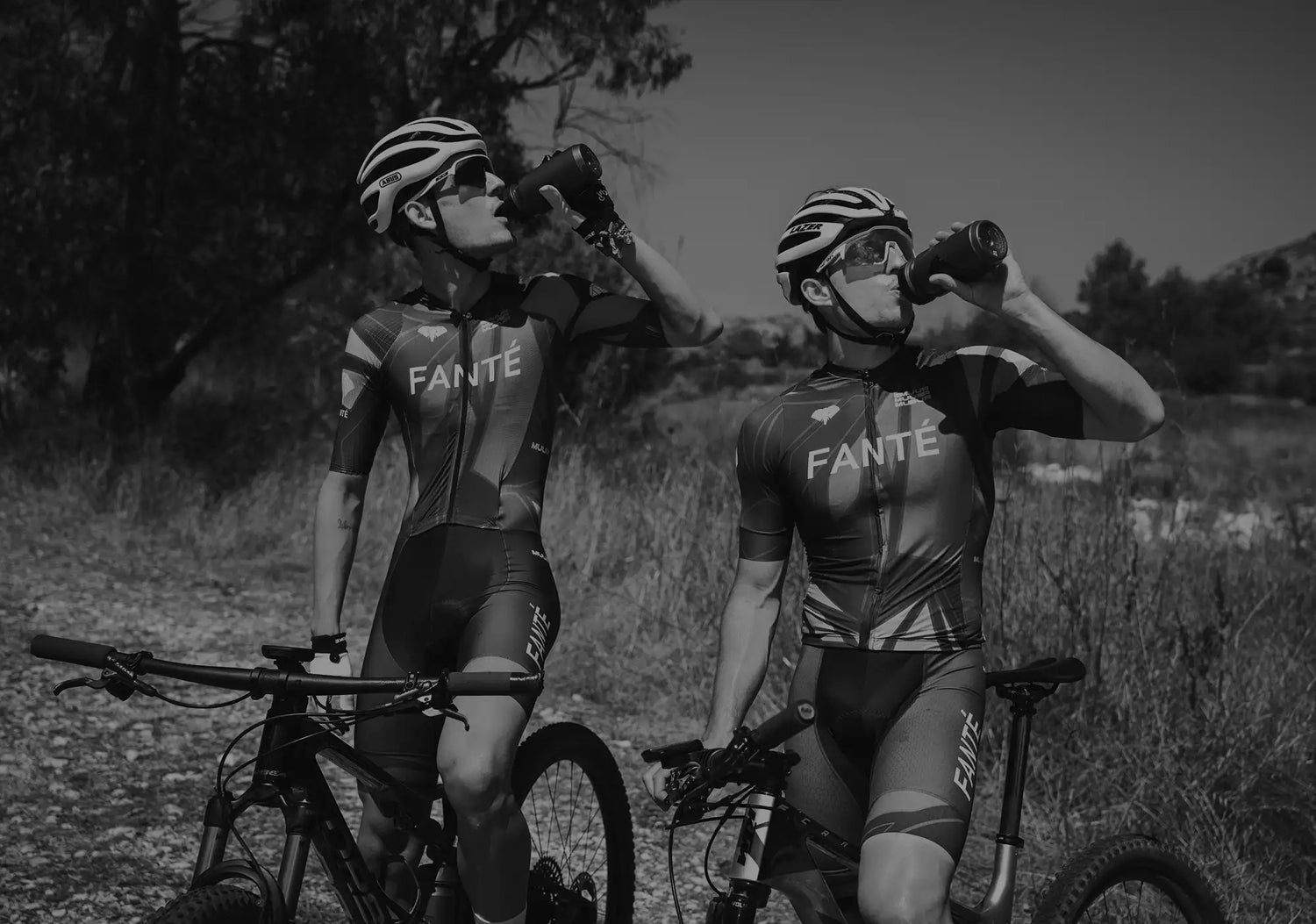
Hydration during a race is one of the cornerstones of maintaining performance and preventing energy dips, cramps, or gastrointestinal issues during competition . Following good hydration advice during a race means not only drinking more, but doing so strategically: understanding your needs, maintaining a consistent intake, and choosing the right electrolytes. In this guide, you'll discover how to optimize your hydration and avoid dehydration in your next race in a practical and effective way.
Why does hydration during a race determine your performance?
During a race, especially in hot or high-intensity conditions, a loss of just 2% of body weight through sweat can negatively impact physical and cognitive performance. Hydration during a race maintains plasma volume, regulates body temperature, and improves cardiovascular function, delaying the onset of fatigue .
What happens to your body when you get dehydrated while running
When dehydration occurs, blood flow to the muscles and skin decreases. This causes:
- Higher body temperature.
- Increased heart rate.
- Decreased power and resistance.
- Greater awareness of effort.
How much fluid do you actually lose during a race?
The rate of perspiration varies from person to person. A runner can lose anywhere from 0.5 to 2.5 liters of fluid per hour or more. Factors such as temperature, humidity, pace, and acclimatization all play a role. That's why it's crucial to calculate hydration needs during the race to personalize your strategy.
On our website you can find another guide where you can calculate your sweat rate, here it is: Calculating your dehydration rate .
[[CTA_COMMUNITY]]
Pre-race hydration: the protocol you should follow
Hydration before a race ensures an optimal starting condition and improves the body's ability to resist fluid loss.
Hydration before a race: how much, when and what to drink
- 24 hours before : ensure adequate water intake (30-40 ml/kg).
- 2-3 hours before : drink 500-600 ml of an electrolyte drink such as our GLUT 5 DRINK or ISO DRINK .
- 30-60 min before : 200-300 ml of liquid with sodium (300-600 mg/l).
We recommend you avoid sugary drinks without electrolytes or with carbonation.
The role of sodium in prehydration: water retention
Sodium improves intestinal water absorption and helps maintain fluid balance . Studies suggest that prehydration with sodium increases plasma volume, improves thermoregulation, and decreases performance decline.
👉 Discover more about hyperhydration
Signs of dehydration that every runner should know
Hydration during a race is key to maintaining performance and avoiding problems such as dehydration or hyponatremia , two situations with similar symptoms but different causes.
Properly planning your pre-race and post-race hydration allows you to anticipate fatigue, maintain electrolyte balance, and optimize your effort. To do this, it's essential to understand how to calculate hydration during a race, adjust your fluid intake, and use appropriate drinks that provide water and sodium.
Mild symptoms vs. severe symptoms of dehydration
The main symptoms of dehydration are:
- Mild : Dry mouth, intense thirst, headache, cramps, dark urine.
- Serious : Dizziness, confusion, loss of coordination, rapid heart rate.
Differences between dehydration and hyponatremia
Both conditions share symptoms, but hyponatremia is caused by excess water without sodium replacement, leading to plasma dilution . It can be dangerous and cause nausea, vomiting, confusion, and even seizures.
How to avoid dehydration in your next race
To avoid dehydration in your next race, we recommend you keep the following tips in mind:
- Calculate your sweat rate
- Use electrolyte drinks , not just water. Like our hydration products , for example.
- Maintain a consistent consumption pattern every 15-20 minutes.
Calculating hydration during a race: find your sweat rate
Knowing how to calculate your hydration needs during a run is essential to avoid both dehydration and over-hydration. Measuring your sweat rate step by step, weighing yourself before and after running, recording what you drink, and calculating your actual fluid loss allows you to estimate how much water you need per hour.
How to calculate your sweat rate step by step
- Weigh yourself before and after a running session.
- Record how much you have drunk.
- Subtract the weight lost and add the fluid ingested.
- That's your approximate sweat rate in liters/hour.
How much to drink during the race
Ideally, you should replace 70-80% of the fluid loss . For example, if you lose 1 liter/hour, you should drink between 700-800 ml/hour, divided into several servings.
How often should you drink during competition?
Every 15-20 minutes , drink 150-200 ml depending on the conditions. For events longer than 90 minutes, include sodium and carbohydrates.
What should a good hydration drink have for running, cycling, trail running, or triathlon?
- Sodium : minimum 300-600 mg per liter.
- Potassium, magnesium, and calcium in moderate doses , without overdoing it, as this will increase the likelihood of suffering from gastrointestinal problems.
- Carbohydrates at a concentration of 6-9% if you want to include energy.
- Good palatability and digestive tolerance ; avoid flavors with aromas or sweeteners that only increase palatability for 1-2 hours, but are useless over long distances.
How to choose the right hydration according to your type of exertion
- Short duration (<60 min) . We recommend our isotonic hydration drink.
- Medium duration (60-90 min) . Drink with sodium + high carbohydrate load.
- Long duration (>90 min) , Drink with sodium such as iso drink + carbohydrates such as energy gels (30-90 g/hour).
And if it's winter, also read about hydration in winter
FANTÉ product recommendations for each phase
Find the ideal solution according to your consumption needs:
- Before running
Our carbohydrate drink GLUT5 Drink .
[[PRODUCT:glut-5-drink]]
- During the race
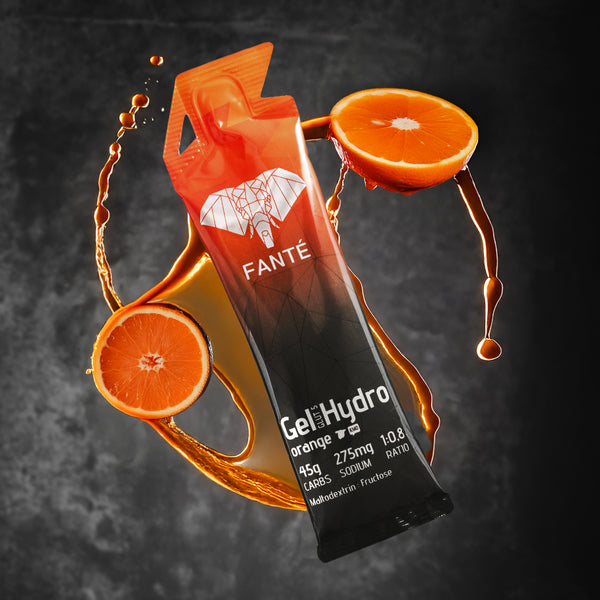
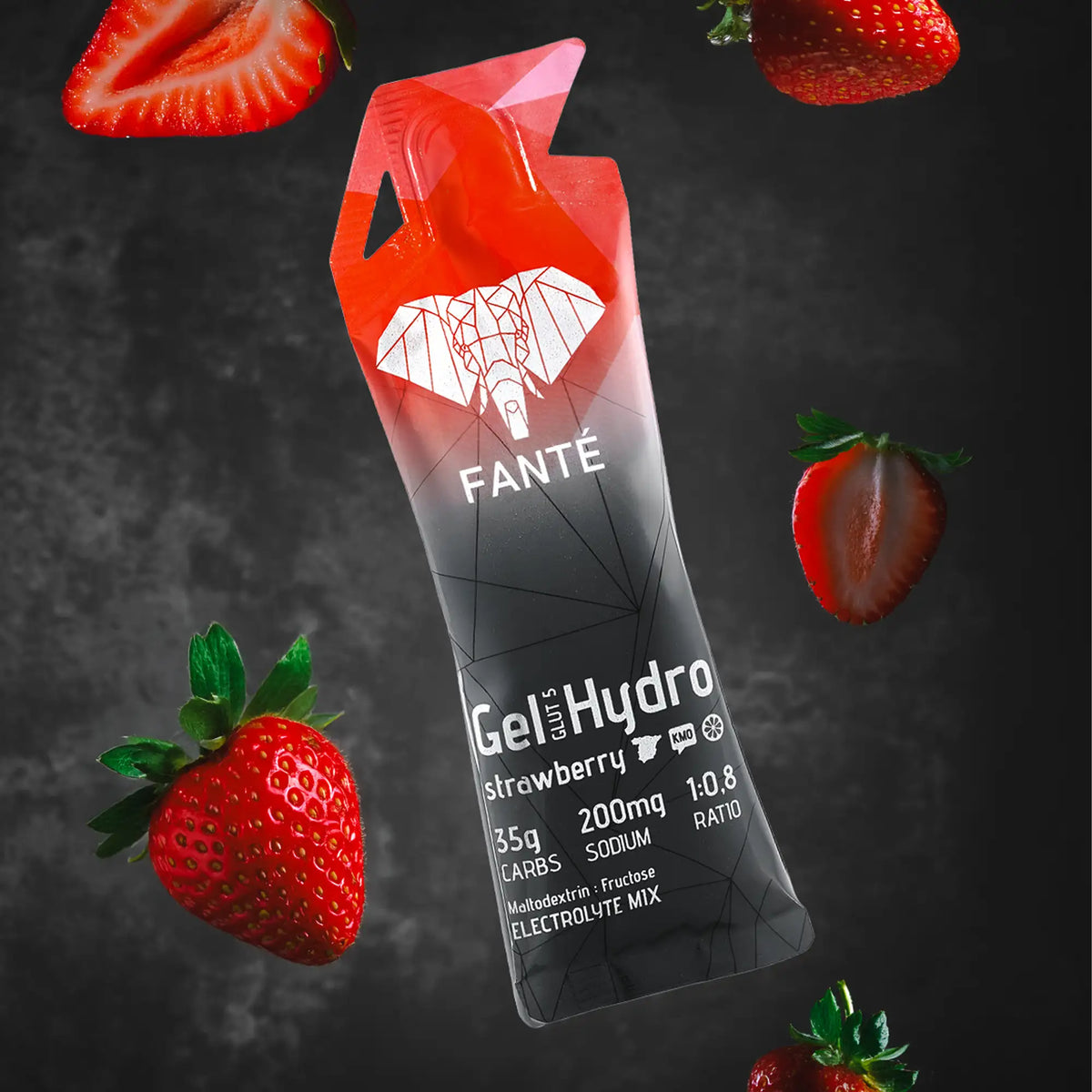
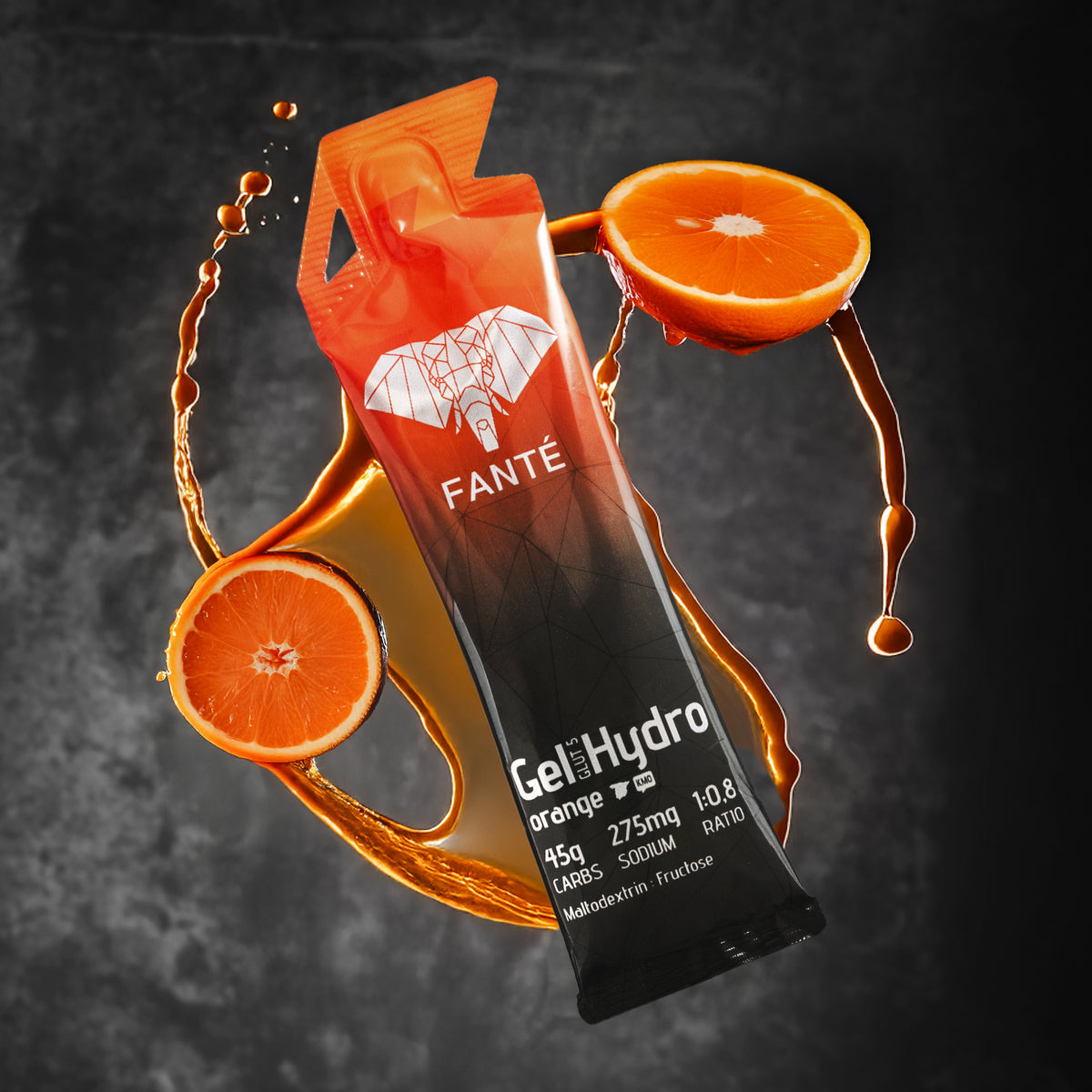
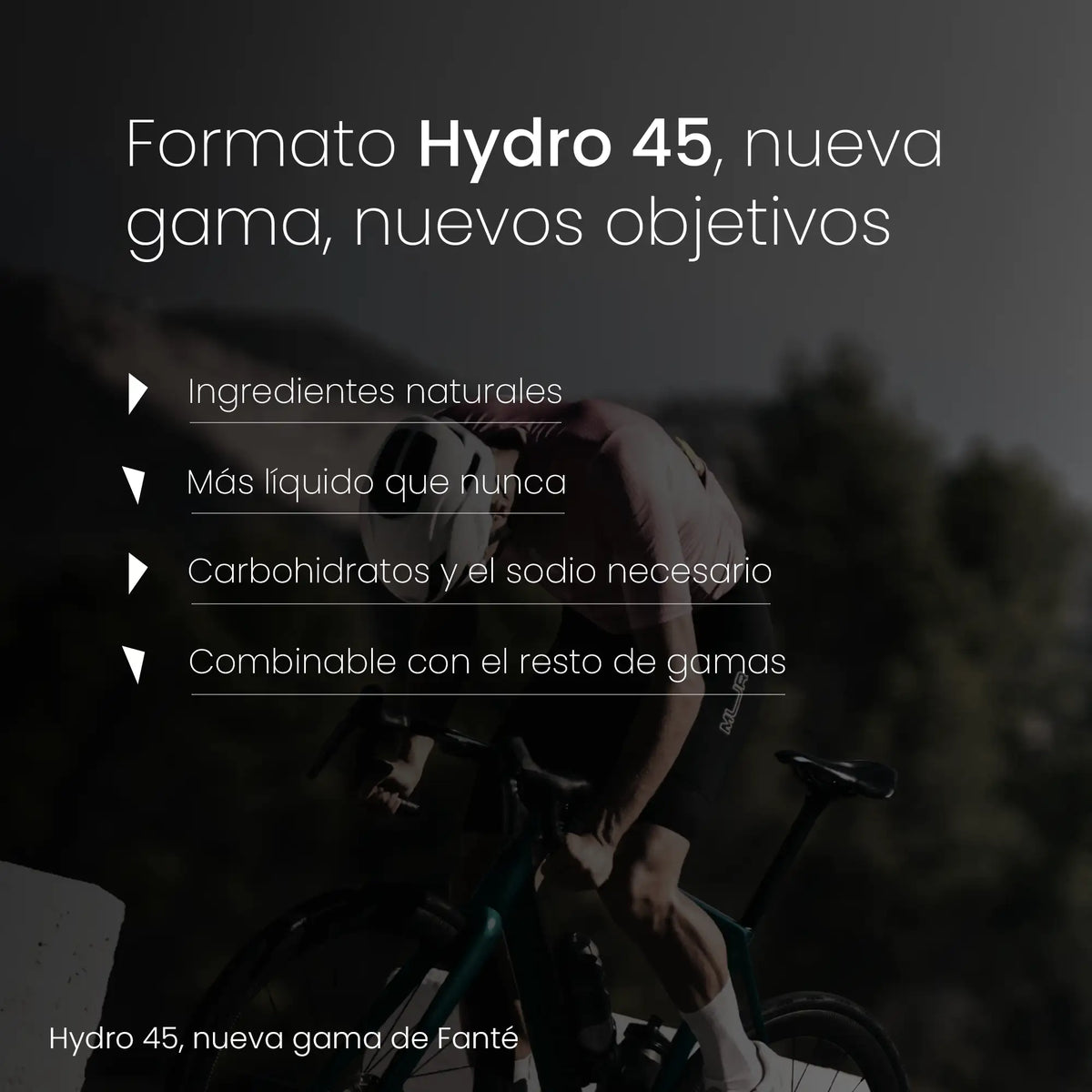
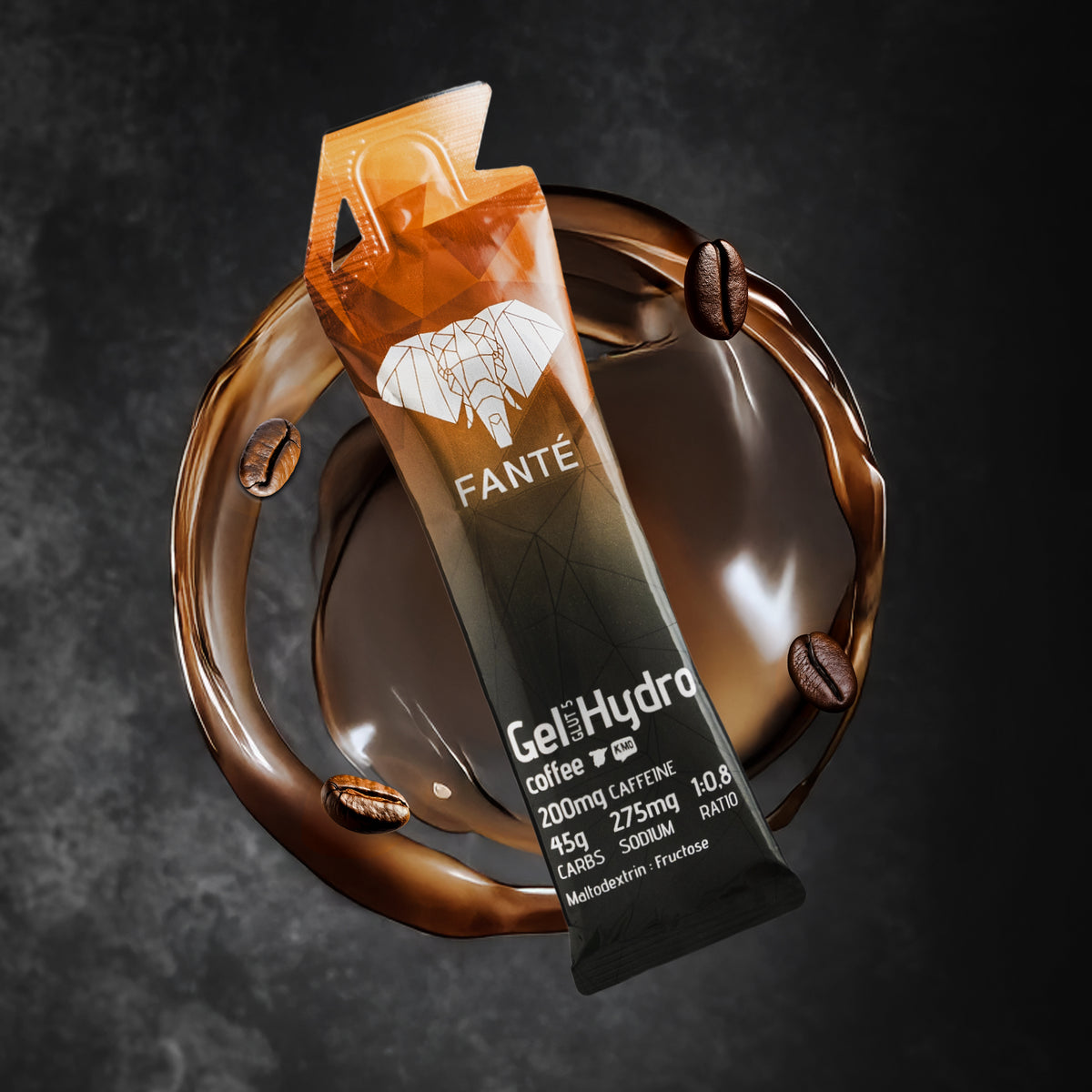
Gel 60 + Gel lite 30 or, if you prefer a liquid texture, you can try our hydro gel 35 and hydro gel 45 .
[[PRODUCT:gel-hydro-45]]
- After the effort.
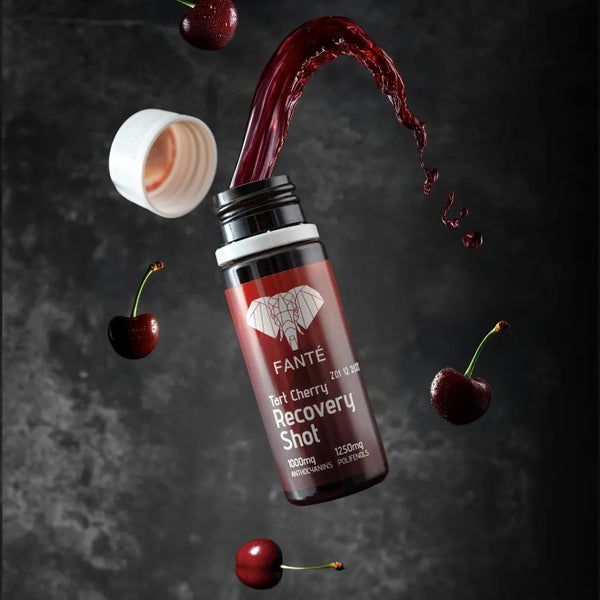
Glycogen Recovery Drink or Tart Cherry Recovery Shot .
[[PRODUCT:tart-cherry-recovery-shot]]
Literature
- Sawka MN et al. (2007). "American College of Sports Medicine position stand: Exercise and fluid replacement." Med Sci Sports Exerc. 39(2):377-390.
- Kenefick RW. (2018). "Drinking strategies: planned drinking versus drinking to thirst." Sports Med. 48(Suppl 1):31-37.
- Shirreffs SM, Maughan RJ. (1998). "Volume repletion after exercise-induced volume depletion in humans: replacement of water and sodium losses." Am J Physiol. 274(5):F868-75.