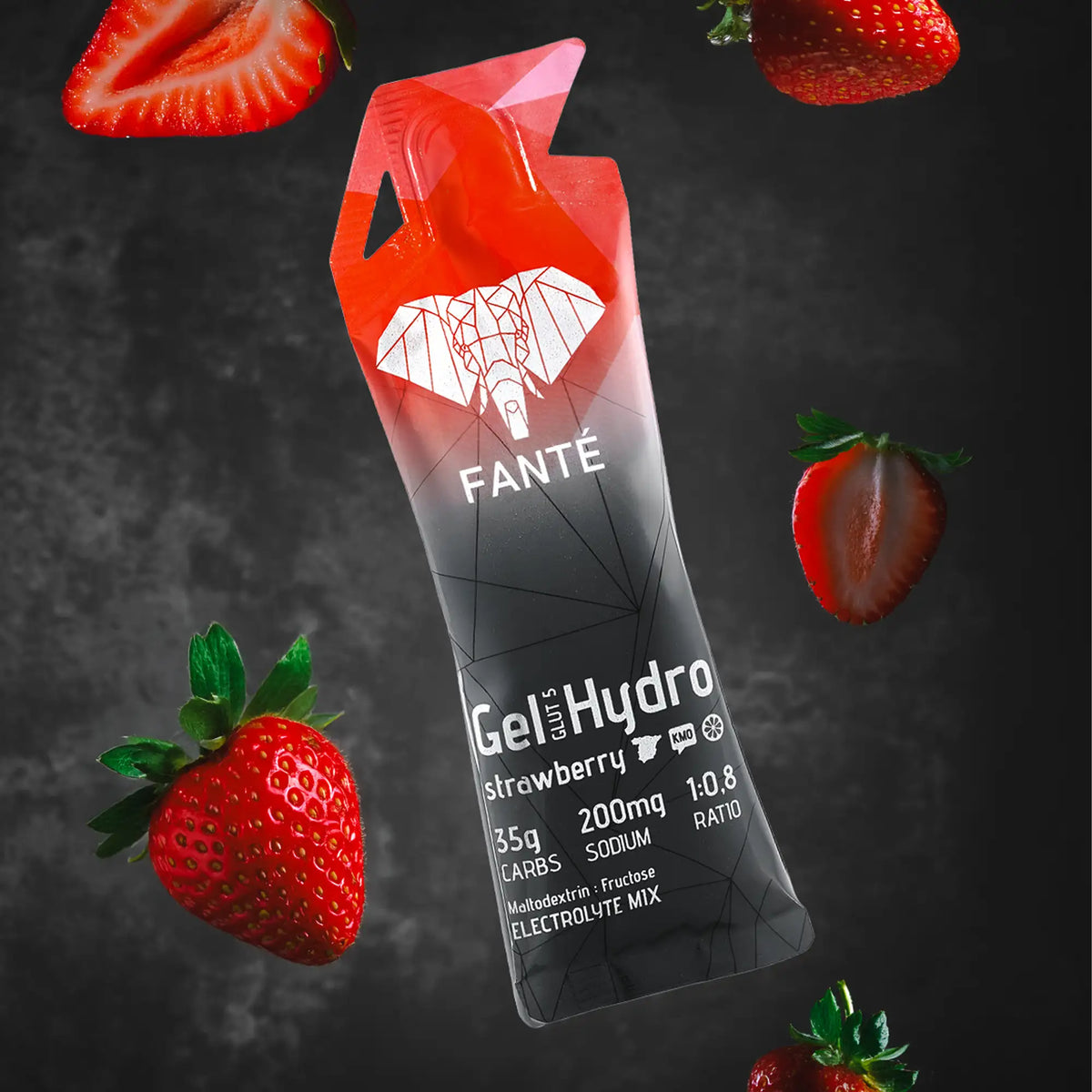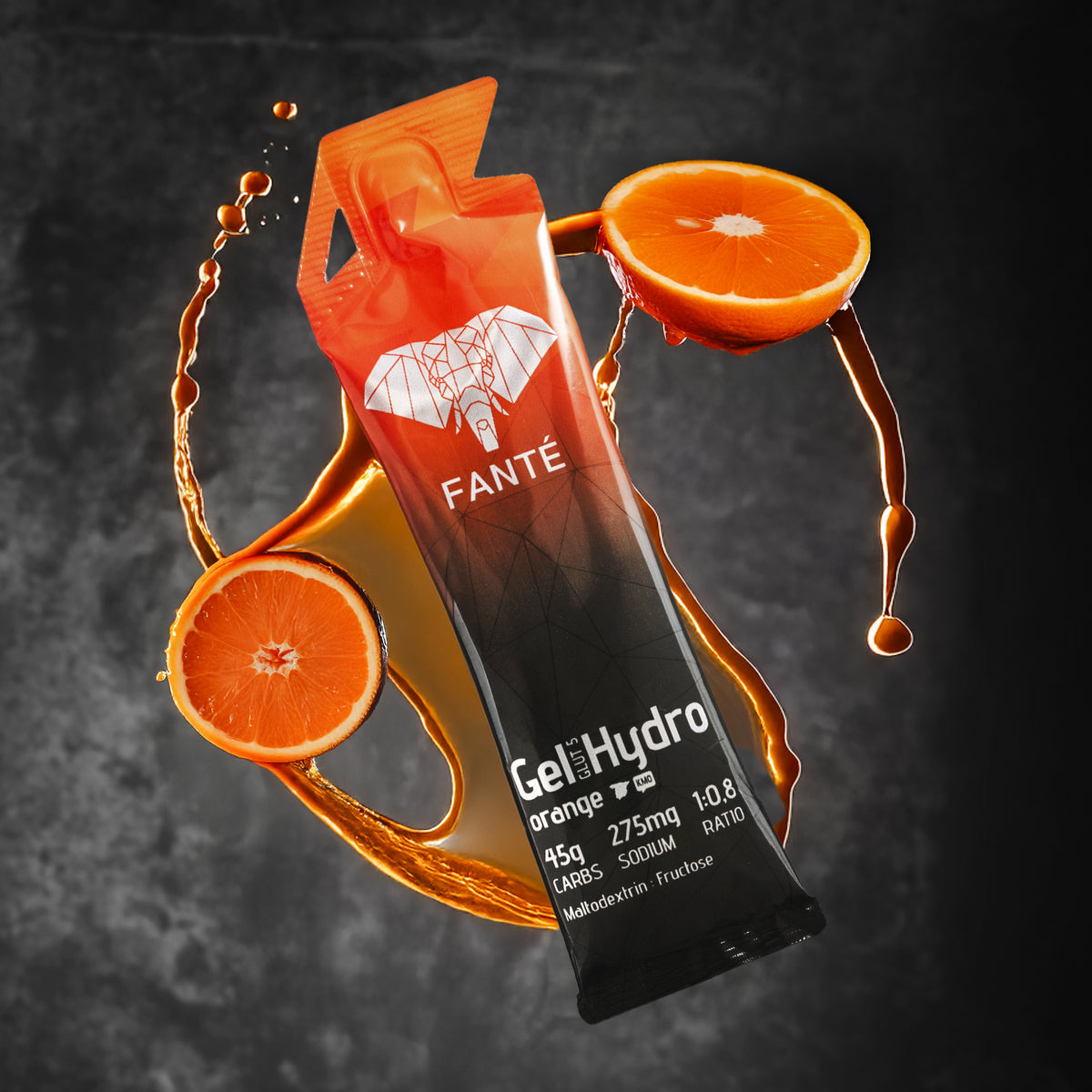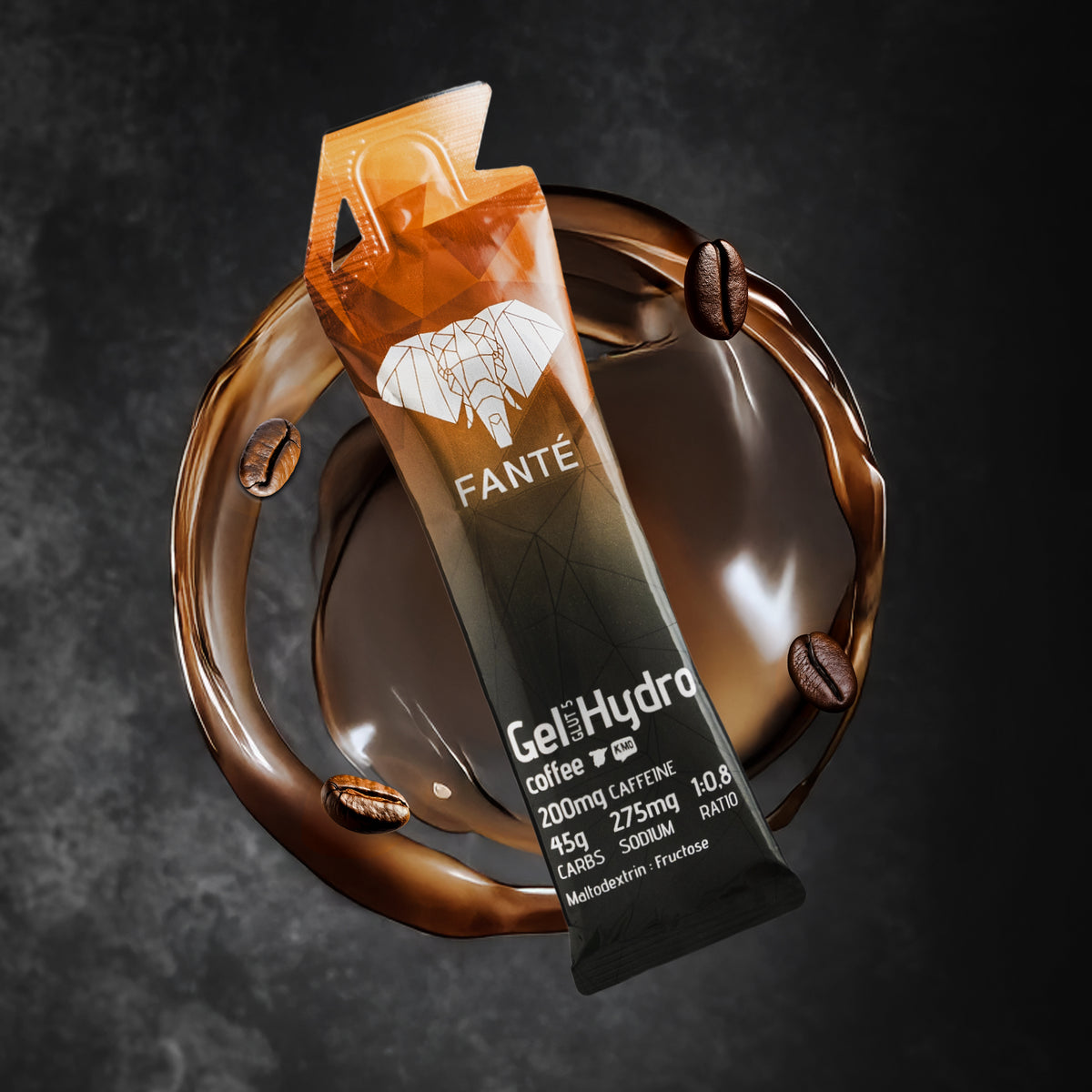
Race support is much more than the aid stations provided by the organizers: it's the strategy that defines how to maintain energy, hydration, and electrolyte balance during the competition .
Leaving it to chance can compromise your performance, as each athlete has different needs for carbohydrates, minerals, and digestive tolerance. Planning your own fueling during a race allows you to anticipate fatigue, reduce risks, and compete with a nutritional plan aligned with your goal.
What is a resupply and why can't you leave it to chance?
Race nutrition refers to the supplies (liquids, solids, electrolytes, and other resources) that allow athletes to maintain optimal performance during a competition. Although the organizers usually provide aid stations, leaving your performance in the hands of external providers can jeopardize your nutritional strategy.
Every runner or cyclist has different requirements: amount of carbohydrates per hour, mineral salt needs, digestive tolerance, etc. Planning your own fueling during a race can be crucial to achieving your best performance .
Having a good fueling strategy during a race not only improves your performance but also reduces the risk of injury, premature fatigue, or digestive problems. Preparing what you're going to eat before, during, and after the race is just as important as your physical training.
[[CTA_COMMUNITY]]
How to plan your own supplies step by step
Properly preparing your strategy before a race involves analyzing the course, calculating your carbohydrate and hydration needs, and training your digestive system to avoid mistakes on race day. A good approach not only improves performance during the race but also facilitates fueling during and after the race, ensuring more efficient recovery and reducing the risk of gastrointestinal problems or premature fatigue .
Study the route and the supply points
Before the race, check the official map and locate the aid stations : frequency, distance, what they offer (water, sports drinks, fruit, gels), and especially the type of water (this is important). This information will help you determine what to pack. Also, assess whether these stations are well distributed or if there are any long stretches where you'll have to fend for yourself.
Calculate your carbohydrate and hydration needs
Use a strategy based on grams of carbohydrates per hour (40–90 g/h depending on intensity and duration). Utilize tools such as our marathon nutrition strategy or our new INNER platform. For fluids, you can estimate your needs by calculating your sweat rate .
Remember that proper hydration and fueling during a race should take into account weather conditions, your sweat rate, altitude, and the duration of the event .
Train your digestive system before race day
Tolerating gels, drinks, and bars takes practice. If you don't, you may experience gastrointestinal discomfort. Learn how to train your digestive system to minimize the risk.
Supplies according to your discipline: running, cycling and trail running are not the same
Race nutrition varies depending on the sport, duration, and available resources. In running, lightness and ease of consumption are paramount; in cycling, the ability to carry fluids and energy allows for more comprehensive strategies; and in trail running, autonomy is key to adapting to long routes and variable conditions.
Adapting your nutritional plan to each discipline will help you maintain a constant supply of carbohydrates , sodium, and hydration without compromising performance.
Aid stations in the running race
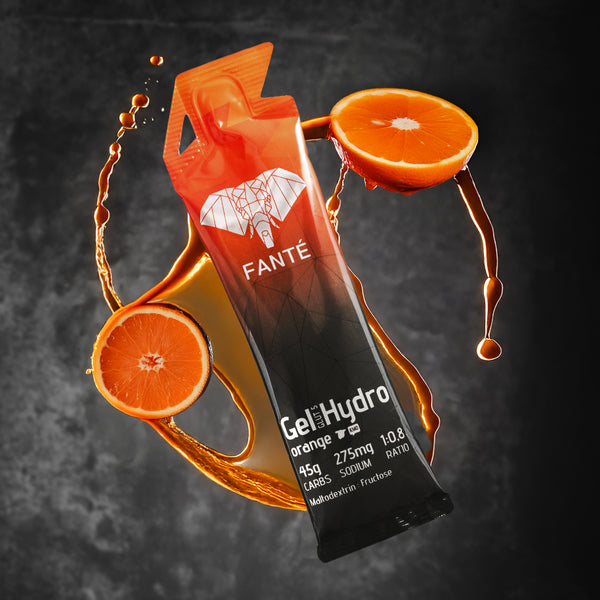
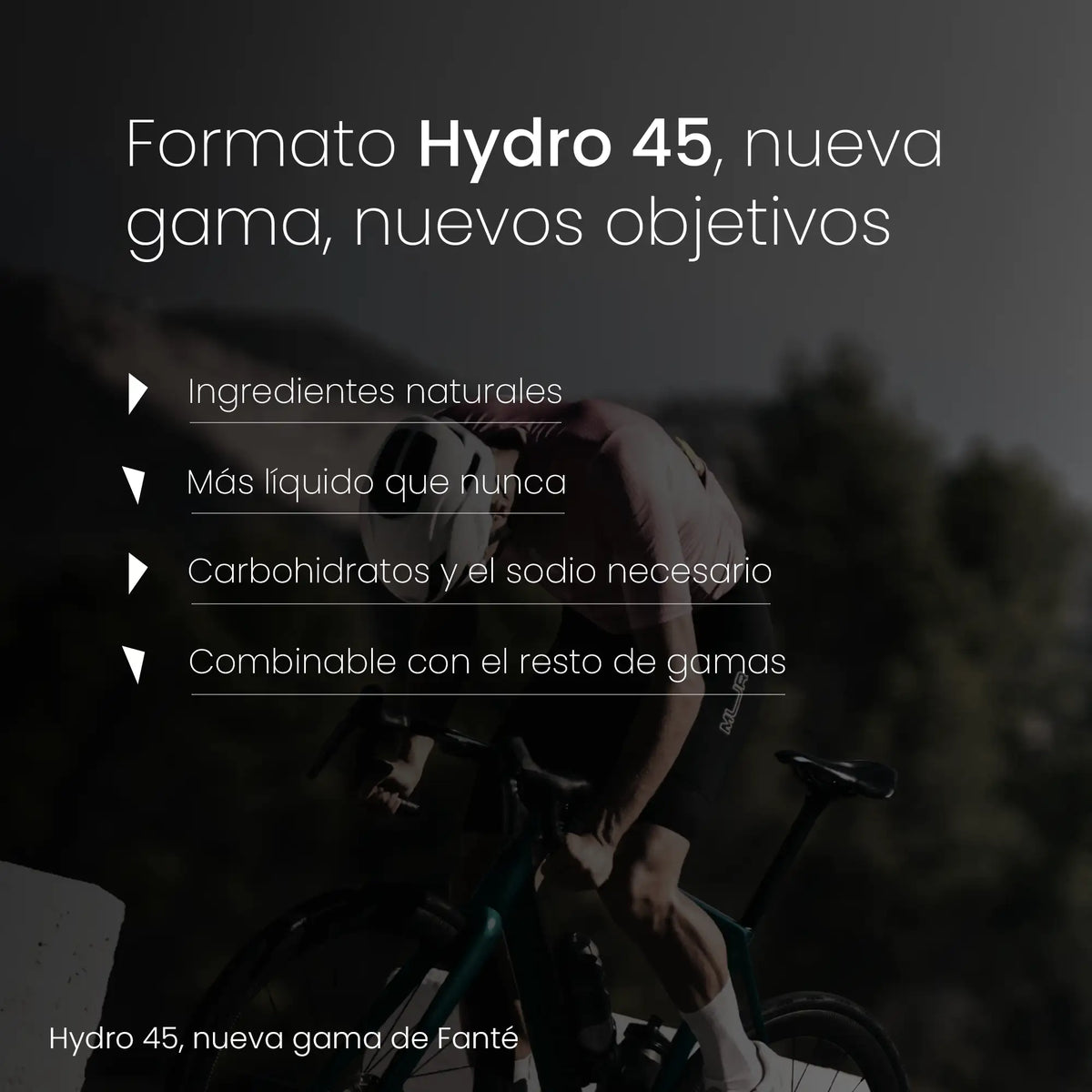
Weight and ease of use make all the difference. We recommend energy gels like the Gel Lite 30 or Hydro 35 or Hydro 45 , which are easy to digest and compatible with the race pace. Access to fluids is usually guaranteed by the organizers, so you can focus on carbohydrates and sodium.
[[PRODUCT:gel-lite-30]]
[[PRODUCT:gel-hydro-45]]
A running fueling strategy should also consider carrying soft flasks, belts, or lightweight backpacks depending on the distance .
Race refreshments for cyclists
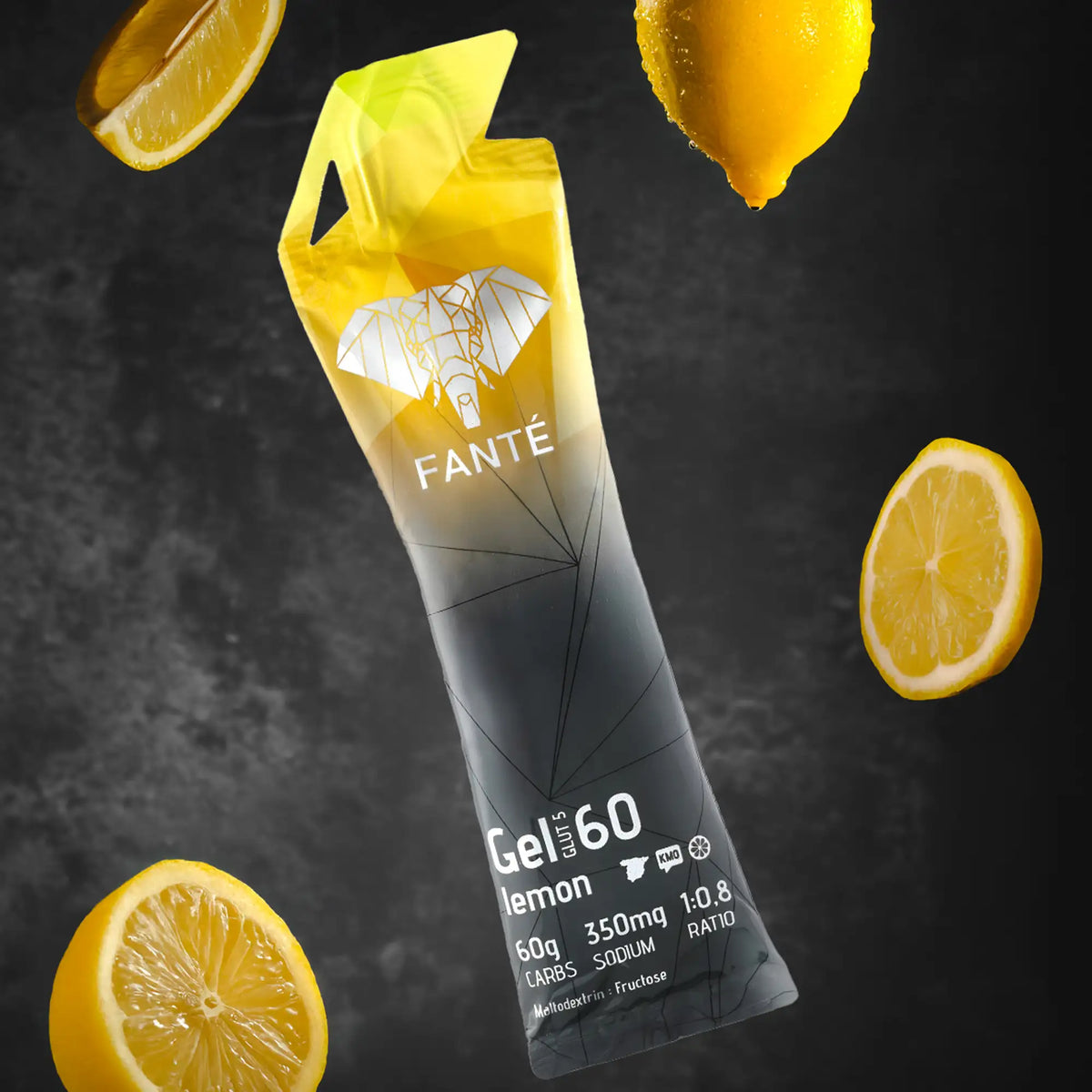
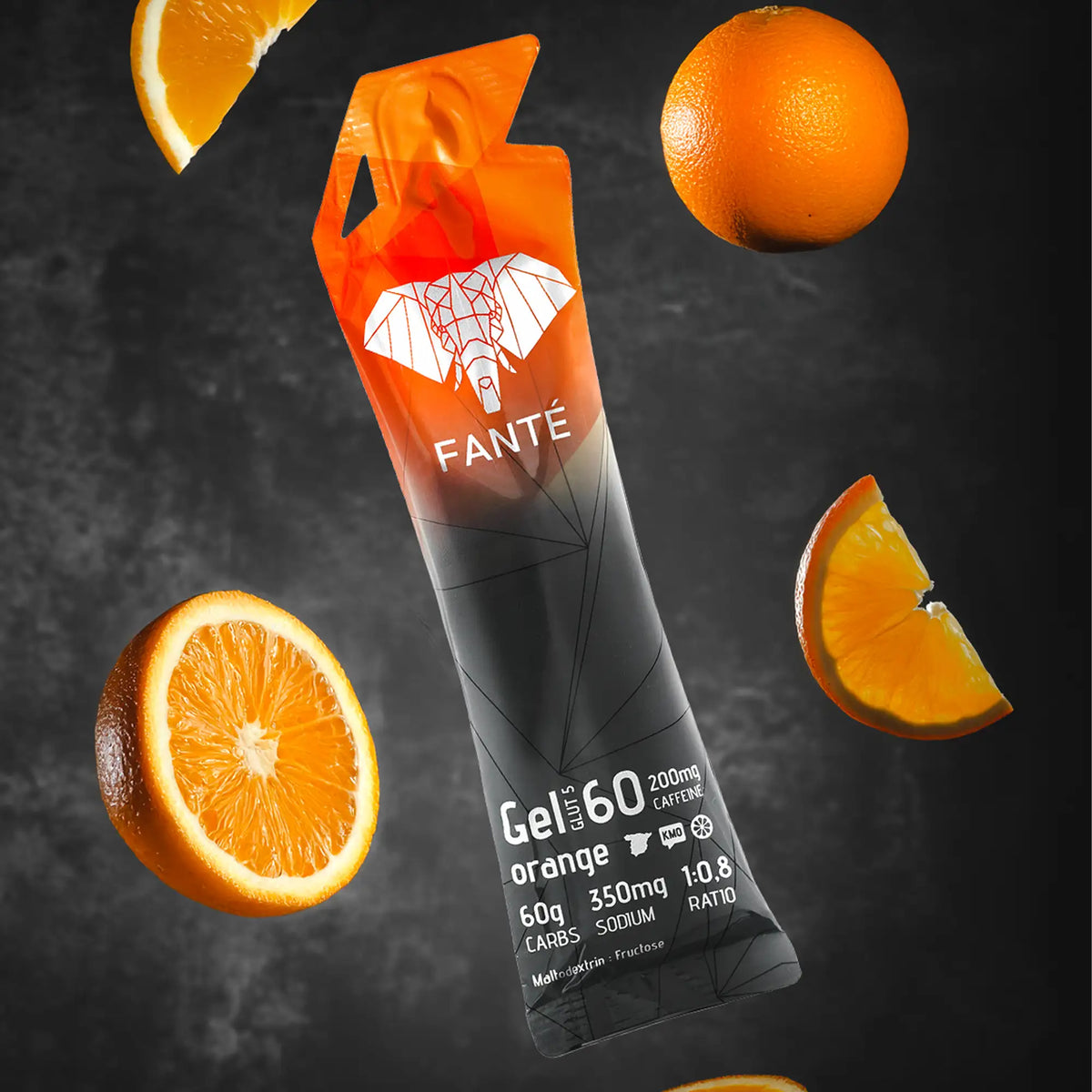
At aid stations during a cycling race, there's a greater opportunity to carry water bottles and food. We recommend combining isotonic drinks like our ISO DRINK, gels like Gel 60, and mineral salt capsules like our Essentials Electrolytes .
[[PRODUCT:gel-hydro-45]]
Plan what to consume every 30–45 minutes to avoid energy depletion . The key is to maintain a steady energy pace and avoid blood sugar spikes.
Aid stations in trail running
In long-distance events like ultramarathons, self-sufficiency is vital. Use vests or belts with gels, salts, energy bars, and even whole foods. Plan your thermal supplies as well (clothing, hats, sunscreen). Your strategy should be flexible to adapt to altitude, technical terrain, and changing conditions.
What to pack in your personal supply kit
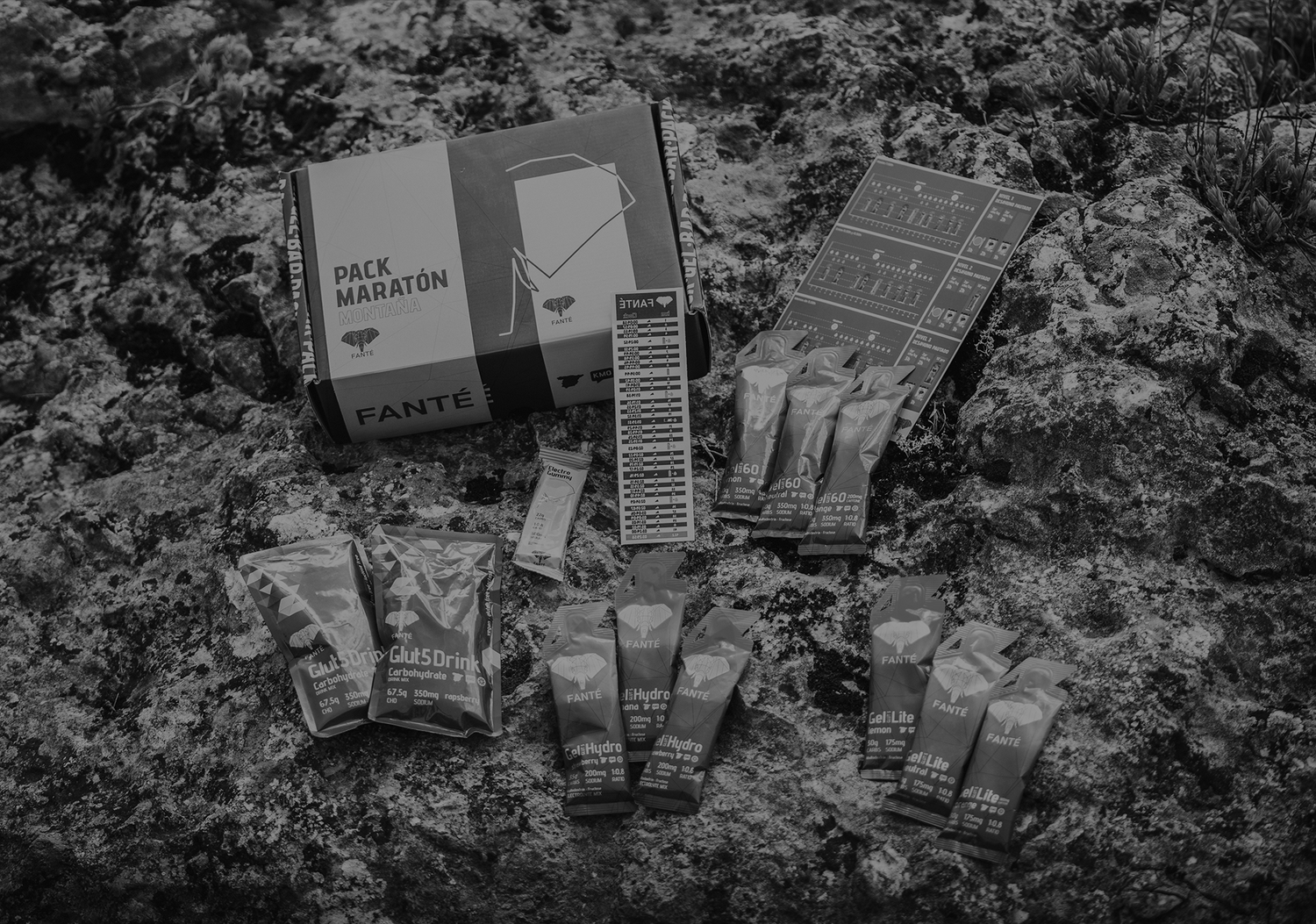
- Energy gels (30, 35, 45, or 60 g of carbohydrates) At FANTÉ we have many options, take a look at our energy gels .
- Mineral salts
- Isotonic drinks in single doses or bottles
- Soft flasks or collapsible bottles
- Soft bars (for trail running or cycling) like our energy bars
- Caffeine according to tolerance and time of use
- Real food for long runs (banana, dates, puffed rice)
This kit must be tested in training. Never improvise during a race . Good personal nutrition can make all the difference in long or poorly supplied races.
The refueling doesn't end at the finish line: post-race recovery
After exertion, the post-race refueling phase begins. In the first 30 minutes, prioritize fast-acting carbohydrates, protein, salts, and fluids. This accelerates muscle recovery and prevents immune system decline.
Discover how to manage this phase in our stage race recovery guide.
This moment is also ideal to evaluate how your race fueling strategy has worked: what you tolerated well, what quantity was sufficient, and what adjustments you will make next time.
And if you want to opt for a 100% complete recovery of cellular, muscle and liver glycogen, choose our Glycogen Recovery drink along with the new Tart Cherry Recovery Shot , you'll notice the difference.
Extra tips to optimize your race fueling
- Avoid trying new products on the day of the competition.
- Use gels with an appropriate maltodextrin/fructose ratio (1:0.8).
- Add caffeine only if you have tested it during training.
- Practice your plan on long runs or competition simulations.
- Carry a small first aid kit or spare supplies on long tests (spare salts, extra food).
Bibliography and internal resources
Nutritional strategy in a marathon
- Jeukendrup, A. (2017). Training the Gut for Athletes. Sports Medicine, 47, 101–110.
- Mlinaric, J., & Mohorko, N. (2025). Nutritional strategies for minimizing gastrointestinal symptoms during endurance exercise: systematic review. Journal of the International Society of Sports Nutrition.
- Studies on carbohydrate oxidation and marathon performance show metabolic improvements with higher CHO/h intakes in trained athletes.
Best pre-workout for cyclists
- Jeukendrup, A. (2018). Training the Gut for Athletes. Gatorade Sports Science Exchange.
- Current reviews highlight the role of carbohydrate and fluid intake before and during prolonged exertion to delay fatigue and optimize performance.
Train your digestive system
- Martinez, IG, Mika, AS, Biesiekierski, JR, & Costa, RJS (2023). The Effect of Gut-Training and Feeding-Challenge on Markers of Gastrointestinal Status in Response to Endurance Exercise: Systematic Review. Sports Medicine.
- Jeukendrup, A. (2017). Evidence on gastrointestinal adaptation and nutrient-specific transport improvements in endurance athletes.
And our guides: