
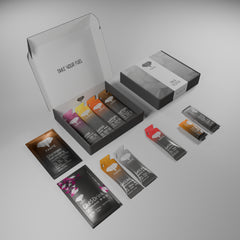
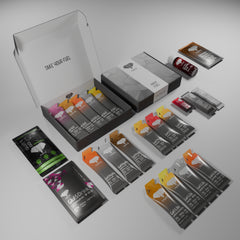
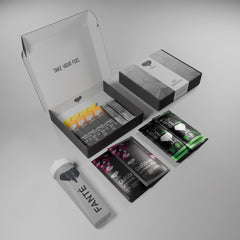
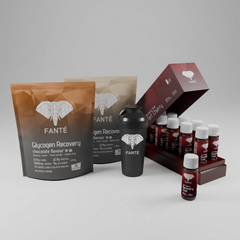


Project 001 - Hydro 35 Lemon - Back to basics

Energy gels for cycling
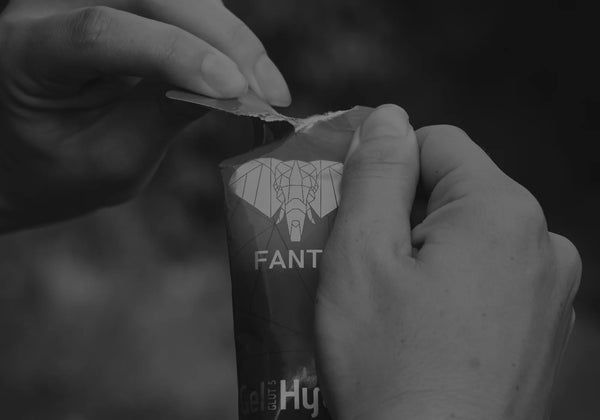
FANTÉ cycling energy gels are formulated to provide carbohydrates during training, rides, and bicycle competitions. A range designed for cyclists looking to plan their nutrition based on the duration, intensity, and demands of each route.

8 products
New!

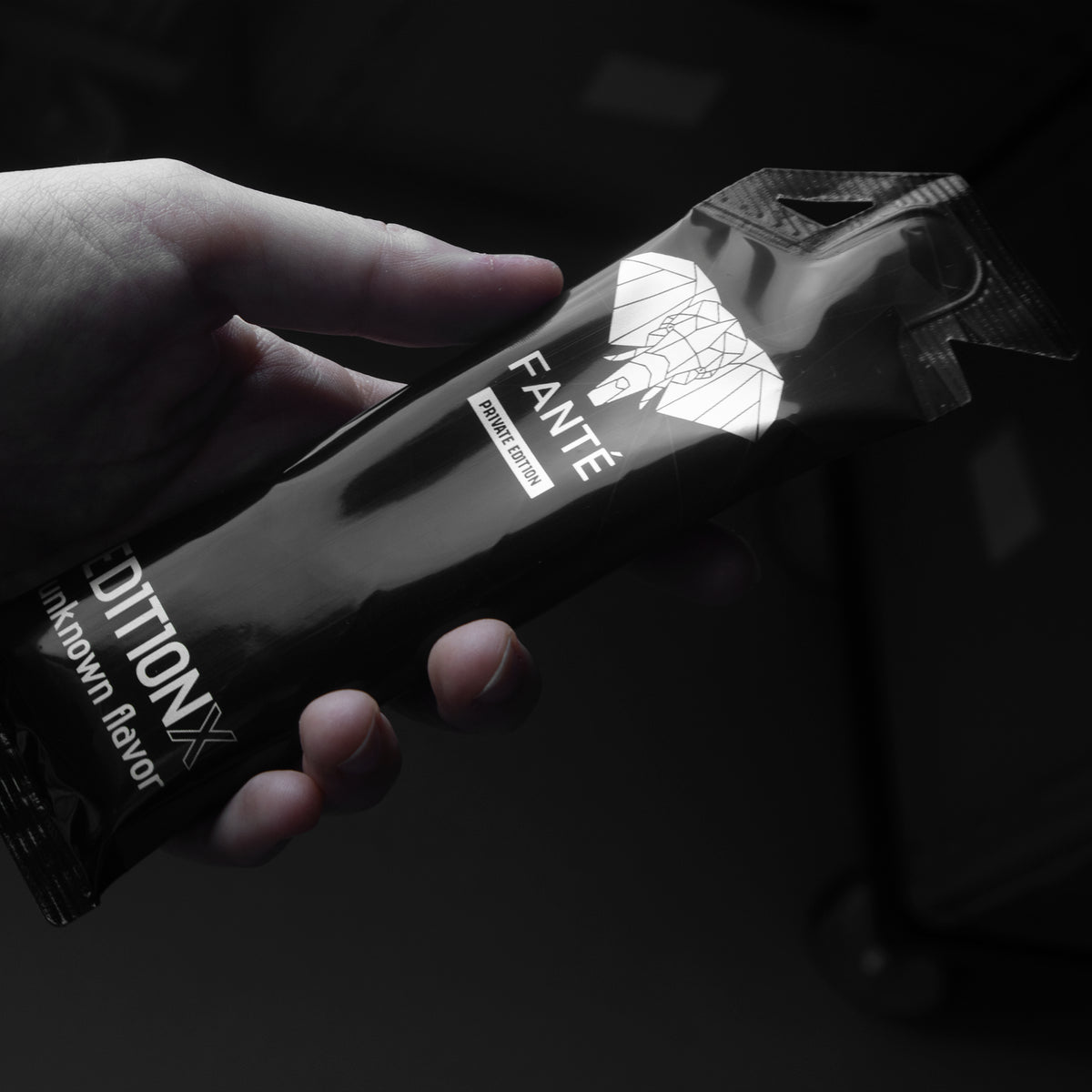
Edition X
- 45 grams of carbohydrates per unit
- 300 mg of sodium to optimize your hydration
- 1:0.8 ratio according to current scientific evidence
Bestseller
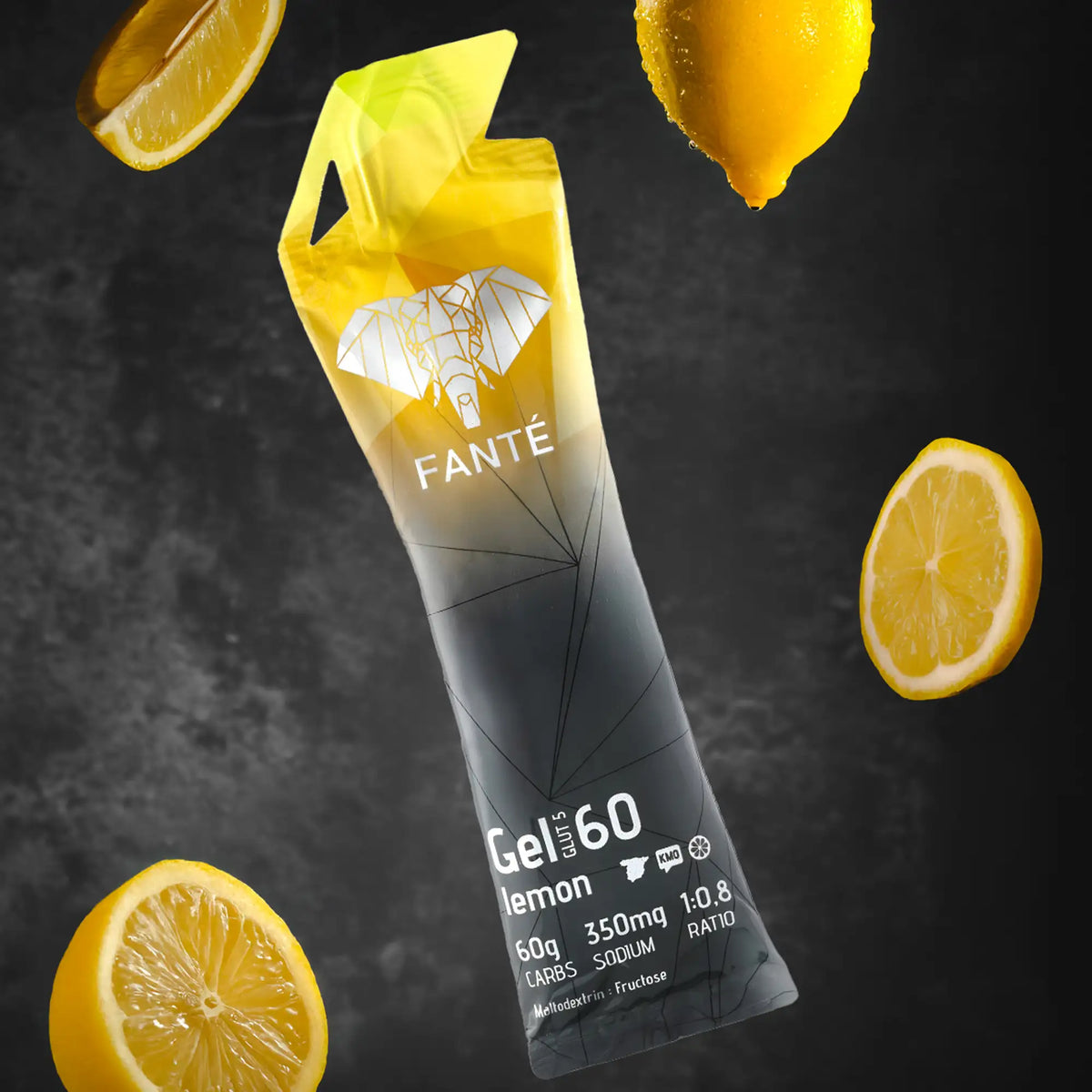
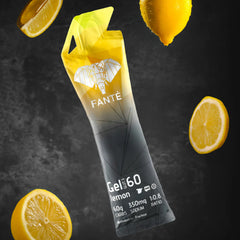
Gel 60
- 60 grams of carbohydrates per unit
- 350–400 mg sodium to optimize your hydration
- 1:0.8 ratio according to current scientific evidence
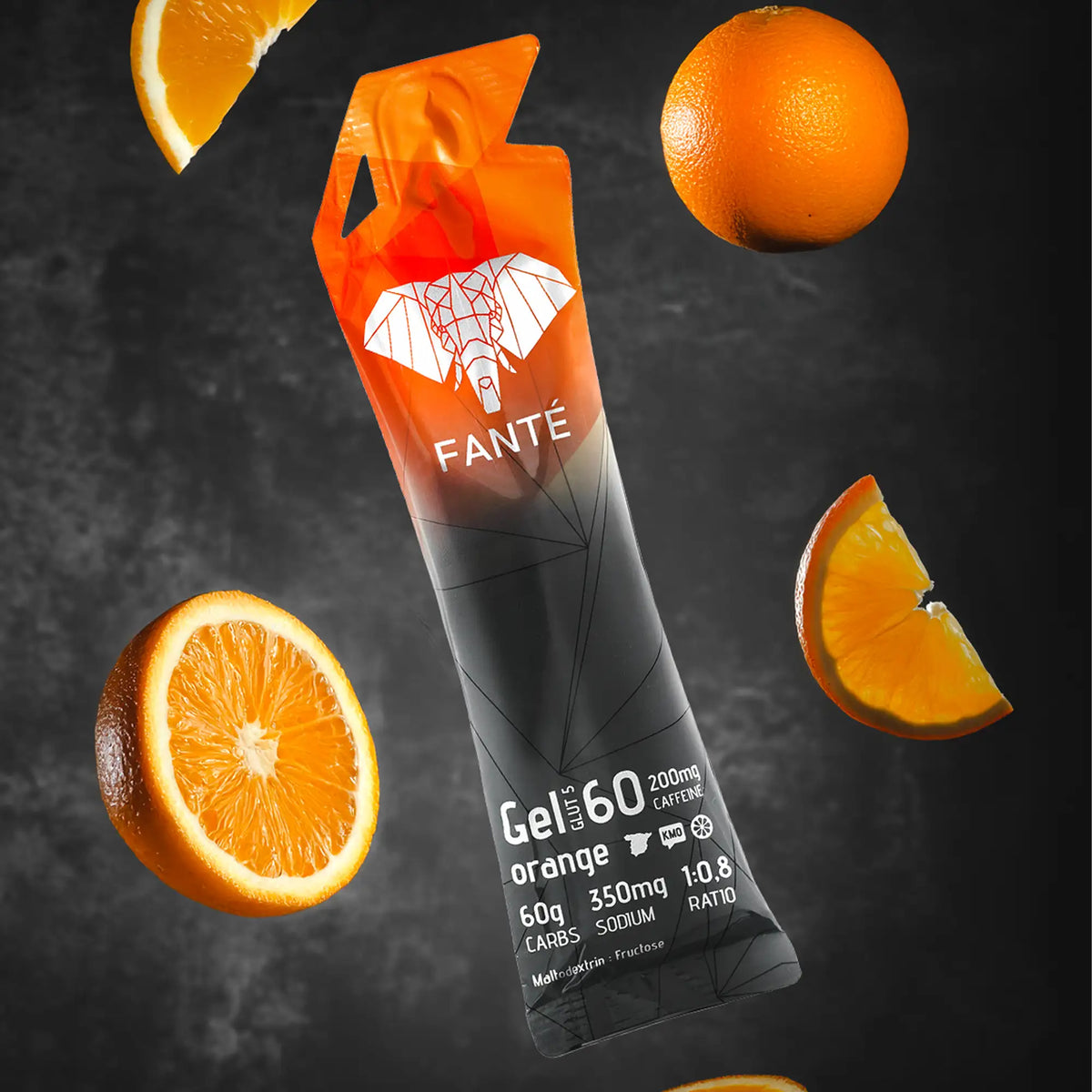

Gel 60 Caffeine
- 60 grams of carbohydrates per unit
- 350 mg of sodium to optimise your hydration
- 200 mg of anhydrous caffeine
Best-seller
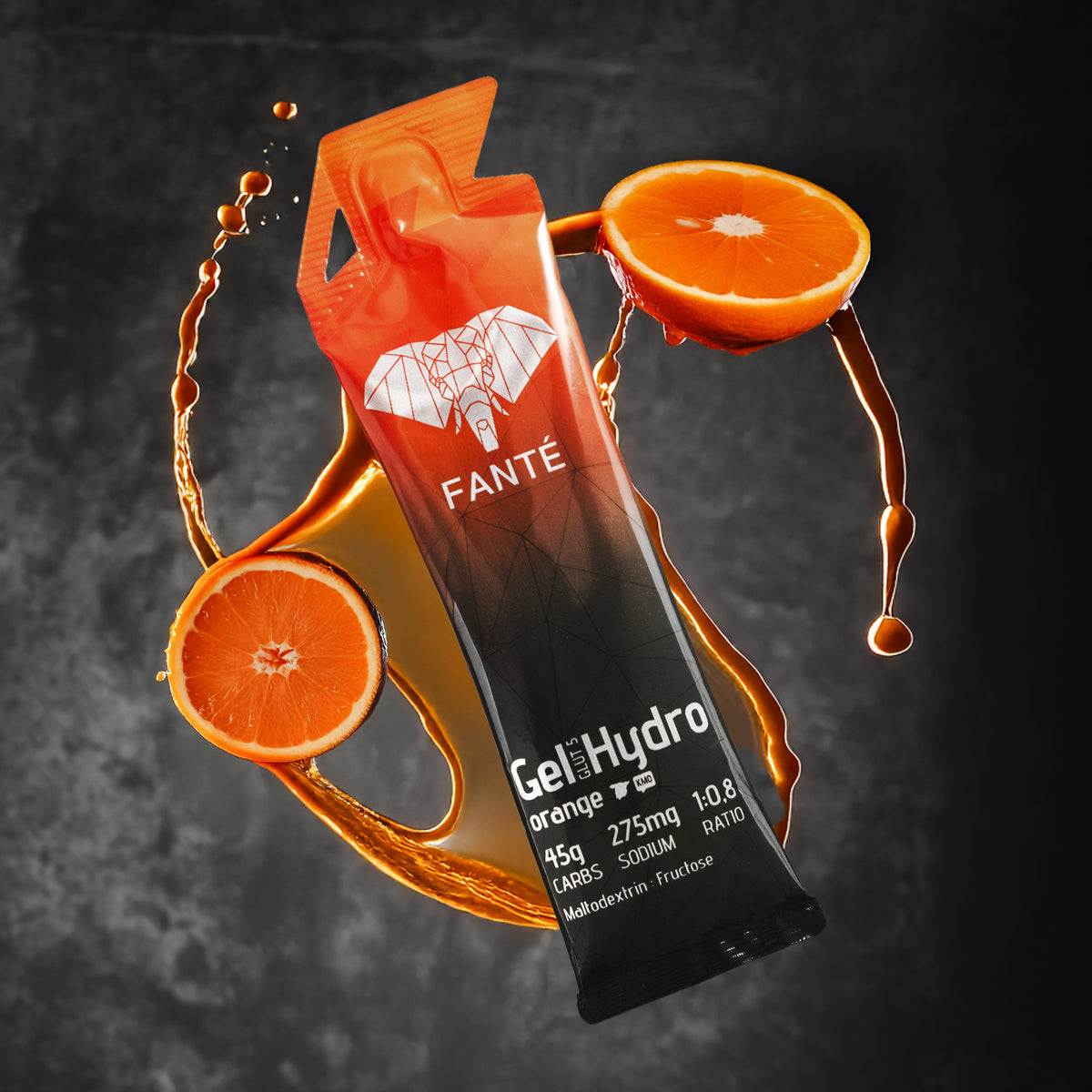
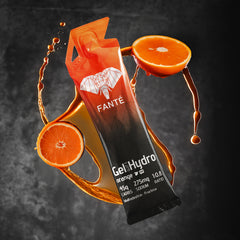
Hydro Gel 45
- 45 grams of carbohydrates per serving
- 275 mg of sodium to optimise your hydration
- A liquid texture with Valencian orange juice
New
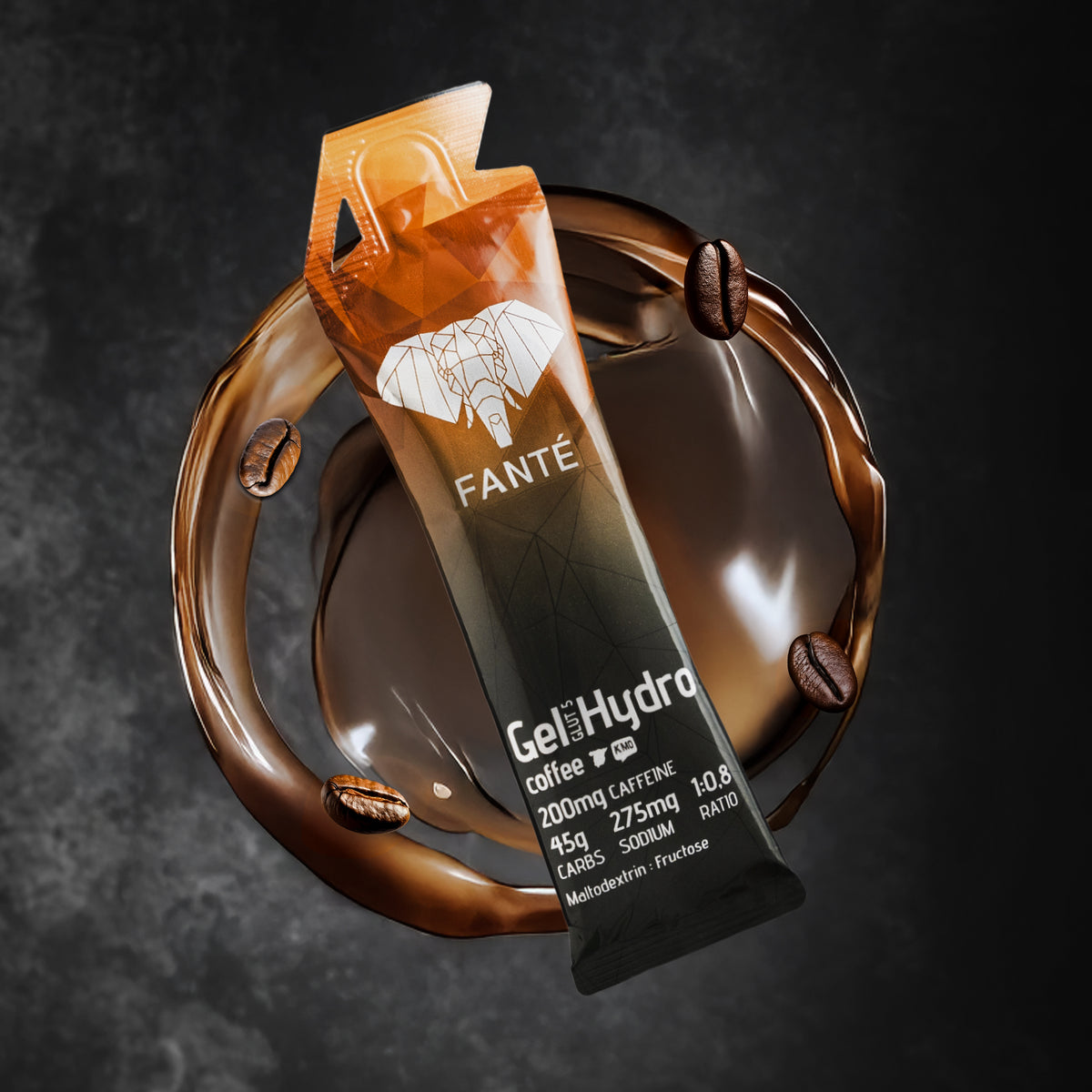
Hydro Gel 45 Caffeine
- 35 grams of carbohydrates per unit
- 200mg of sodium to optimize your hydration
- Liquid texture
Best-seller
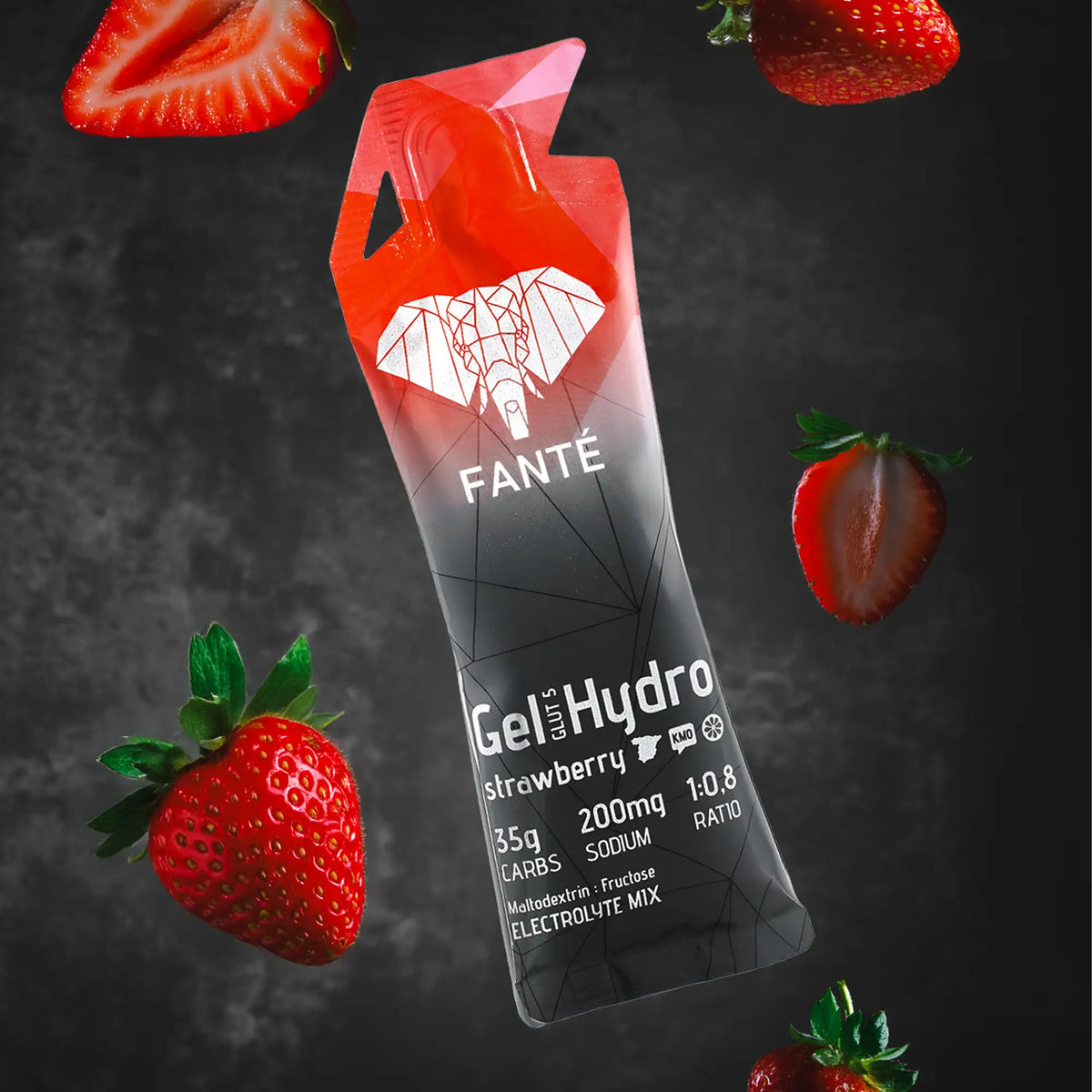

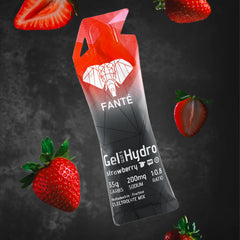
Hydro Gel 35
- 35 grams of carbohydrates per unit
- 200mg of sodium to optimize your hydration
- Liquid texture


Gel Lite 30
- 30 grams of carbohydrates per unit
- Provides 175 mg of sodium to optimize your hydration
- Ratio 1:0.8 according to current scientific evidence

Gel Lite 30 Caffeine
- 30 grams of carbohydrates per unit
- Provides 175 mg of sodium to optimize your hydration
- 100mg of anhydrous caffeine
Cycling gels formulated to perform better on the bike
During a bike ride, especially as duration or intensity increases, nutrition strategy becomes increasingly important. Energy gels for cycling allow you to incorporate carbohydrates in a practical way while pedaling and precisely control the amount consumed.
The FANTÉ range has different carbohydrate contributions per unit. You can find Gel Lite 30, with 30g of carbohydrates; Hydro 35, with 35g; Hydro 45, with 45g; and Gel 60, with 60g of carbohydrates.
This variety allows you to combine different cycling gels based on each cyclist's nutritional goal. Someone doing a short workout does not need the same strategy as someone facing several hours on the bike or participating in a long-distance event.
Additionally, different references use combinations of carbohydrates such as maltodextrin and fructose. The choice of gels for bike rides should be made taking into account the total carbohydrate intake per hour, the drinks and foods used, and the athlete's individual tolerance.
Sustained energy with the best cycling gels
Choosing the best energy gels for cycling does not mean always using the gel that provides the most carbohydrates. What matters is that each product fits into the nutritional strategy you are going to follow during the ride or competition.
For those who need to concentrate a larger amount of carbohydrates in each intake, Gel 60 provides 60g per unit. Other cycling gels, such as Lite 30, Hydro 35, or Hydro 45, allow for distributing intake through different amounts.
Some references are formulated by combining maltodextrin and fructose in a 1:0.8 ratio, a particularly interesting combination when planning high carbohydrate intakes during prolonged efforts.
That is why we recommend thinking in grams of carbohydrates per hour and not just in the number of gels. Cycling energy gels must be accounted for along with carbohydrates from drinks, bars, and other foods consumed on the bike.
Mountain biking gels: Energy without discomfort
Mountain biking adds factors such as elevation, technical terrain, constant changes in intensity, and routes that can last for several hours. Therefore, the nutritional strategy must be adapted to the characteristics of each route or competition.
A mountain biking energy gelallows you to easily carry and consume carbohydrates even when the route makes it difficult to use other food formats. In MTB, having products that are easy to carry in your jersey, backpack, or vest makes it easier to organize intakes during the ride.
FANTÉ's energy gels for cycling offer different amounts of carbohydrates and textures to adapt your strategy. You can concentrate a larger amount of carbohydrates in certain intakes or distribute them using formats with smaller amounts.
Especially on long routes and MTB events, we recommend testing these gels beforehand during training. Digestive tolerance is individual and the strategy you will use in competition must be trained before the day of the event.
Preguntas frecuentes
¿Cuántos geles necesito en una salida en bicicleta?
La cantidad de geles energéticos para ciclismo dependerá de la duración e intensidad de la salida, del aporte de carbohidratos de cada gel y del resto de productos que formen parte de tu estrategia.
No es equivalente utilizar un gel que aporte 30 g de carbohidratos que uno que aporte 60 g. Además, si utilizas bebidas con carbohidratos, barritas energéticas u otros alimentos, también debes contabilizarlos dentro del aporte total.
Por eso, antes de calcular cuántos geles para ciclismo llevar, recomendamos establecer el objetivo de carbohidratos de la salida y distribuirlo entre los diferentes productos que vas a utilizar.
- Si es un entrenamiento suave de menos de 1 hora, no haría falta consumir nada, solo hidratación, si superas las 2 horas, te recomendamos 1 gel Hydro 35 o Lite 30 por hora.
- Si el entrenamiento es intenso, nuestra recomendación sería 1 gel 60 o hydro 45 cada 30 o 45 minutos.
¿Cuándo tomar un gel energético en ciclismo?
El momento de tomar los geles energéticos para ciclismo dependerá de la duración del ejercicio, la intensidad y la estrategia nutricional establecida.
En salidas y competiciones donde esté previsto consumir carbohidratos durante el ejercicio, es preferible planificar las ingestas de forma anticipada en lugar de esperar a sentir una falta de energía para comenzar a comer.
La frecuencia dependerá de los gramos de carbohidratos aportados por cada producto y del resto de geles para las salidas en bicicleta, bebidas o alimentos incluidos en la estrategia.
La recomendación general, sin entrar en detalle a las características del deportista, sería 1 gel 60 por hora o 1 gel hydro 45 por cada 45 minutos como mínimo. Atletas más avanzados entrarían en estrategias más avanzadas de carbohidratos.
¿Qué geles para ciclismo de montaña recomiendas para rutas largas?
Para este tipo de rutas no existe un único gel energético para ciclismo de montaña adecuado para todos los ciclistas. La elección dependerá del objetivo de carbohidratos, duración, intensidad, tolerancia individual y resto de la nutrición utilizada.
FANTÉ dispone de geles energéticos para ciclismo con diferentes aportes, desde 30 hasta 60 g de carbohidratos por unidad, lo que permite combinar formatos dentro de una misma ruta.
En recorridos de varias horas también puedes alternar geles energéticos con bebidas de carbohidratos, barritas u otros alimentos según tu estrategia y preferencias.
¿Los geles para bicicleta de FANTÉ llevan cafeína?
FANTÉ dispone de geles energéticos con y sin cafeína. Esto permite elegir qué referencias utilizar según el entrenamiento, competición y estrategia individual.
No es necesario que todos los geles energéticos para ciclismo utilizados durante una salida contengan cafeína. Las versiones con cafeína pueden reservarse para determinados momentos cuando su utilización esté contemplada dentro de la planificación.
También debe tenerse en cuenta la cafeína procedente de otras fuentes para controlar la cantidad total consumida durante el ejercicio.
Puedes elegir entre 100 mg de cafeína en la versión LITE, 150 mg de cafeína en la versión HYDRO 45 y 200 mg de cafeína en la versión Gel 60.
¿Los geles de ciclismo FANTÉ son aptos para veganos y celíacos?
Nuestra gama de geles es apta para veganos y es sin gluten, por lo que no tendrías problemas en consumir cualquier tipo.