What nutrition do you need to take on a trail? Gels, hydration, and energy
Trail nutrition must be planned around three main elements: carbohydrates to provide energy, fluids to maintain adequate hydration, and electrolytes to manage losses caused by sweating.
But there is no one-size-fits-all nutritional pack for every runner. The duration of the trail, elevation gain, intensity, temperature, aid stations, and your digestive tolerance will determine what you actually need to carry.
In this guide, we explain how to organize your trail running nutrition, which gels to carry, when to use sports drinks, and how to combine gels, gummies, and chewable formats during mountain races.
[[COMUNIDAD_CTA]]
What nutrition do you need to take on a trail?
Before thinking about specific products, organize your strategy around the needs you will have during the race.
| Need | Goal | Possible formats |
|---|---|---|
| Carbohydrates | Provide energy during exercise | Gels, carbohydrate drinks, Carbo Gummy, Pâte de Fruit |
| Fluids | Maintain adequate hydration | Water, isotonic drinks |
| Sodium and electrolytes | Manage losses produced through sweat | Electrolyte drinks and specific products |
The fundamental idea is simple: you don't need to fill your vest with random products. First, calculate what you need approximately per hour, and then select the formats that allow you to fulfill that strategy.
How many carbohydrates do you need during a trail?
Carbohydrates play a fundamental role in endurance sports. The longer the duration of the exercise, the more important it becomes to plan their intake during the competition.
In prolonged efforts, strategies reaching approximately 60–90 g of carbohydrates per hour can be used, especially when the duration and intensity justify it. This does not mean that every runner should start directly at those amounts.
Intake must be adapted to your level, expected duration, and, especially, what you have previously trained.
Why do you need carbohydrates during a trail?
During exercise, we use different fuels, including carbohydrates stored in the form of muscle and liver glycogen. These reserves are limited.
Consuming carbohydrates during prolonged efforts provides an external source of energy and helps maintain availability as exercise duration increases.
That is why, in long mountain races, it is not advisable to wait until you feel like you have run out of energy to start eating. Nutrition should be part of the strategy from the first phases of the race.
How many grams of carbohydrates per hour should you take in trail running?
There is no universal figure. In shorter races, needs may be lower, while in efforts lasting several hours, it may make sense to work progressively toward higher intake levels.
The important thing is to understand that:
carbohydrates per hour ≠ number of gels per hour.
To correctly calculate your intake, you must add up all the carbohydrates you consume:
- energy gels;
- carbohydrate drinks;
- energy gummies;
- bars or Pâte de Fruit;
- other foods used during the race.
If you want to use a high-carbohydrate strategy, you must have practiced it previously during training.
Which gels to carry for a trail?
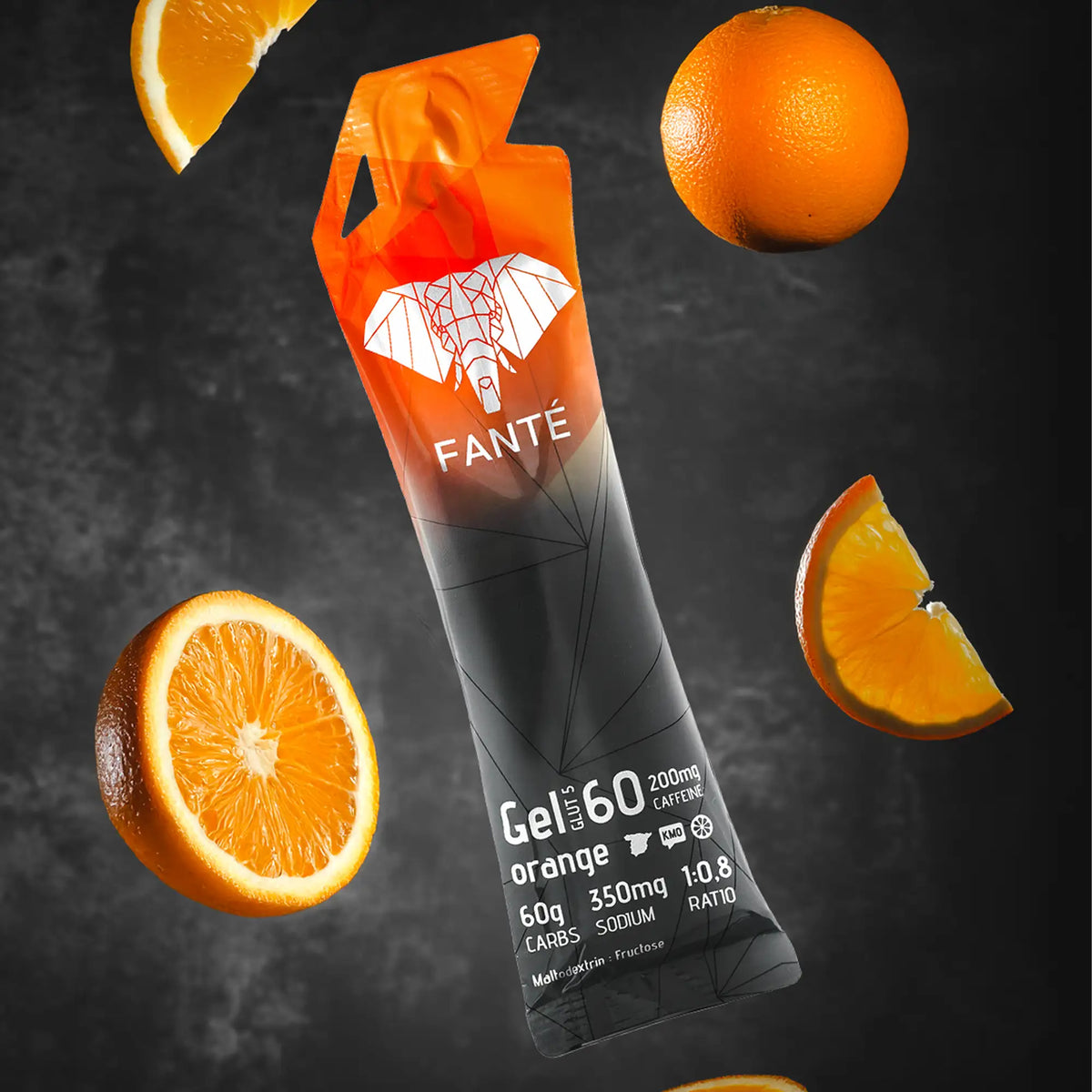
Energy gels for trails are one of the most practical formats for transporting carbohydrates in the mountains because they take up little space, allow you to know exactly how much you are consuming, and are easy to incorporate into an hourly strategy.
The choice depends fundamentally on how many carbohydrates you need in each intake, what texture you prefer, and what other products you are going to consume.
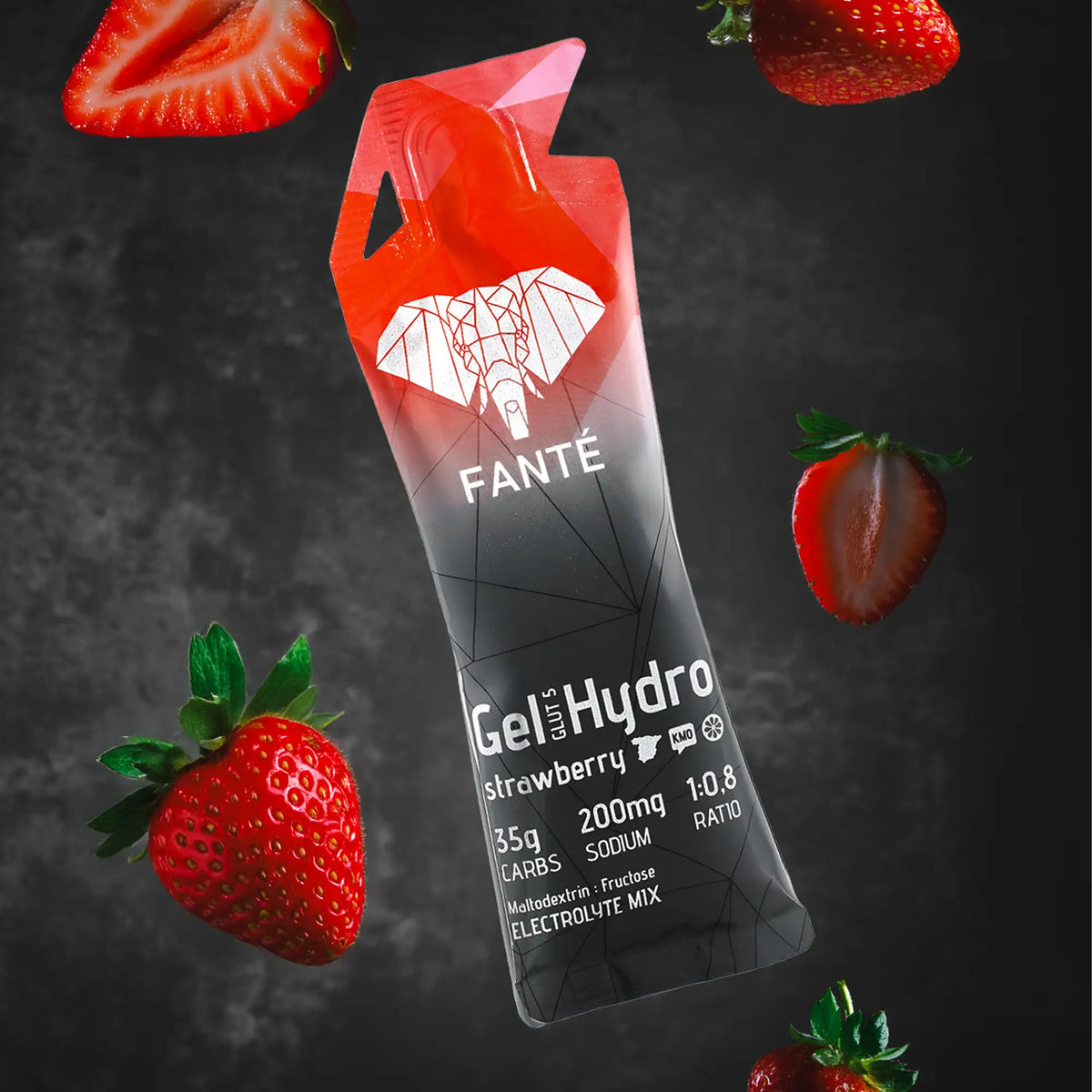
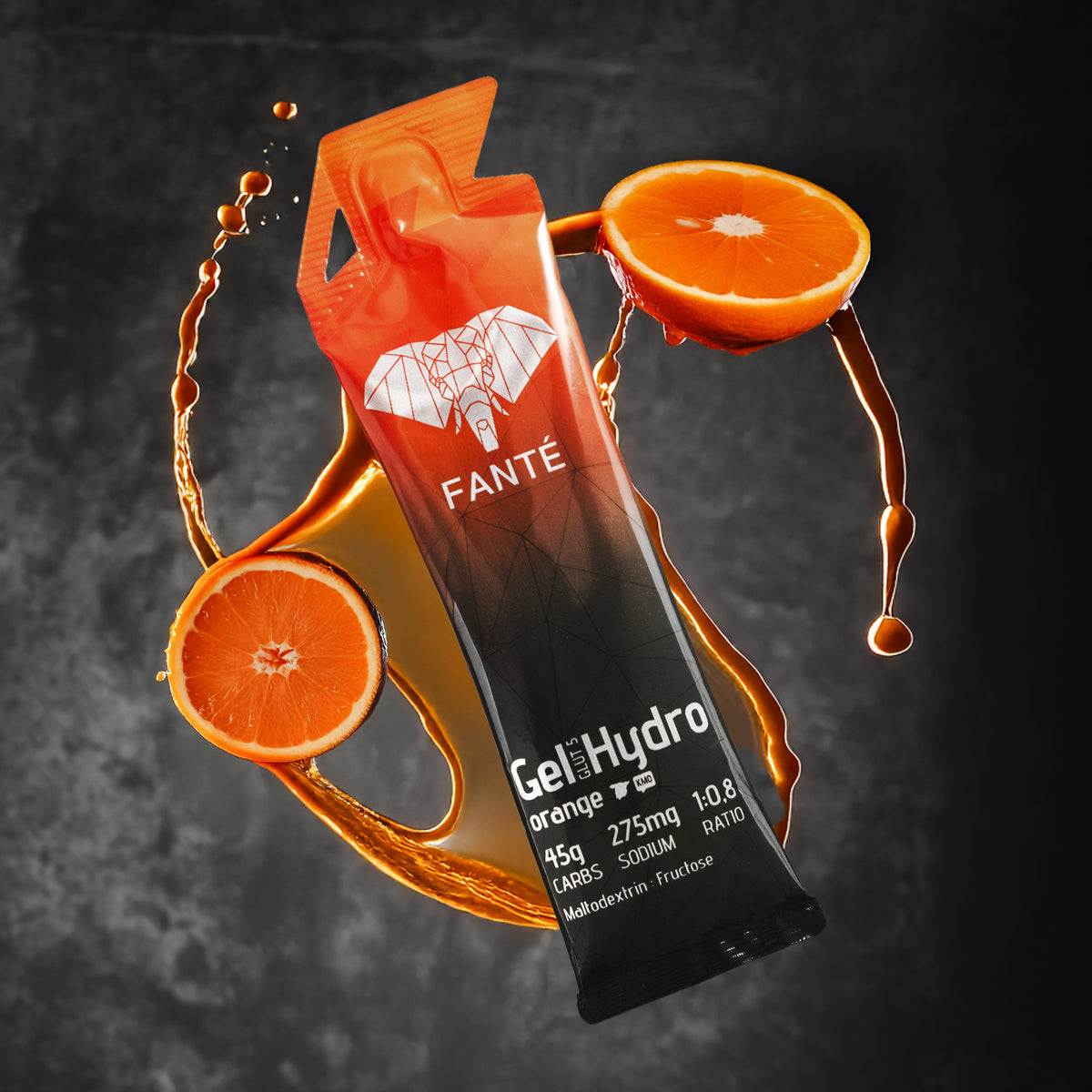
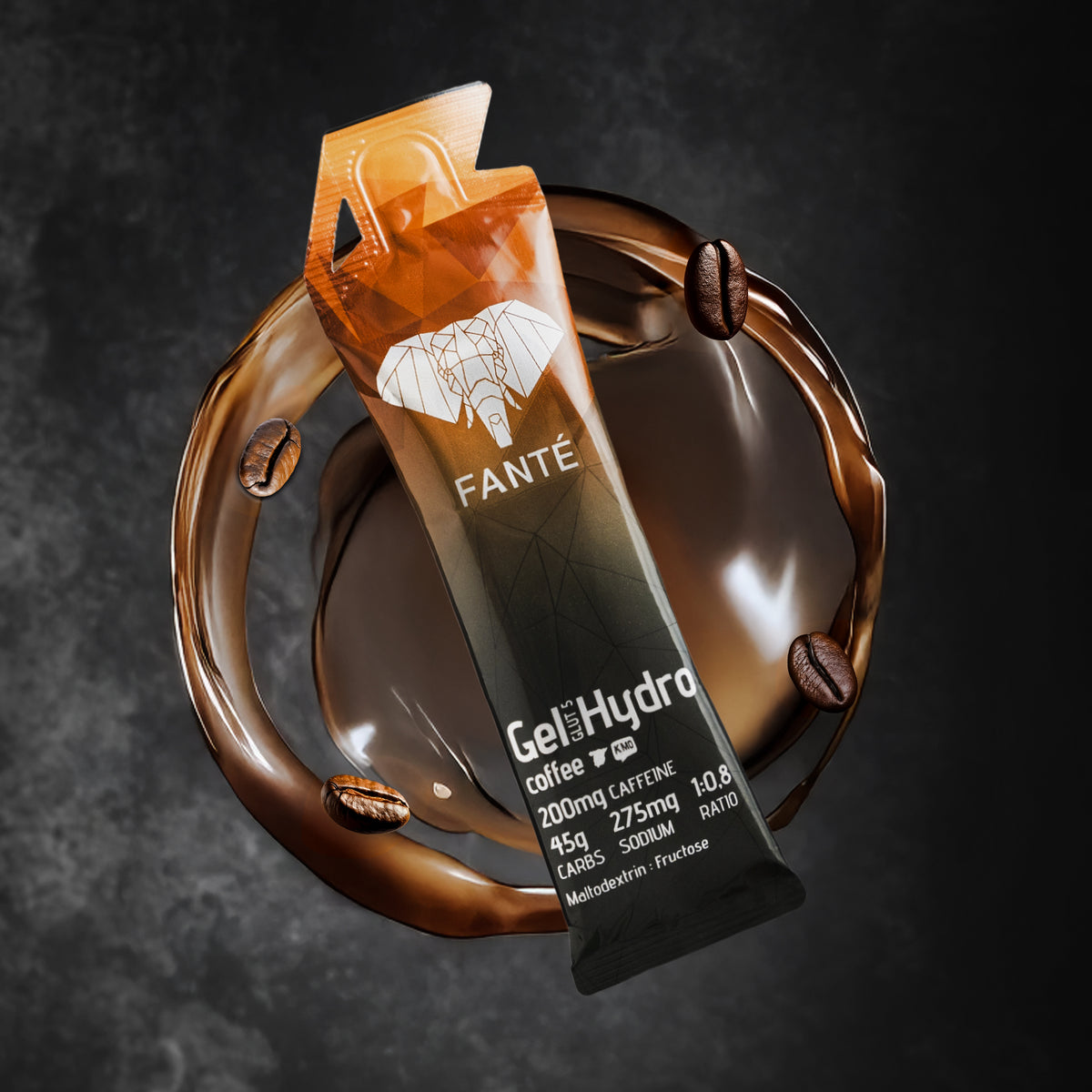
At FANTÉ, you can find different amounts of carbohydrates per unit, which allows you to adapt the gels to different trail running strategies.
Discover FANTÉ's energy gels for trail running.
30, 35, 45, or 60 g carbohydrate gel?
There is no single best amount by definition. The difference lies in how you want to distribute the carbohydrates during the race.
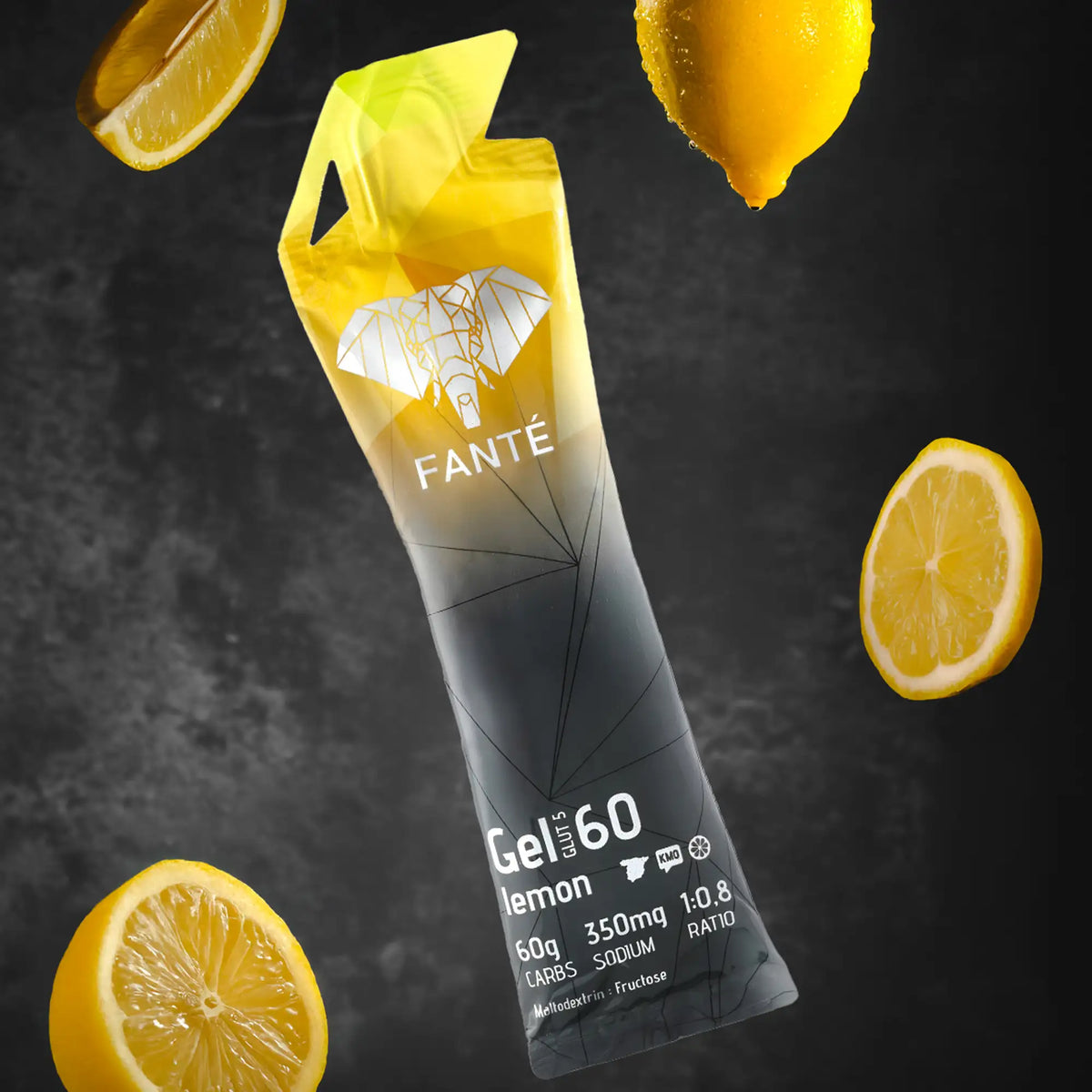
A gel with a lower amount of carbohydrates allows for smaller, more frequent intakes. A gel like Gel 60, with 60 g of carbohydrates, allows you to concentrate a larger amount into a single unit.
This can be especially practical when you are looking to reduce the total number of gels you need to carry during a long race.
[[PRODUCTO:gel-hydro-35]]
When to choose a Hydro gel for a trail?
Hydro formats have a more fluid texture than other more concentrated gels. Some runners prefer this format when running at high intensities or when they want to vary the texture during a race.
That does not mean that a more liquid texture automatically guarantees better digestive tolerance. Tolerance is individual and must be verified during training.
When to use a caffeine gel on a trail?
Caffeine can be part of an endurance strategy, but it must be planned according to the total amount ingested, individual sensitivity, and the duration of the race.
It is not necessary for all your gels to contain caffeine. You can use caffeine-free gels during most of the race and reserve specific intakes with caffeine for predefined moments.
And, as with the rest of your nutrition, do not debut a caffeine strategy on the day of the competition.
What to drink during a trail: water, isotonic, or electrolytes?
Hydration in trail running should not be organized around an identical figure for all runners.
The amount of fluid you need depends on factors such as temperature, humidity, intensity, duration, body size, and especially your individual sweat rate.
Drinking too little or too much can cause problems. The goal is to find an individualized and previously tested hydration strategy.
How much water do you need during a trail?
Instead of assuming you need to drink a fixed amount every hour, observe how you respond in training sessions similar to the competition.
Factors like heat and humidity can considerably increase fluid loss, while in cold conditions needs may be lower.
You should also keep the location of aid stations in mind. It makes no sense to carry more fluid than necessary if the race allows you to refill your soft flasks frequently.
When to use an isotonic drink?
An isotonic drink can fulfill two functions simultaneously: provide fluid and provide carbohydrates and electrolytes, depending on its formulation.
This is important because the carbohydrates provided by the drink must also be included in your total hourly calculation.
For example, if your goal is to reach 70 g of carbohydrates per hour and some of them come from the drink, you will need fewer carbohydrates from gels or other products.
Check out FANTÉ's hydration and sports drink options.
[[PRODUCTO:glut-5-drink]]
How much sodium do you need during a trail?
Sodium is the main electrolyte lost through sweat, but losses vary greatly between people.
They also change according to how much you sweat, the sodium concentration of your sweat, the temperature, and the duration of the exercise. Therefore, trying to replenish exactly a universal amount of sodium is not an appropriate strategy for everyone.
In long or hot races, it may become more important to consider sodium in your planning, especially for runners with high sweat rates.
Gels only? Gummies and Pâte de Fruit to vary nutrition
A trail nutrition strategy does not have to be built exclusively around gels.
As duration increases, some runners prefer to combine different flavors and textures. Energy gummies and chewable formats can allow you to introduce carbohydrates in other ways within the same strategy.
Available evidence indicates that different food sources or carbohydrate supplements can be used during endurance exercise, provided they allow you to reach your intended intake and are well-tolerated.
Carbo Gummy as a carbohydrate source
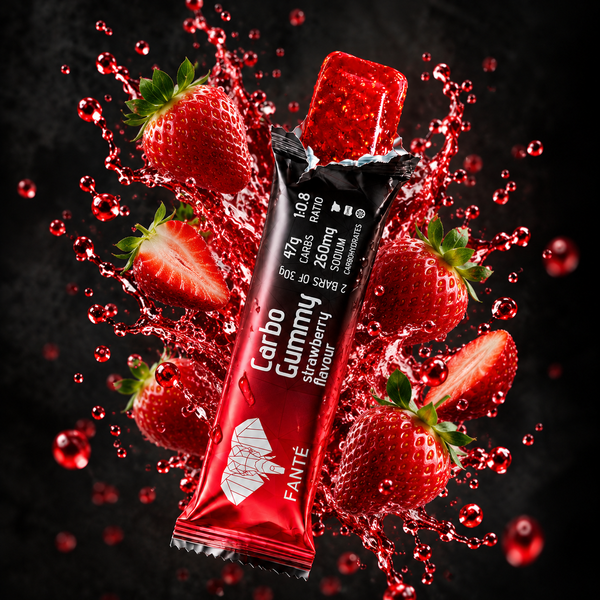
FANTÉ's Carbo Gummy provides 45 g of carbohydrates in a chewable format and can be used as an alternative or complement to gels within a trail strategy.
For example, you can alternate between gels and gummies during a race to introduce different formats without losing sight of your total hourly carbohydrate goal.
[[PRODUCTO:carbo-gummy]]
You can also check our guide on energy gummies for long training sessions to understand the differences between carbohydrate and electrolyte formats.
Pâte de Fruit Energy Bar as a chewable format
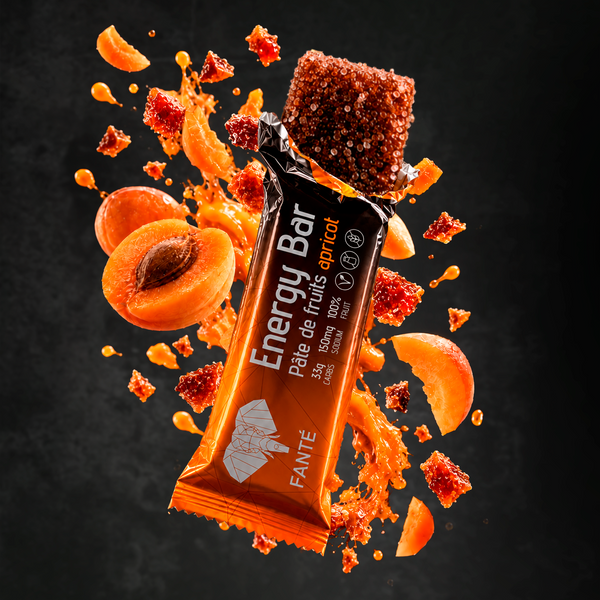
FANTÉ's Pâte de Fruit Energy Bars allow you to introduce another chewable format into races and endurance training.
They can be especially interesting when you are looking to vary flavor and texture during multi-hour efforts, combining them with gels, drinks, or other carbohydrate sources.
[[PRODUCTO:energy-bar-pate-de-fruit]]
What nutrition to carry according to the trail's duration?
The expected duration of the race considerably changes the amount of nutrition you need to carry and the level of planning required.
| Approximate duration | What to prioritize | Possible formats |
|---|---|---|
| Less than 2 hours | Simple carbohydrate and hydration strategy | Gel, water and/or sports drink according to needs |
| 2–4 hours | Regular carbohydrate intake + planned hydration | Gels, drink, gummies, and electrolytes |
| 4–6 hours | Greater planning and variety of formats | Gels + drink + Carbo Gummy + Pâte de Fruit |
When the race begins to clearly exceed these durations, we enter another nutritional scenario. In an ultra-trail, managing solid food, taste fatigue, aid stations, and many consecutive hours of intake becomes even more important.
We have developed that scenario specifically in our ultra-trail nutrition guide.
Nutrition for a trail of less than 2 hours
On a relatively short trail, the strategy can remain simple. The need to provide carbohydrates will depend on the actual duration, intensity, and previous food intake.
You don't need to carry five different products just because it's a mountain race. The shorter the race, the simpler the strategy can be.
Nutrition for a trail of 2 to 4 hours
From several hours of duration, it becomes more important to carry out regular carbohydrate intake and plan the fluids available between aid stations.
Here you can combine gels with a carbohydrate drink and, if you prefer, introduce chewable formats like Carbo Gummy or Pâte de Fruit.
Nutrition for a trail of 4 to 6 hours
As the duration continues to increase, the strategy begins to require more detailed planning.
You must calculate the total amount of carbohydrates you will need, what portion you will carry from the start, and what you can replenish at the aid stations.
It can also be practical to alternate gels, drinks, and chewable formats to avoid depending on a single product during the entire race.
Example: what nutrition to carry for a 4-hour trail?
Let's imagine a runner who estimates completing their race in approximately four hours and who has already trained a carbohydrate strategy during their long runs.
Before deciding how many products to carry, they should calculate:
- approximate hourly carbohydrate goal;
- total carbohydrates for the four hours;
- what amount will come from gels;
- what amount will come from drinks or chewable formats;
- where they can replenish water along the route.
A possible combination could include several gels, one Carbo Gummy or Pâte de Fruit, and a sports drink. The specific combination will depend on the hourly goal and the grams of carbohydrates provided by each product.
For example, if you use a carbohydrate drink, those grams must be subtracted from the amount you need to cover with gels.
The goal is not to carry more products. It is to carry the amount necessary to execute exactly the strategy you have trained.
Frequent mistakes with trail nutrition
- Debuting gels, drinks, or bars on the day of the race.
- Calculating the number of gels without calculating the carbohydrates per hour.
- Not accounting for the carbohydrates present in the sports drink.
- Copying another runner's nutritional strategy.
- Drinking fixed amounts without considering temperature and sweat rate.
- Forgetting to plan for fluids between aid stations.
- Using caffeine without having tested it previously.
- Trying to reach high carbohydrate intakes without having trained them.
- Carrying so many products that the strategy becomes difficult to execute during the race.
Frequently asked questions about trail nutrition
What to eat during a trail?
During a trail, you can use different carbohydrate sources such as gels, sports drinks, gummies, or chewable formats. The choice depends on the duration of the race, the intensity, the amount of carbohydrates you seek to ingest, and your individual tolerance. The longer the race, the more important it is to plan the strategy beforehand and test the products during training.
How many gels to carry for a trail?
You shouldn't calculate it solely by the number of gels. First, establish approximately how many grams of carbohydrates you need each hour, multiply them by the expected duration, and subtract the carbohydrates from drinks, gummies, or food. Then you can calculate how many gels you need to carry.
How often to take a gel in trail running?
There is no universal interval. It depends on how many carbohydrates the gel provides and the total intake goal per hour. A 30 g gel and a 60 g gel should not necessarily be used with the same frequency. The important thing is to distribute carbohydrates regularly during the race and to have rehearsed that pattern beforehand.
How many carbohydrates per hour to take on a trail?
The amount depends on the duration, intensity, and nutritional experience. In prolonged exercises, strategies of approximately 60–90 g of carbohydrates per hour can be used when they are justified and previously trained. Runners who do not yet tolerate those amounts should work progressively during training sessions instead of introducing them directly in competition.
Is it better to drink water or isotonic during a trail?
It depends on the rest of your strategy. Water provides fluid, while an isotonic drink can also provide carbohydrates and electrolytes. If you use an isotonic drink, you must account for its carbohydrates within your total hourly intake. You do not necessarily have to choose one or the other during the entire race: they can be used at different times according to your needs.
Can I combine gels and bars during a trail?
Yes. Different carbohydrate formats can be combined within the same strategy. Gels, gummies, Pâte de Fruit, and drinks can be used together as long as you control the total amount ingested and have previously tested the combination. The choice will also depend on the intensity: chewing can be more comfortable at some times than others.
What to eat on a trail of more than 6 hours?
When the duration clearly exceeds six hours, factors such as variety of food, aid stations, taste fatigue, tolerance to many consecutive hours of intake, and the possibility of introducing different types of food become more important.
For this reason, ultra-trail nutrition deserves specific planning. In our next guide, we will explain what to eat during an ultra-trail and how to organize nutrition for long-distance races.
Conclusion: prepare your trail nutrition just as you prepare for the race
A good trail nutrition strategy is not about stuffing your vest with gels the night before a competition.
First, you must understand your carbohydrate, fluid, and electrolyte needs. Then, select the products that allow you to reach those goals and test them during your training.
Gels, drinks, gummies, and fruit paste are different tools that can all be part of the same strategy.
The best trail nutrition is the one you have planned, trained for, and are able to execute when the elevation gain, fatigue, and hours of racing set in.
[[COMUNIDAD_CTA]]