
Avoiding stopping to urinate on long runs: a real strategy for runners and cyclists
Avoiding stopping to urinate on long runs is one of the most common concerns for marathon runners, trail runners, and long-distance cyclists. It not only interrupts the pace but also breaks concentration and can disrupt the planned nutritional strategy.
Many athletes looking for how to avoid urinating while running believe that the solution is simple: reduce fluids. However, this decision can increase the risk of dehydration, performance loss, and cramps.
So, how can one avoid stopping to urinate on long runs without compromising health or performance?
The answer is not to drink less, but to optimize your hydration and electrolyte strategy.
[[COMUNIDAD_CTA]]
Why do you urinate so much on long runs?
If you notice that you start to urinate a lot during exercise, it's important to understand what is happening physiologically.
During prolonged exercise, several mechanisms are activated:
- Initial increase in renal blood flow
- Changes in antidiuretic hormone (ADH)
- Excessive water intake without sodium
- Pre-competition nervous stress
In many cases, the problem is not the total amount of fluid, but the low concentration of sodium in the drink. When only water or poorly formulated drinks are consumed, the body detects plasma dilution and responds by eliminating fluid.
In other words: the less sodium, the more likely you are to feel the urge to urinate while running.
The most common mistake: reducing fluids
Many people who want to avoid urinating in a marathon make the mistake of drastically reducing their prior hydration.
This can lead to:
- Increased urinary concentration
- Intense thirst at km 10–15
- Increased heart rate
- Loss of aerobic performance
To avoid stopping to urinate on long runs, the solution is not to eliminate fluids, but to adjust:
- Timing of intake
- Amount per hour
- Electrolyte concentration
Key 1: Adjusting hydration timing
An effective strategy to avoid stopping to urinate on long runs involves:
- Drinking normally up to 90 minutes before
- Reducing intake in the last 30–60 minutes
- Urinating just before starting, and practicing this
This allows you to start the run with adequate hydration without excessive bladder volume.
In important competitions, you can even plan a small urination 10–15 minutes before the start to reduce the urge to urinate while running in the first kilometers.
Key 2: Optimizing your electrolyte strategy
This is the most crucial point for avoiding stopping to urinate on long runs.
Sodium regulates fluid balance. When the drink contains enough sodium:
- Intestinal absorption is favored
- Plasma volume is maintained
- Unnecessary diuresis is reduced
Many cases of frequent urination during exercise are due to consuming water without electrolytes.
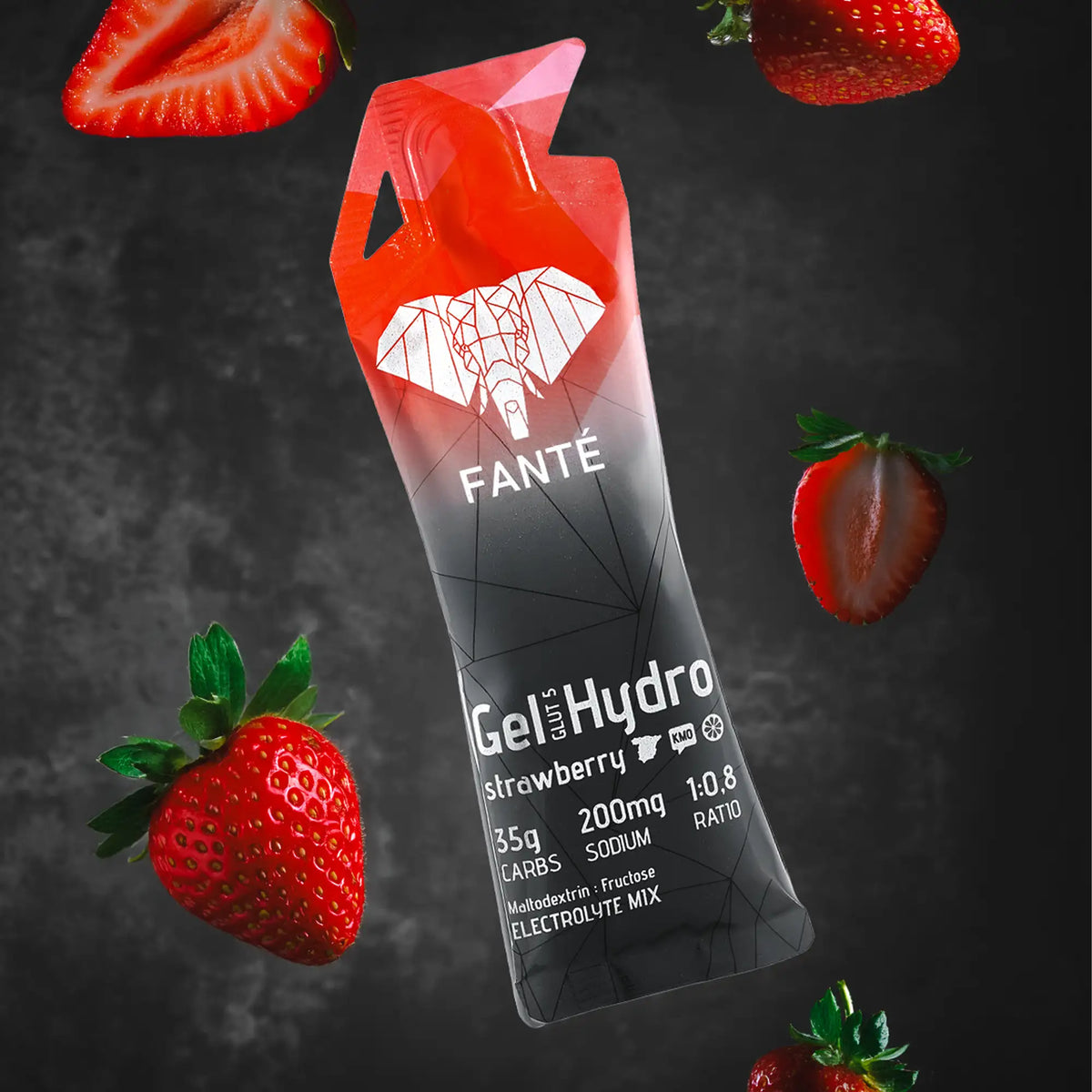
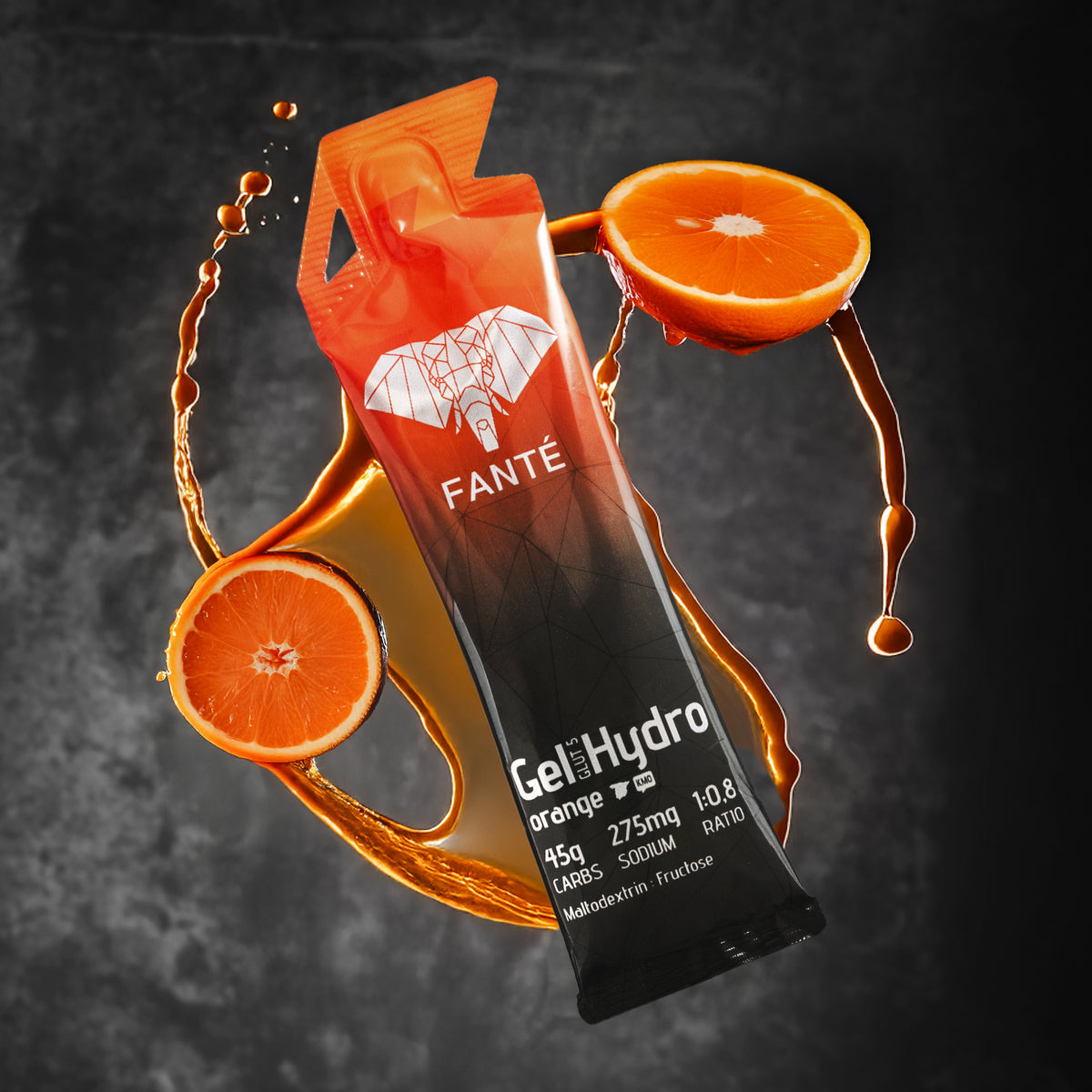
For sessions longer than 60–90 minutes, incorporating specific mixtures can make a difference. You can see specially formulated options designed according to the athlete's physiology, not marketing, here:
These products are designed to improve absorption and help you avoid stopping to urinate on long runs while maintaining physiological balance.
How much sodium should you consume?
It depends on your sweat rate.
In sessions longer than 60 minutes:
- 300–600 mg of sodium per hour is a functional range
- In hot weather, it can increase
- If white spots appear on clothing, you probably need more
Without enough sodium, the kidneys will eliminate excess ingested water, increasing urinary frequency.
[[PRODUCTO:iso-drink]]
Key 3: Avoid over-hydration
If you're looking for how to avoid urinating while running, you need to understand that over-hydration can cause:
- Constant feeling of a full bladder
- Dilution of plasma sodium
- Increased urinary frequency
- Risk of hyponatremia in extreme cases
An efficient strategy consists of:
- Drinking according to guided thirst
- Adjusting volumes to 400–600 ml/hour under normal conditions
- Prioritizing electrolyte drinks over plain water
This way you can avoid stopping to urinate on long runs without compromising your performance.
Key 4: Train your digestive system
The gastrointestinal system also adapts.
If you never drink during training and on the key day you decide to ingest large volumes, it is more likely that discomfort and urinary urgency will appear.
To avoid urinating in a marathon, it is advisable to:
- Practice the strategy on long runs
- Adjust volumes progressively
- Test combinations of gels and drinks
In training sessions longer than 90 minutes, combining carbohydrates and sodium improves absorption and reduces sudden fluctuations in fluid balance.
What about coffee before heading out?
Caffeine has a mild diuretic effect on unaccustomed individuals.
If you are sensitive:
- Avoid large amounts right before
- Try smaller doses
- Adjust the timing (40–60 min before)
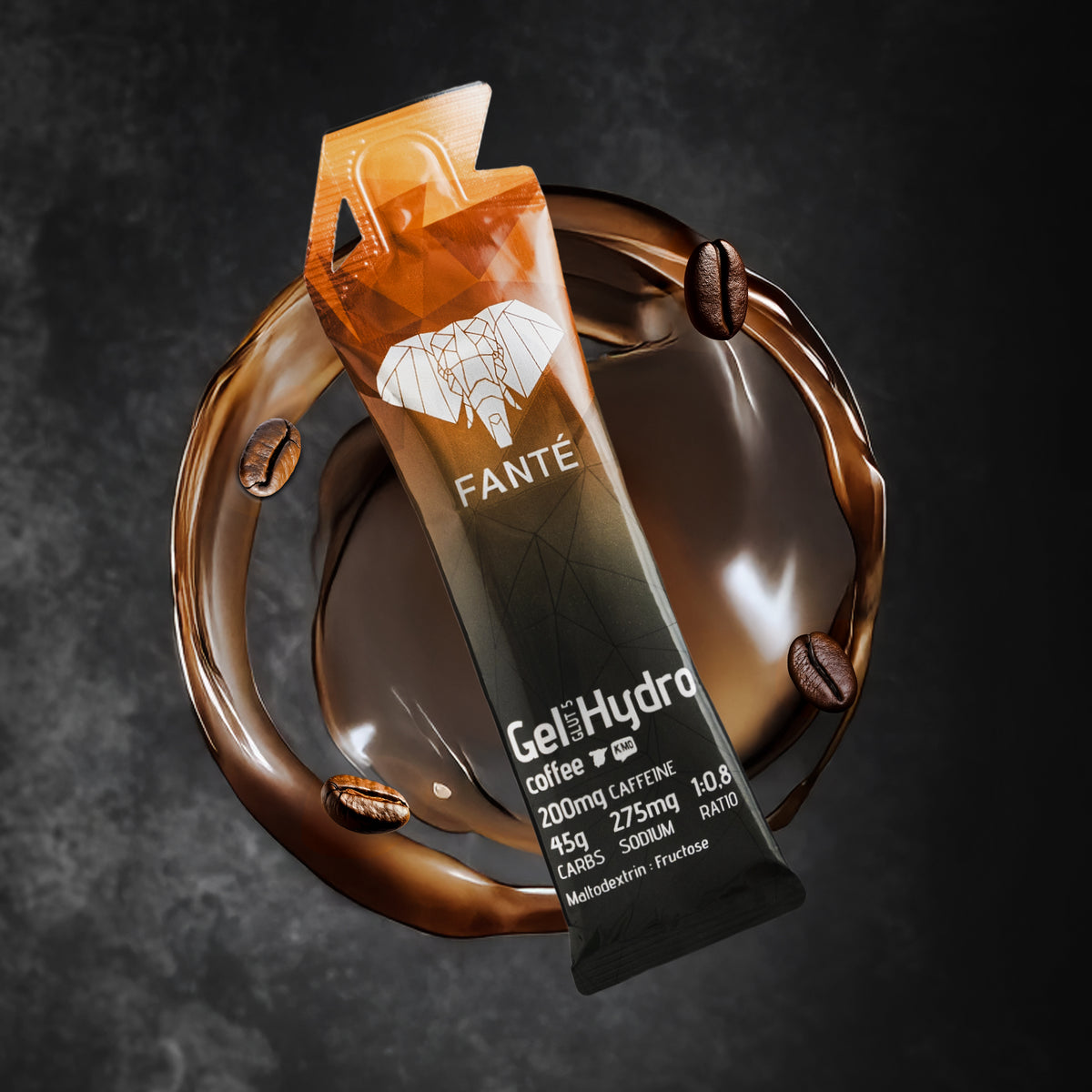
In adapted individuals, the diuretic effect is much less and is usually not the main reason for urinating a lot during exercise.
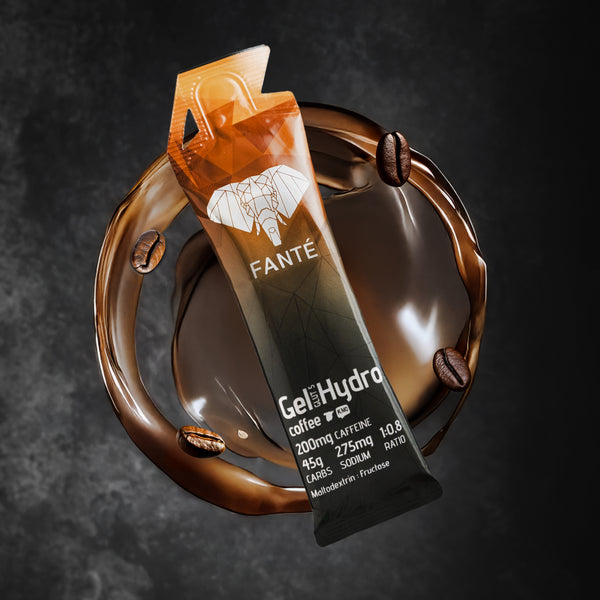
[[PRODUCTO:gel-hydro-45-cafeina]]
Practical summary: how to avoid urinating on long runs
To avoid stopping to urinate on long runs, you don't need to drink less. You need to drink better.
- Adjust pre-timing
- Don't eliminate fluids, optimize them
- Incorporate enough sodium
- Avoid over-hydration
- Train your strategy
The goal is not to "hold it in", but to maintain physiological balance.
When hydration is well planned, the body doesn't need to eliminate excess. And that means maintaining pace, concentration, and strategy intact until the end.
[[COMUNIDAD_CTA]]