A "pájara" (bonk) in cycling is a sudden drop in the ability to maintain effort that is usually related to insufficient carbohydrate availability, although in practice, other factors such as heat, dehydration, chosen pace, or accumulated fatigue can simultaneously play a role.
In summer, the problem can be especially evident. Pedaling in high temperatures increases thermal and cardiovascular stress and raises hydration needs. If you have also failed to correctly plan the carbohydrates you are going to consume during the ride, performance can deteriorate much sooner than expected.
The good news is that avoiding a bonk in cycling does not depend on improvising when the first symptoms appear. A prior strategy for carbohydrates (CHO), hydration, and pace adapted to the duration and intensity of the ride can reduce the risk of running out of energy at the worst possible moment.
What a bonk in cycling is and why it happens
The term "pájara" (bonk) in cycling is used colloquially to describe that moment when a cyclist experiences a very marked drop in performance, and maintaining a power output or pace that seemed manageable just a short time before becomes extremely difficult.
Carbohydrates are a fundamental fuel during endurance exercise, especially when intensity increases. The body has limited stores of muscle and liver glycogen, so in prolonged efforts, carbohydrate availability can become a limiting factor.
That is why the problem is not simply "running out of sugar." Fatigue during a long ride is multifactorial and can be conditioned by fuel availability, intensity, duration, hydration status, and environmental conditions.
Your strategy should start before you feel hungry. Arriving with adequate carbohydrate availability and consuming them during prolonged efforts allows for external fuel intake and helps sustain performance.
Symptoms of a bonk in cycling: How to recognize it before it's too late
The symptoms of a bonk in cycling can manifest as a combination of a marked loss of performance and negative physical or cognitive sensations. Not every cyclist experiences exactly the same signs, nor can these alone diagnose a specific cause.
A common mistake is to wait until you are completely empty to react. If you have been pedaling for several hours, you are no longer able to maintain your usual intensity, and hunger, weakness, or difficulty concentrating appear, it is advisable to assess your intake of carbohydrates, fluids, and your pace as soon as possible.
Physical symptoms: The body warns before it collapses
A marked reduction in the ability to maintain effort, a feeling of weakness, hunger, and a disproportionate perception of effort for the intensity level can accompany insufficient energy availability during a long ride.
The cyclist may notice that they need to reduce their pace even if they want to keep going muscularly. A climb that they were able to handle normally before may begin to feel much more demanding.
In summer, special caution is needed because dizziness, headaches, nausea, intense weakness, or rapid performance deterioration can also be associated with thermal stress or hydration problems. Not every slump on the bike should automatically be attributed to a bonk.
Cognitive symptoms: When the head also fails
Carbohydrate availability does not only affect the muscles. During prolonged efforts, it is also important to maintain energy supply to the central nervous system.
Poor concentration, difficulty making decisions, or a feeling of mental fatigue can accompany physical deterioration during prolonged exercise.
In cycling, this is especially important because maintaining attention is also a matter of safety. If cognitive deterioration is significant, there is disorientation, or symptoms compatible with heat-related illness appear, the priority is no longer to maintain the pace: you must reduce or stop exercise and seek assistance.
Sudden bonking in cycling: Why it happens without warning in summer
The combination of cycling + a sudden bonk may seem unpredictable, but usually, the deterioration is developing before the cyclist perceives an obvious drop in performance.
You may start a ride feeling good and accumulate a carbohydrate or fluid deficit during the first few hours. When the intensity, heat, and duration eventually exceed your ability to maintain the effort, it can feel as though you have gone from feeling fine to being drained of strength in just a few minutes.
That is why, in summer, it is especially important to anticipate energy and hydration needs.
The role of heat in glycogen depletion
Heat increases the physiological stress of exercise. To dissipate heat, the body increases blood flow to the skin and sweating, while the cardiovascular system must continue supplying blood to the active muscles.
Research shows that exercise under thermal stress can impair endurance performance. However, it would be too simplistic to claim that heat causes a bonk only because it "depletes glycogen faster": fatigue in hot environments responds to multiple physiological mechanisms.
In these conditions, it is even more important to control intensity, start off properly hydrated, and have a planned nutritional strategy.
Dehydration and bonking: A more frequent combination than it seems
Dehydration and low carbohydrate availability are different problems, but they can coincide during a long ride. With heat, sweat production increases, and with it, the loss of water and electrolytes.
A significant loss of body water can increase cardiovascular and thermal stress and contribute to performance deterioration, especially in hot conditions.
That is why drinking and eating should be part of the same plan, although the amounts do not have to be the same for everyone. Sweat rate, environmental conditions, ride duration, and individual tolerance determine how much fluid each cyclist needs.
The hydration strategy should avoid both insufficient replenishment and drinking excessive amounts of water. In long training sessions and events, especially in the heat, it is also advisable to individualize sodium intake according to the athlete's losses.
How to recover from a bonk in cycling step by step
If you want to know how to recover from a bonk in cycling, the first step is to reduce the intensity. Trying to maintain the same power output when performance has already plummeted can make the situation even more difficult to manage.
From there:
- Clearly reduce your pace or stop if necessary. Prioritize your safety, especially if there is dizziness, confusion, loss of coordination, or symptoms related to heat.
- Consume fast-acting carbohydrates if you can tolerate them. A gel, a carbohydrate drink, or another easy-to-digest format can provide external fuel.
- Review your hydration. If you haven't been drinking for a while and conditions are hot, start replenishing fluids progressively.
- Don't forget electrolytes when sweat losses are high. Sodium is the main electrolyte lost through sweat, although requirements vary considerably between athletes.
- Do not try to recover all the lost time immediately. When you start feeling better, increase the effort progressively.
If there is confusion, fainting, an inability to continue, impaired coordination, or suspicion of heat-related illness, it should not be treated as a simple bonk. Stop exercising, find a cool place, and request assistance when necessary.
How to avoid bonking in cycling with a real CHO strategy
To avoid bonking in cycling, the most effective strategy doesn't start when hunger appears, but before you set off and continues from the very beginning of a long session.
Evidence in sports nutrition supports adapting carbohydrate intake to the duration and demands of the exercise. CHO availability can be increased through prior nutrition and carbohydrate consumption during exercise.
There is no universal amount that all cyclists must consume, however. The strategy must be adapted to the type of training, intensity, duration, and gastrointestinal tolerance.
How many grams of CHO per hour you really need
Classic recommendations suggest an intake during prolonged endurance exercise of approximately 30 to 60 g of CHO/h for many situations, while for efforts lasting longer than about 2.5 hours, intakes of up to around 90 g/h can be considered using combinations of carbohydrates transportable via different intestinal pathways.
Contemporary research is studying higher intakes in certain athletes and ultra-endurance contexts, but it should not be interpreted that 100-120 g/h is a universal recommendation.
The higher the target intake, the more important it is to train for it beforehand. Gastrointestinal tolerance and the ability to consume carbohydrates during effort can be improved through a progressive strategy during training sessions.
Therefore, a cyclist should not decide that they need 90 or 120 g/h simply because another athlete uses them. The correct amount is the one that meets the demands of the event and that you have demonstrated you can tolerate in training.
Intake timing: When and how often to consume energy
On a long ride, waiting until you are hungry to start consuming carbohydrates is usually an ineffective strategy. It is preferable to start in a planned manner and distribute your intake throughout the effort.
The exact frequency will depend on the product used and the CHO/h goal. For example, if you need 60 g of carbohydrates per hour, you can obtain them through a combination of gels, a carbohydrate drink, or other sports foods rather than necessarily relying on a single intake.
This strategy also allows you to combine nutrition and hydration according to the ride's conditions.
The important thing is to think in grams of carbohydrates per hour and not just in "number of gels." Two different gels can contain very different amounts of CHO.
That is why a good nutritional plan for recreational cyclists must establish beforehand how much to consume, when to do it, and which formats to use, and then test that protocol during training.
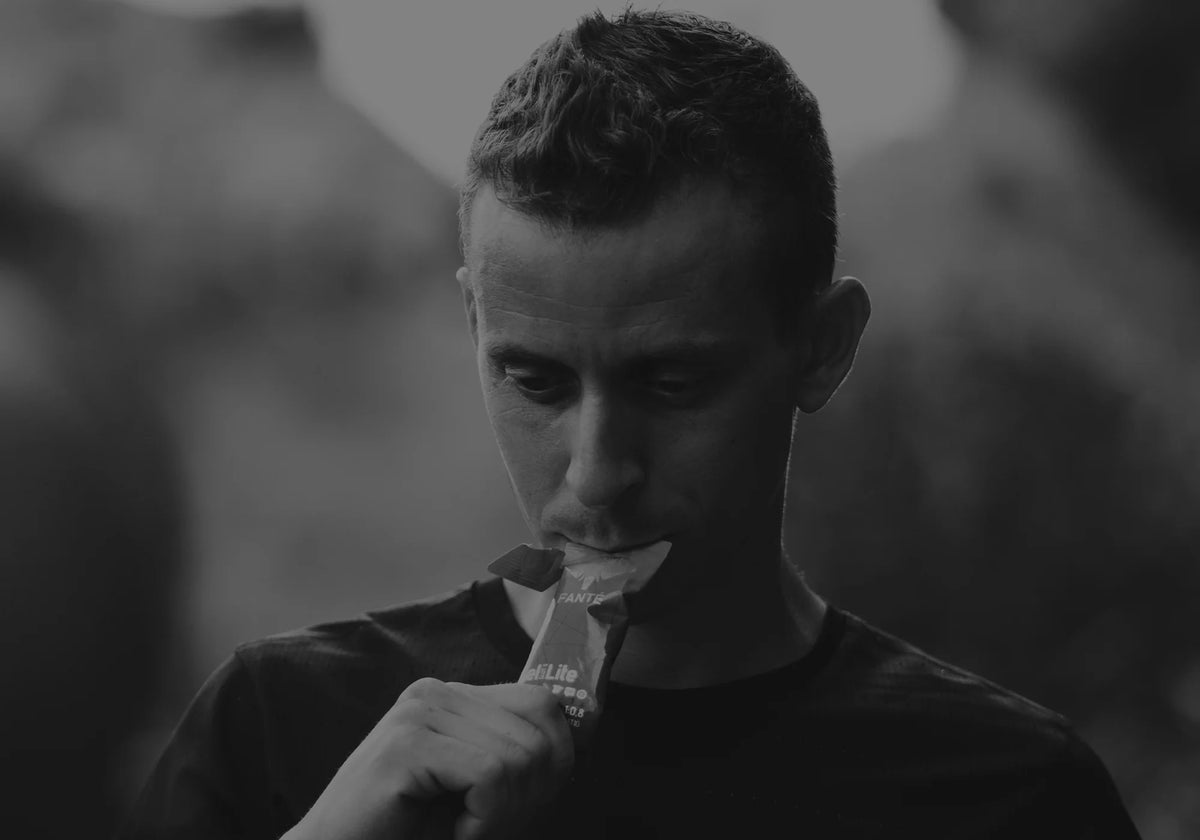
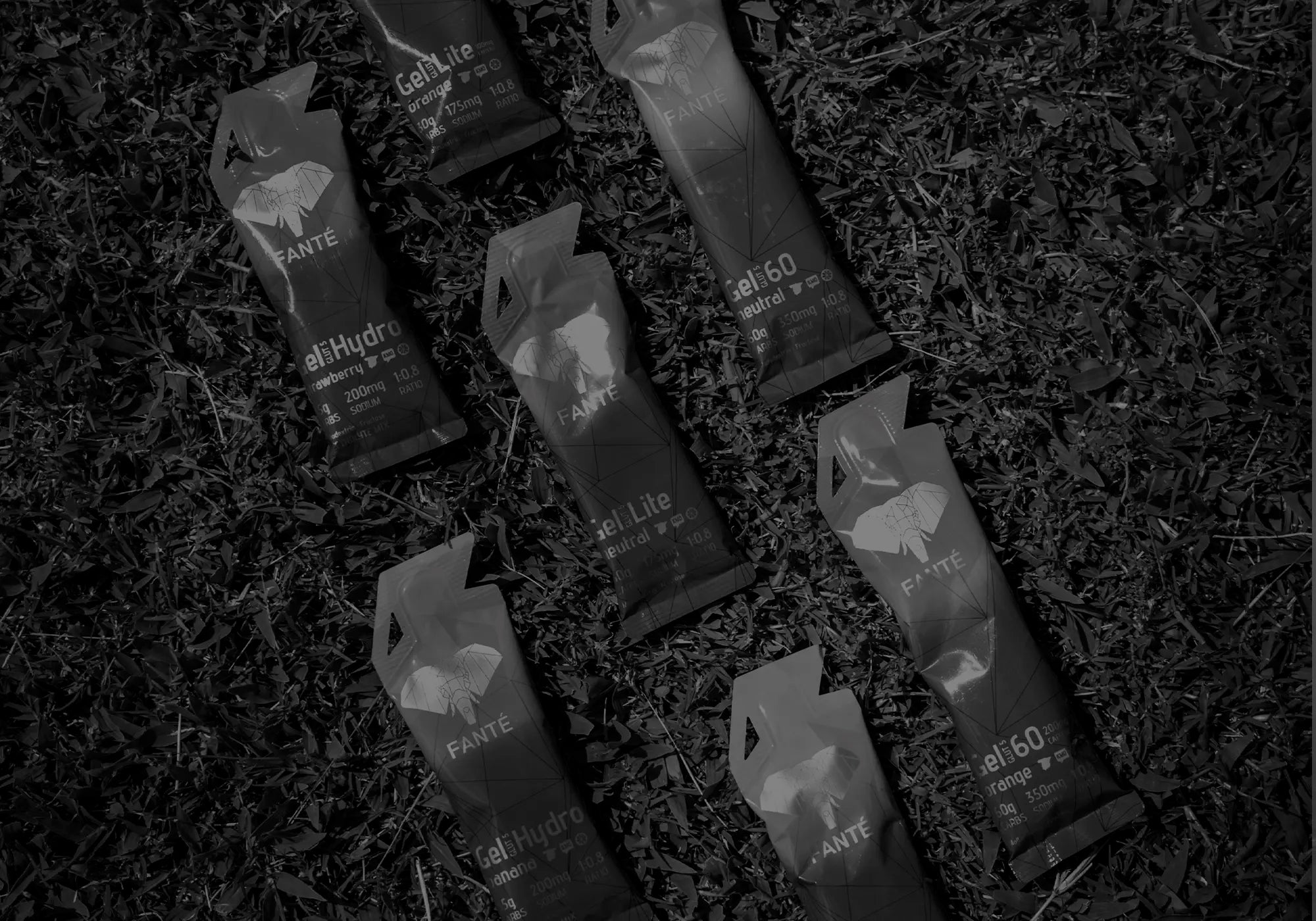
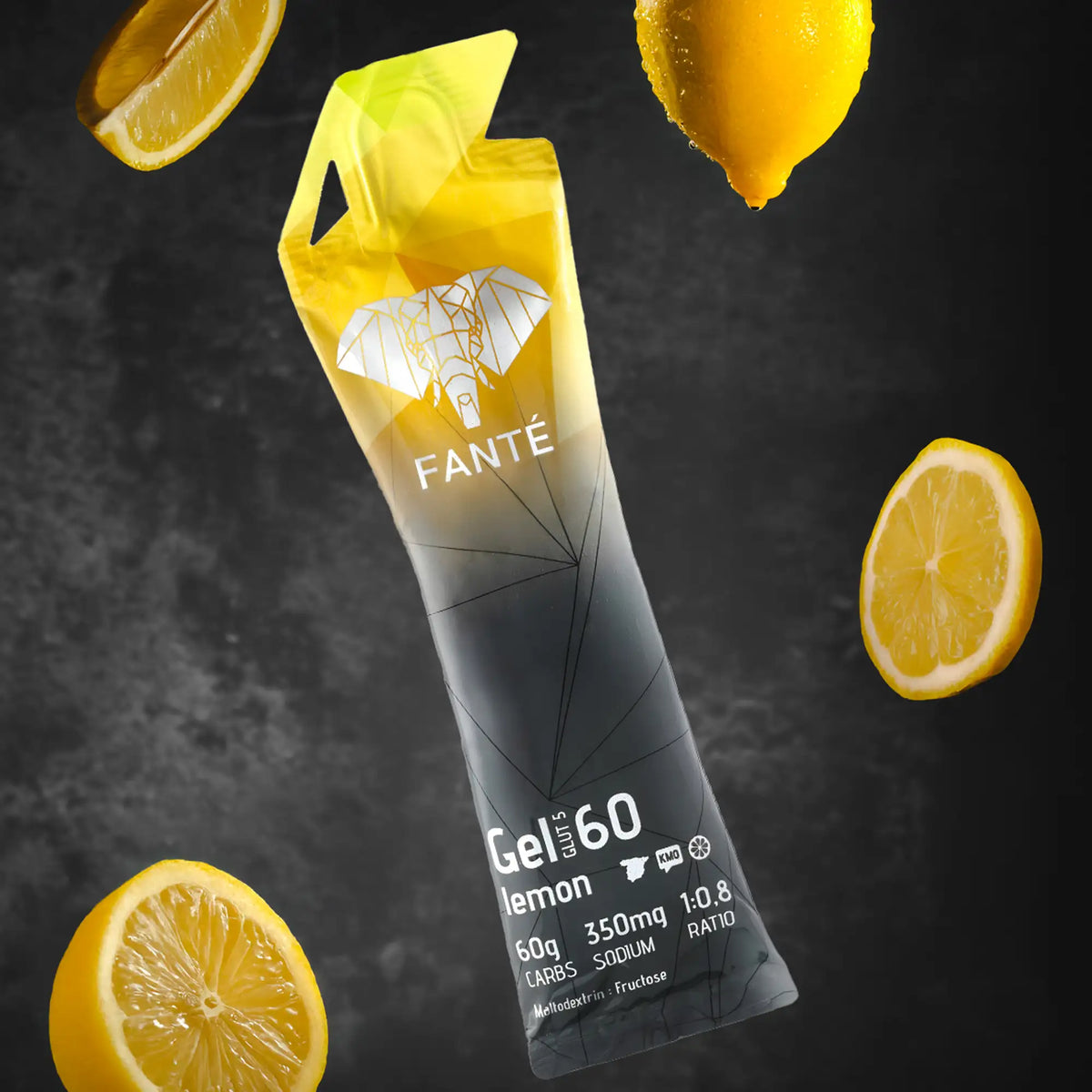
FANTÉ's Gel 60, Gel Hydro 35, and Gel Lite 30: Nutrition so the bonk doesn't appear
Energy gels are a practical way to introduce carbohydrates during cycling, but they must be part of an overall strategy. No gel can guarantee on its own that you will never experience a bonk.
FANTÉ offers different formats that allow you to adjust the amount of carbohydrates to the needs of each ride:
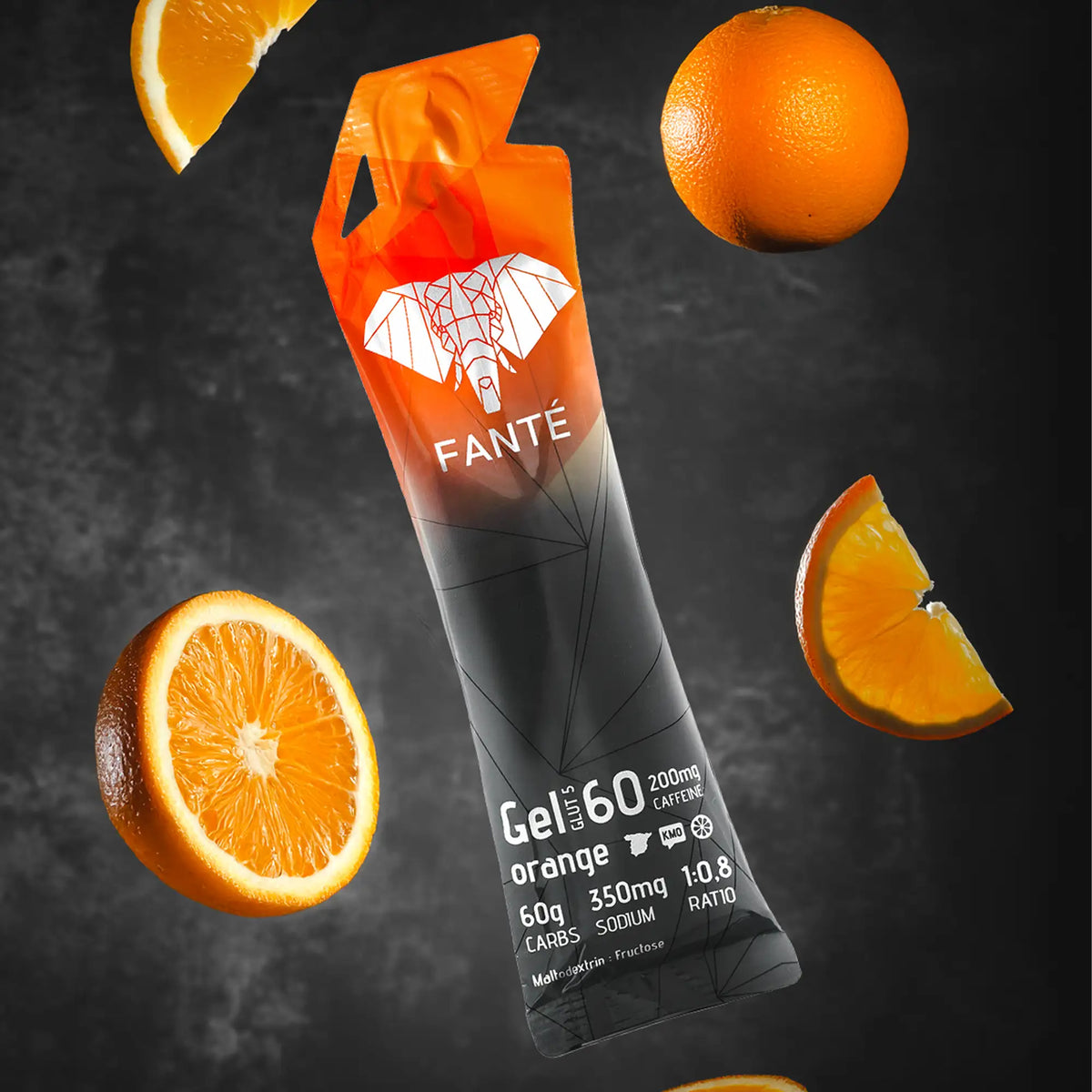
- FANTÉ Gel 60: 60 g of carbohydrates per unit. Can facilitate high CHO availability strategies with fewer product units.
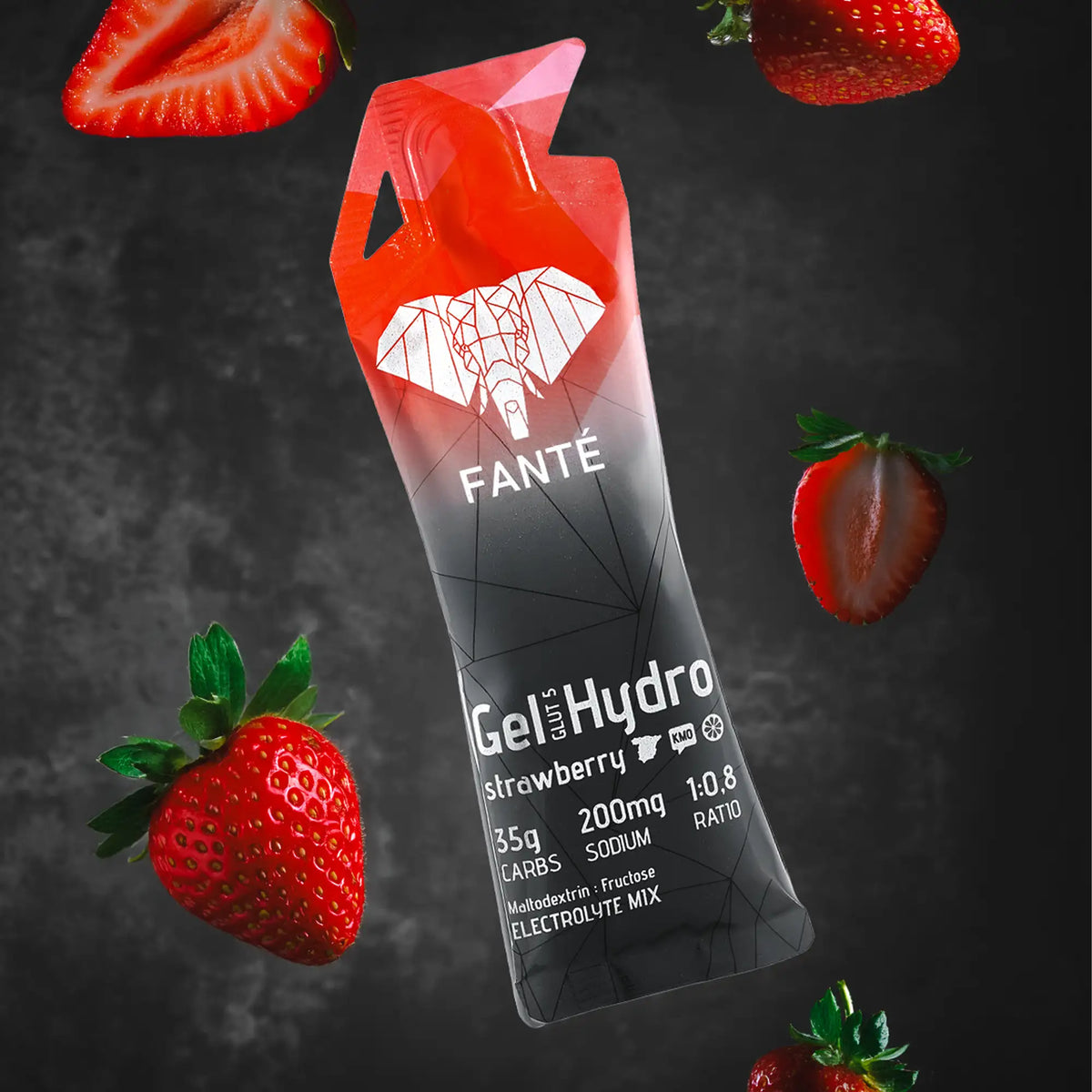
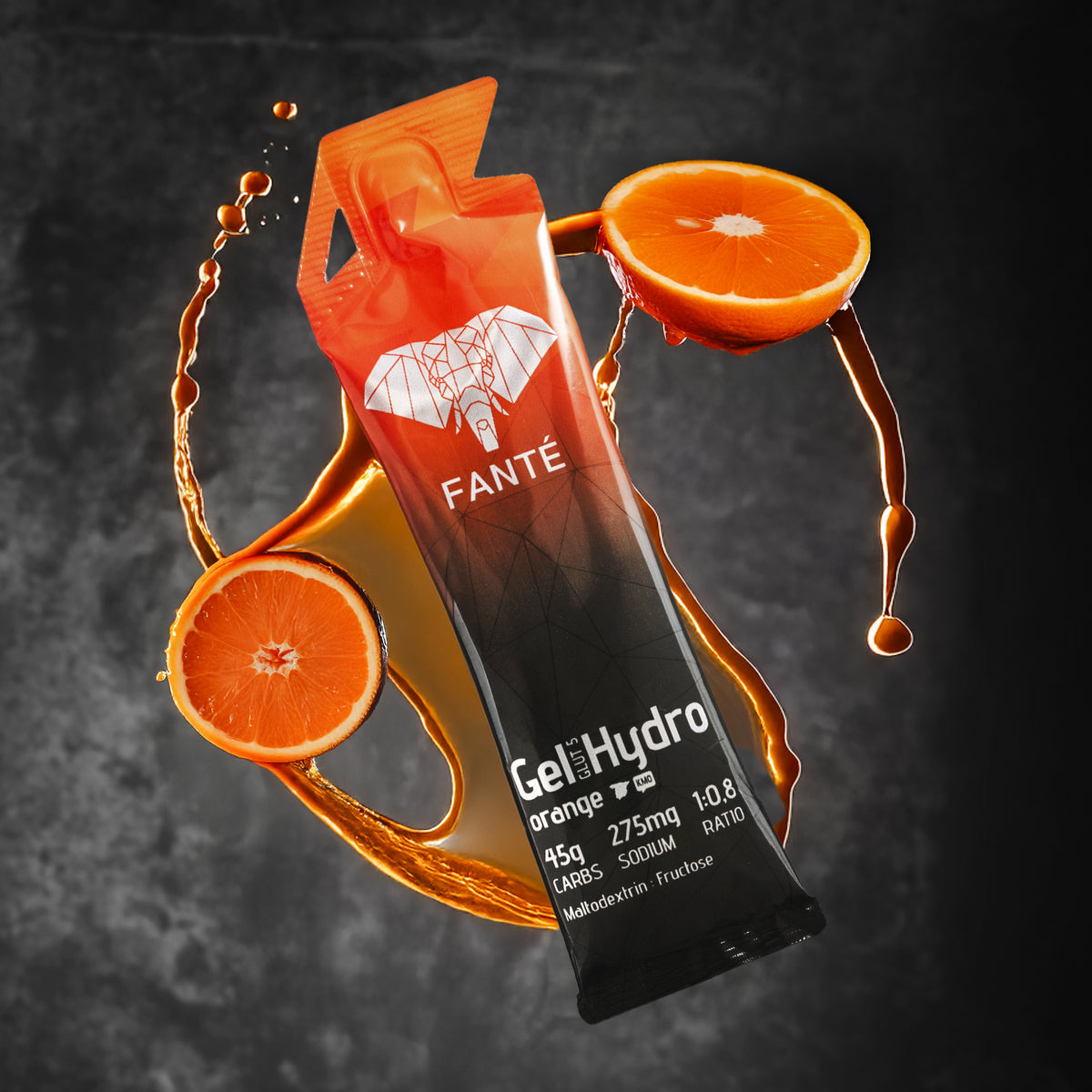
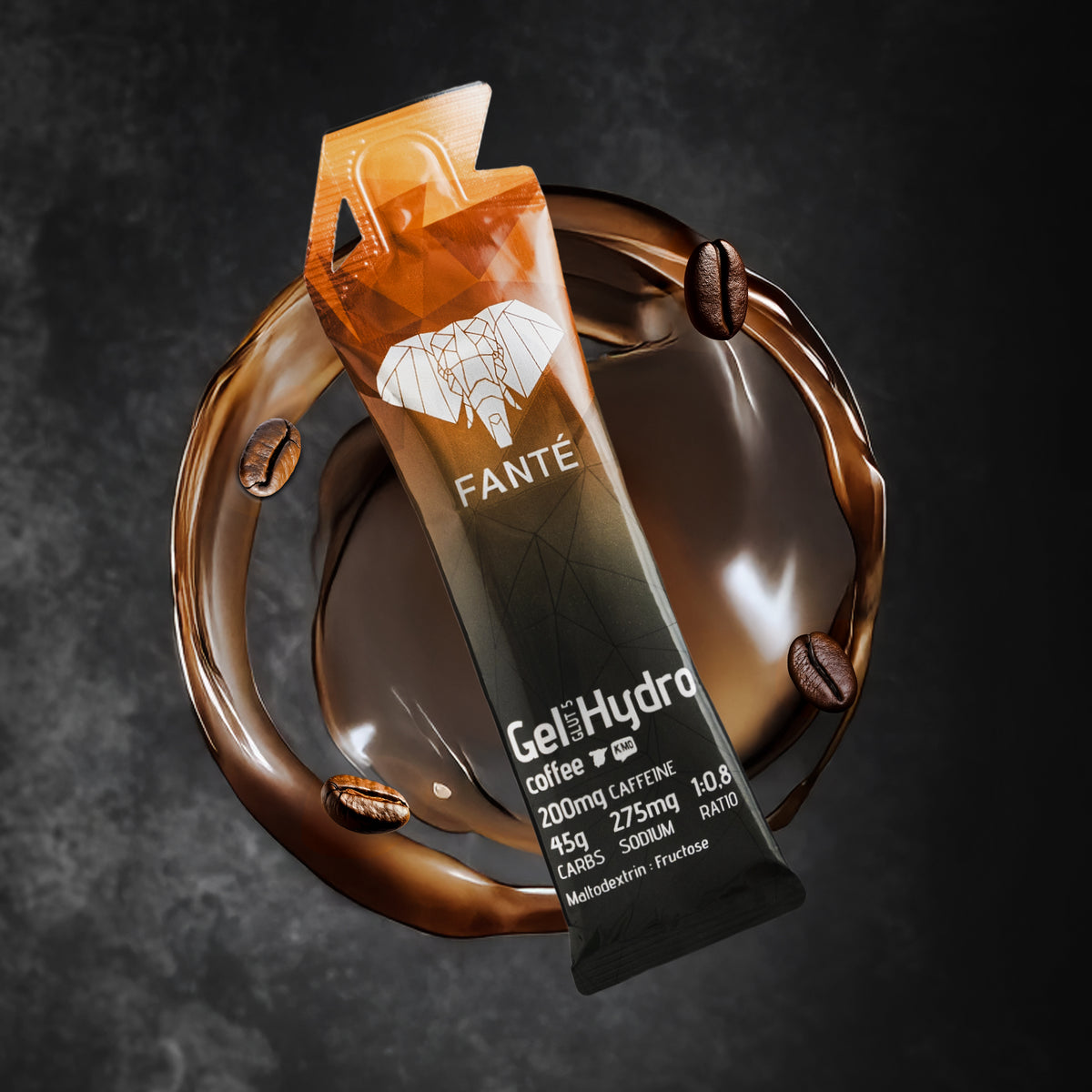
- Gel Hydro 35: 35 g of carbohydrates per unit. Its liquid format can be practical when you are looking to distribute intake in intermediate amounts.
- Gel Lite 30: 30 g of carbohydrates per unit. Makes it easier to fraction intake and build progressive carbohydrate strategies.
The choice should not be based on which one has "more energy," but on how many grams of CHO you need per hour, what other carbohydrates you are going to consume, and which formats you tolerate best.
For example, a target strategy of 60 g CHO/h could be covered with one Gel 60 during that hour or through different combinations of products and drinks. If the goal is higher, the combined intake of all foods and drinks used would need to be calculated.
Furthermore, when you train in summer, carbohydrates are only part of the equation. Your cyclist nutrition strategy must also include fluids, electrolytes, intensity, duration, and environmental conditions.
If you do long routes or endurance events, you can also consult our guide on energy gels for endurance cyclists to learn how to integrate different formats into a complete strategy.
The key to avoiding a bonk in cycling is simple to understand, although it requires planning. Don't wait to run out of energy to start refueling. Train your CHO and hydration strategy just as you train your legs.
Bibliography
- Burke LM, Hawley JA, Wong SHS, Jeukendrup AE. Carbohydrates for training and competition. Journal of Sports Sciences. 2011;29 Suppl 1:S17-S27. doi:10.1080/02640414.2011.585473. PMID: 21660838.
- Jeukendrup AE. A Step Towards Personalized Sports Nutrition: Carbohydrate Intake During Exercise. Sports Medicine. 2014;44(Suppl 1):25-33. doi:10.1007/s40279-014-0148-z. PMID: 24791914.
- Thomas DT, Erdman KA, Burke LM. Position of the Academy of Nutrition and Dietetics, Dietitians of Canada, and the American College of Sports Medicine: Nutrition and Athletic Performance. Journal of the Academy of Nutrition and Dietetics. 2016;116(3):501-528. doi:10.1016/j.jand.2015.12.006. PMID: 26920240.
- Périard JD, Eijsvogels TMH, Daanen HAM. Exercise under heat stress: thermoregulation, hydration, performance implications, and mitigation strategies. Physiological Reviews. 2021;101(4):1873-1979. doi:10.1152/physrev.00038.2020. PMID: 33829868.
- Podlogar T, Wallis GA. New Horizons in Carbohydrate Research and Application for Endurance Athletes. Sports Medicine. 2022;52(Suppl 1):5-23. doi:10.1007/s40279-022-01757-1. PMID: 36173597.
- American College of Sports Medicine, Sawka MN, Burke LM, Eichner ER, Maughan RJ, Montain SJ, Stachenfeld NS. American College of Sports Medicine Position Stand. Exercise and Fluid Replacement. Medicine & Science in Sports & Exercise. 2007;39(2):377-390. doi:10.1249/mss.0b013e31802ca597. PMID: 17277604.