The Best Energy Gels for Marathons and Ultramarathons
Choosing the right gels for a marathon is no minor matter. In long-distance races, the difference between maintaining your pace and experiencing a sudden drop in performance often depends on how you manage energy, hydration, and digestive tolerance.
Therefore, discussing the best energy gels for marathons and ultramarathons is not about creating a list without context. The important thing is to understand what type of gel you need based on the duration of the race, your target pace, the heat, the course profile, and your ability to tolerate high carbohydrate intake.
In marathons, the priority is usually to maintain a stable hourly carbohydrate strategy. In ultras, taste fatigue, intestinal tolerance, and the need to combine different formats also come into play.
[[COMUNIDAD_CTA]]
What a Good Marathon Gel Should Have
A good marathon gel must meet four conditions.
The first is to provide sufficient carbohydrates per unit. For long efforts, current recommendations generally place intake around 30–60 g/h as a minimum, and for longer events or advanced athletes, it may be useful to aim for 60–90 g/h with multiple-transporter carbohydrates.
The second is that it has a tolerable texture. An excellent gel in formulation/theory becomes useless if you can't take it during the race.
The third is to include sodium when the context calls for it, especially in heat or when sweating is high, and above all, balanced according to carbohydrate intake and sweating.
And the fourth is that it fits into a real nutritional strategy, not just an isolated intake. At this point, the marathon nutritional strategy makes more of a difference than the gel alone.
The Best Formats According to the Race
1. High-Load Gels for Marathons
When the goal is to run a marathon with a solid carbohydrate strategy, formats with a higher load per unit are usually the most efficient. They allow you to reach your hourly goal with fewer packages and fewer interruptions.
Gels with multiple carbohydrate ratios fit very well here, because combinations of different intestinal transporters have shown advantages in oxidation and performance compared to a single carbohydrate source in long efforts.
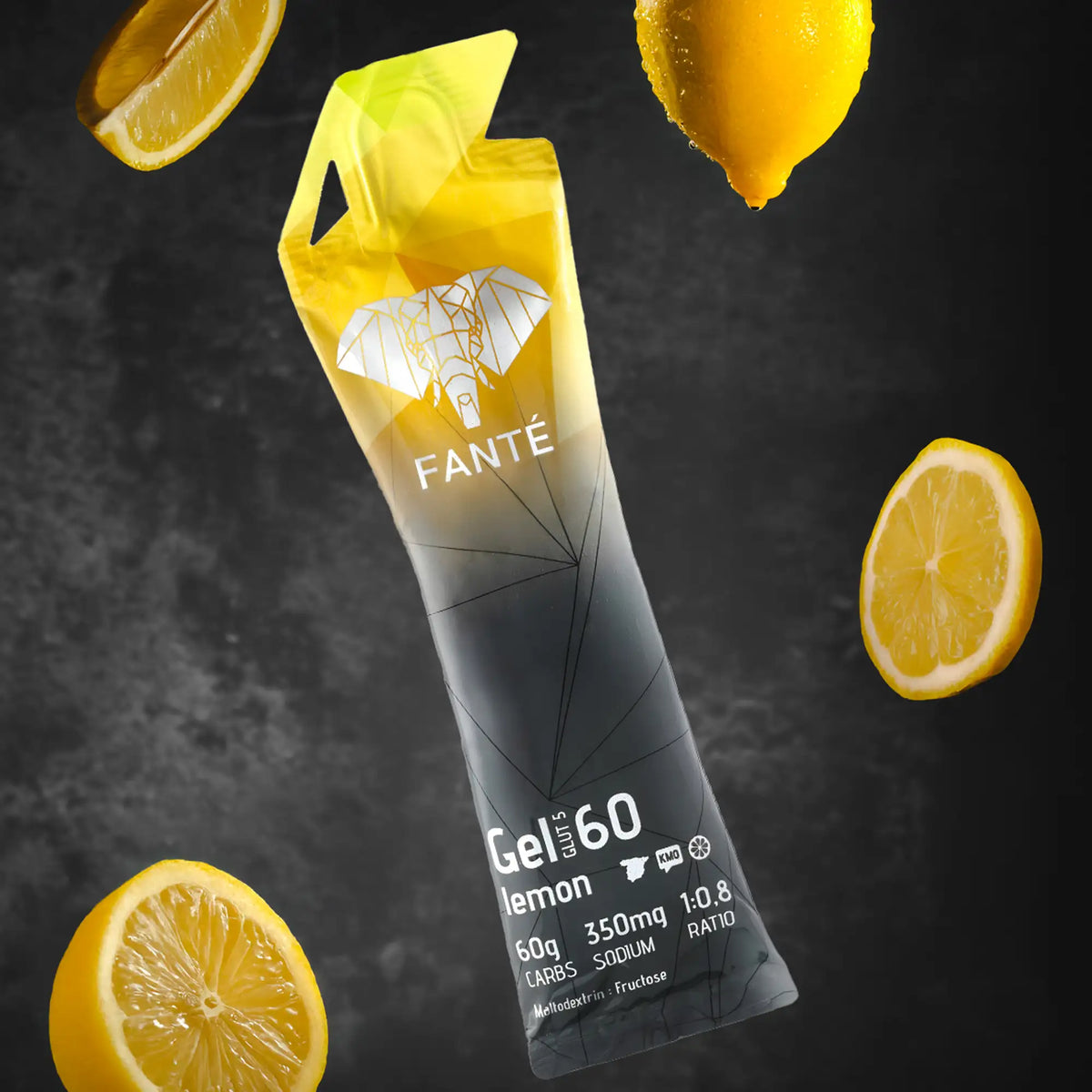
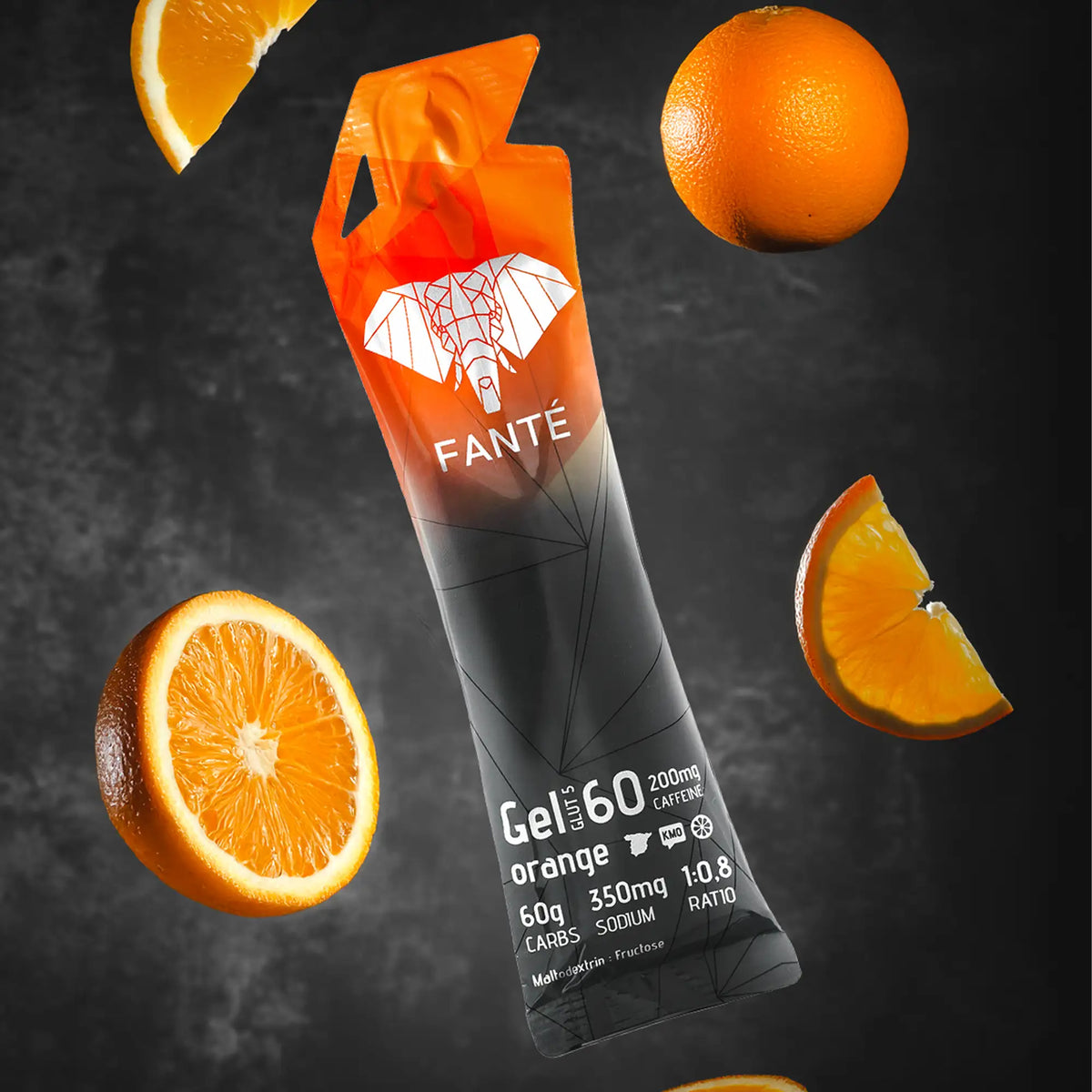
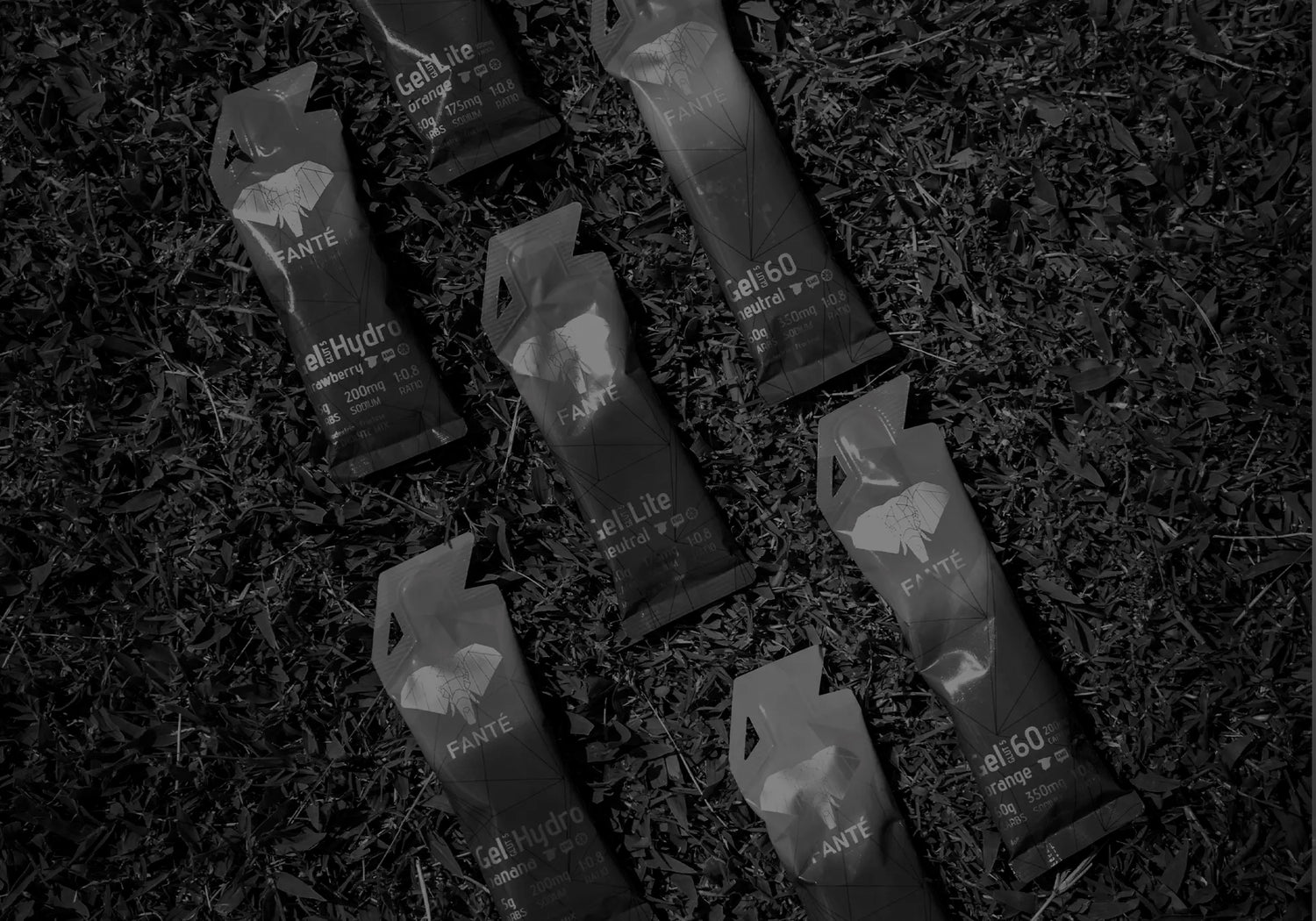
Within the FANTÉ range, the Gel 60 makes sense for more ambitious strategies, especially if you're looking to get close to 60–90 g/h without relying on too many intakes.
[[PRODUCTO:gel-60]]
2. Liquid Gels for High-Intensity Moments
Not all marathon runners tolerate a dense gel equally at kilometer 30, and in trail or ultra races, that difference is even more pronounced. Gels with a more fluid texture tend to work better in moments of high ventilation, on ascents, when it's hot, or when drinking from a water bottle isn't easy.
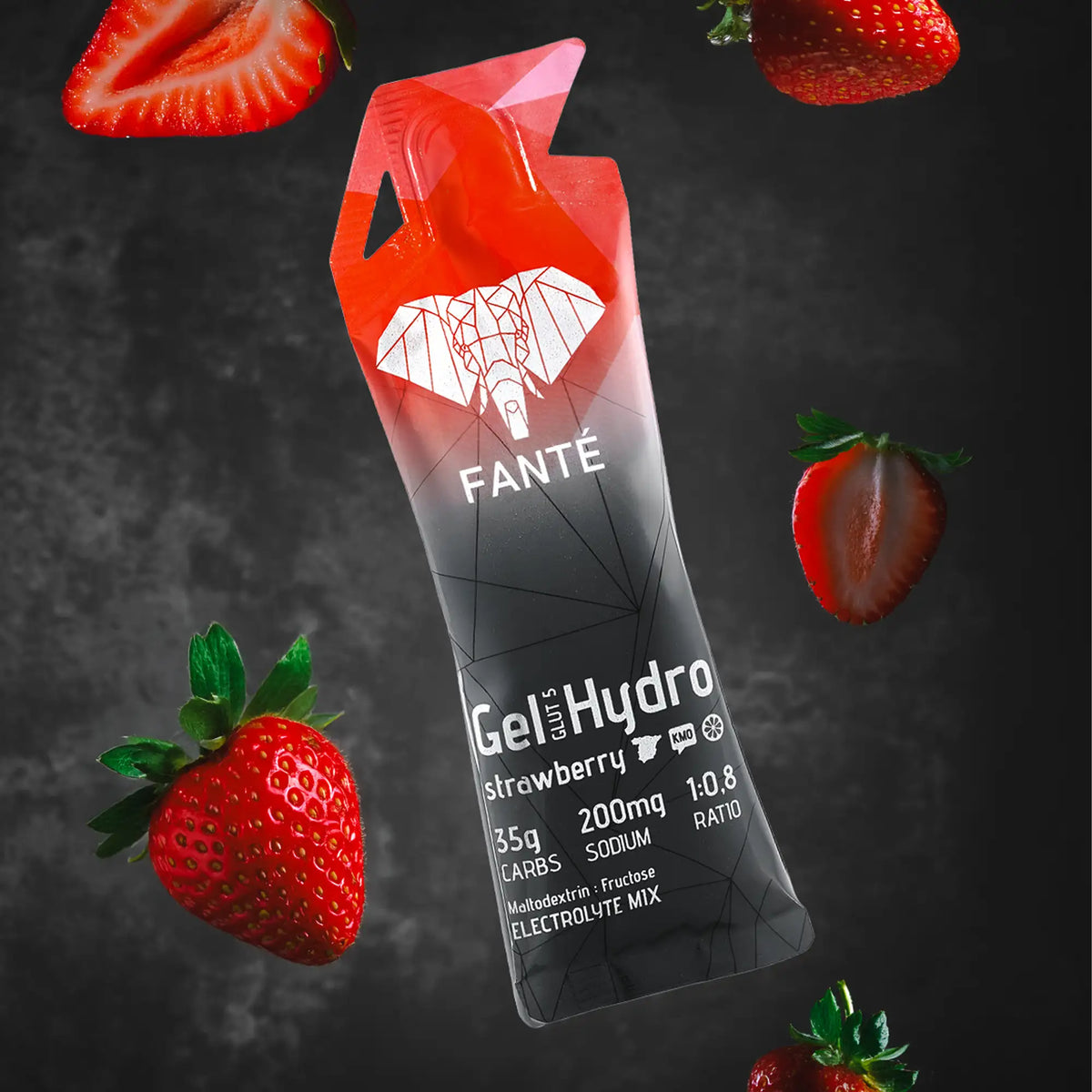
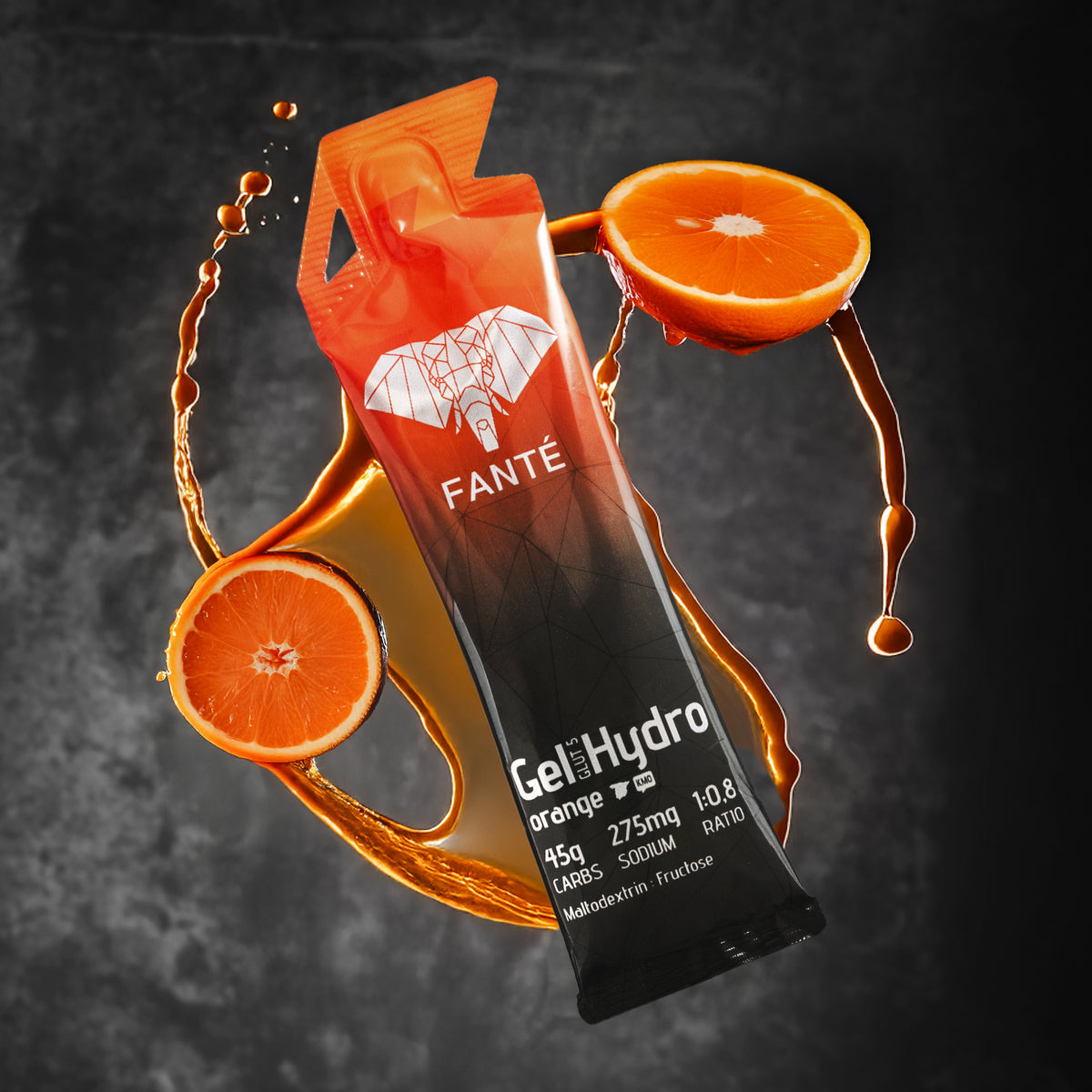
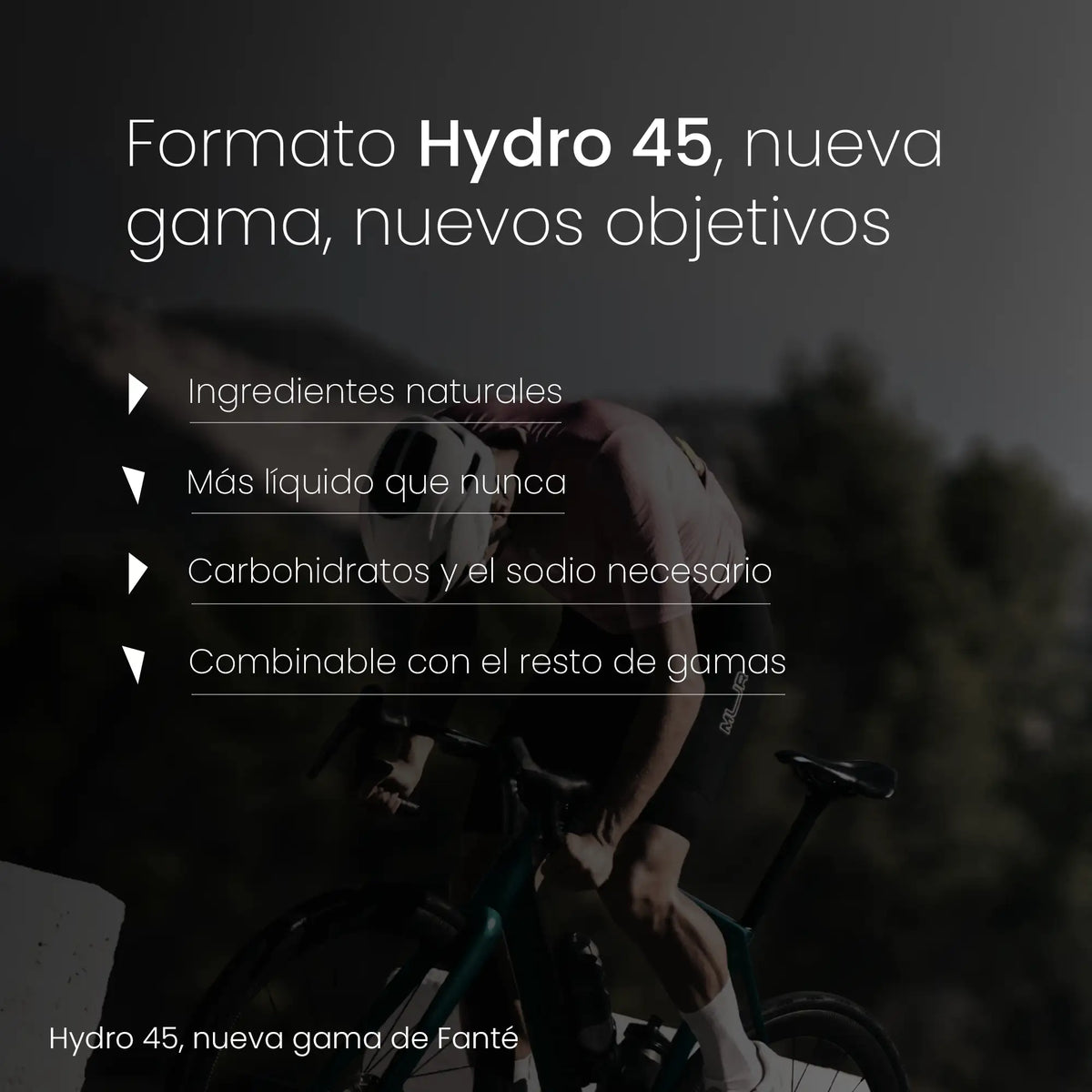
Therefore, hydro formats are especially useful in situations where speed of intake matters more than maximum density. In FANTÉ, the Gel Hydro 35 fits very well in this scenario, or the Hydro 45 gels.
[[PRODUCTO:gel-hydro-35]]
3. Gels with Caffeine for the Last Third
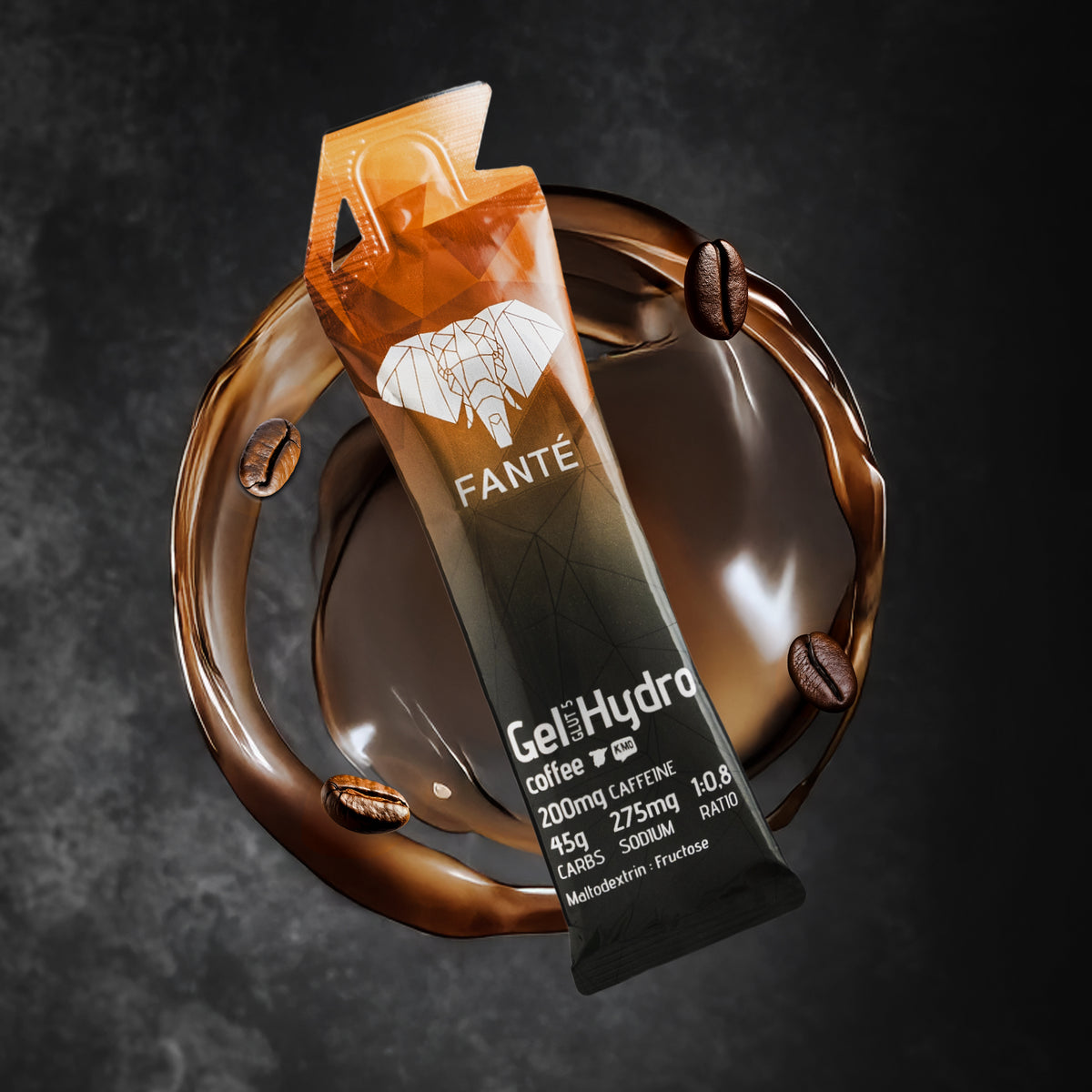
Caffeine remains one of the most consistent ergogenic aids in endurance sports, especially when used strategically and not randomly. Reviews and meta-analyses continue to support its usefulness for improving performance and reducing perceived effort, especially in moderate and well-timed doses.
In marathons, caffeine gels usually make more sense when we need an extra boost of energy, especially before the marathon and at kilometer 20. In ultramarathons, they can be used more tactically, depending on sleep, central fatigue, or decisive sections.
4. Gels with Sodium When the Heat Strikes
In urban marathons or ultras in the heat, it's not enough to think only about carbohydrates. Sodium helps to better structure the hydration strategy and can be especially useful when there is a high sweat loss.
Therefore, if race day is very hot, it is advisable that part of the plan includes gels with sodium or is combined with a well-designed hydration strategy.
5. Natural or Cleaner Gels for Ultra Races
In ultramarathons, what often limits performance is not theoretical energy, but the actual ability to continue eating. After several hours of effort, palatability and digestive tolerance are no longer minor details.
Therefore, gels with less aggressive flavors, cleaner formulas, and textures that don't saturate gain a lot of value here. An ultra is not won by the "most carbohydrate-dense" gel, but by the one you can continue to take after many hours.
Marathon and Ultramarathon Fueling Are Not the Same
In marathons, the usual approach is to seek a more closed and predictable strategy. The goal is to maintain a regular intake, usually with gels and water, and to avoid both energy depletion and digestive discomfort.
In ultramarathons, the strategy becomes more open. The total effort time, the course profile, and accumulated fatigue necessitate combining formats, flavors, and densities.
How to Choose According to Your Strategy
If your goal is a road marathon at a steady pace, prioritize:
- gels with a good carbohydrate load
- tolerable formula
- the possibility of reaching 60–90 g/h
If you're running an ultra or an ultra trail, also prioritize:
- easy texture and combine different ones
- variety of flavors
- combination with hydration
- caffeine and sodium depending on context
- less taste fatigue
In that sense, a good base can be to combine the energy gels category with a progressive strategy of testing in training, not just in competition.
Conclusion
The best energy gels for marathons and ultramarathons are not the most famous or the most concentrated ones alone. They are the ones that fit your goal, your stomach, your pace, and your hourly strategy.
In marathons, efficient, concentrated, and easy-to-plan formats usually win. In ultras, the key is often tolerance, variety, and the ability to keep taking in energy even when you no longer feel like eating, such as our energy gels designed to make you want to keep eating even after many hours of training or competing.
Bibliography
- Jeukendrup AE. Carbohydrate intake during exercise and performance. Nutrition. 2004;20(7–8):669–677.
- Jeukendrup AE. Training the gut for athletes. Sports Medicine. 2017;47(Suppl 1):101–110.
- Currell K, Jeukendrup AE. Superior endurance performance with ingestion of multiple transportable carbohydrates. Medicine & Science in Sports & Exercise. 2008;40(2):275–281.
- Rowlands DS, Houltham S, Musa-Veloso K, et al. Fructose–maltodextrin ratio and exogenous carbohydrate oxidation during exercise. Medicine & Science in Sports & Exercise. 2015;47(5):907–915.
- Burke LM, Hawley JA, Wong SHS, Jeukendrup AE. Carbohydrates for training and competition. Journal of Sports Sciences. 2011;29(S1):S17–S27.
- Spriet LL. Exercise and sport performance with low doses of caffeine. Sports Medicine. 2014;44(Suppl 2):S175–S184.
- Grgic J, Trexler ET, Lazinica B, Pedisic Z. Effects of caffeine intake on muscle strength and power: a systematic review and meta-analysis. Journal of the International Society of Sports Nutrition. 2018;15:11.
- Baker LB, Jeukendrup AE. Optimal composition of fluid-replacement beverages. Comprehensive Physiology. 2014;4(2):575–620.
- Hoffman MD, Stuempfle KJ. Sodium supplementation and exercise-associated muscle cramping during ultramarathon running. British Journal of Sports Medicine. 2015;49(16):1039–1043.