
Do I need electrolytes if I exercise for an hour?
You don’t always need electrolytes if you exercise for an hour. In a session of about 60 minutes, with moderate temperatures, controlled intensity, and starting well-hydrated, water may be enough for many people.
The need to add electrolytes during exercise depends more on how much you sweat, how much sodium you lose, the temperature, the intensity, and your hydration status than on the clock alone.
That is why two athletes who train for exactly one hour can have completely different needs.
What are electrolytes and why do you lose them when exercising?
Electrolytes are electrically charged minerals that participate in functions such as fluid balance, nerve transmission, and muscle contraction.
The main ones include:
- sodium;
- potassium;
- magnesium;
- calcium;
- chloride.
When you exercise and sweat, you lose water and electrolytes. Sodium is the electrolyte lost in the greatest amount through sweat, although the concentration can vary considerably between people.
Therefore, talking about electrolytes for athletes does not mean that everyone needs to take the same amount.
[[COMUNIDAD_CTA]]
So, do I need electrolytes if I only train for one hour?
In most sessions of approximately one hour carried out under normal conditions, it is not mandatory to use an electrolyte supplement.
Classical evidence on sports hydration shows that during exercises of less than one hour there are usually few physiological or performance differences between using water and a carbohydrate and electrolyte drink, provided the athlete starts well-hydrated.
However, duration is not the only factor. A 60-minute session can generate very different sweat losses depending on the conditions.
You probably don’t need electrolytes if...
- you train for approximately one hour;
- the intensity is low or moderate;
- the temperature is cool or mild;
- you do not have a high sweat rate;
- you have started properly hydrated;
- you are going to eat and drink normally after the training.
In this context, water and a normal diet are usually enough to recover the small losses of minerals produced during the session.
It may make sense to add electrolytes even if you only train for one hour if...
- you train in high heat or humidity;
- you sweat a lot even in short sessions;
- you finish with white salt stains on your clothes or skin;
- the session is very intense;
- you start the training with insufficient hydration;
- you are going to perform another session a few hours later;
- your work or previous activity has also generated a lot of sweat.
In these situations, a one-hour session can produce fluid and sodium losses significant enough to make it worth considering a strategy with mineral salts or electrolytes.
An hour of running is not the same as an hour of light cycling
Duration is only one part of the equation.
For example, an hour of light cycling at 15 °C can generate relatively small losses, while an hour of running at high intensity at 30 °C can produce a much higher sweat rate.
That is why the correct question is not just:
“How long am I going to train for?”
But also:
- At what intensity?
- At what temperature?
- How much do I usually sweat?
- How much fluid do I lose?
- Am I going to train again soon?
How can you tell if you lose a lot of fluid during exercise?
A practical way to approximate your sweat rate is to compare your weight before and after a representative session.
To do this simply:
- Weigh yourself before training.
- Record how much liquid you drink during the session.
- Weigh yourself again when finished.
- Take into account any additional fluid loss if you go to the bathroom.
The change in weight, together with the liquid ingested, allows for an approximate estimate of how much sweat you have produced during the training.
Scientific literature recommends precisely individualizing hydration strategies according to sweat rate and environmental conditions, rather than applying the same guideline to all athletes.
If you want to delve into this point, you can consult our hydration guide for athletes.
What happens if you train for an hour in high heat?
Heat completely changes the context. As temperature and humidity rise, the sweat production required to regulate body temperature typically increases.
This means you can lose a significant amount of water and sodium even if the session does not exceed 60 minutes.
In that case, electrolytes may make more sense than in a session of the same duration performed in cool conditions.
In our guide on summer hydration for athletes, we explain how needs change when temperature, humidity, and sweating increase.
Do I need sodium during an hour of exercise?
There is no amount of sodium per hour that is valid for everyone.
The concentration of sodium in sweat exhibits great individual variability, as does the total amount of sweat produced.
Therefore, more sodium does not automatically mean better hydration. An athlete with low losses may not need to supplement it in a short session, while a person who sweats a lot and trains in the heat may benefit from incorporating it.
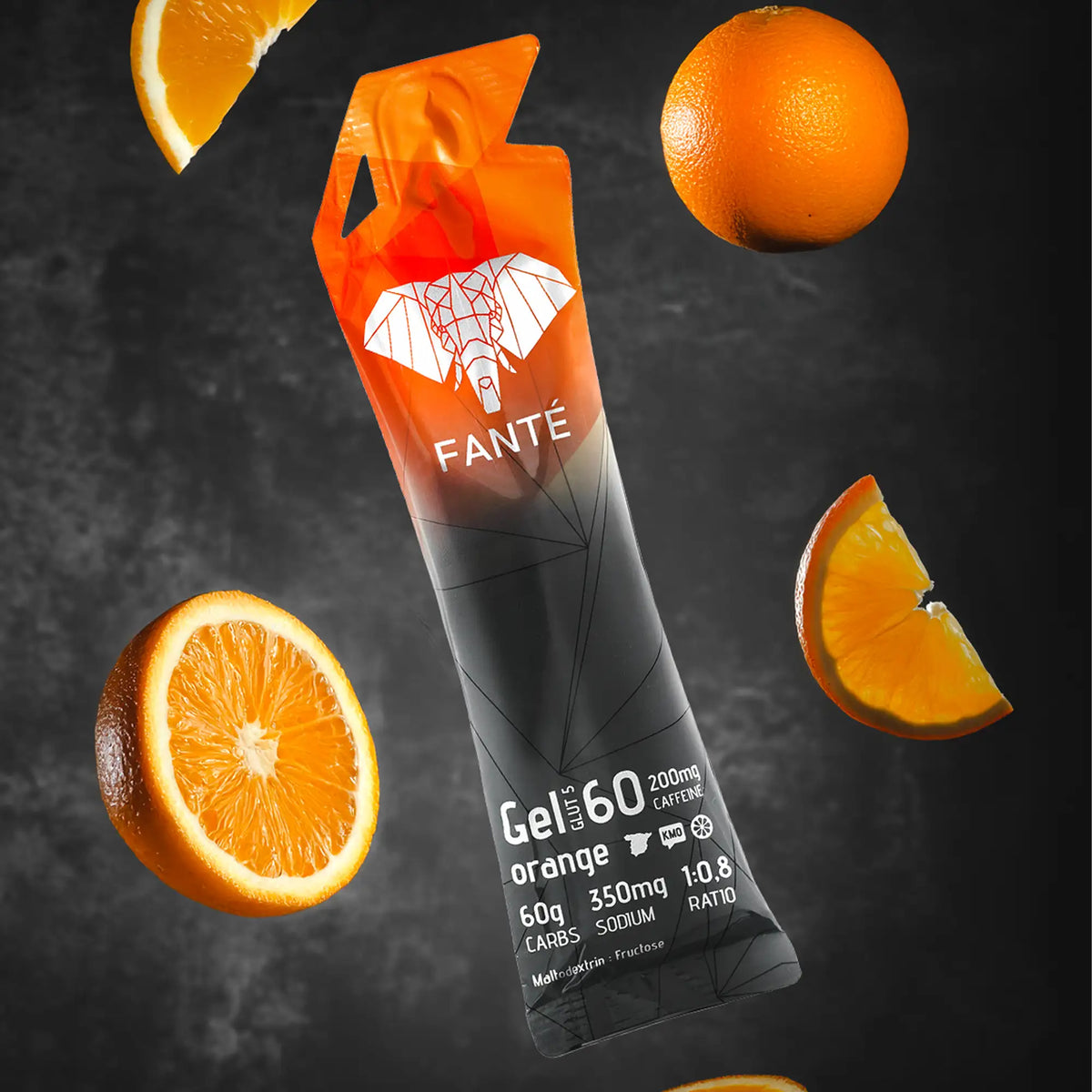
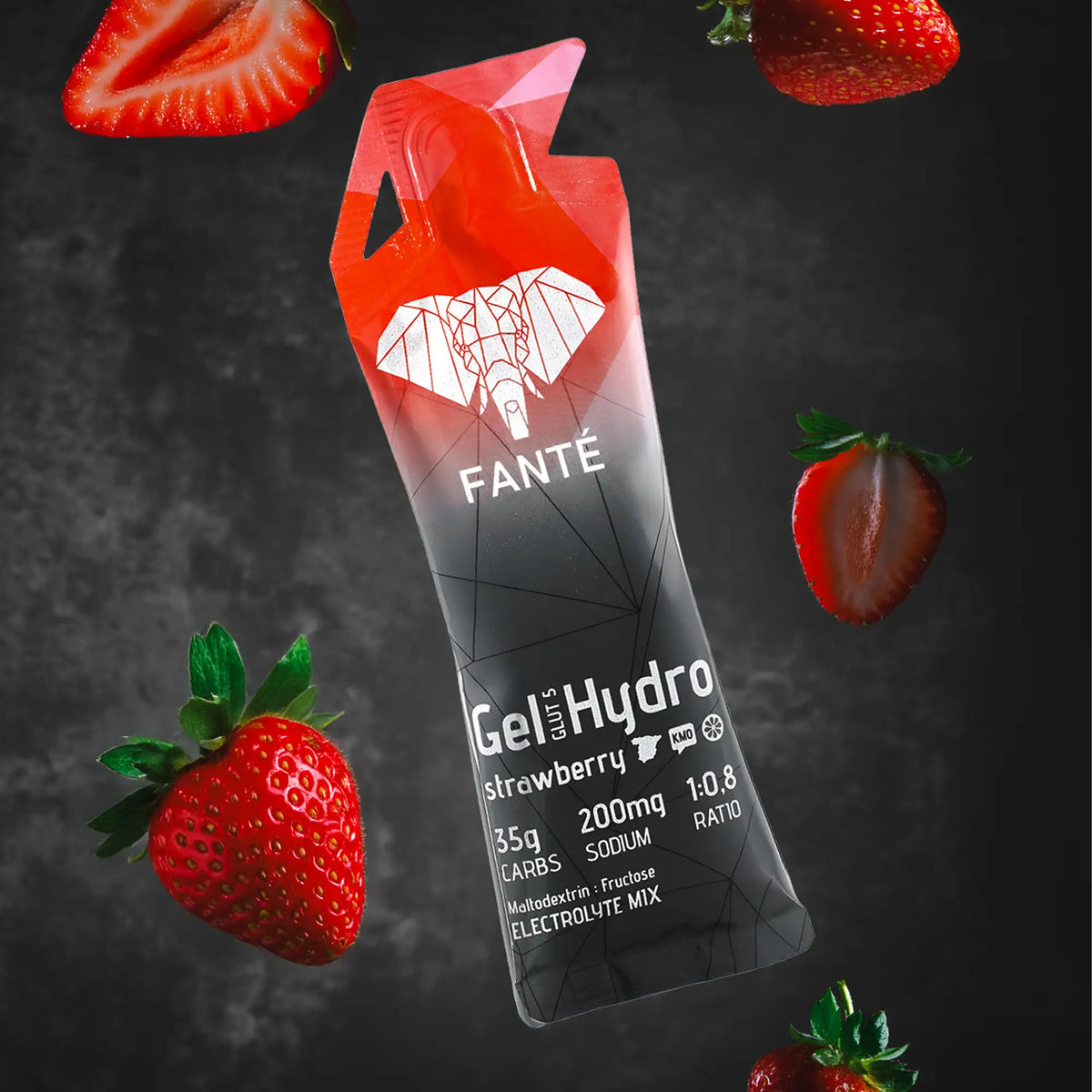
The important thing is to consider sodium within the entire strategy: pre-training diet, sports drink, gels, electrolyte capsules, and other products used during training.
Electrolytes Lite: when you need electrolytes without adding carbohydrates
If you do a session in which you want to reinforce mineral replenishment but you do not need to add carbohydrates, you can use a specific electrolyte format.
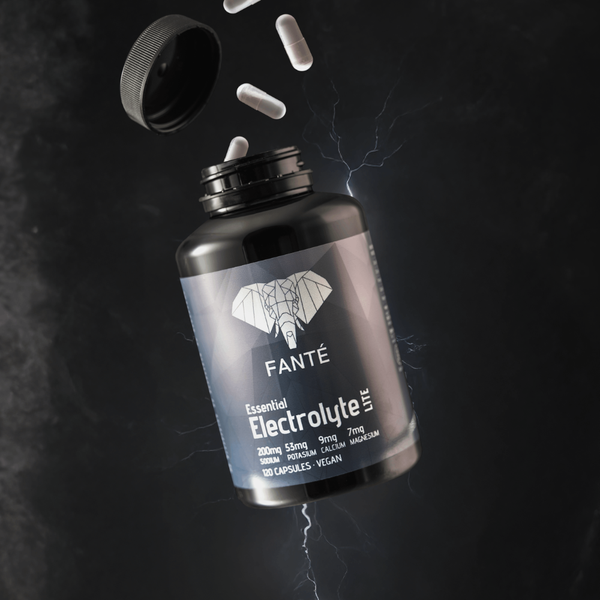
Essential Electrolytes Lite from FANTÉ provides per capsule:
- 200 mg of sodium;
- 53 mg of potassium;
- 9 mg of calcium;
- 7 mg of magnesium.
Its format allows for the use of electrolytes independently of carbohydrates, which is useful when the priority of the session is hydration and you do not need to increase energy intake.
[[PRODUCTO:electrolytes-lite-essential]]
Electro Gummy: electrolytes and carbohydrates in the same format
In other sessions, you may be interested in combining electrolytes and a small amount of carbohydrates.
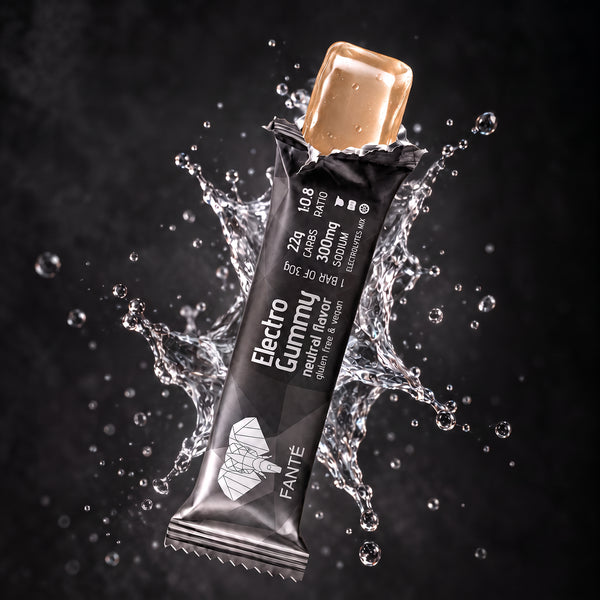
Electro Gummy from FANTÉ provides per unit:
- 22 g of carbohydrates;
- 300 mg of sodium;
- potassium;
- calcium;
- magnesium.
It can be a particularly practical alternative when, in addition to electrolytes, you want to incorporate carbohydrates during the session.
[[PRODUCTO:electro-gummy]]
Electrolytes Lite or Electro Gummy for a one-hour session?
It depends on what you need during that workout.
| Situation | What might fit best | Why |
|---|---|---|
| Light session and mild weather | Water | For many people, it may be enough |
| One hour with heat or heavy sweating | Electrolytes Lite | Provides minerals without adding carbohydrates |
| Intense session + energy need | Electro Gummy | Combines carbohydrates and electrolytes |
| High sweat loss and subsequent session | Individualized strategy | May require more attention to fluids and sodium |
The table is a guide. The best strategy depends on your sweat losses and the goal of the training.
What about after a one-hour session?
In many one-hour workouts, you do not need a specific electrolyte replenishment strategy afterward if you can eat and drink normally.
A regular meal provides sodium, potassium, calcium, and magnesium, as well as liquid.
Specific recovery becomes more important if:
- you have finished very dehydrated;
- you have trained in high heat;
- your sweat rate is high;
- you must train or compete again in a few hours.
In these circumstances, adding sodium to rehydration can help improve the retention of the fluid ingested.
Do electrolytes prevent cramps?
You should not use electrolytes thinking that they guarantee you will not suffer from cramps.
Exercise-associated cramps are multifactorial and can be related to neuromuscular fatigue, intensity, preparation, individual history, and other factors.
Sodium and other electrolytes fulfill important physiological functions, but taking salts does not guarantee preventing cramps.
Common mistakes when taking electrolytes during short sessions
- Thinking that all workouts need electrolyte supplements.
- Taking large amounts of sodium just because you have sweated.
- Not differentiating between a cool session and a hot session.
- Forgetting that many gels and drinks already contain sodium.
- Drinking excessive amounts of water for fear of dehydration.
- Copying another athlete's hydration strategy.
- Not considering a regular diet as a source of electrolytes.
Frequently asked questions about electrolytes and one-hour exercise
Do I need electrolytes if I run for an hour?
Not necessarily. If you run for an hour in moderate temperatures, start well-hydrated, and do not have a high sweat rate, water may be enough. If you run in high heat, at high intensity, or sweat particularly a lot, electrolytes may become more important.
Do I need electrolytes if I work out at the gym for an hour?
In a conventional one-hour gym session performed in a temperate environment, adding electrolytes is usually not essential if you are properly hydrated and your diet is adequate. Needs increase if the session generates heavy sweating or is performed in hot conditions.
Is it better to drink water or electrolytes during an hour of exercise?
For many one-hour sessions, water can be enough. A drink or supplement with electrolytes makes more sense when sweat and sodium losses are high. There is no universally better option: it depends on the sport, intensity, temperature, and athlete.
When should I start taking electrolytes?
There is no specific minute after which electrolytes are mandatory. The need increases progressively with duration, sweat rate, and heat. In prolonged, intense, or heat-environment workouts, planning for fluid and sodium intake usually becomes more important.
How do I know if I sweat a lot?
You can approximate your sweat rate by weighing yourself before and after a workout and recording the fluid ingested. If you lose a significant amount of weight during an hour despite drinking, you probably have a high sweat rate. You can also observe signs like very wet clothes or salt deposits, although these do not replace measurement.
Which electrolyte is the most important during exercise?
Sodium is generally the electrolyte lost in the greatest amount through sweat and plays an important role in fluid balance. Potassium, calcium, and magnesium are also lost, but in smaller amounts.
Can I take Electrolytes Lite even if the workout lasts less than an hour?
Yes, if the situation justifies it. It can be useful if you train in the heat, sweat a lot, or want to reinforce mineral intake without adding carbohydrates. Duration alone does not determine if you need electrolytes.
Conclusion: an hour of exercise does not automatically mean you need electrolytes
If you train for approximately an hour, electrolytes are not mandatory for everyone.
Under normal conditions, with moderate intensity and good prior hydration, water and a normal diet can be sufficient.
But if you train in the heat, have a high sweat rate, lose a lot of sodium, or need to recover quickly for another session, incorporating electrolytes may make sense.
Do not base your strategy solely on the duration of the training. Observe how much you sweat, the conditions in which you train, and what your body really needs.
[[COMUNIDAD_CTA]]
Scientific bibliography
- Sawka MN, Burke LM, Eichner ER, et al. Exercise and Fluid Replacement. Med Sci Sports Exerc.
- McCubbin AJ, Irwin C. Compositional Aspects of Beverages Designed to Promote Hydration Before, During, and After Exercise.
- McDermott BP, Anderson SA, Armstrong LE, et al. National Athletic Trainers' Association Position Statement: Fluid Replacement for the Physically Active.
- Kenefick RW. Hydration for recreational sport and physical activity.