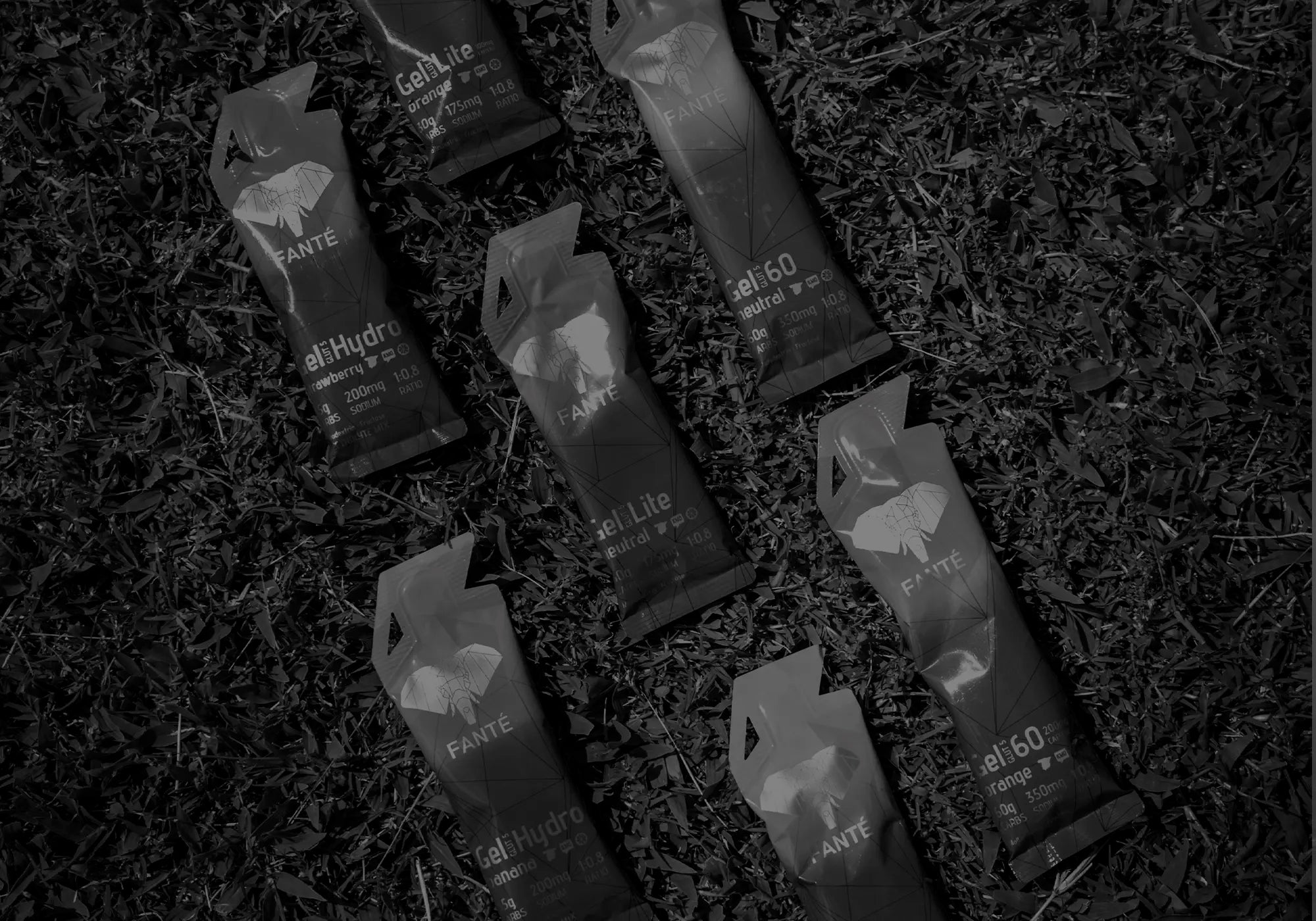

How to choose the right energy gel for your high-intensity workouts
When you train at your performance limit—whether it's cycling, running, triathlons, or high-intensity interval training (HIIT)—your body needs a quick energy boost to maintain the pace. This is where energy gels come in, a favorite tool among athletes to sustain performance and delay fatigue.
At first glance, choosing a gel might seem simple, but not all are created equal, and choosing incorrectly can affect your training and even your digestion. In this article, we explain how to choose the right energy gel for your high-intensity workouts, based on scientific evidence and the experience of elite athletes.
[[COMUNIDAD_CTA]]
What are energy gels and why are they effective?
Energy gels are gel-format supplements that provide fast-absorbing carbohydrates. Their main goal is to restore glycogen levels and offer immediate energy when the body's reserves are at their limit.
They are especially useful in workouts lasting over 60 minutes or during intense work blocks where energy expenditure is very rapid.
Key benefits
- Rapid carbohydrate absorption, ideal for intense workouts.
- Easy to digest compared to solid foods during exercise.
- Help maintain consistent performance and mental focus.
-
Can be combined with other Fanté supplements (such as electrolytes, beta-alanine, or branched-chain amino acids BCAA) to optimize results.
Important: Their effectiveness depends on when and how you use them.
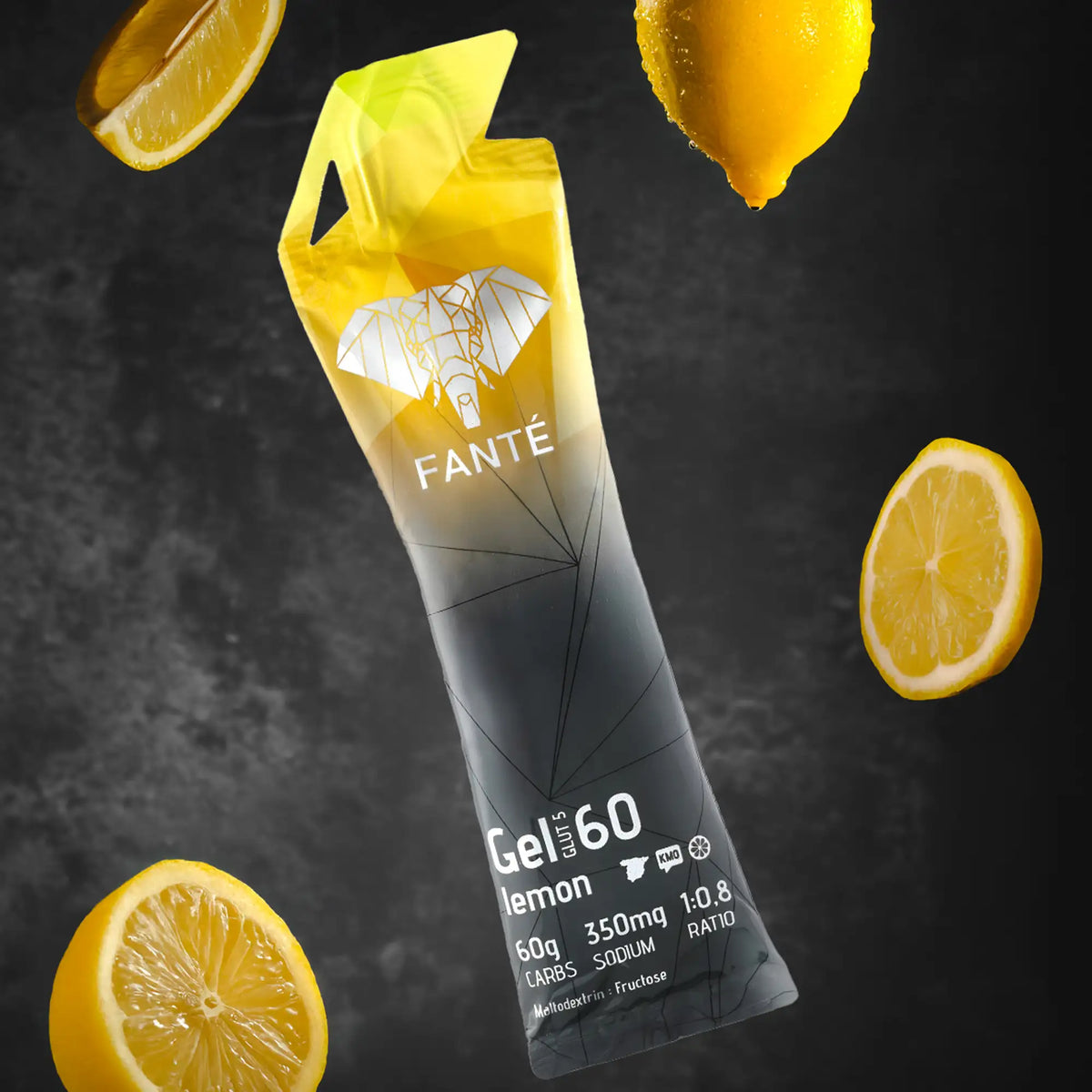
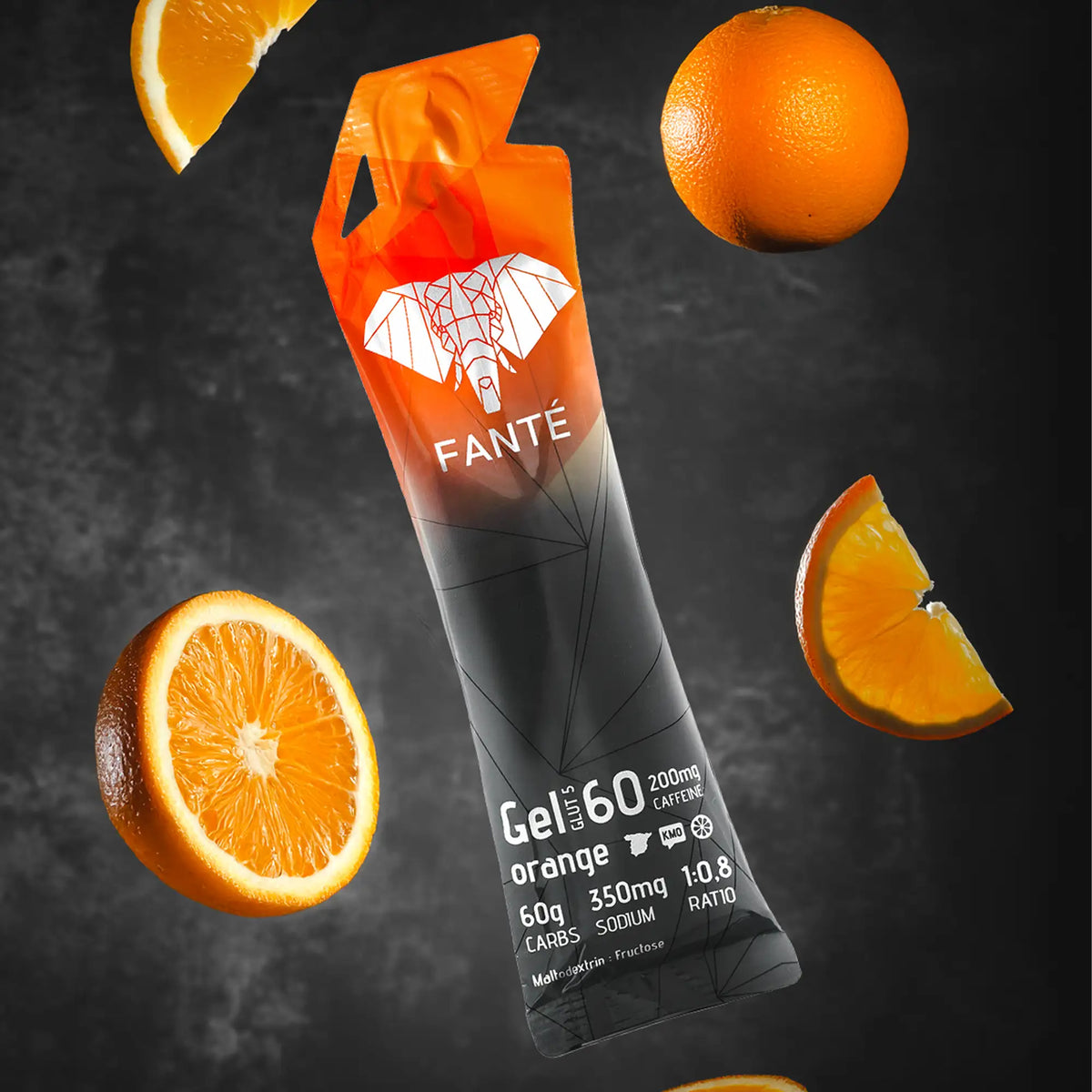
[[PRODUCTO:gel-60]]
When to take an energy gel?
For high-intensity workouts, timing the intake can make all the difference:
Before your workout
Taking an energy gel 10-15 minutes before starting can provide an initial boost of carbohydrates that keeps you strong from the beginning.
Recommended if you are about to start an intense work block or an interval session.
During your workout
If your session exceeds 60 minutes or includes very demanding efforts, consuming 1 gel every 45-60 minutes helps sustain energy.
Tip: Accompany it with water to facilitate absorption and avoid stomach discomfort.
After your workout
Although gels are designed to provide energy during exercise, in situations of very long workouts, they can also help in immediate glycogen recovery if you don't have quick access to solid foods.
What to look for on the label when choosing your energy gel?
Not all gels are formulated equally. These are the most important factors you should consider:
1. Type and amount of carbohydrates
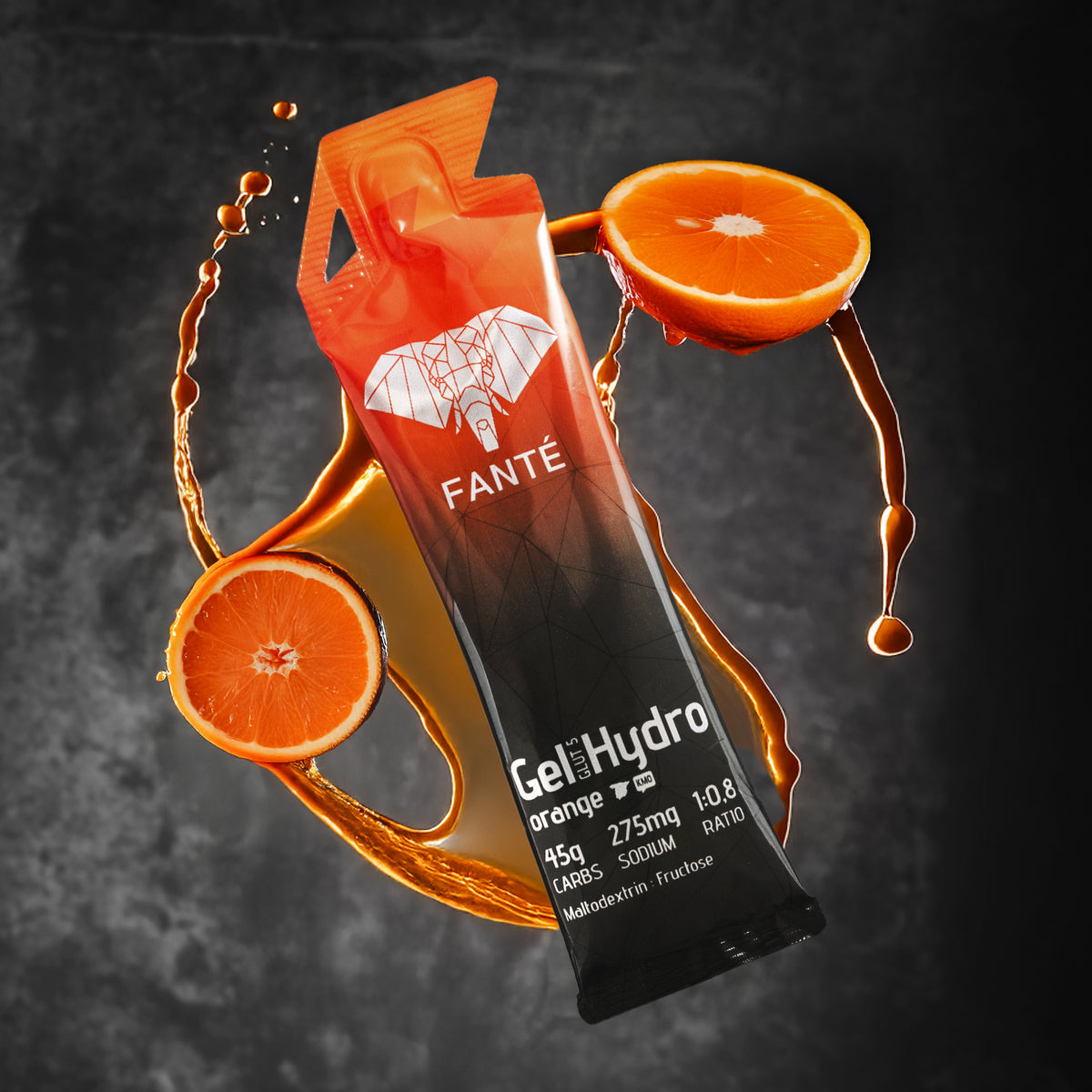
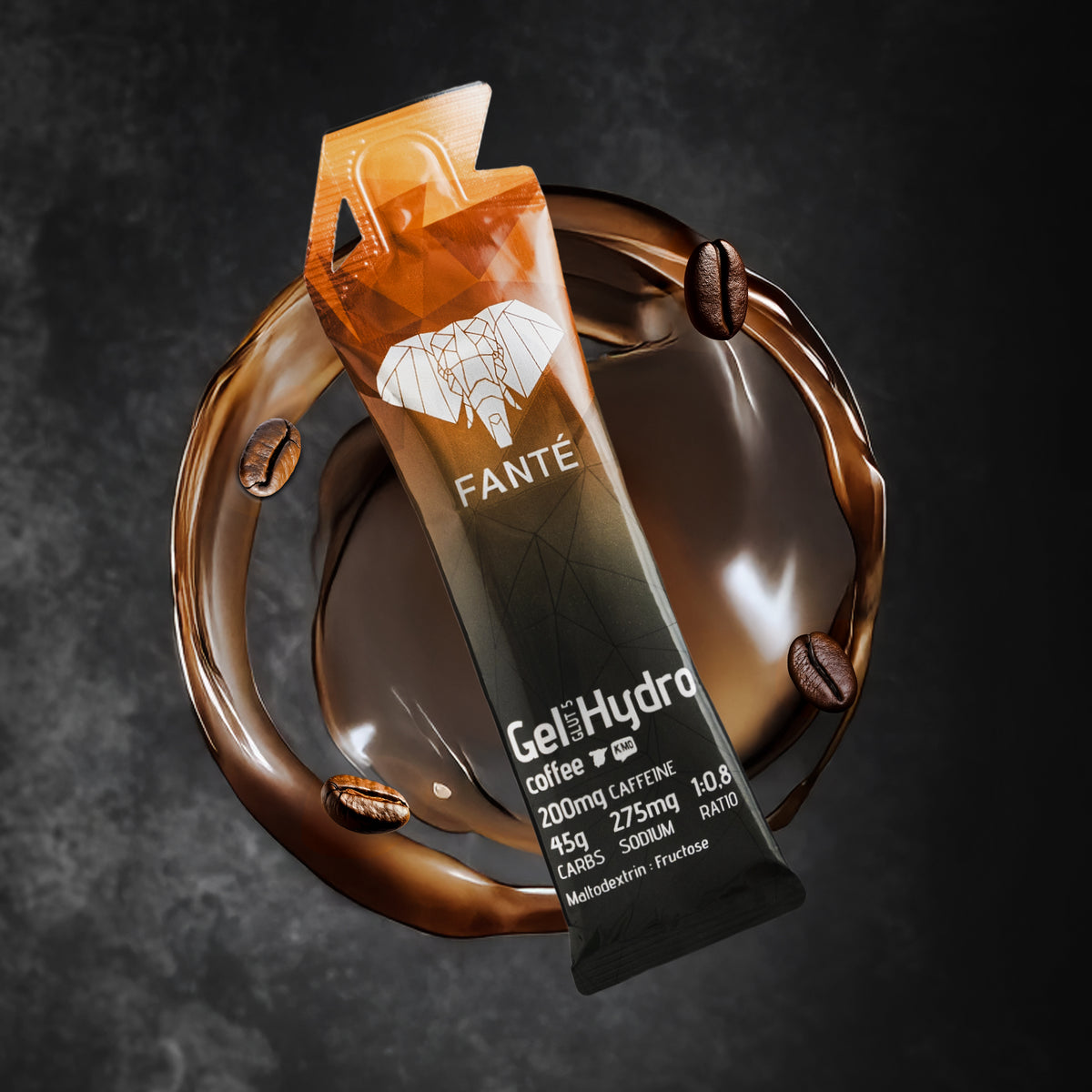
- The best gels combine maltodextrin + fructose, because this mixture increases the absorption rate and allows for more energy per minute.
-
Useful typical amounts: between 20-30 g of carbohydrates per gel in intense sessions.
Avoid gels with excessive simple sugars (such as only glucose or sucrose), which can cause insulin spikes and subsequent crashes.
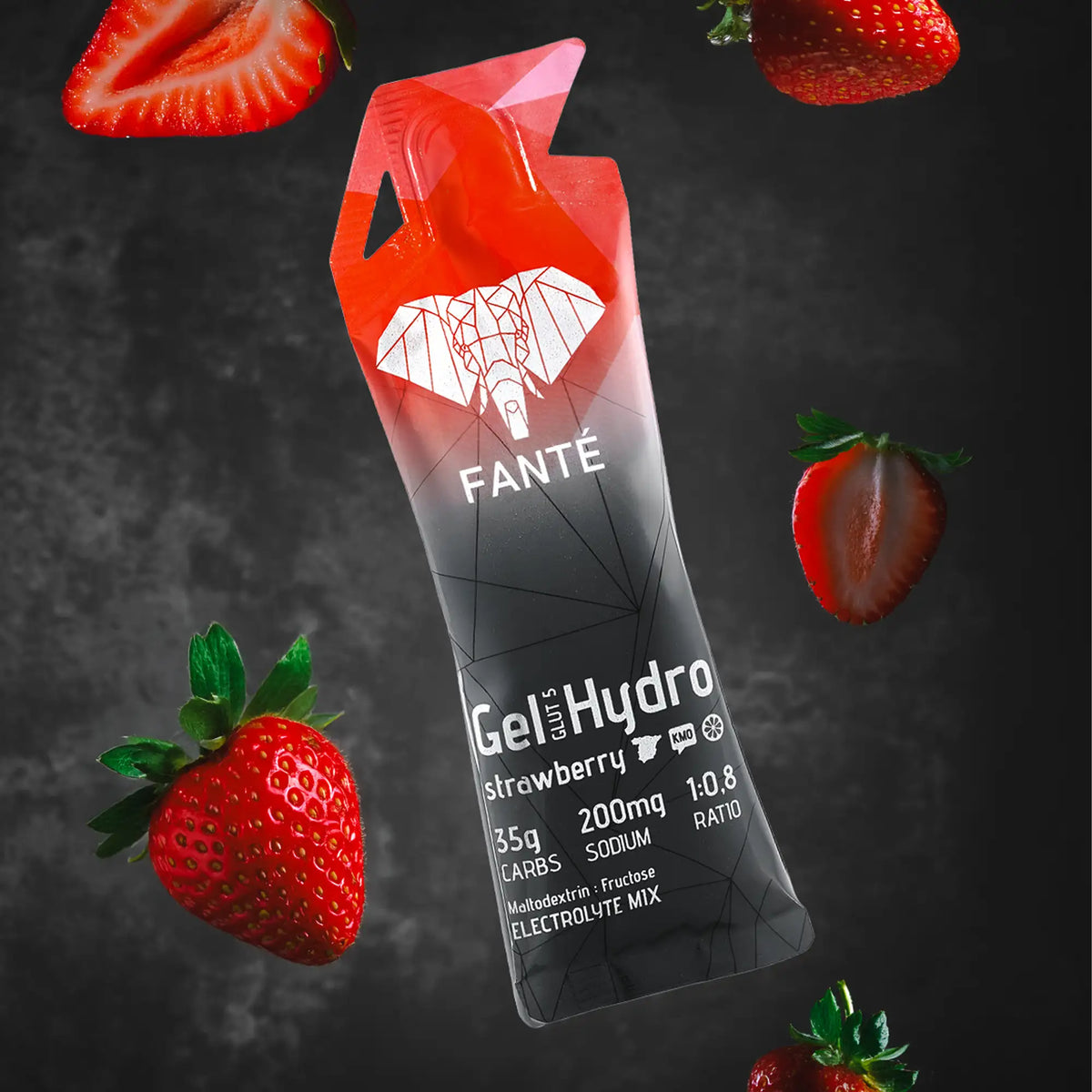
[[PRODUCTO:gel-hydro-35]]
2. Electrolyte content
During intense workouts, minerals such as sodium, potassium, and magnesium are lost through sweat.
A good energy gel should contain key electrolytes, especially sodium, to help maintain fluid and electrolyte balance and prevent cramps.
At Fanté, you can find gels with electrolytes for demanding workouts.
3. Flavor profile and digestive tolerance
Individual tolerance is essential. Some athletes prefer gels with mild flavors and low osmolarity to avoid stomach discomfort during exertion.
If you are sensitive to very intense flavors or thick textures, opt for lighter, easier-to-swallow formulas.
Explore supplements that enhance your nutritional strategy in performance supplements.
Strategies to maximize the results of your energy gel
1. Test during training, not in competition
Never try a new gel on race day. Your digestive system needs time to adapt.
Test different flavors, textures, and timing during your key sessions.
2. Always combine with hydration
Carbohydrate absorption improves when ingested with water. This also reduces the risk of nausea and cramps.
Always carry a bottle of water or an isotonic drink with you.
3. Adjust according to intensity and duration
- Short, explosive workouts (<60 min): 1 gel before or right at the start.
- Long or high-intensity sessions (>90 min): 1 gel every 45-60 min plus water.
- Workouts in heat or humidity: prioritize gels with additional electrolytes.
Common mistakes when using energy gels
Even the best gels can fail if not used correctly. Avoid these mistakes:
- Using them without hydration.
- Taking them too late when you are already fatigued.
- Choosing products with too much simple sugar, which can cause discomfort.
- Ignoring compatibility with other supplements or foods you may have consumed.
Conclusion: choose wisely to perform better
Choosing the right energy gel is not a matter of trends, but of understanding your metabolic needs, tolerance, and type of training. Prioritize products with:
- Fast-absorbing carbohydrates (maltodextrin + fructose)
- Essential electrolytes
- Easy-to-digest formulas
- Functional ingredients that boost your performance
With intelligent choices and a well-planned intake strategy, energy gels will be a powerful ally for your high-intensity workouts.
[[COMUNIDAD_CTA]]
Ready to improve your performance?
Discover our full range of energy gels formulated for demanding athletes, and complement your plan with sports performance products, rehydration and electrolytes to get the most out of every session.
Bibliography
Patterson SD & Gray SC. Carbohydrate-Gel Supplementation and Endurance Performance during Intermittent High-Intensity Running — International Journal of Sport Nutrition and Exercise Metabolism (2007).
A classic study showing that the ingestion of carbohydrate gels improves performance and maintains blood glucose during prolonged exercise.
Kozlowski KF, Ferrentino-DePriest A & Cerny F. Effects of energy gel ingestion on blood glucose, lactate, and performance measures during prolonged cycling — J Strength Cond Res (2021).
Recent research on how energy gel intake affects blood glucose and cycling performance.
Jeukendrup AE & Jentjens RL. Carbohydrate Intake during Exercise: Metabolic Effects and Performance Benefits — based on reviews of carbohydrate metabolism.
Reviews support that carbohydrate provision during exercise improves endurance capacity.
Reynolds et al. A Food First Approach to Carbohydrate Supplementation in Endurance Exercise: A Systematic Review — Nutrients (2023).
Systematic review analyzing multiple studies on carbohydrate intake (supplements vs. foods) and performance.
Carbohydrates and Endurance Exercise: A Narrative Review. PMC Article — a review describing how carbohydrate supplements, including gels, improve performance in endurance sports.
Natural versus commercial carbohydrate supplementation and endurance performance. PMC Article — shows evidence that carbohydrate consumption before and during prolonged exercise improves performance.
Consensus Document: Nutritional supplements in athletes. NPG by Antuñano et al. (2019). A medical consensus document on sports supplements, including the role of carbohydrates and gels as ergogenic aids.