What to eat during a long bike ride? Gels, bars, or sports drinks
Choosing what to eat during a long bike ride is not about deciding whether gels are better than bars or if you should only carry a sports drink. The strategy depends on how long the ride is, the intensity, the amount of carbohydrates per hour you need, and which formats you tolerate best while pedaling.
In long-distance cycling, you can combine gels, energy bars, and carbohydrate drinks within the same strategy. The important thing is to calculate the total carbohydrate intake per hour and choose the formats that you can consume easily during the ride.
In this guide, we explain when it makes sense to use each format and how to adapt your nutrition to 2, 4, 6, or more hour outings.
[[COMUNIDAD_CTA]]
What does your body need during a long bike ride?
During a prolonged ride, carbohydrates are one of the main sources of energy to maintain intensity and delay performance drops.
The necessary amount depends on the duration and intensity of the exercise, but in prolonged efforts, trained athletes can work with approximate intakes of 60–90 g of carbohydrates per hour when the strategy is trained and well-tolerated.
This does not mean that all cyclists need to consume 90 g/h. A three-hour recreational ride and a competitive six-hour gran fondo may require very different strategies.
If you want to delve deeper into overall cyclist nutrition, you can consult our guide on cyclist nutrition.
Gels, bars, or sports drinks? The answer depends on the moment
There is no universally better format. Gels, bars, and carbohydrate drinks can fulfill different functions within the same route.
| Format | Main advantage | When it might fit best |
|---|---|---|
| Energy gel | Precise and fast carbohydrate intake | Moments of high intensity, climbs, or when chewing is difficult |
| Energy bar | Solid and chewy format | Quiet sections, long rides, and moments where you want to vary texture |
| Sports drink | Provides liquid and carbohydrates at the same time | As a base for the strategy throughout the ride |
In practice, the format matters less than the total amount of carbohydrates, individual tolerance, and the ability to maintain the strategy throughout the session.
In high-intensity efforts, liquid formats and gels are usually more comfortable than solids because they require less chewing and are usually easier to consume while pedaling.
When to use gels during a long bike ride?
Cycling energy gels are especially practical when you need to introduce carbohydrates quickly and do not want to rely on solid foods.
They can be useful in:
- long climbs;
- high-intensity sections;
- competitions;
- moments where you cannot chew comfortably;
- rides where you need to precisely control carbohydrates per hour.
If you want to delve deeper into this format, you can consult our guide on sports gels for long-distance cyclists.
Gel Lite 30: for distributing intake in small portions
Gel Lite 30 provides 30 g of carbohydrates and 175 mg of sodium. It can fit into strategies where you prefer to consume smaller and more frequent amounts.
It is a practical option for cyclists who are not yet used to concentrating large amounts of carbohydrates in a single intake or who want to combine it with a sports drink.
[[PRODUCTO:gel-lite-30]]Hydro 35: fluid texture and 35 g of carbohydrates
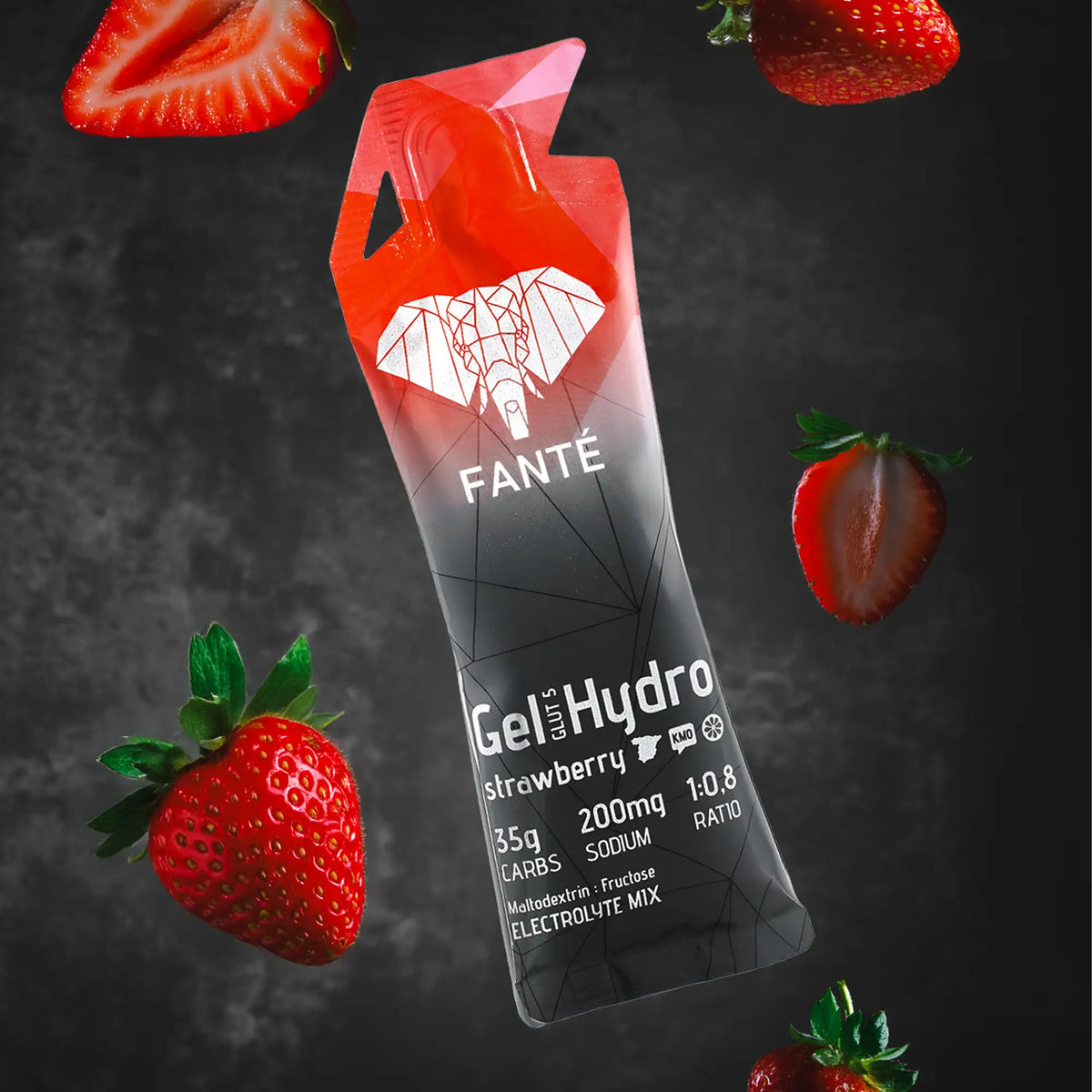
Gel Hydro 35 provides 35 g of carbohydrates and 200 mg of sodium in a liquid-textured format.
It can fit well during higher-intensity sections or when you prefer a more fluid texture over a concentrated gel.
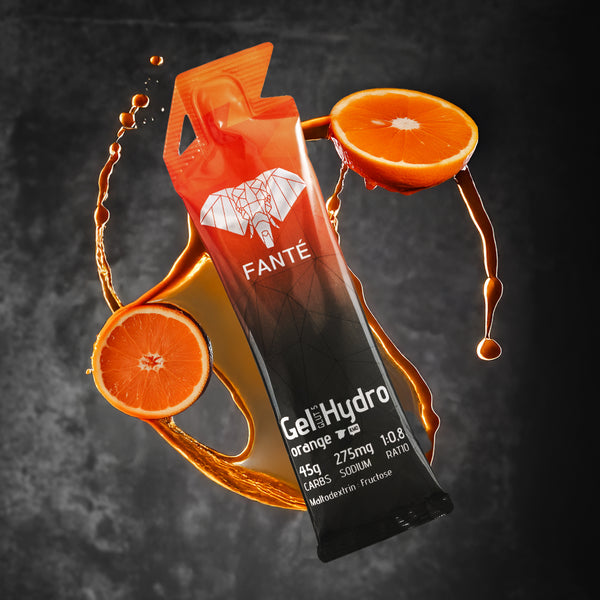
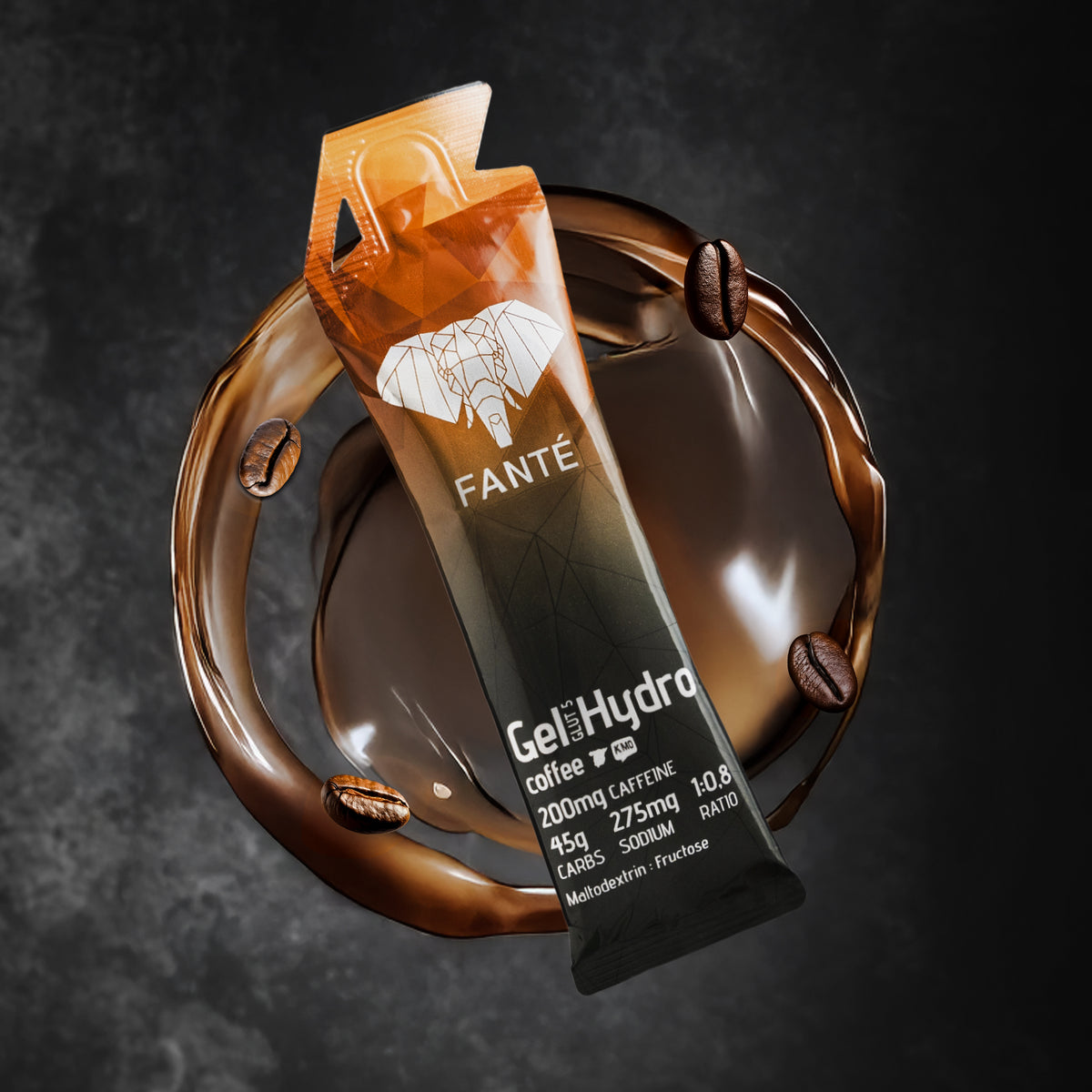
[[PRODUCTO:gel-hydro-35]]Hydro 45: an intermediate option
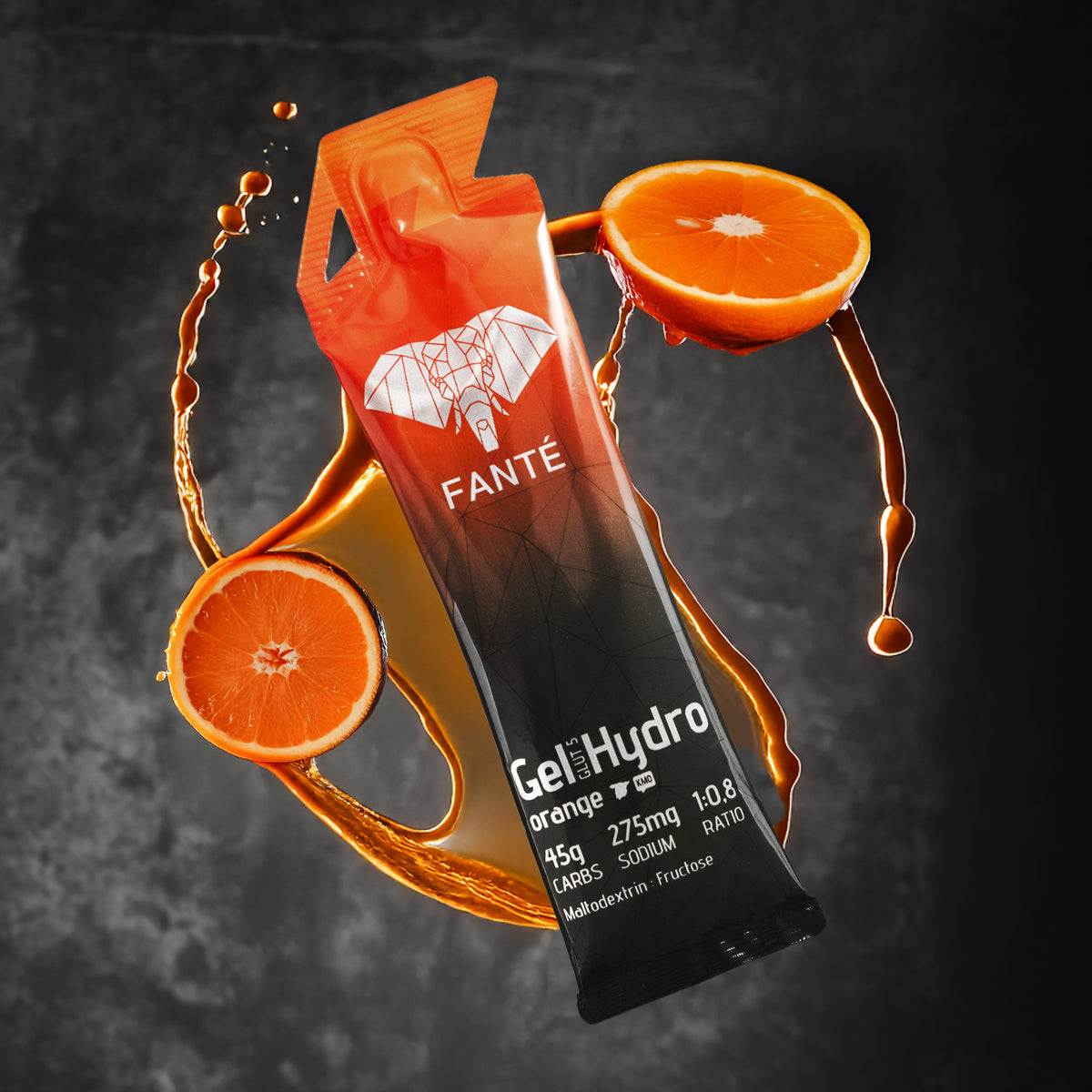
Gel Hydro 45 provides 45 g of carbohydrates and 275 mg of sodium. It sits between the 30–35 g and Gel 60 formats, so it can be useful for building intermediate strategies or combining with a drink.
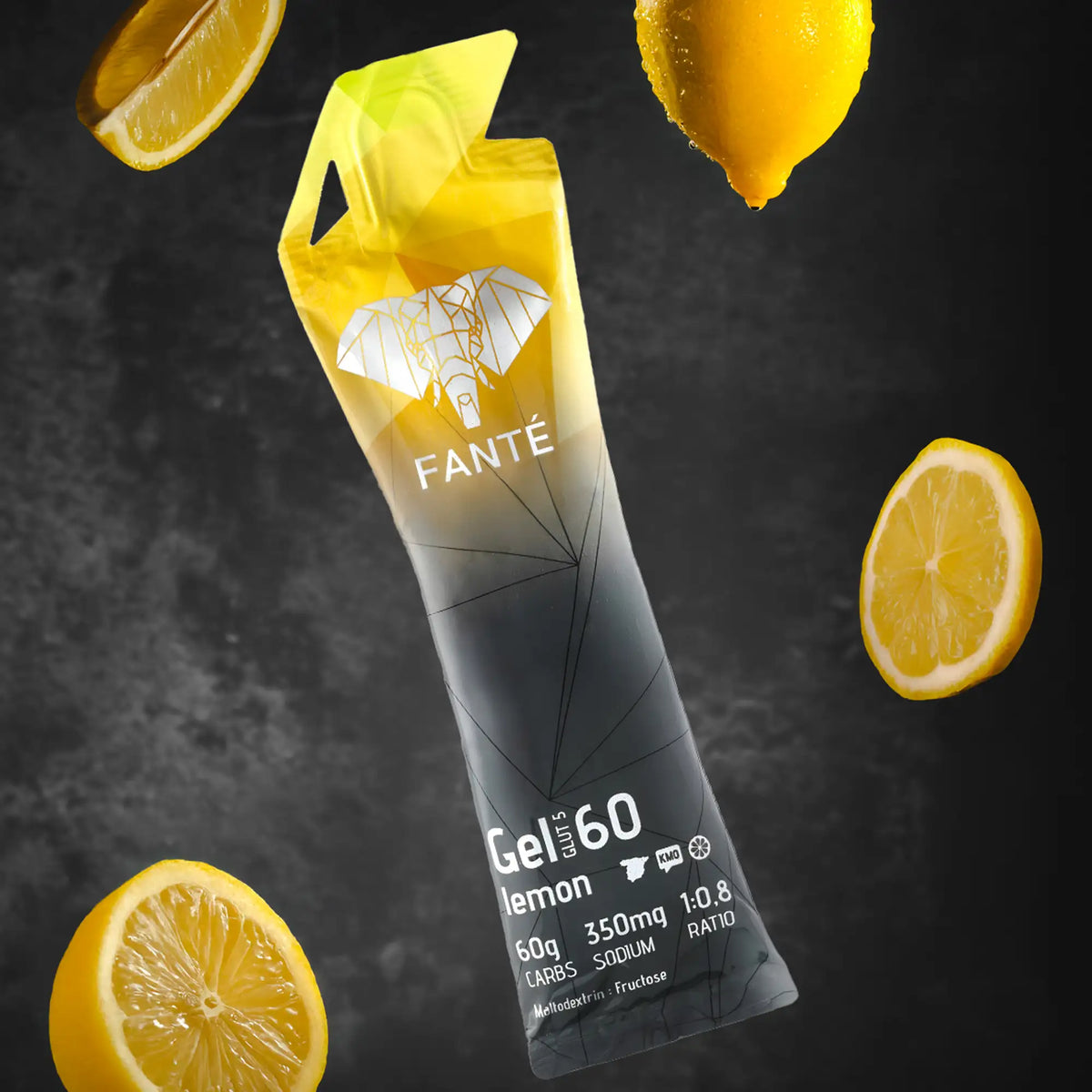
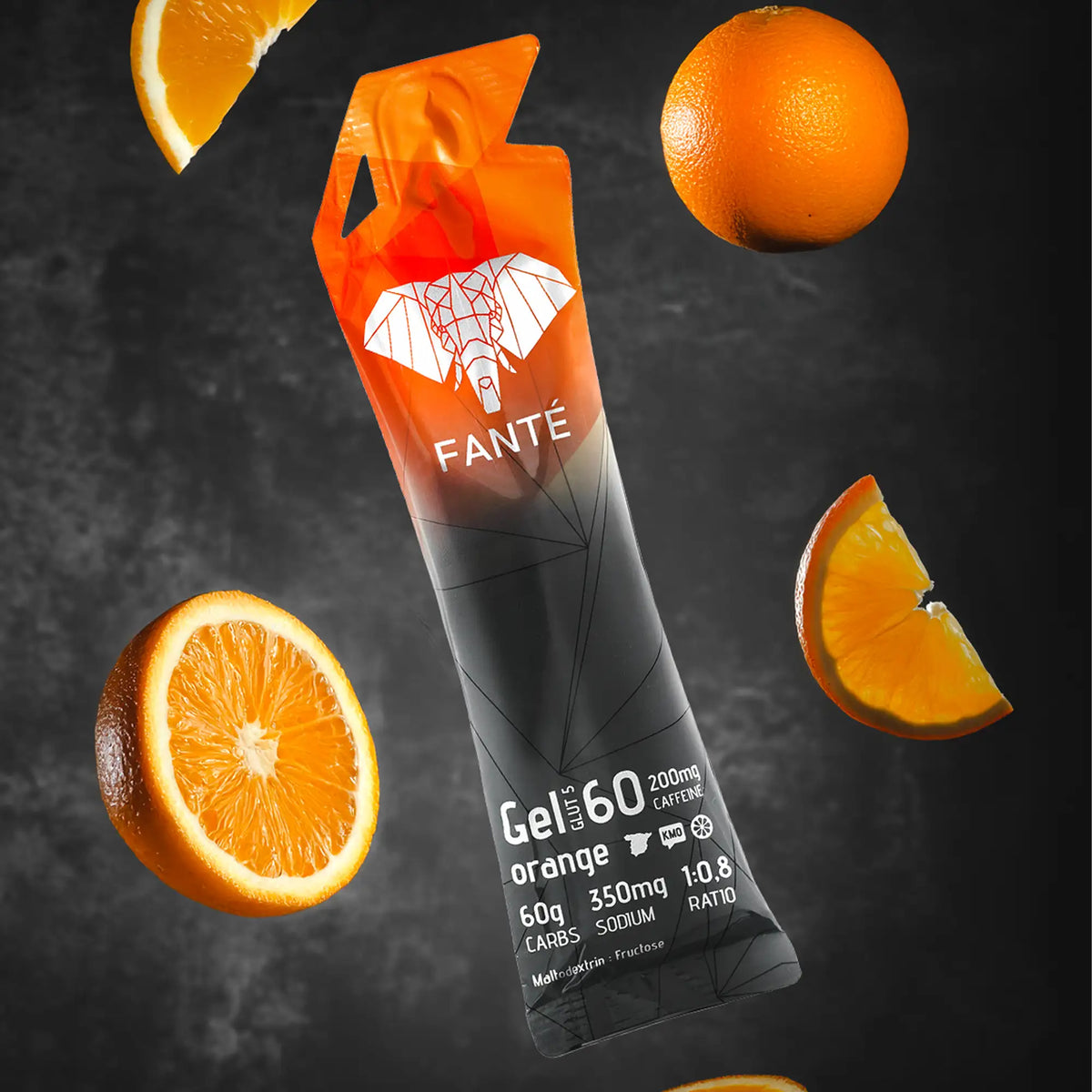
[[PRODUCTO:gel-hydro-45]]Gel 60: for high-intake strategies
Gel 60 provides 60 g of carbohydrates and 350 mg of sodium per unit, with 400 mg in the salted caramel version.
It can be especially useful on long rides, gran fondos, or competitions where you want to reach a high carbohydrate intake using fewer units.
For example, if you have trained a strategy of approximately 60 g of carbohydrates per hour, a Gel 60 can cover a significant part of that goal. If you also consume carbohydrates through a bottle or a bar, you must add them to the total.
[[PRODUCTO:gel-60]]When to choose energy bars in cycling?
Energy bars can be especially interesting when the intensity allows for chewing and you want to introduce a solid format into a long ride.
In cycling, you have an advantage over running: you can take advantage of descents, flats, or quiet sections to eat more comfortably.
Bars can help you to:
- vary texture and flavor;
- reduce the monotony of consuming only gels;
- introduce carbohydrates during low or moderate-intensity sections;
- make a several-hour strategy more sustainable.
The moment of use matters as much as the format. In intense efforts, it may be less comfortable to chew solid foods, while in steadier sections they can fit perfectly.
You can check out the FANTÉ energy bars to combine them with gels within a long-distance cycling strategy.
When to eat a bar during the ride?
The best moments are usually those where the intensity is relatively stable and you can chew without difficulty.
For example:
- first hours of a long ride;
- flat sections;
- simple descents;
- moments prior to a higher-intensity section.
Conversely, during a demanding climb or an intense competition, it may be more practical to use a gel or drink.
What role does a sports drink play during a long ride?
Cycling sports drinks can be one of the most useful tools because they allow you to provide liquid, carbohydrates, and, depending on the formulation, electrolytes in the same bottle.
This makes it easier to build a constant carbohydrate base during the ride and reduce the amount of solid products or gels you need to carry.
You can consult the entire range of FANTÉ hydration and sports drinks.
Do the carbohydrates in the bottle count too?
Yes. This is one of the most common mistakes in cycling.
If your bottle provides, for example, 45 or 60 g of carbohydrates, those grams must be added to the gels, bars, and other foods consumed during that hour.
The strategy should be calculated as follows:
drink + gels + bars + gummies + foods = total carbohydrates per hour.
If you want to better understand the differences between drinks, you can consult the FANTÉ guide on how to choose between different sports drinks.
What to eat according to the duration of the ride?
| Duration | What to prioritize | Formats that may fit |
|---|---|---|
| 1–2 hours | Simple strategy | Drink + gel if intensity requires it |
| 2–4 hours | Carbohydrate regularity | Drink + gels + an occasional bar |
| 4–6 hours | High planning and variety | Gels + bars + sports drink |
| More than 6 hours | Individualized strategy and variety of formats | Gels + solids + drink + tolerated foods |
Example: what to eat during a 4-hour cycling ride
Let's imagine a cyclist who plans to perform a four-hour ride and has a trained strategy of approximately 70 g of carbohydrates per hour.
Their total goal would be approximately:
70 g/h × 4 hours = 280 g of carbohydrates.
Afterward, they can distribute them among different formats.
For example:
- part through sports drink in the bottles;
- one or two gels in moments of higher intensity;
- a bar in a quiet section;
- a Hydro 35 or Hydro 45 when they want an intermediate intake;
- Gel 60 when they want to concentrate a larger amount of carbohydrates.
The exact combination matters less than the fact that the total per hour is consistent with the strategy you have trained.
What to eat during long sessions if you don't want to depend on gels?
It is not necessary to do an entire long ride only with gels.
Carbohydrates can be provided through different sources, including foods and supplements, as long as the strategy allows for the planned intake and is well-tolerated.
Therefore, you can combine:
- energy bars;
- carbohydrate drink;
- energy gummies;
- solid foods;
- gels in moments of higher intensity.
The best strategy is one that allows you to meet your carbohydrate needs and maintain good tolerance throughout the session.
When to use each format during a ride?
| Moment of the ride | Practical format |
|---|---|
| Start and steady pace | Drink + bar |
| Long climb | Gel or Hydro |
| Quiet section | Energy bar |
| High intensity | Gel or drink |
| Energy need | Caffeine every 1-2 hours |
Frequent mistakes when eating during a long bike ride
- Waiting to be hungry or lacking energy to start eating.
- Counting gels but forgetting the carbohydrates in the bottle.
- Using only solid foods during high-intensity sections.
- Taking too many products at the beginning of the ride.
- Copying another cyclist's strategy.
- Not practicing intake during training sessions.
- Depending on a single flavor or texture for many hours.
- Not adapting the strategy to heat and hydration.
Frequently asked questions about what to eat during a long bike ride
What to eat during a long bike ride?
During a long ride, you can combine gels, energy bars, and carbohydrate drinks. The choice depends on duration, intensity, and tolerance. Gels are usually practical in intense moments, bars in quiet sections, and the drink can serve as a constant base of carbohydrates and hydration.
How many carbohydrates per hour to take in cycling?
In prolonged efforts, trained cyclists can work with approximately 60–90 g of carbohydrates per hour when that amount has been practiced previously. The exact figure depends on the duration, intensity, and nutritional experience.
Is it better to take gels or bars in cycling?
There is no universally better format. Gels are easier to ingest during high intensity, while bars can be useful in moments where you can chew comfortably. Combining both formats is usually a practical strategy for long rides.
Can I do a long ride only with sports drinks?
It depends on the amount of carbohydrates the drink provides and the duration of the ride. In some cases, it can cover a significant part of the needs, but on long rides, many cyclists prefer to combine it with gels, bars, or other foods to meet the total goal and vary flavors and textures.
When to take the first gel on a long ride?
It is not necessary to wait until you notice fatigue. If your strategy includes gels, it is preferable to distribute the carbohydrates from the first phases of the ride. The exact moment will depend on how much carbohydrate the drink provides and the total goal per hour.
What to eat on a 4 or 5-hour bike ride?
On a four or five-hour ride, it is usually practical to combine carbohydrate drink, gels, and chewable foods. Gels can be reserved for moments of higher intensity, while bars can be used in quieter sections.
What to eat during long training sessions?
In long sessions, the priority is to maintain a regular intake of carbohydrates and use foods you have previously tested. You can combine drink, gels, bars, gummies, and solid foods according to the intensity of each section. You do not need to depend on a single format.
Conclusion: gels, bars, and drinks can be part of the same strategy
Deciding what to eat during a long bike ride should not be reduced to choosing between gels or bars.
Gels work especially well in moments of high intensity, bars allow you to introduce chewable foods when the pace permits, and sports drinks can provide carbohydrates regularly throughout the ride.
Calculate your needs per hour first and then use the formats that allow you to reach them in a practical and tolerable way.
[[COMUNIDAD_CTA]]