What is the best energy gel for cycling? How to choose based on your route
The best energy gel for cycling is not necessarily the one that provides the most carbohydrates or the one that contains caffeine. The choice depends on the duration of the route, the intensity, how much you are eating or drinking in addition to the gel, and the number of carbohydrates per hour that you have trained for.
On a short ride, you may need a very different strategy than for a five-hour sportive, a road race, or an MTB marathon. That is why, in this guide, we explain which gel to choose for cycling based on your route and how to combine different formats within the same strategy.
Before choosing the product, remember one fundamental idea: plan the carbohydrates per hour first and then decide how many gels you need to reach them.
[[COMUNIDAD_CTA]]
How to choose an energy gel for cycling?
To choose between different energy gels for cycling, there are four particularly important variables:
- Route duration: a 90-minute ride does not need the same nutrition as five hours on a bike.
- Intensity: the higher the intensity, the more practical it can be to use fast and easy-to-consume formats.
- Carbohydrates per unit: determines how many products you need to reach your goal per hour.
- Caffeine: it should be part of a planned strategy and not used automatically in all gels.
You must also add the carbohydrates coming from bottles, bars, gummies, or other foods. A gel is part of the strategy; it is not the complete strategy.
How many carbohydrates do you need during a bike ride?
In endurance cycling, the amount of carbohydrates needed generally increases with the duration and intensity of the exercise.
During prolonged efforts, trained athletes can work with intakes of approximately 60–90 g of carbohydrates per hour, provided they have practiced them previously and tolerate them correctly.
This does not mean that all cyclists need to reach 90 g/h. A recreational route, a short ride, or a low-intensity session may require a much simpler strategy.
Why does the carbohydrate combination matter?
When we seek high intakes, the total amount is not all that matters. The sources of carbohydrates we use also matter.
Combinations of maltodextrin or glucose with fructose allow for the use of different intestinal absorption pathways and are especially interesting when the amount of carbohydrates ingested during prolonged exercise increases.
If you want to delve deeper into this topic, you can consult our article on the 1:0.8 ratio and what scientific evidence says.
Which gel to choose based on your route duration?
Duration is one of the simplest criteria to start deciding which cycling gel fits best within your strategy.
| Route type | What to prioritize | Gel that may fit |
|---|---|---|
| Short route / 1–2 h | Simple strategy and moderate doses | Gel Lite 30 or Hydro 35 |
| 2–4 h route | Regularity and combination with drink | Hydro 35, Hydro 45 or Gel 60 |
| +4 h route | Higher energy density and variety | Gel 60 as one of the tools |
| Intense competition | Ease of intake and highly structured strategy | Hydro / Gel 60 depending on CHO/h |
This table is for guidance only. The final choice depends on how long you are going to ride, what carbohydrates your drink provides, and what amounts you tolerate.
Gel Lite 30: for strategies with smaller servings
Gel Lite 30 provides 30 g of carbohydrates and 175 mg of sodium. Its format allows you to spread the carbohydrate intake into smaller servings during a route.
It can fit especially well for cyclists who prefer to eat more frequently or who are not yet used to concentrating 45–60 g of carbohydrates in a single serving.
[[PRODUCTO:gel-lite-30]]Hydro 35: liquid texture and 35 g of carbohydrates
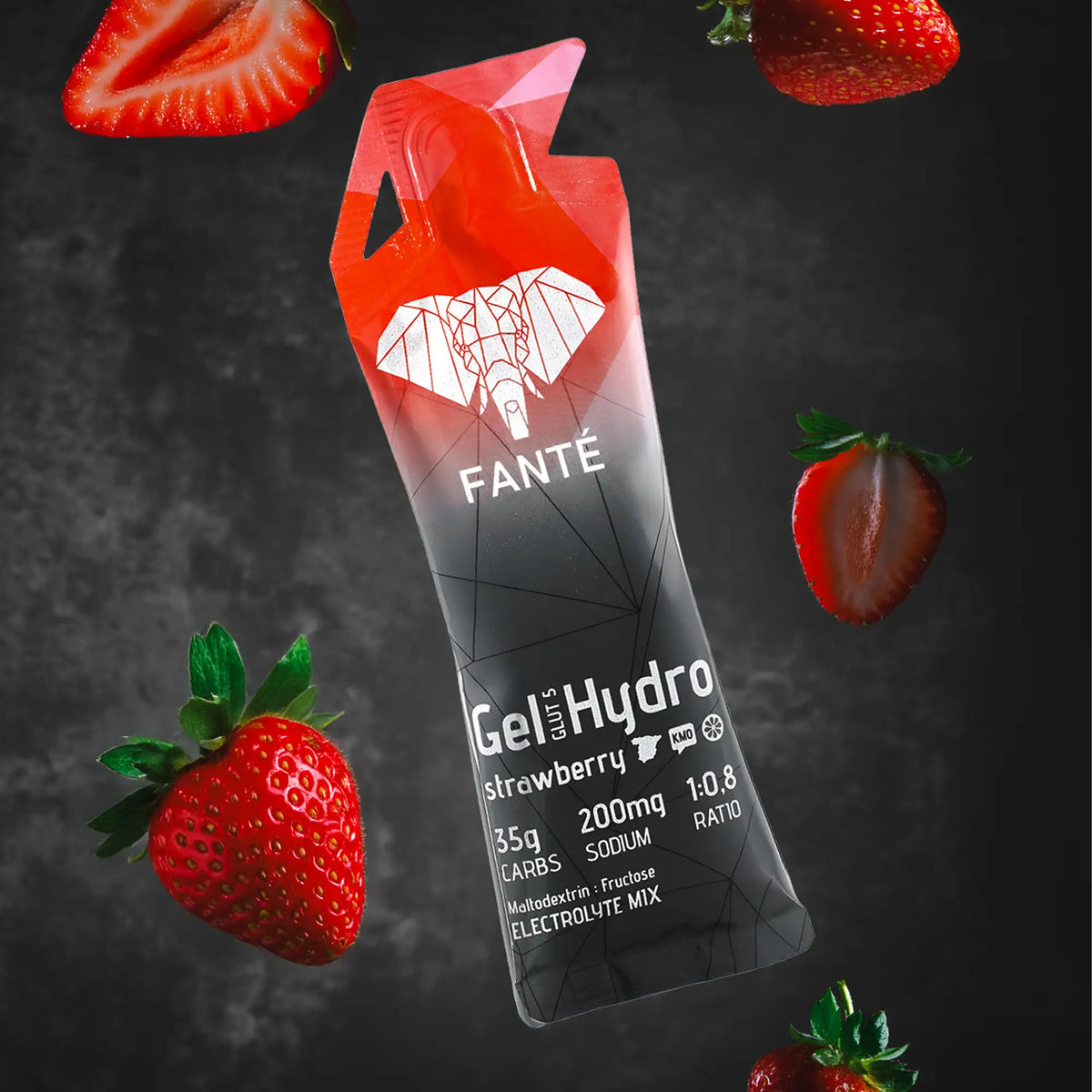
Hydro 35 provides 35 g of carbohydrates and 200 mg of sodium. Its texture is more liquid than a traditional gel and uses a combination of maltodextrin and fructose in a 1:0.8 ratio.
In cycling, it can be convenient for moments when you want to make a quick intake without using a format that is too concentrated.
The more liquid texture does not automatically mean it is better tolerated by all athletes. Tolerance must be tested previously during training.
[[PRODUCTO:gel-hydro-35]]
Hydro 45: when to choose a 45 g gel for cycling
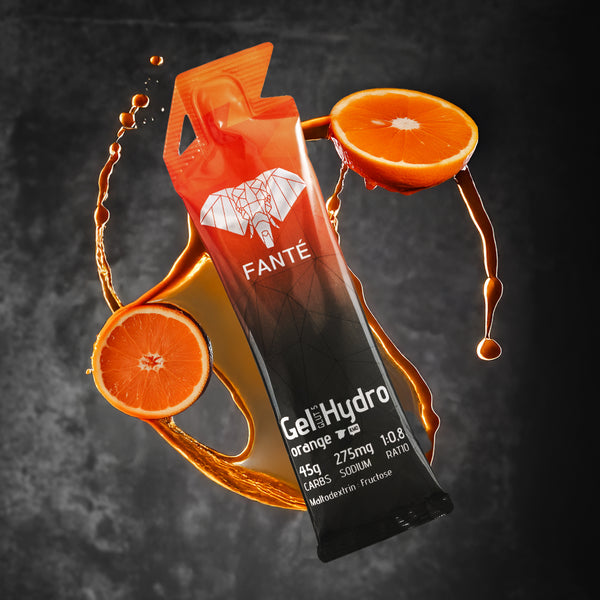
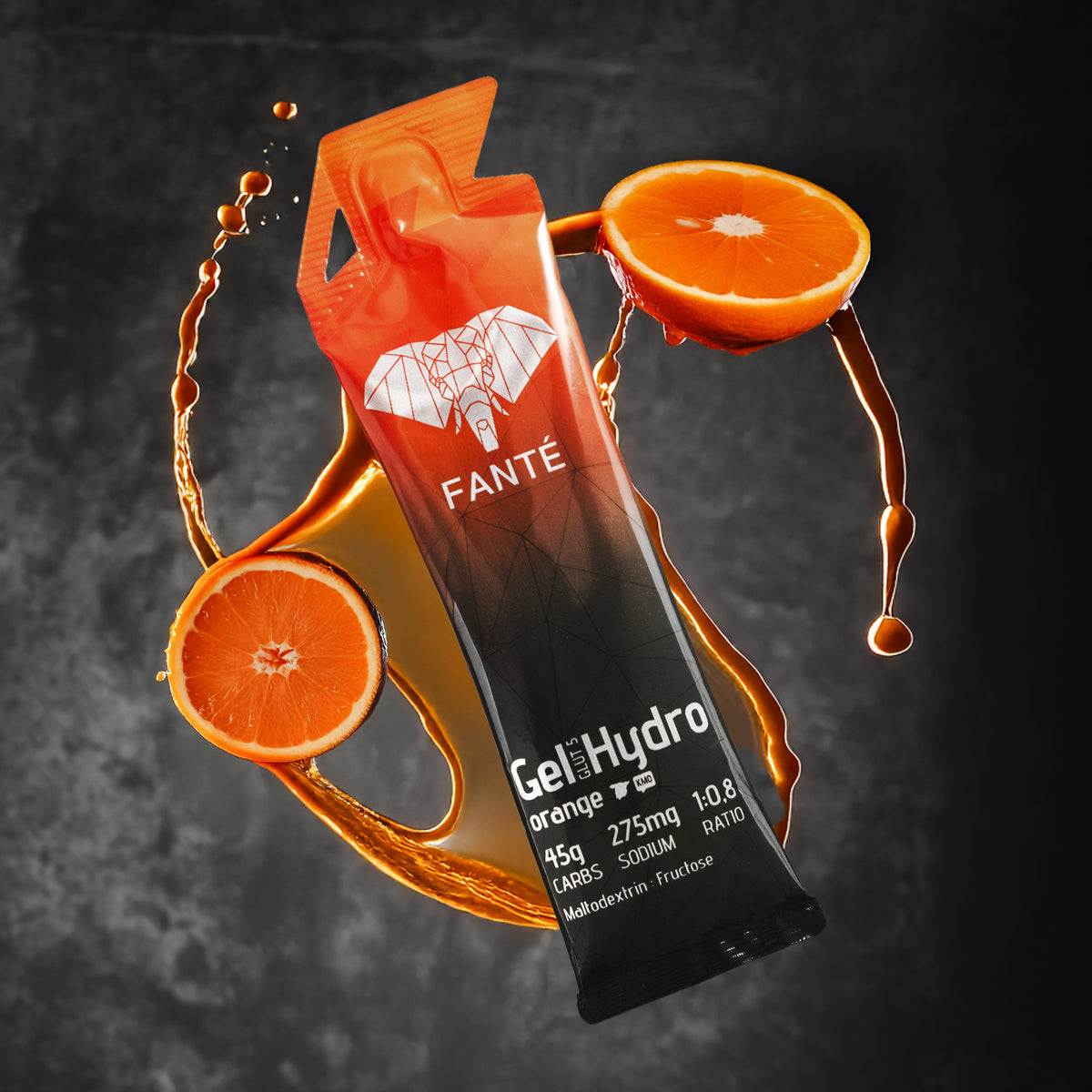
Hydro 45 provides 45 g of carbohydrates and 275 mg of sodium in a liquid texture format.
It can be an intermediate option between 30–35 g gels and a Gel 60, especially when you want to increase the amount of carbohydrates per serving without concentrating them all in a single 60 g unit.
Additionally, it allows you to build 60–90 g/h strategies by combining it with drink or other products based on the total planned amount.
[[PRODUCTO:gel-hydro-45]]Gel 60: for long routes and high-intake strategies
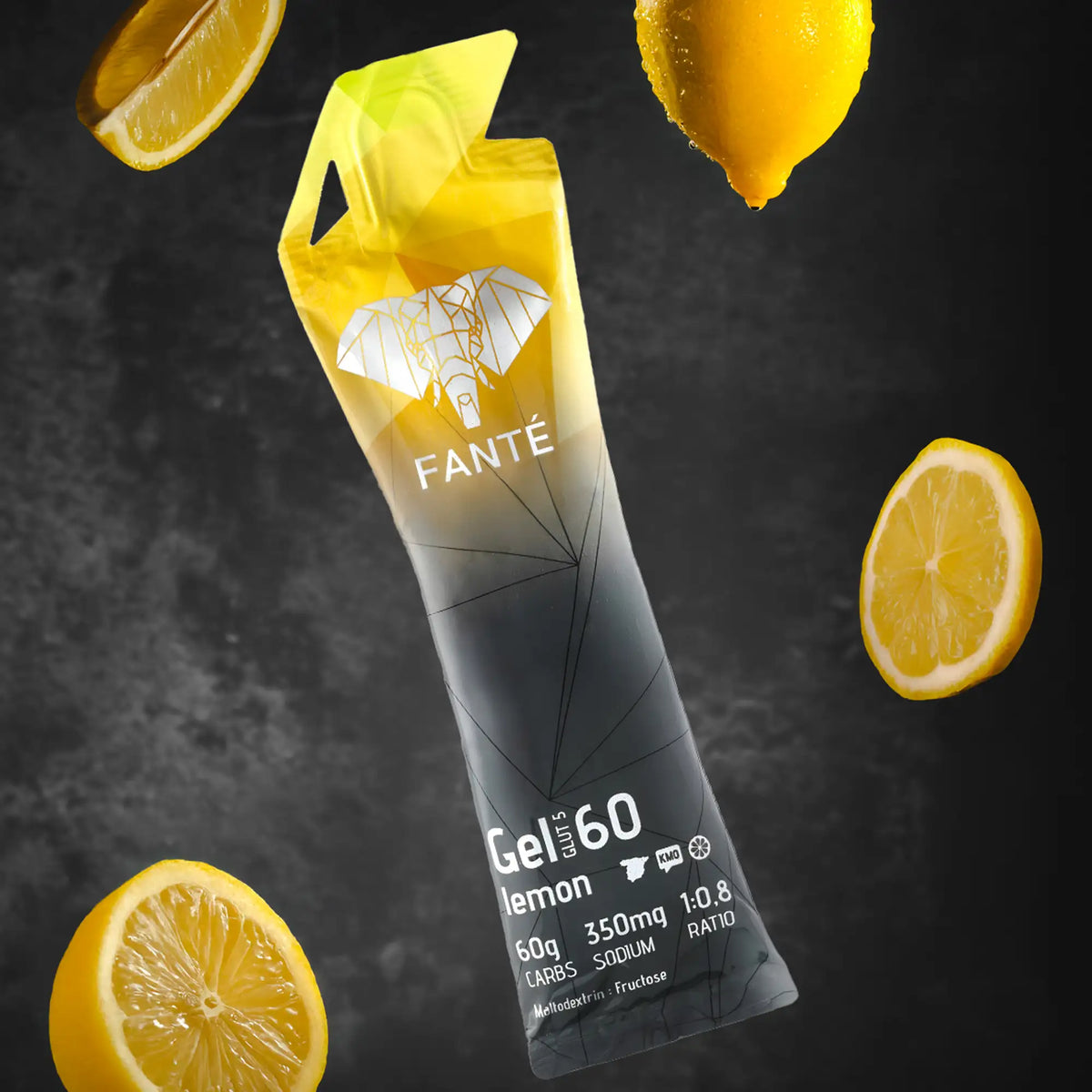
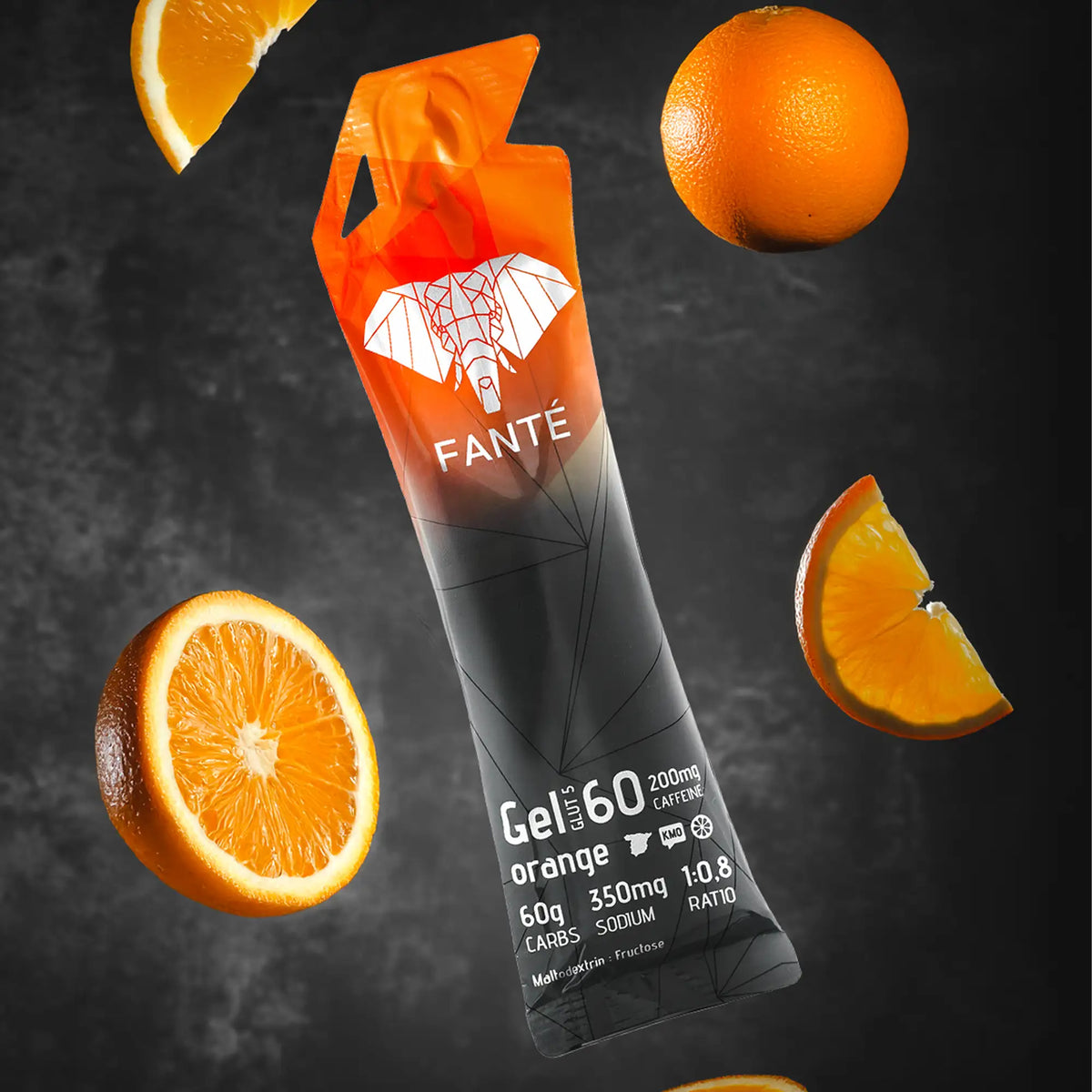
Gel 60 provides 60 g of carbohydrates and 350 mg of sodium per unit —400 mg of sodium in the salted caramel version— and is designed to concentrate a high amount of carbohydrates in a single intake:
On long routes, sportives, or endurance tests, it can be especially practical when you want to achieve a high intake using fewer units.
For example, a cyclist who has trained a strategy of approximately 60 g/h could use Gel 60 as one of the tools to reach that goal. If the goal is higher, you would have to add the carbohydrates coming from the bottle or other products.
[[PRODUCTO:gel-60]]Which gel is best for mountain biking?
In MTB, the choice of gel also depends on the terrain. On technical sections, it may be more difficult to unwrap and chew food, so gels allow you to introduce carbohydrates quickly.
For long mountain routes, it can be practical to combine cycling gels with drinks and chewable formats in the less technical areas.
A Gel 60 can reduce the number of units needed in a long test, while Hydro gels allow for intakes with a more fluid texture.
If you want to see the entire specific range, you can consult our energy gels for cycling.
Caffeinated or non-caffeinated gel for cycling?
Caffeine can improve certain aspects of endurance performance, but that does not mean that every gel on a route should contain caffeine.
It is usually most practical to use non-caffeinated gels as a base and reserve certain caffeinated gels for specific moments when they are part of the strategy.
The total amount must be calculated taking into account all sources: gels, coffee, energy drinks, or other products.
Gel Lite 30 Caffeine
The Gel Lite 30 Caffeine version provides 30 g of carbohydrates, 175 mg of sodium, and 100 mg of caffeine.
It can be used as a caffeinated serving during a route when you are looking for a smaller dose of carbohydrates than in 45–60 g formats.
Hydro 45 Caffeine
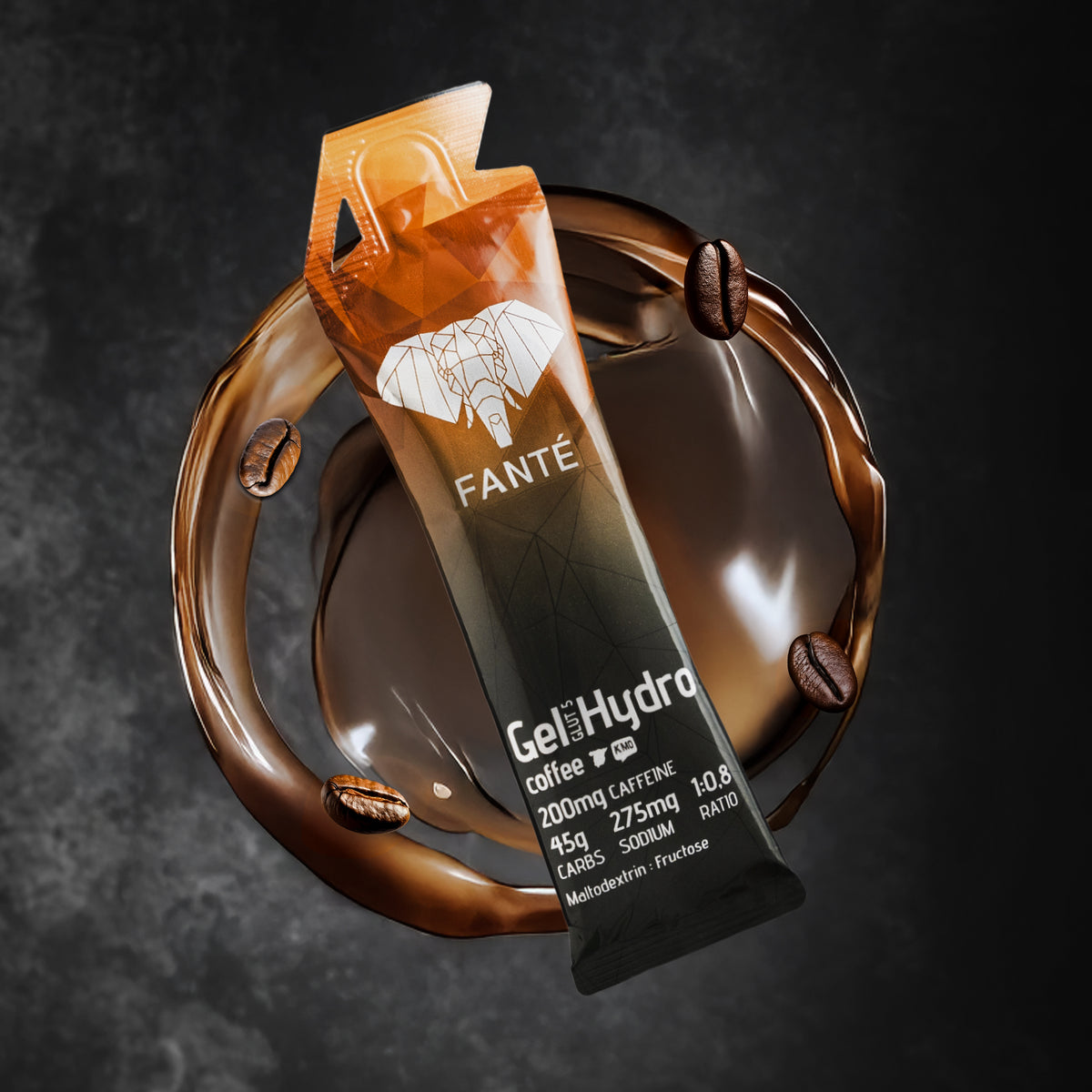
Hydro 45 Caffeine maintains the 45 g of carbohydrates and 275 mg of sodium, with versions that currently provide 150 or 200 mg of caffeine depending on the flavor.
Since these are relevant amounts of caffeine, it is advisable to account for the entire strategy and avoid chaining several caffeinated gels without having calculated the total dose.
Only gels? Combine them with your bottle and other formats
In cycling, you have an advantage over other sports: it is relatively easy to carry nutrition in bottles, jersey pockets, and frame bags.
Therefore, a multi-hour cycling strategy can combine:
- energy gels;
- carbohydrate drinks;
- bars;
- Carbo Gummy;
- Pâte de Fruit;
- solid food if intensity allows.
This also allows you to reserve gels for moments when you need to ingest carbohydrates quickly or the terrain makes it difficult to chew.
Example: which gels to carry for a 4-hour cycling route
Let's imagine a cyclist who is going to do a four-hour route and who has already trained a carbohydrate strategy.
Before putting gels in their jersey, they should define:
- how many carbohydrates per hour they want to consume;
- how many they will provide through bottles;
- how many they will provide through solid food;
- what amount they must complete through gels;
- whether they will use caffeine and at what moment.
For example, if bottles already provide a significant part of the carbohydrates, they will probably need fewer gels than a cyclist who only drinks water.
That is why there is no universal number of gels for a four-hour route.
Common mistakes when choosing gels for cycling
- Choosing the gel solely based on the amount of carbohydrates.
- Not accounting for carbohydrates in the bottle.
- Carrying too many caffeinated gels.
- Waiting until you run out of energy to start eating.
- Trying a new strategy on the day of a sportive or competition.
- Copying another cyclist's carbohydrates per hour.
- Not practicing how to open and consume the products while pedaling.
- Not adapting nutrition to the duration and intensity of the route.
Frequently asked questions about energy gels for cycling
Which is the best energy gel for cycling?
There is no single best energy gel for cycling. For short routes, gels with 30–35 g of carbohydrates may fit, while on long routes, a 45–60 g gel can simplify a high-intake strategy. The best option depends on your carbohydrate goal per hour, the rest of your food and drink, and your individual tolerance.
How many gels do I need for a bike ride?
First calculate your carbohydrate goal per hour and multiply it by the expected duration. Then subtract the carbohydrates from drinks, bars, and other food. The remaining result will allow you to estimate how many cycling gels you need.
How often should I take a gel while cycling?
It depends on how much each product provides. A Gel Lite 30 provides 30 g of carbohydrates, Hydro 35 provides 35 g, Hydro 45 provides 45 g, and Gel 60 provides 60 g. Therefore, it makes no sense to recommend the same interval for all gels.
Is a liquid gel better for cycling?
Not necessarily. Hydro formats have a more fluid texture and some cyclists may find them more comfortable to ingest while moving. However, the choice should depend on your preferences and tolerance, not on assuming that a certain texture is universally better.
When to take a caffeinated gel on a bike?
Caffeine should be planned within the athlete's total dose. It can be reserved for certain moments of a route or competition instead of being present from the first gel. Do not try caffeinated products for the first time on the day of an important test.
Which gel to choose for a long sportive?
On multi-hour sportives, it is usually useful to combine different formats. A Gel 60 can concentrate a larger amount of carbohydrates, while Hydro 35 or Hydro 45 allow you to distribute smaller intakes. Drink and solid food must also be accounted for in the strategy.
Which energy gel to choose for mountain biking?
In MTB, it can be especially practical to use gels on sections where the terrain makes it difficult to eat solid food. On long tests, you can alternate cycling energy gels with drinks, gummies, or bars when the terrain allows you to chew comfortably.
Conclusion: the best gel for cycling depends on your route
Choosing which energy gel is best for cycling starts by analyzing the duration, the intensity, and the total amount of carbohydrates you want to consume.
Gel Lite 30 allows for smaller servings; Hydro 35 and Hydro 45 offer intermediate amounts in a more fluid texture; and Gel 60 allows you to concentrate 60 g of carbohydrates in a single unit.
Caffeinated versions can be added strategically when justified, but they should not automatically become the base for all intakes.
The best strategy is the one you have calculated, tested during your training, and can stick to when you have spent several hours on the bike.
[[COMUNIDAD_CTA]]