We know that Digestive System Training is much more than simply ingesting food and liquid during HC (guide »training the gut»)
It's actually a method, a tool upon which to base any sports nutrition intervention, at least from our perspective. We are more convinced of this every day. And the possibilities of this method, based on our limited experience and knowledge, are numerous. We see this every day in our work with professional cyclists competing in the world's best races. Therefore, it's essential to understand the context, learn the theoretical mechanisms, comprehend its effects, recognize its drawbacks, explore its potential, put it into practice, measure progress, monitor both successes and failures, and then extract the most valuable knowledge to begin the process again.
To determine the most suitable method for Digestive System Training (DST), you must first understand its main objectives. As we've already mentioned, DST is much more than simply training tolerance, gastric emptying, and the absorption of fluids and nutrients. While these are the primary goals, DST indirectly improves and optimizes nutritional habits, eating behavior, metabolic adaptations to training, athletic performance, recovery, and ultimately, the overall health of athletes. To achieve this, training the stomach and small intestine is essential. It's the foundation.
Therefore, it is clear that the ESD can have, as far as the Digestive System itself is concerned, 2 well differentiated levels of action: Stomach and Small Intestine.
To train at each level, we must understand the characteristics of each "environment" and the possibilities they offer. Then, we will explore methods to optimize adaptations within each environment.
LEVEL 1 – Stomach
When we talk about training the stomach, we mean adapting it to tolerate a greater amount of liquid and food during exercise, improving its storage capacity. This doesn't seem to be a problem when we're at rest, but during exertion it represents one of the biggest challenges. Due to the splanchnic vasoconstriction that occurs during exercise, where approximately 80% of blood flow is redirected to the working muscles, digestive functions are considerably limited, generating an additional problem (gastrointestinal symptoms).
In addition to tolerating larger quantities with greater comfort and a lower prevalence of gastrointestinal problems, another objective of ESD is to improve the efficiency of the stomach's functions, especially regarding gastric emptying (G&E). Remember that G&E depends on multiple factors such as volume, energy density, osmolarity, temperature, and pH, among others. During moderate-to-high-intensity exercise (>70% VO2max), G&E is significantly limited. The mechanisms behind this limitation appear to include, among others, the sympathetic activation associated with exertion and the corresponding inhibition of vasovagal reflexes, as well as reduced secretion of related hormones (GLP-1 and CKK).
To address these difficulties, the ESD can act through different mechanisms, achieving the following effects:
- Distension of the stomach walls to tolerate a larger volume. Interesting studies have already analyzed these effects on gastric tolerance. (1)
- Increased gastric emptying (GEL) in both quantity and speed. Considering the various factors that limit GEL, volume and reflex inhibition appear to be the most decisive. Studies in humans have already demonstrated how GEL can increase after training prior to a specific diet, such as one with high fructose intake or various combinations of carbohydrates. Greater GEL efficiency ensures optimal digestive function and increased nutrient availability in the small intestine.
- The reduction of inhibitory feedback appears to be the main mechanism behind the improvement in gastric volume (GV) after esophageal skipping (ESD). Its reduction improves stomach function and allows for greater efficiency in the passage of nutrients to the small intestine, limiting their time in the stomach and thus preventing gastrointestinal problems, reflux, etc.
- Stomach comfort and fewer digestive problems. The above points aim for greater stomach comfort during exertion, and this is "rewarded" with a lower prevalence of gastric problems.
LEVEL 2 – Small Intestine
The second step in the digestive process is the absorption or transport of nutrients into the bloodstream so that each one can follow its specific path to its destination, always depending on the different physiological situations present at the time. For this absorption to take place, and specifically with carbohydrates (CHO), the corresponding transporters must do their job. First, in the apical membrane of the enterocyte, and second, in the basolateral membrane of the same cell to access the bloodstream. At this point, any CHO will have been digested into glucose or fructose (and galactose). It is well known that for each monosaccharide there are different transporters that are also specific to each region of the enterocyte. We will briefly summarize them.
Glucose is absorbed at the apical membrane via the sodium-dependent transporter SGLT-1, and fructose via GLUT5. Both sugars are subsequently transported into the bloodstream via GLUT2 at the basolateral membrane. However, we must also be aware that fluid and sugar transport occurs, albeit to a lesser extent, passively through paracellular absorption. We have another guide that specifically addresses single-dose carbohydrates and beverages.
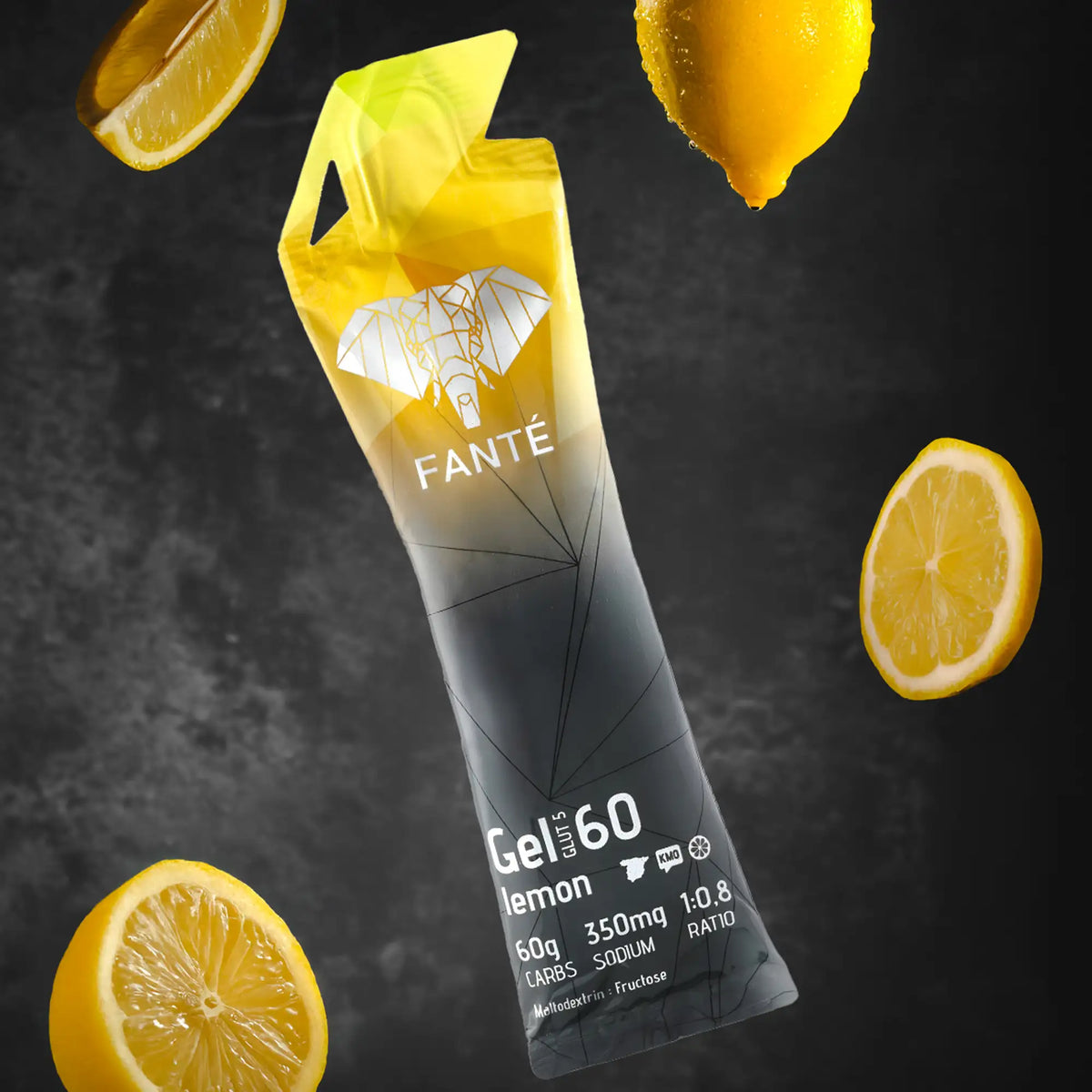
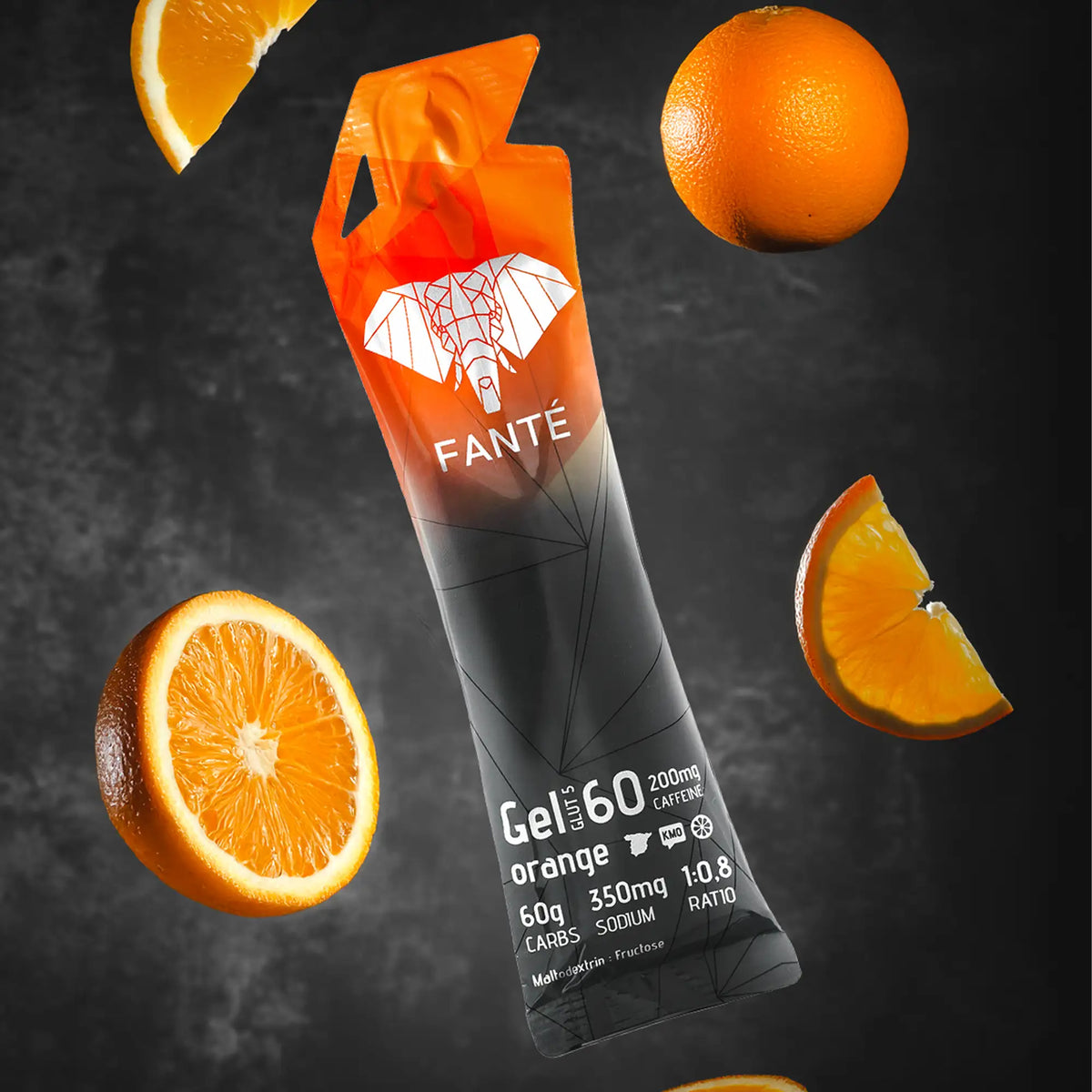
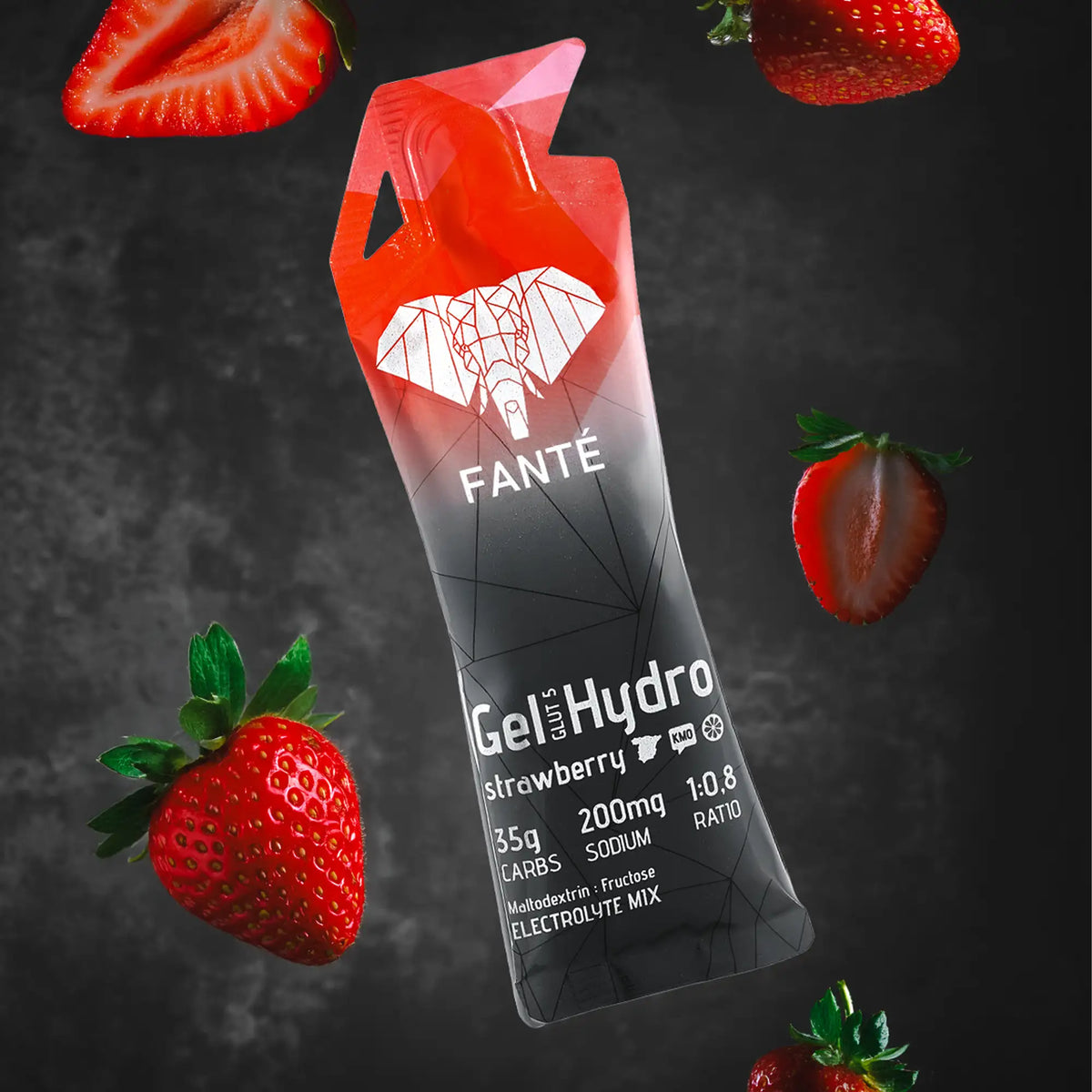
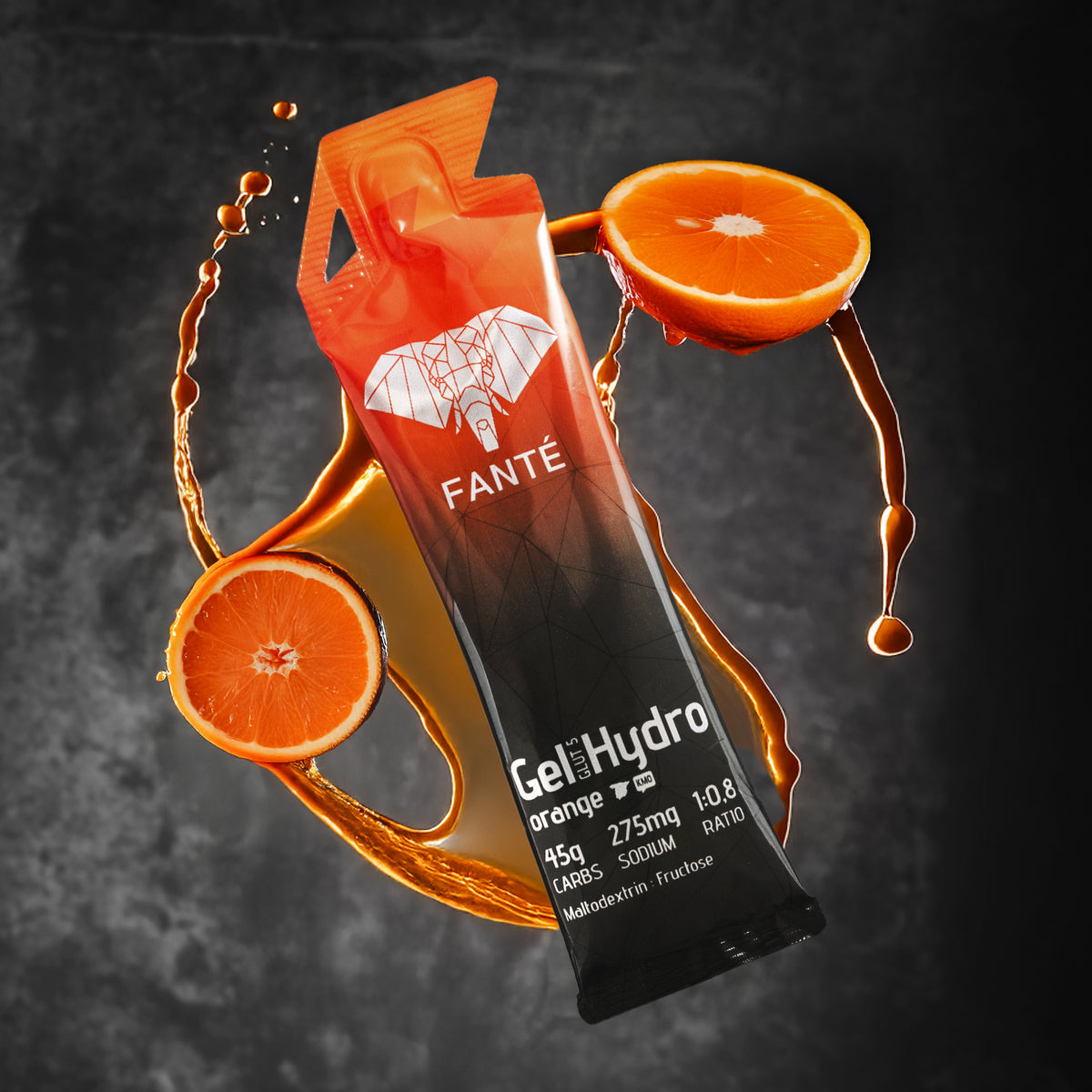
This transport also depends on various factors. Among them, the most important is the availability of monosaccharides and other solutes, such as sodium, in the intestinal lumen. Therefore, at Fanté, we have incorporated into our Gel 60 range the minimum amount of sodium that an athlete should consume: 350-450 mg/hour. Likewise, absorption depends on the gastric emptying rate, osmolarity, temperature, and pH, among other factors. For this reason, we constantly monitor the pH by adding freshly squeezed natural juice, avoiding citric acid, artificial flavors, and/or preservatives. Regarding osmolarity, we ensure that the maximum tolerable carbohydrate-to-water ratio is never exceeded, maintaining isotonicity to prevent high osmolarity.
[[PRODUCT:gel-60]]
The possibilities offered by the Small Intestine when it comes to training it and improving its absorption efficiency are numerous, and therefore, the ESD should focus on addressing them and trying to optimize them to the fullest:
- Greater tolerance to high concentrations. This refers to better tolerance to high osmolarity, which allows for improved nutrient transport and, above all, helps avoid lower gastrointestinal problems, mainly related to increased fluid secretion.
- Greater exposure of sugars in the lumen. If stomach function is better, a greater amount of solutes will be allowed in the lumen.
All of this would increase the expression of transporters. It has been documented, primarily in animals, that the SGLT-1 transporter reacts to a high and "chronic" presence of glucose and sodium in the lumen. This triggers the transcription mechanisms of this protein, allowing for a greater abundance of it and, therefore, improving glucose transport. A diet rich in fructose, such as the one discussed earlier, could also have this effect.
Another interesting finding is that the basolateral transporter GLUT2 appears to "exit" to the apical membrane when SGLT-1 is saturated (1-1.2 g/min), (60 grams/hour), allowing for a faster rate of glucose absorption. How GLUT2 reacts chronically is, at least to our knowledge, a mystery, but it may represent another adaptation in sugar transport for the future. Currently, a concentration above 7-9% in carbohydrate beverages or a 1:0.8 ratio is the only thing that works. (1 )
METHODS
STOMACH:
Train on a full stomach
This is a very common practice since tolerance and gastric emptying depend on the volume in the stomach. Training immediately after eating, with a full stomach, is a very effective way to improve tolerance for holding large volumes in the stomach and, indirectly, also in the small intestine. To carry out this practice, however, we must pay special attention to the previous meal.

The volume and volume of fluid consumed are the primary factors in gastric emptying. Without sufficient volume, this process is much less efficient, and tolerance becomes more difficult. Therefore, athletes must be able to tolerate high fluid volumes during physical exercise. Furthermore, hydration is a key requirement for post-exercise dehydration (PED). Without proper hydration, digestive functions deteriorate considerably, leading to a process of impairment that worsens exponentially over time. To maintain adequate hydration, athletes should train with high fluid intake during the initial phases of PED. A progressive intake, starting with a minimum of 500 ml/h using an isotonic drink (depending on the sport—it's easier to manage in cycling than running, for example), and increasing to 800 ml/h, could be the key to implementing this method.
INTESTINE:
Consuming high amounts of carbohydrates during exercise
The adaptation of the small intestine is due to the enterocytes' ability to absorb a greater amount of sugars. To achieve this, it is important to expose the cells themselves to a high amount of carbohydrates during exercise. This will generate, in the medium to long term, a greater expression of transport proteins and, therefore, a greater transport or absorption capacity, which will increase the availability of monosaccharides in the bloodstream. When we talk about transport proteins, we are referring to the well-known transporters: SGLT-1, sodium-dependent, for glucose; and GLUT5, sodium-independent, for fructose. However, we now know that the transport of both monosaccharides, although to a lesser extent, also depends on other mechanisms such as passive transport and osmosis.
With this in mind, it's important to specify that the high carbohydrate intake during exercise should follow a combination of sugars pattern; that is, using foods, bars, gels, drinks, etc., that contain both maltodextrin and fructose. The recommended amount should be progressive and individually tailored to each athlete, but generally speaking, an initial guideline of 45-60 g/h could be very suitable, progressing with training to 100-120 g/h. You can read more about this in our guide, "Training the Gut."
Literature