Practicing sports in the summer requires more attention to hydration. Heat, humidity, and increased sweating cause the body to lose more water and electrolytes, especially during long training sessions, intense workouts, or outdoor activities.
A good hydration strategy for summer sports is not just about drinking more water. It also involves starting your workout well-hydrated, adjusting fluid intake according to duration and temperature, replenishing sodium when sweat losses are high, and recovering properly after exercise.
In this guide, you'll find summer hydration tips to train more safely, maintain performance, and avoid common mistakes like only drinking when thirsty or consuming large amounts of plain water during prolonged sessions.
For a more comprehensive strategy, you can also consult our hydration guide.
Why summer hydration differs from the rest of the year
Summer hydration changes because the body needs to dissipate more heat. To regulate body temperature, sweating increases. This mechanism is essential, but it also leads to a greater loss of water and electrolytes, especially sodium.
When you train in the heat, your cardiovascular system works harder. Part of the blood flow is directed to the skin to help eliminate heat, while muscles continue to demand oxygen and nutrients. If dehydration also occurs, the effort can feel harder even if the pace is the same.
That's why in summer, it's common to notice higher heart rates, a greater feeling of fatigue, more thirst, more sweat, and poorer tolerance to paces that are comfortable at other times of the year.
The key is not to try to "beat" the heat by drinking uncontrollably, but to plan better. An effective hydration strategy for summer sports should consider:
- Temperature and humidity.
- Duration of the workout.
- Intensity of the session.
- Your individual sweat rate.
- The amount of sodium you lose through sweat.
- Availability of water points or hydration products.
It is also important to adapt your training schedule. Whenever possible, it is advisable to train first thing in the morning or at the end of the day, avoid midday hours, and adjust your pace when the heat is high. If you run in the summer, you can find more information in our tips for running in summer.
Summer hydration tips for athletes
Good summer hydration begins before training and ends several hours afterward. It's not enough to drink during the session: the pre-workout state and post-workout recovery also influence performance and how you feel.
Below are the most important points for adjusting hydration when training in the heat.
Always start training hydrated before heading out
One of the most frequent mistakes is to start training already dehydrated. In summer, this can easily happen if you haven't slept well, have spent many hours in the sun, haven't drunk much during the day, or are coming from a previous session with a lot of sweating.
Before heading out, check for simple signs: urine color, feeling of thirst, dry mouth, headache, or unusual fatigue. These are not perfect methods, but they can help you detect if you need to drink more before training.
As a practical guideline, try to start your workout normally hydrated, without intense thirst or the need to drink large amounts right before starting. Drinking too much at once can cause digestive discomfort and a feeling of heaviness.
Drink by schedule, not just by thirst
Thirst is a useful signal, but in long, intense, or very hot workouts, it can arrive late. Therefore, in summer, it is usually more advisable to drink following a flexible schedule.
A simple strategy is to drink small amounts every 10-20 minutes, especially if the session exceeds 45-60 minutes or if the heat is high. This guideline should be adapted to each athlete, as not everyone sweats the same or needs the same amount of fluid.
The goal is not to drink as much as possible, but to reduce fluid deficit without causing gastrointestinal discomfort. For short, light sessions, water may suffice. For long, intense, or very sweaty workouts, it may be helpful to include electrolyte drinks.
Increase intake based on heat and workout duration
The amount of fluid you need is not the same for a gentle 30-minute run as it is for a 3-hour summer bike ride.
The longer the duration, intensity, temperature, and humidity, the greater the sweat loss. Therefore, a good hydration strategy for summer sports must be adjusted to the actual training conditions.
As a general reference, many athletes may need between 400 and 800 ml of fluid per hour during exercise, although this figure can vary greatly depending on individual sweat rate, climate, body size, and intensity. For athletes with very high sweating, needs may be higher.
A practical way to personalize this is to weigh yourself before and after a representative session. If you lose a lot of weight through sweat, you probably need to increase your fluid intake or improve your hydration strategy.
Replenish electrolytes, not just water
In summer, sweating more doesn't just mean losing water. Electrolytes are also lost, especially sodium. Sodium helps maintain fluid balance and promotes fluid retention, which is why it can be important during long sessions or with a lot of sweating.
Drinking only water for a long time, especially if the training is prolonged and sodium losses are high, may not be enough. In some cases, it can even contribute to diluting blood sodium too much if too much is drunk.
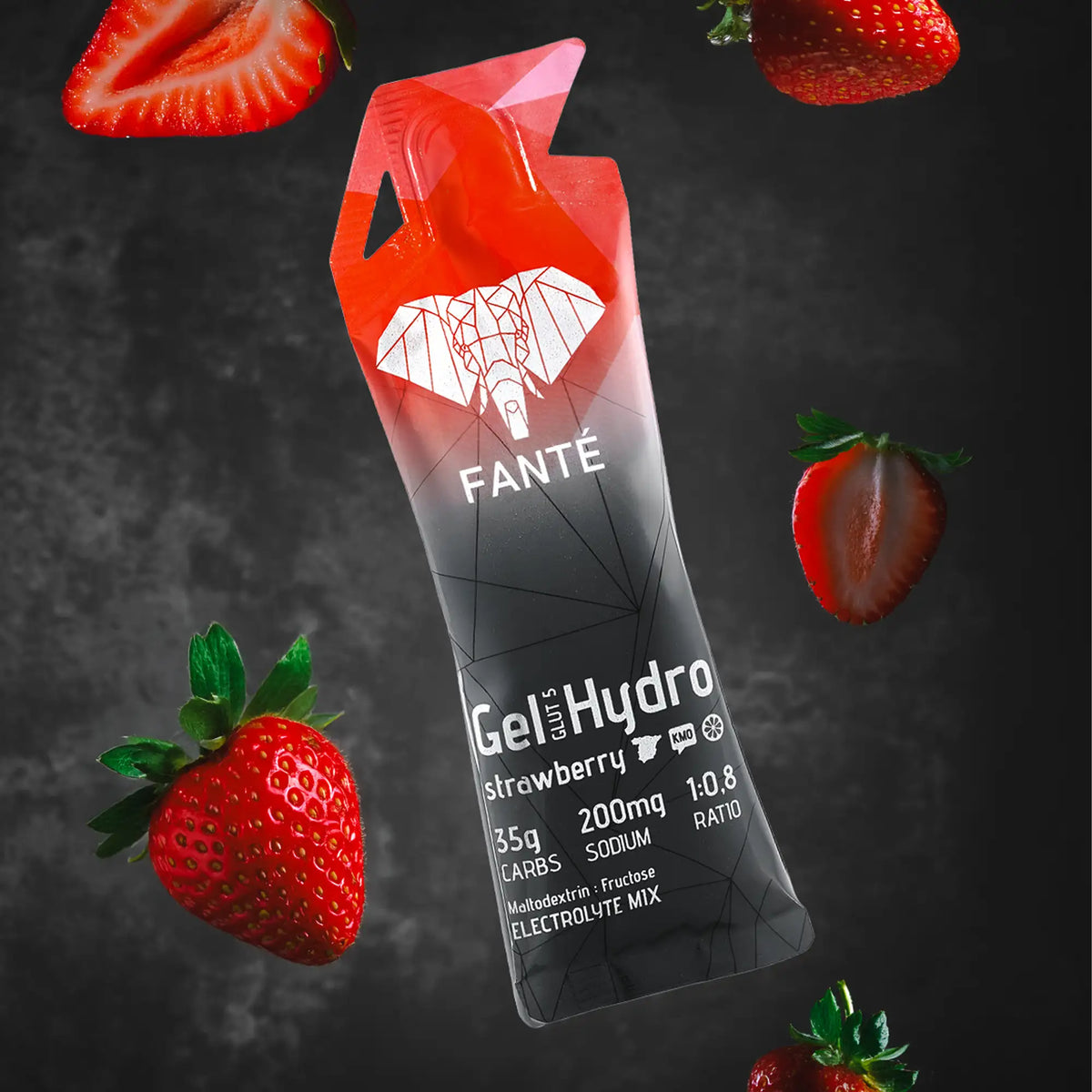
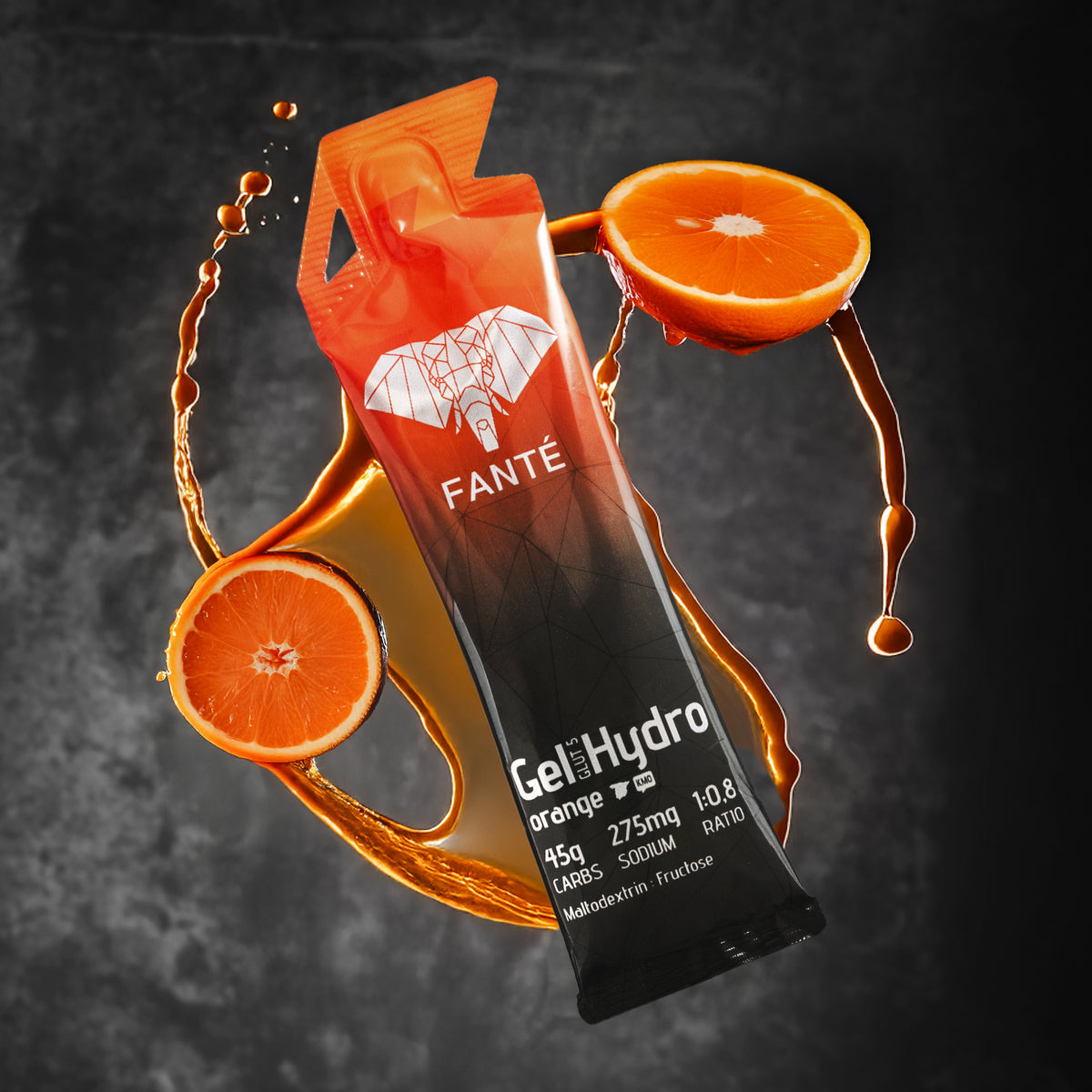
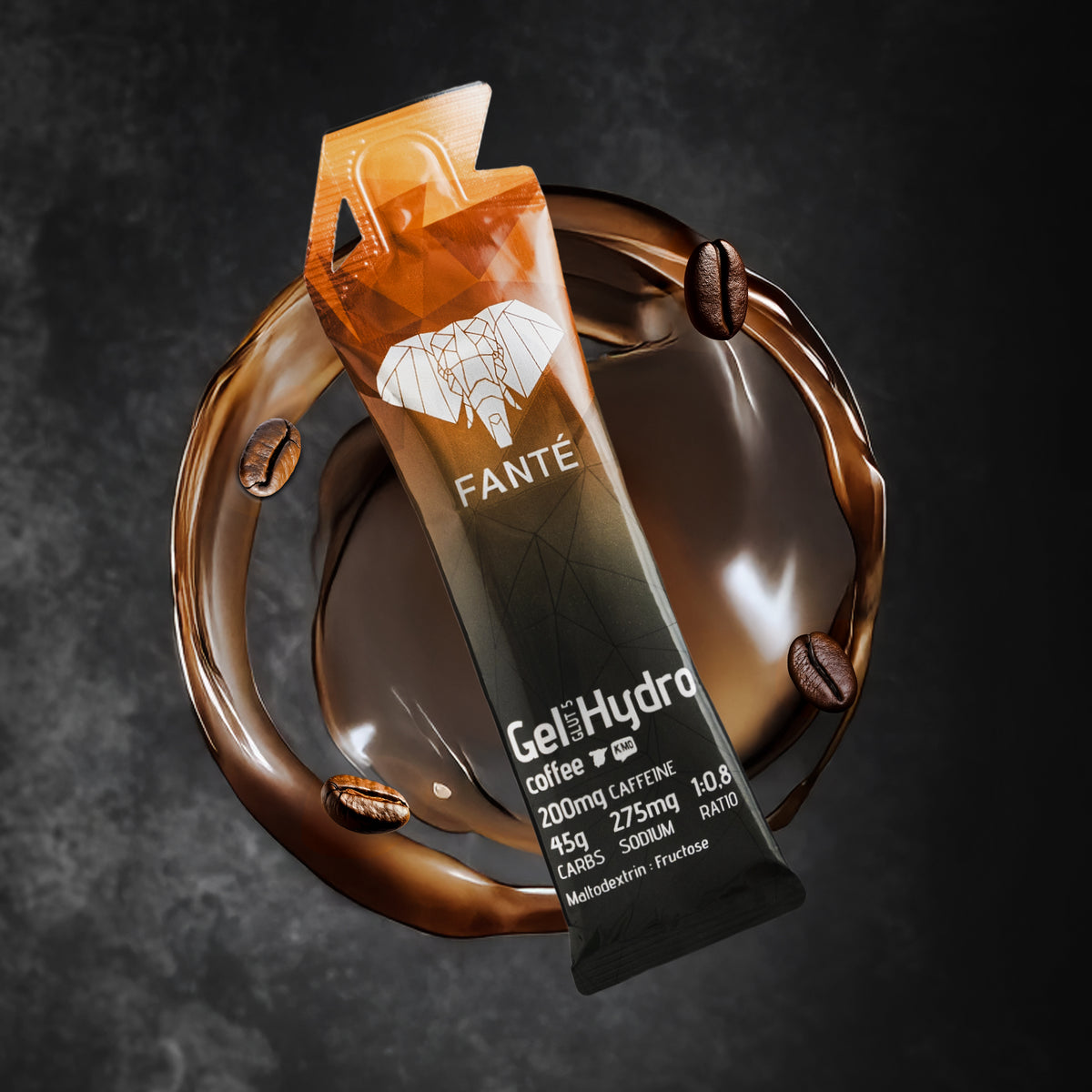
Therefore, for long sessions, training in heat, or athletes with very salty sweat, it can be useful to use Fanté hydration products that provide electrolytes in a practical way.
Recover your body after exertion
Summer body hydration doesn't end when the workout does. After a session in the heat, the body needs to replenish fluids, electrolytes, and energy.
If you've sweated a lot, it's not enough to drink a glass of water and go about your day. Recovery should include fluids, sodium, and foods that help replenish energy. Fruit, gazpacho, cold soups, salty meals, electrolyte drinks, or specific hydration solutions can fit depending on the context.
A good sign is that, in the following hours, thirst decreases, urine returns to a normal clear color, and symptoms such as headache, excessive fatigue, or dizziness do not appear.
During exercise: recommended frequency and amount
During summer exercise, it is most practical to drink frequently. Large amounts at once can cause discomfort, while small, frequent sips are usually better tolerated.
As a starting point, you can try 150-250 ml every 15-20 minutes during long or hot sessions. This guideline should be adjusted according to your sweating, the type of sport, fluid availability, and environmental conditions.
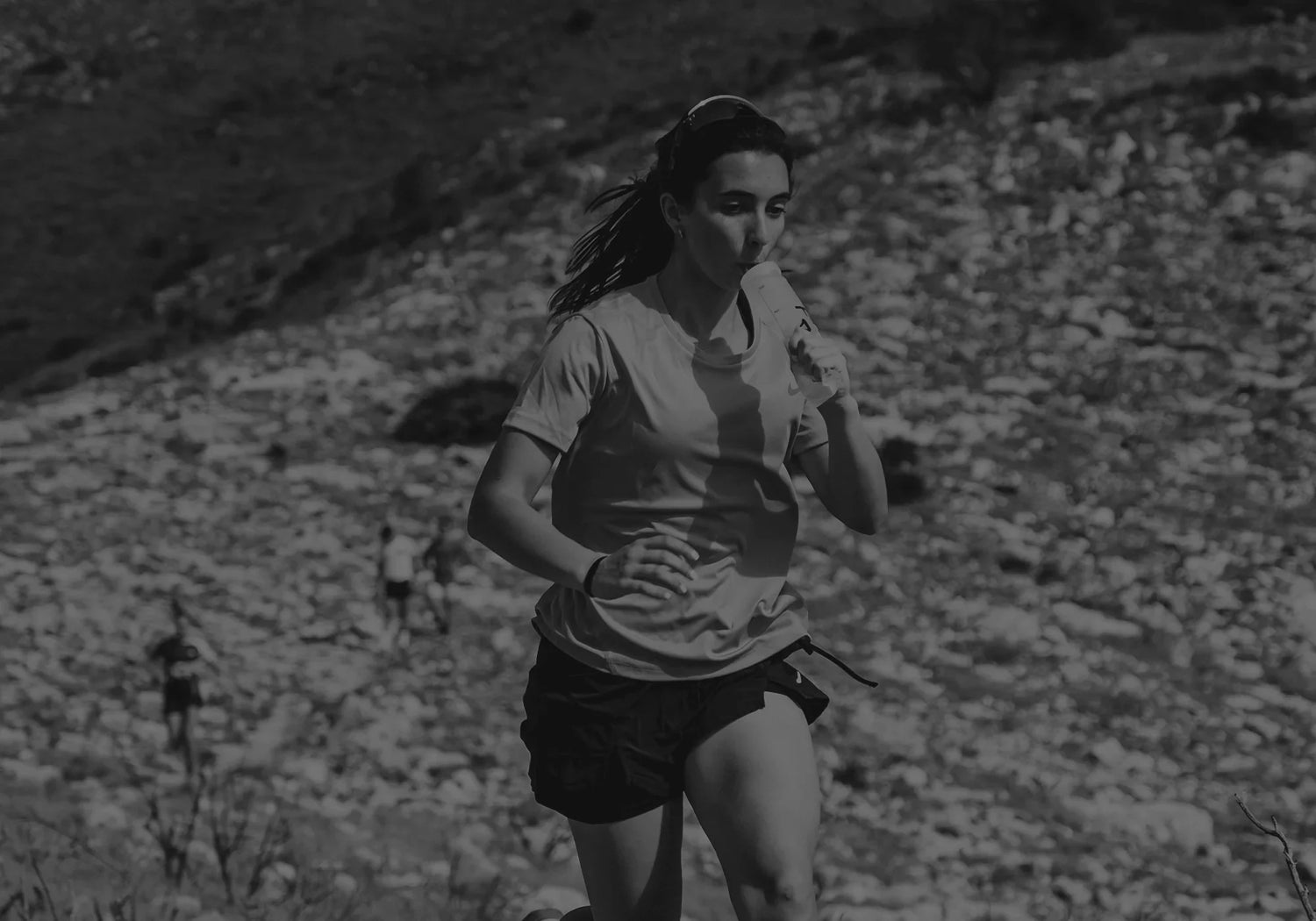
In running, it can be harder to drink large quantities, so it's advisable to plan for water sources, soft flasks, or aid stations. In cycling, it's usually easier to maintain a constant intake with water bottles.
If the workout exceeds 60-90 minutes, especially in the heat, it may be beneficial to combine hydration with carbohydrate and electrolyte intake. This way, you not only take care of hydration but also energy availability.
After sport: how to recover body hydration in summer
After training, a useful strategy is to recover progressively. Drinking large quantities all at once doesn't always improve hydration and can increase diuresis.
If you want to refine your strategy, weigh yourself before and after your workout. For every kilogram of weight lost, you may need to replenish approximately 1.25-1.5 liters of fluid over the following hours, along with sodium to promote retention.
This guideline is especially useful for athletes who train twice a day, compete on consecutive days, or have little time to recover before the next session.
Electrolytes in summer: why water alone is not enough
Water is essential, but it is not always enough. In short and light workouts, it may suffice, but in long sessions, with high heat or elevated sweating, electrolytes become more important.
Sodium is the most relevant electrolyte in sports hydration because it is lost in significant amounts through sweat. Its replenishment helps maintain fluid balance and can improve the retention of ingested fluid.
Other electrolytes, such as potassium, magnesium, or calcium, also participate in muscle and nerve functions, although sweat losses and needs during exercise usually depend heavily on the context.
In practice, a good summer hydration strategy should differentiate between:
- Short and light sessions: water and good daily hydration may be sufficient.
- 60-90 minute sessions in heat: it may be useful to add electrolytes, especially if you sweat a lot.
- Long or intense sessions: it is advisable to plan for fluids, sodium, and carbohydrates.
- Competitions in heat: the strategy should be tested beforehand and adapted to the pace, climate, and aid stations.
The goal is to avoid both dehydration and excessive water without salts. Neither extreme is desirable for an athlete's performance or health.
Fanté products for sports hydration in summer
In summer, a good hydration strategy can help you train with better sensations, reduce slumps, and sustain performance in demanding sessions.
Within Fanté, you can support your planning with different options depending on the type of training:
- Fanté hydration products: recommended category for athletes looking for practical solutions to replenish fluids and electrolytes during training or competitions.
- Electrolyte drinks: a useful resource for understanding when it makes sense to take electrolytes, what their function is, and why they can be important in hot sessions.
- Hydration guide: complementary content to delve deeper into how to structure hydration before, during, and after exercise.
The key is not to choose an isolated product, but to design a coherent strategy: arrive hydrated, drink according to a plan during the effort, replenish electrolytes when necessary, and recover correctly afterward.
If you train in summer, test your protocol in workouts before using it in a competition. Each athlete sweats differently, tolerates different amounts, and needs to adjust their hydration to their sport, pace, and environment.
Bibliography
American College of Sports Medicine. Exercise and Fluid Replacement. Position Stand.
Racinais S, Alonso JM, Coutts AJ, et al. Consensus recommendations on training and competing in the heat. British Journal of Sports Medicine.