
Energy Drinks and Concentrations
Proper hydration is essential for performance and recovery in sports. During exercise, fluids and electrolytes are lost through sweat, which can negatively affect muscle function and endurance. To maintain optimal performance, it is crucial to replenish these elements through strategic hydration that includes water, carbohydrates, and mineral salts.
Carbohydrates and their Role in Hydration
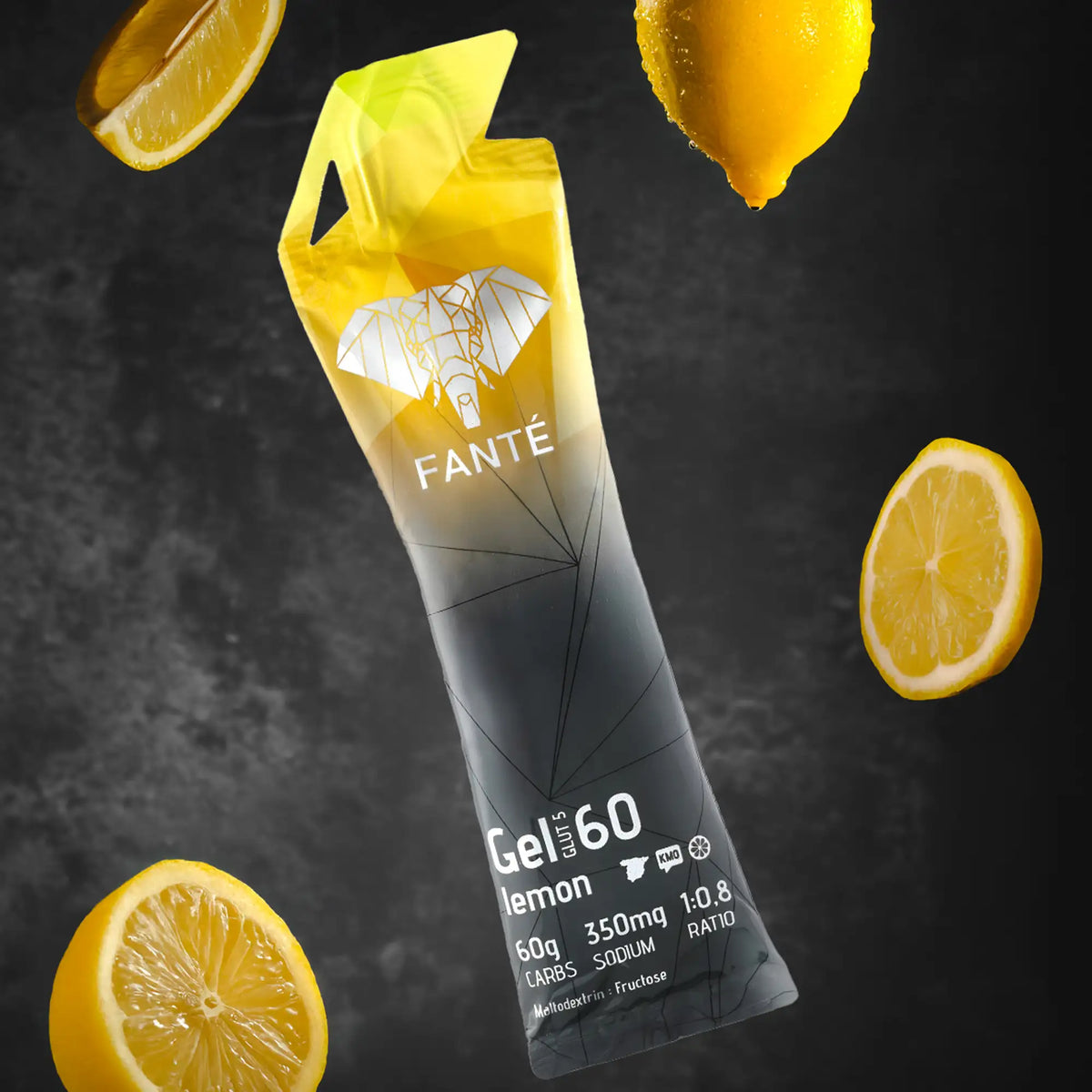
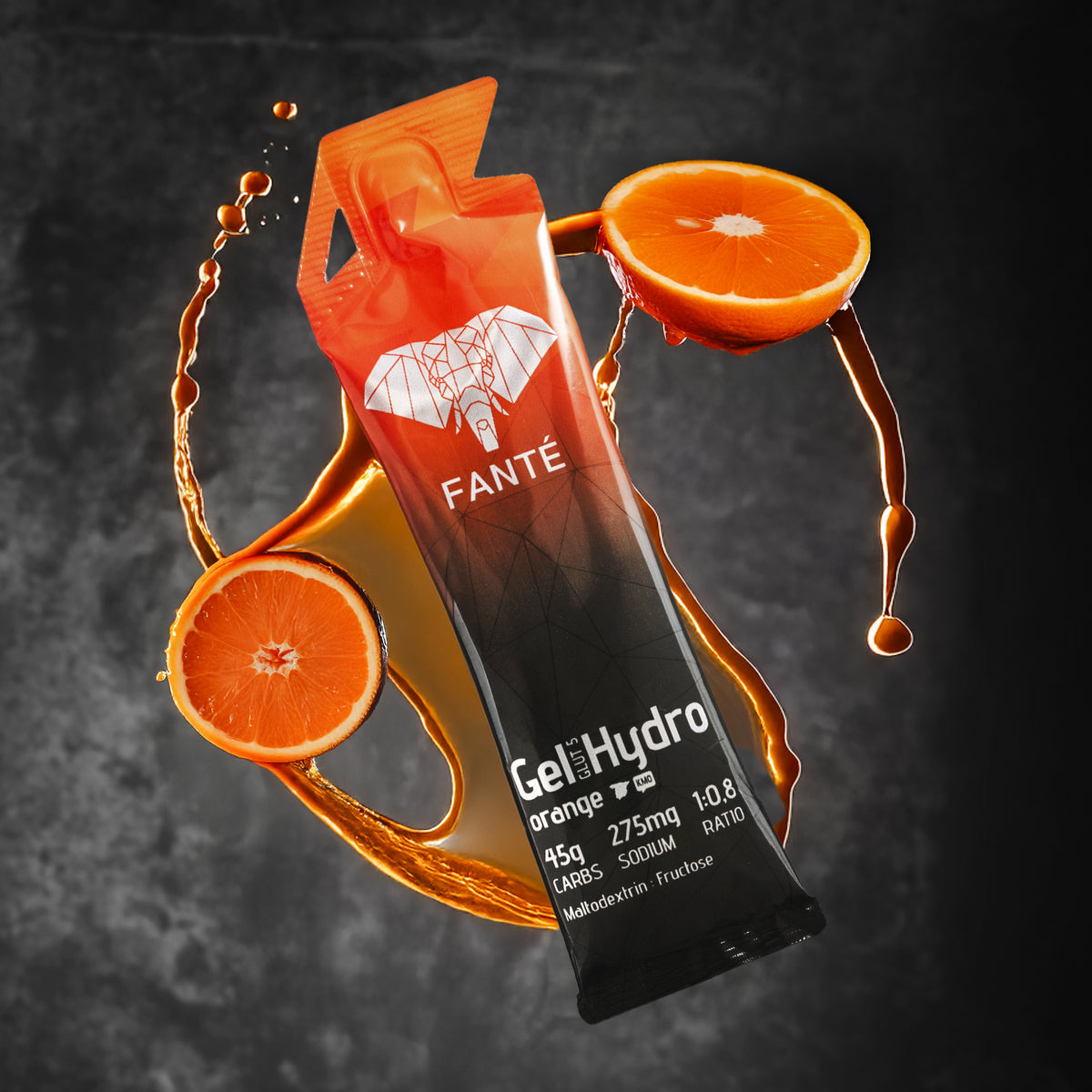
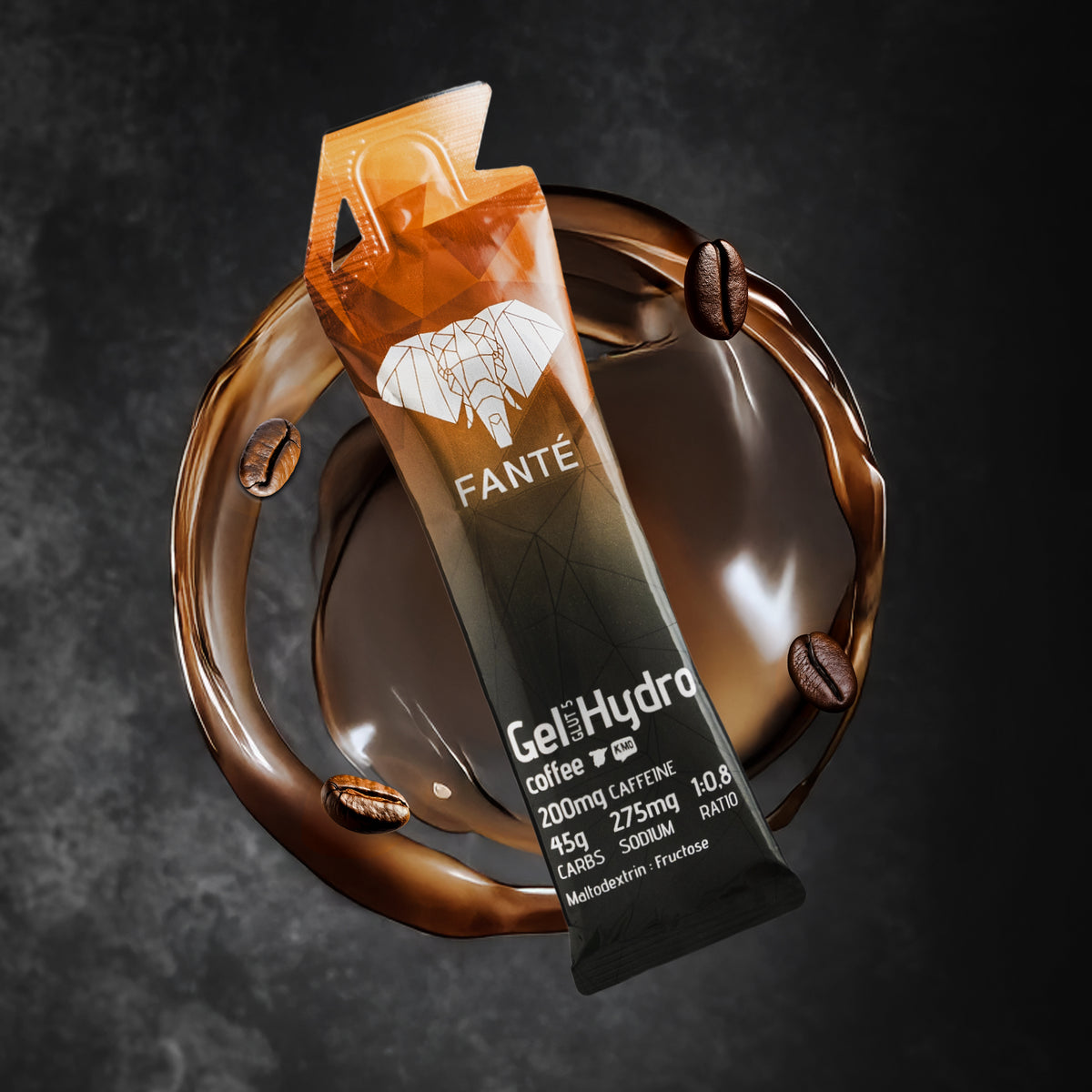
Carbohydrates are a key source of energy during exercise. There are different types, such as glucose, fructose, maltodextrin, and sucrose, each with distinct absorption rates. Sports drinks often combine various types of carbohydrates to maximize energy absorption and utilization. A maltodextrin to fructose ratio of 1:0.8 has been shown to be effective for rapid and sustained absorption, optimizing performance and recovery.
Carbohydrate Concentration and Osmolality
The concentration of carbohydrates in a drink influences its osmolality, meaning the amount of dissolved particles in the liquid. Adequate osmolality facilitates the absorption of fluids and nutrients in the intestine. Isotonic drinks have an osmolality similar to that of blood (280-330 mOsm/kg), which allows for rapid absorption without causing gastrointestinal discomfort.
[[COMUNIDAD_CTA]]
Types of Sports Drinks
Sports drinks are classified according to their carbohydrate concentration and osmolality:
- Hypotonic drinks: Contain less than 4% carbohydrates and have an osmolality lower than that of blood. They are ideal for quick hydration before exercise or during low-intensity activities.
- Isotonic drinks: Have between 4% and 9% carbohydrates and an osmolality similar to that of blood. They are suitable for maintaining hydration and energy during moderate to high-intensity exercise.
- Hypertonic drinks: Contain more than 9% carbohydrates and have an osmolality higher than that of blood. They are primarily used after exercise to quickly replenish glycogen stores.
Recommended Composition of Sports Drinks
For effective hydration, sports drinks should contain:
- Carbohydrates: 60-80 g/L, using a combination of maltodextrin and fructose
- Sodium: 460-1150 mg/L (20-50 mmol/L), to replenish sweat losses and maintain electrolyte balance.
- Potassium: 3-5 mmol/L, essential for muscle and nerve function.
- Osmolality: 280-330 mOsm/kg, to ensure optimal absorption of fluids and nutrients.
Proper Use According to Exercise Timing
- Before exercise: Hypotonic drinks are recommended to ensure adequate hydration without overloading the digestive system.
- During exercise: Isotonic drinks help maintain fluid and energy balance, especially in activities lasting over 60 minutes.
- After exercise: Hypertonic drinks are useful for quickly replenishing energy and electrolytes lost during physical exertion.
Conclusion
Proper hydration, including the correct combination of water, carbohydrates, and mineral salts, is fundamental for performance and recovery in sports. Selecting the appropriate sports drink according to the intensity and duration of exercise can make a difference in an athlete's performance.
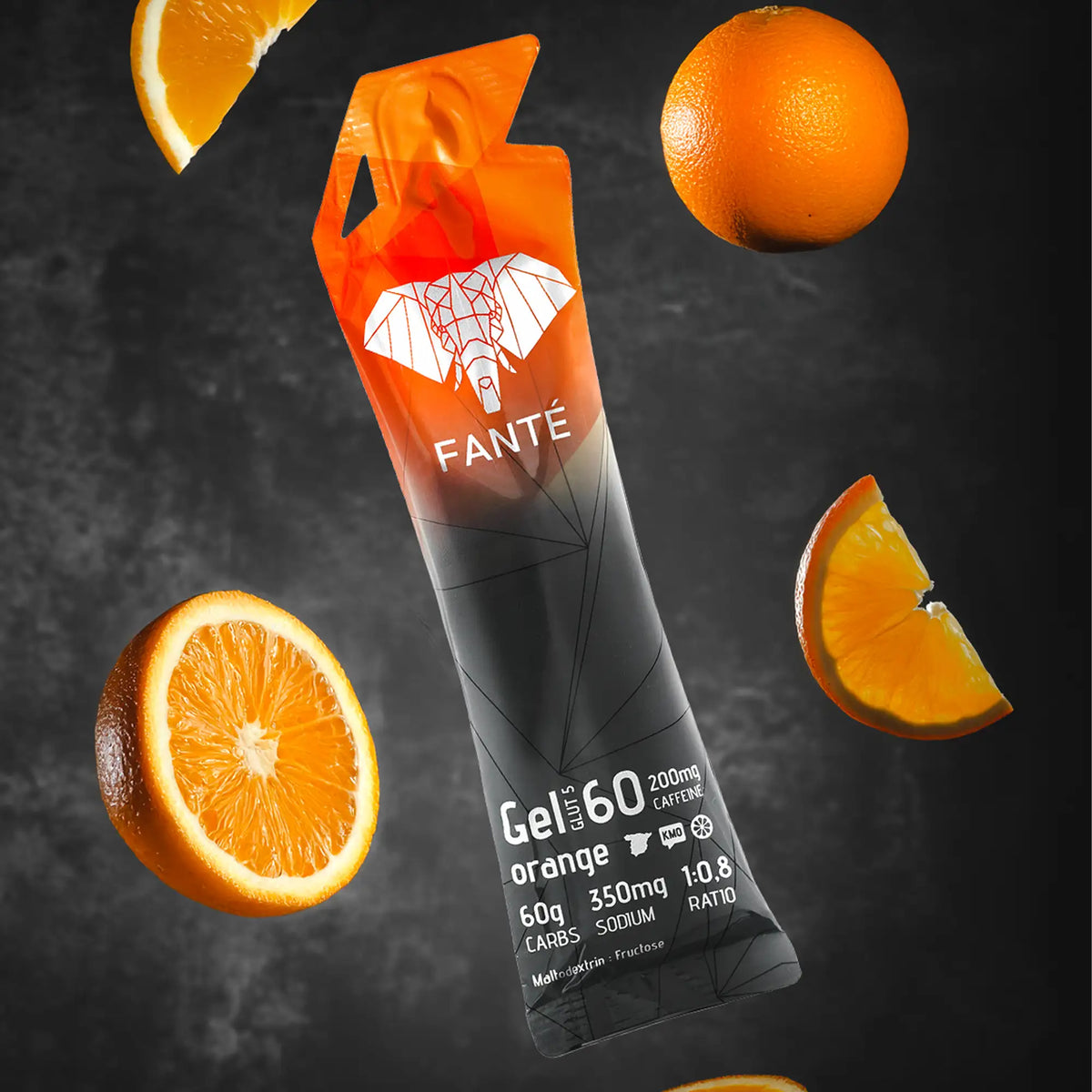
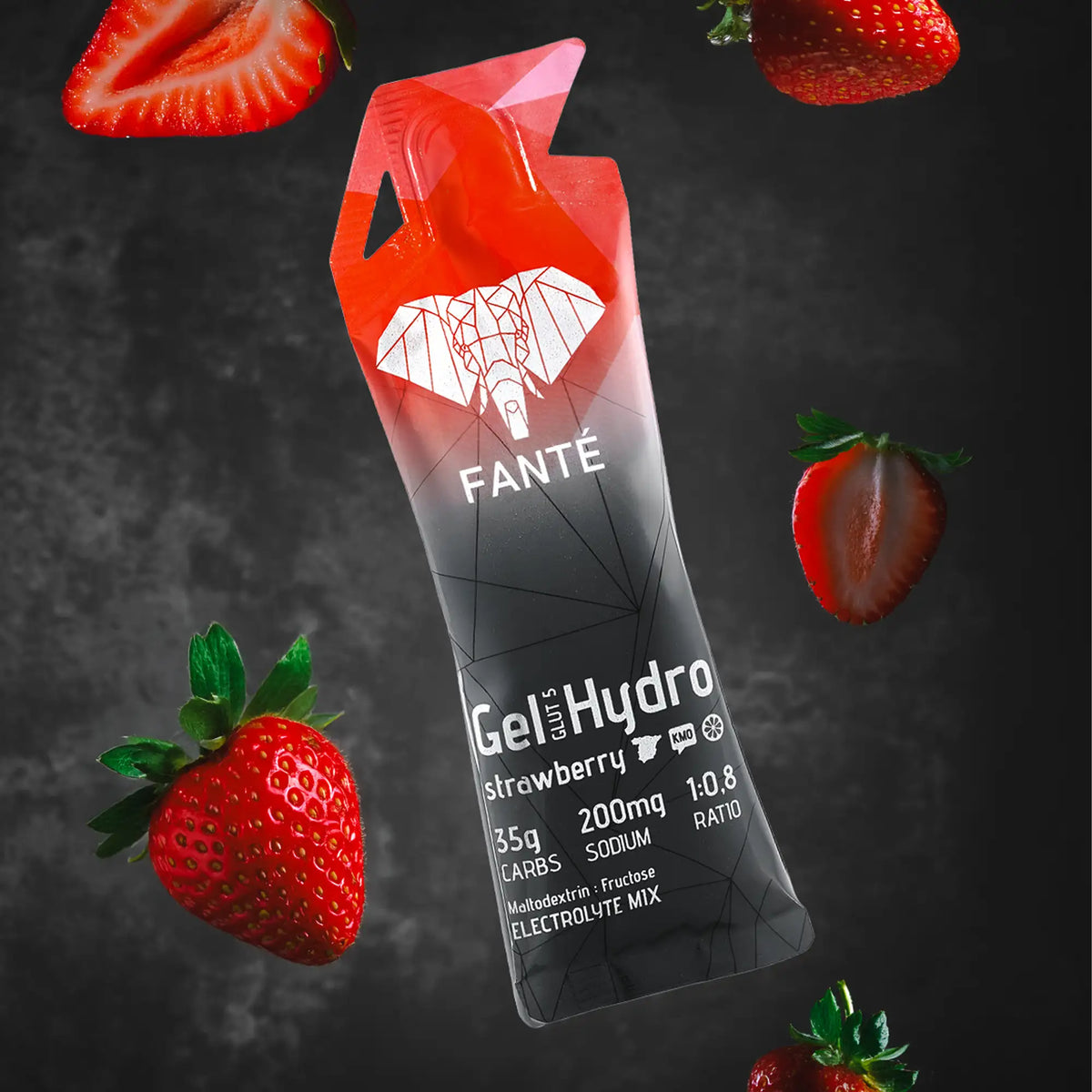
At FANTÉ, we are committed to offering products that meet these specifications, such as our GLUT 5 DRINK, designed to provide optimal hydration and improve athletic performance. Discover our full hydration range and boost your performance to the highest level.
Bibliography
- Baker LB, Jeukendrup A. Optimal composition of fluid-replacement beverages. American Physiological Society. Comprehensive Physiology. 2014; 4(2): 575-562.
- Burke LM, Jeukendrup A, Jones AM, Mooses M. Contemporaty Nutrition Strategies to Optimize Performance in Distance Runners and Race Walkers. Int J Sport Nutr Exerc Metab. 2019; 29(2): 117-129.
- Urdampilleta A, Martínez-Sanz JM, Álvarez-Herms J. Protocolo de Hidratación Antes, Durante y Después de la Actividad Físico-Deportiva. Mot Eur J Hum Mov. 2013; 31: 57–76.
- Palacios N, Franco L, Manonelles P, Manuz-González B, Villegas-García JA. Consenso sobre bebidas para el deportista. Composición y pautas de reposición de líquidos. Doc consenso [Internet]. 2008; 25(126): 245–258.