In endurance sports like running, trail running, or cycling, we often focus on carbohydrates, smart hydration , and training. However, there's an equally crucial aspect for your performance: electrolyte balance . An imbalance in sodium, potassium, magnesium, or calcium levels can compromise your performance in minutes and even put your health at risk.
Electrolyte imbalances are more common than we think , especially in long-duration events or hot and humid conditions. Understanding their causes, symptoms, and prevention strategies can make the difference between successfully reaching the finish line or dropping out prematurely. Furthermore, the specific needs of each athlete will vary, and determining the correct amount of electrolytes to replace requires knowing their individual dehydration level .
[[CTA_COMMUNITY]]
What is an electrolyte imbalance and why does it affect your performance?
Electrolytes are electrically charged minerals, such as sodium, potassium, magnesium, and calcium , that perform essential functions: they regulate muscle contraction, nerve transmission, cell hydration, and acid-base balance.
When the level of one or more electrolytes is altered (either by excessive loss or insufficient replacement), the body loses the ability to maintain its normal physiological functions.
In the context of sports, an electrolyte imbalance translates into:
- Loss of muscle strength and coordination.
- Appearance of cramps, premature fatigue or dizziness.
- Decreased ability to concentrate.
- Higher risk of serious complications such as severe dehydration or seizure.

Common symptoms of an electrolyte imbalance during a race: Relevant risks
Identifying the symptoms early can help you make quick decisions, drink an electrolyte solution, reduce the intensity, or even stop, before the situation worsens.
Mild symptoms of electrolyte imbalance
Although they don't always force you to stop the activity, mild symptoms already indicate that your electrolyte balance is being altered.
Muscle cramps and fatigue
Muscle cramps are one of the first warning signs. They occur when sodium and potassium levels are not adequate to regulate muscle contraction . They are often accompanied by a feeling of fatigue that is disproportionate to the effort exerted.
Nausea and dizziness
Sodium and potassium deficiencies also affect the central nervous system. Dizziness, vertigo, or digestive discomfort may occur, compromising both the athlete's performance and safety.
Serious symptoms that require immediate attention
When the imbalance is more pronounced, the situation goes from annoying to dangerous.
Confusion and disorientation
The brain relies on a precise concentration of sodium to function properly. A significant drop in this mineral ( hyponatremia ) can cause confusion, disorientation, and even an inability to continue.
Seizure
In extreme cases, severe imbalances can trigger seizures, a sign that the nervous system is compromised. This situation requires urgent medical attention.
Causes of electrolyte imbalance in runners: why does it happen?
Electrolyte imbalances are not a matter of chance, but rather the consequence of predictable conditions in endurance sports.
Dehydration: the biggest risk factor
Fluid loss without adequate replacement reduces plasma volume and concentrates electrolytes in the blood, impairing their function. Even dehydration of 2% of body weight can reduce physical and cognitive performance.
Excessive sweating and lack of salt replacement
Sweat not only eliminates water, but also electrolytes, especially sodium. Athletes who sweat profusely can lose between 800 and 1,500 mg of sodium per liter of sweat . If they only replace water, plasma sodium concentrations become even more diluted, leading to hyponatremia. Therefore, we must be mindful of the amount of salts we need to consume .
Inadequate diets and lack of minerals
A diet low in sodium, potassium, or magnesium before competition increases the risk of imbalances. The same applies to very restrictive or poorly planned diets during the preparation phase.
How can you prevent electrolyte imbalance during your run?
Prevention is based on three pillars: hydrating judiciously , replenishing electrolytes in a planned manner, and adapting the strategy to your sweating and type of test .
- Assess your losses: knowing your sweat rate during workouts helps design a personalized replenishment.
- Use electrolyte drinks: they provide sodium and potassium in appropriate proportions to maintain balance.
- Avoid excessive water without salts: hydrating with only water in long events can be as problematic as not drinking at all.
- Practice your strategy in training: never try a new protocol on competition day.
- Monitor your hydration strategy in summer , as your sweating and dehydration rates will be different than the rest of the year.
Which FANTÉ products can help you avoid electrolyte imbalance?
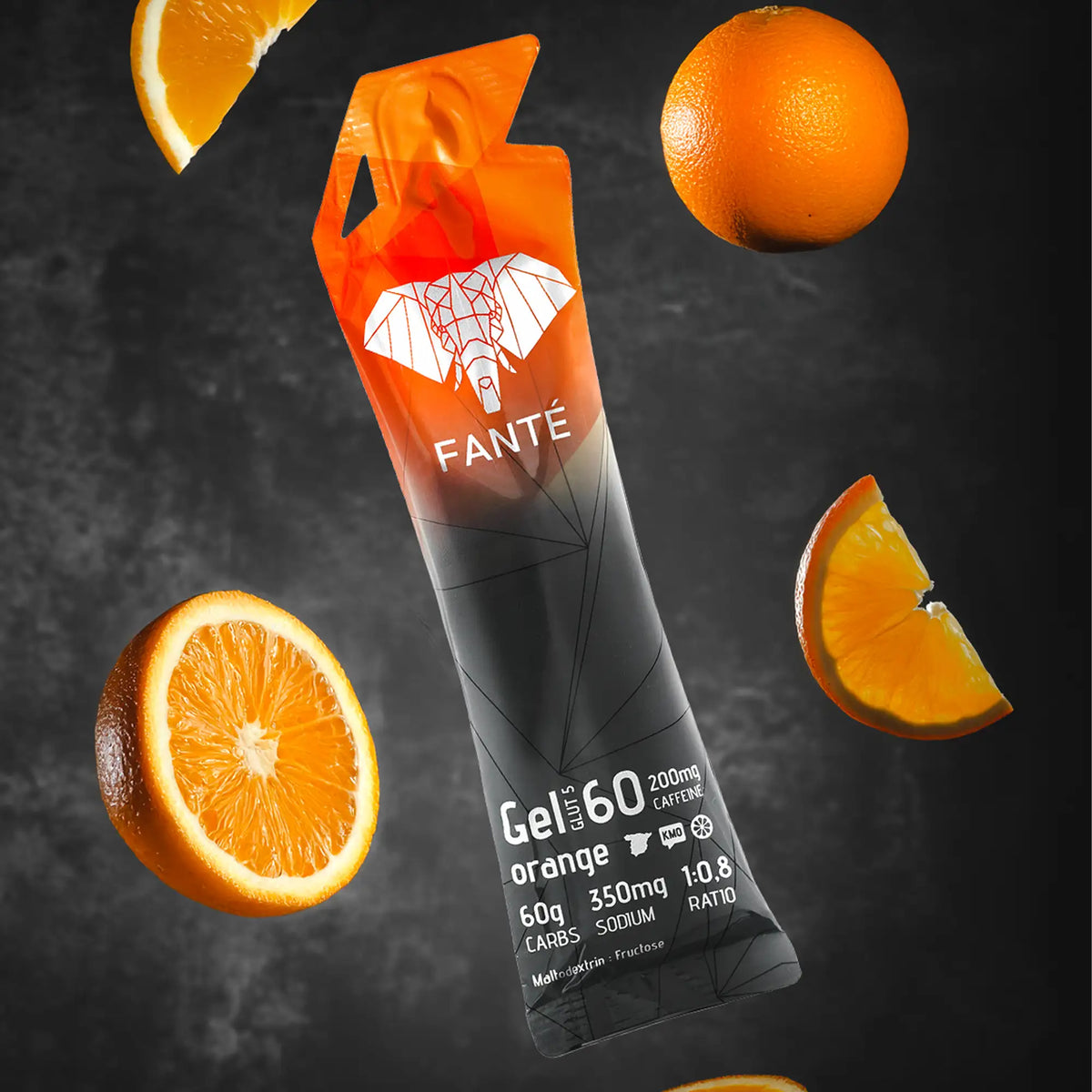
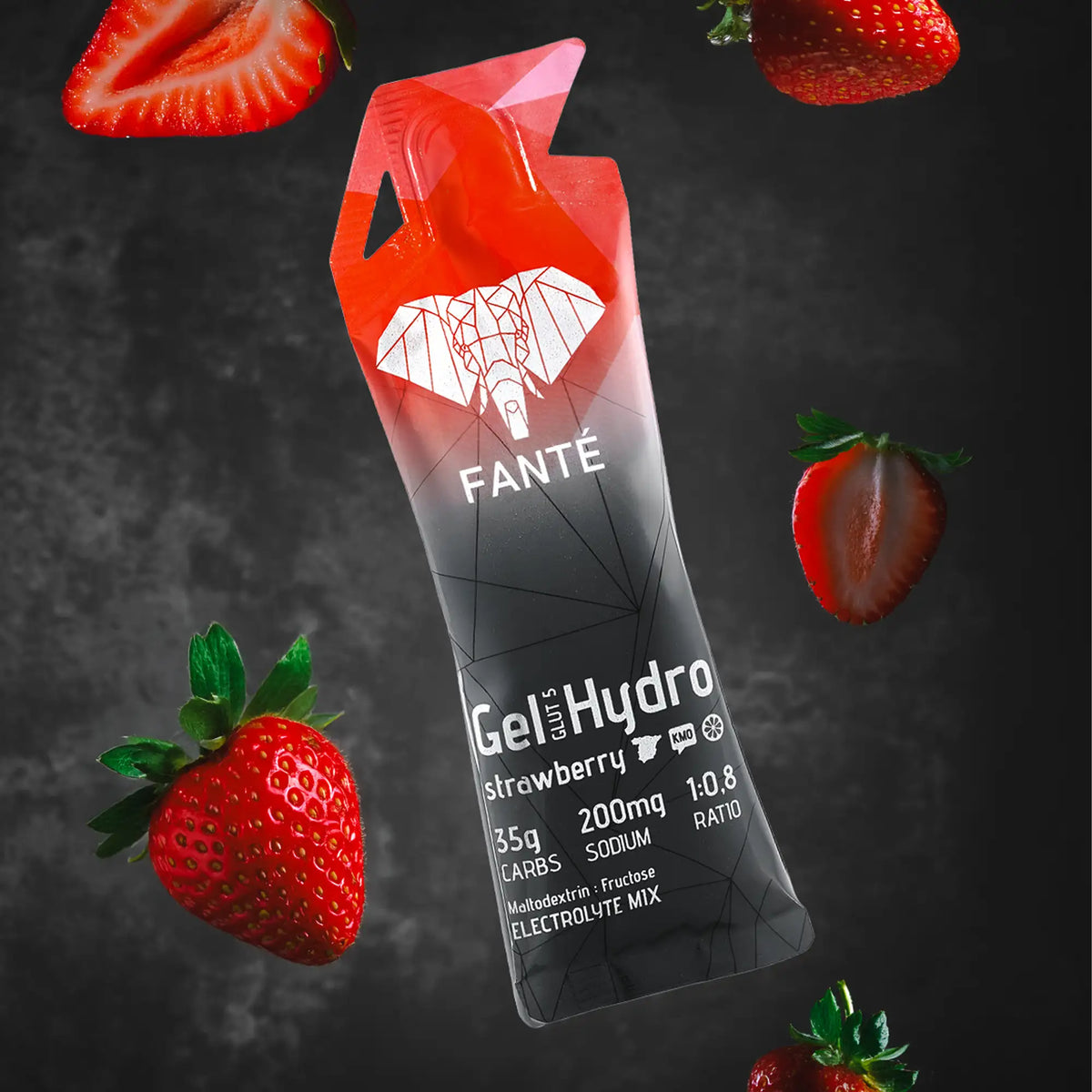
At Fanté's sports nutrition store, we develop formulas designed for endurance sports, prioritizing digestive tolerance and scientific support :
- GLUT5 Drink : isotonic carbohydrate drink with electrolytes, designed to replenish both energy and salts during exertion.
[[PRODUCT: glut-5-drink]
-
ISO Drink : formulated with 350 mg of sodium per dose, ideal for maintaining hydration and preventing hyponatremia in hot conditions or prolonged exertion.
[[PRODUCT: iso-drink]
- Electro Gummy : a practical and concentrated source of electrolytes, easy to consume while running without digestive discomfort.
[[PRODUCT: electro-gummy]
With the right strategy and the support of products formulated with scientific evidence, it is possible to minimize the risk of electrolyte imbalance and ensure stable performance from the first kilometer to the finish line.
Electrolyte imbalance not only compromises your performance, but it can also put your health at risk. Recognizing its causes, symptoms, and prevention strategies is essential for any endurance runner. The combination of training, nutritional planning, and scientifically designed products like those from Fanté is key to competing safely and effectively. If you need more information, discover our isotonic drinks and find the product that suits your needs.
Literature
- American College of Sports Medicine (ACSM). Position Stand: Exercise and Fluid Replacement . Medicine & Science in Sports & Exercise. 2007.
- Sawka, M.N. et al. American College of Sports Medicine position stand. Exercise and fluid replacement . Med Sci Sports Exerc. 2007;39(2):377–390.
- House, DJ et al. National Athletic Trainers' Association Position Statement: Fluid Replacement for Athletes . J Athl Train. 2000;35(2):212–224.