
Running a marathon requires not only physical and mental training, but also a precise nutritional strategy. The 42.195 km demand detailed planning of carbohydrate, fluid, and electrolyte intake to avoid fatigue, maintain energy, and ensure stable performance throughout the race.
The nutritional strategy for a marathon must be designed in advance and adapted to the runner's characteristics, the weather, the intensity, and the duration of the effort. Knowing what, how much, and when to eat or drink can make the difference between finishing strong or seeing your body run out of energy before the end.
[[COMUNIDAD_CTA]]
Why is a nutritional strategy key to marathon performance?
During a marathon, muscle and liver glycogen stores are the main energy source. However, these are limited and can be depleted after about two hours of continuous effort. When this happens, the dreaded "wall" or runner's hypoglycemia appears, a drastic drop in performance caused by a lack of available energy.
A good nutritional strategy for a marathon allows you to keep blood glucose levels stable and replenish electrolytes lost through sweat. This way, the body can continue to work under optimal conditions throughout the race.
What to eat during the marathon to maintain energy and avoid fatigue?
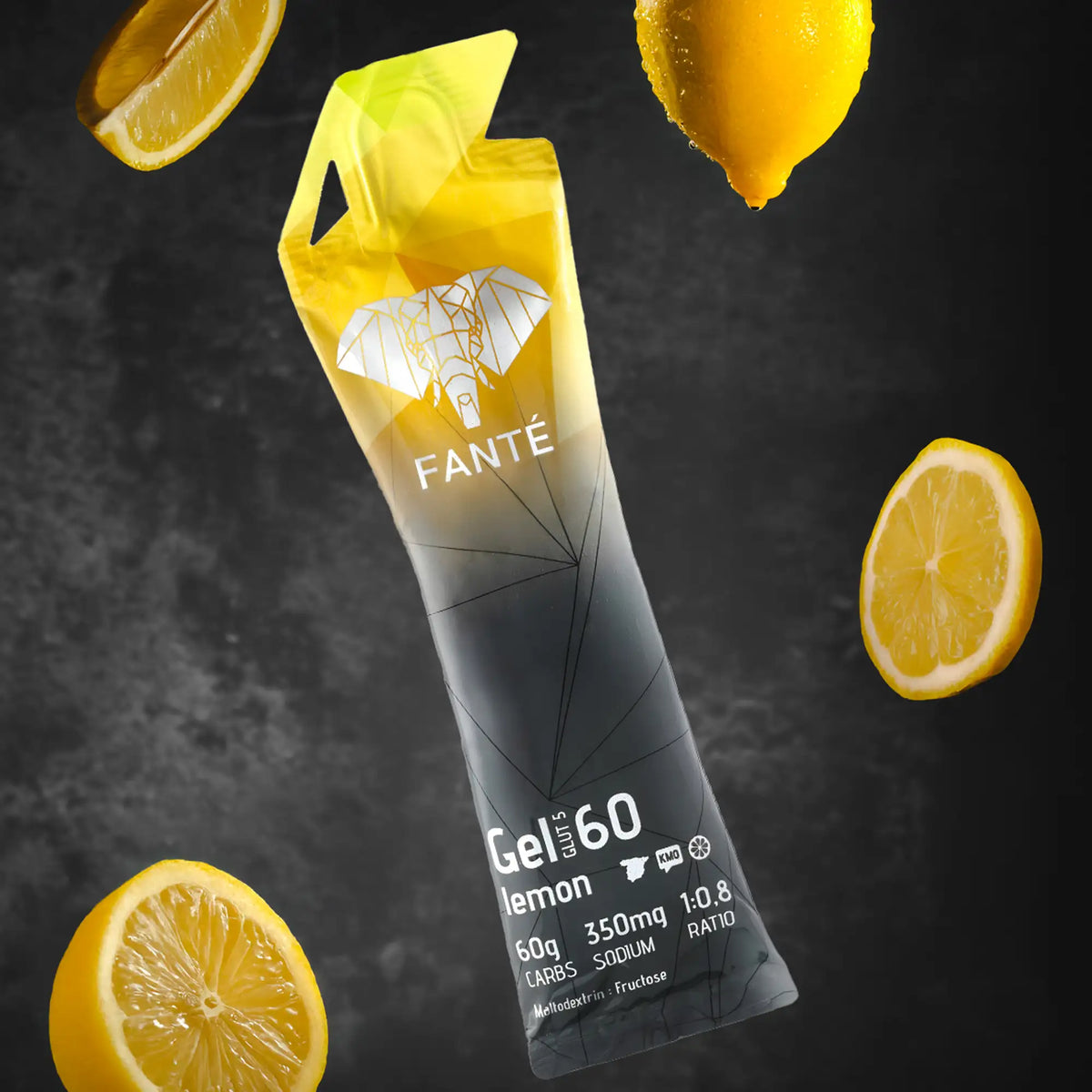
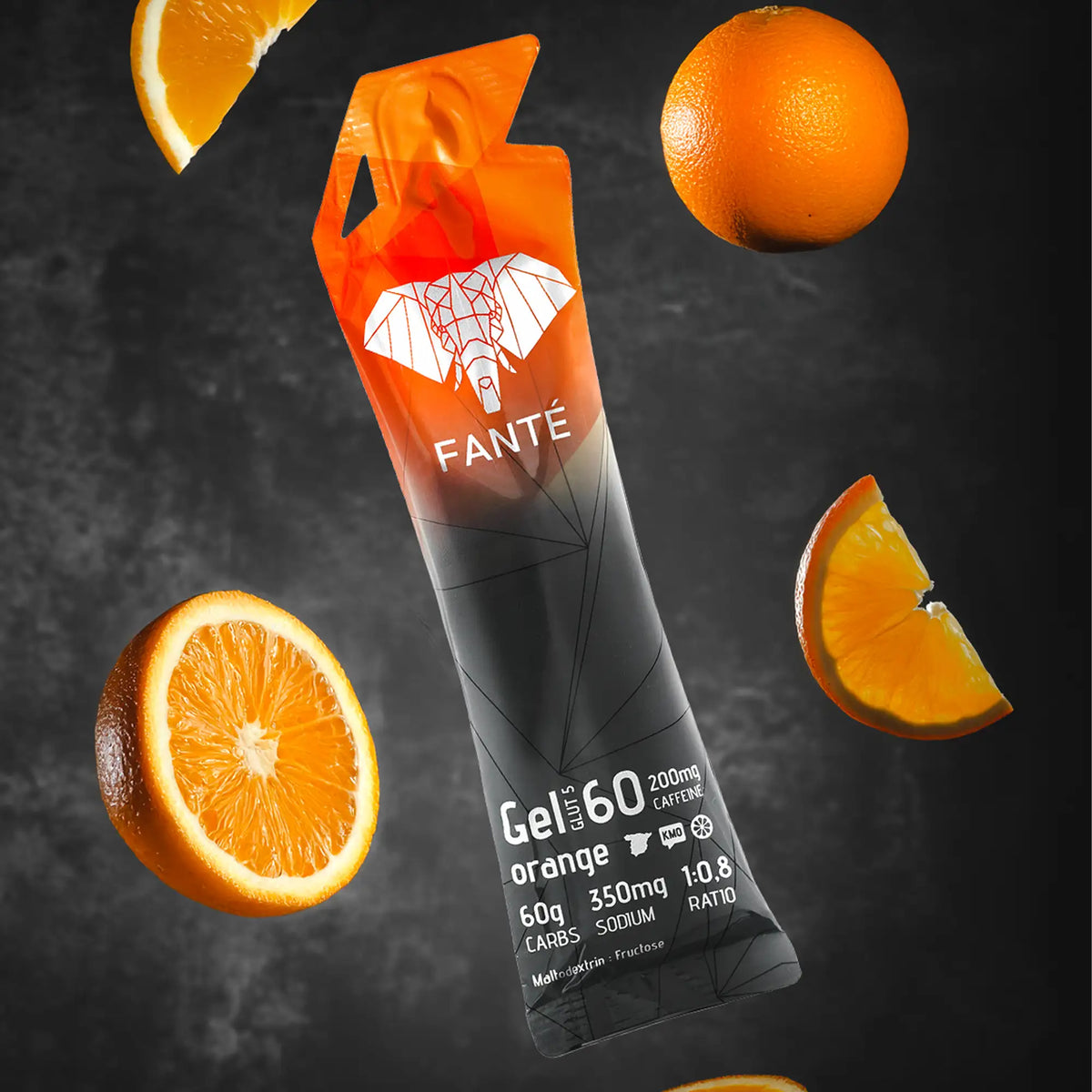
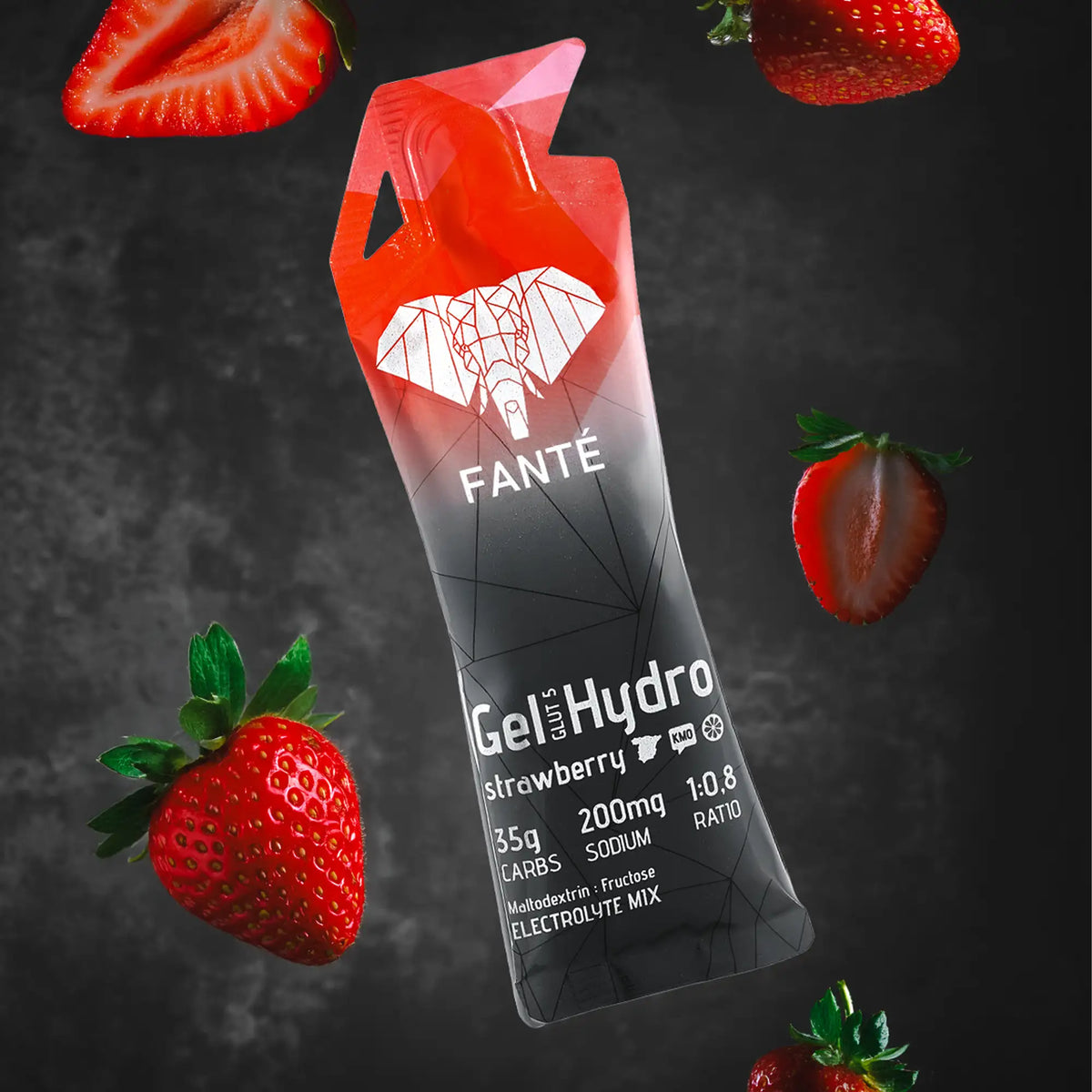
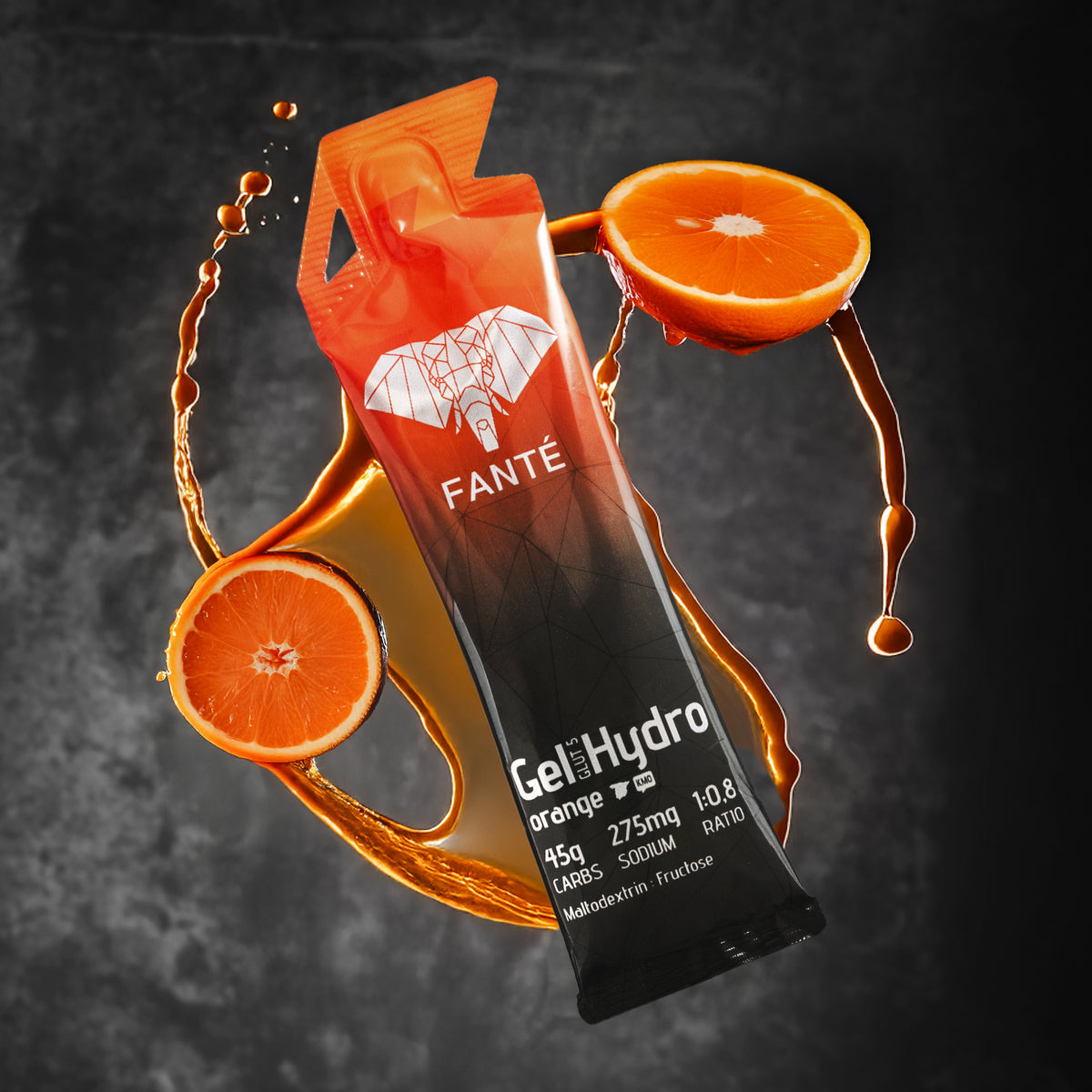
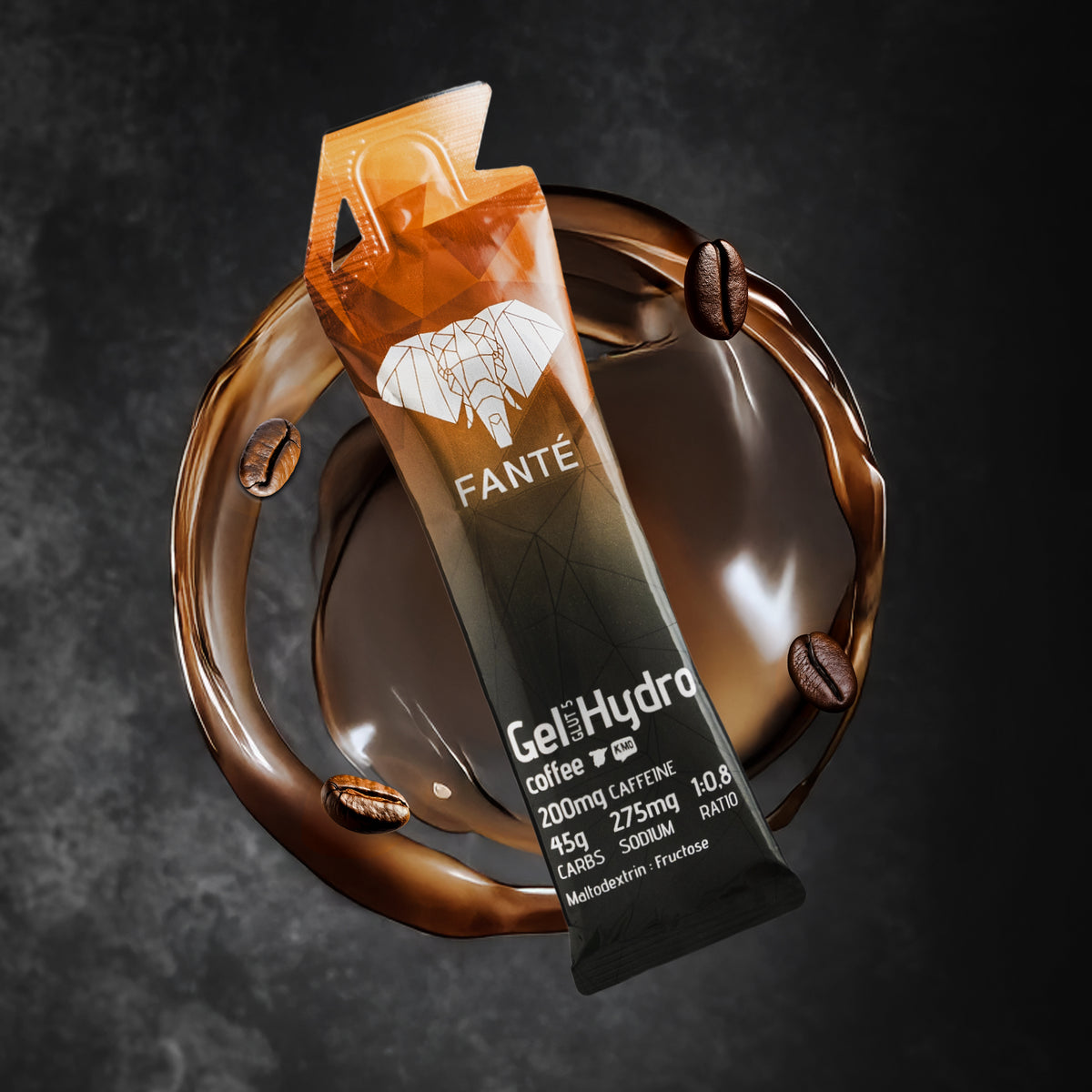
During the race, the priority is to maintain a constant supply of carbohydrates and fluids. The most practical and effective ways to do this are energy gels, gummies, isotonic or carbohydrate drinks.
In general, it is recommended to consume between 60 and 90 grams of carbohydrates per hour, combining different sources (glucose, fructose, and maltodextrin) to improve absorption and avoid digestive discomfort.
Hydration during the race: how to maintain balance
The loss of fluids and mineral salts through sweat can critically affect performance and muscle function. A planned hydration should include drinks with sodium, potassium, and magnesium, in addition to carbohydrates.
During the race, it is advisable to drink small amounts every 15-20 minutes, adapting the volume to the temperature and pace. Fanté's hydration drinks are formulated to maintain this balance, promoting rapid absorption and preventing dehydration or excess fluid.
Example of nutrition during a marathon stage: what to include in your plan?
A reference strategy could be:
- Every 30-40 minutes: an energy gel or a carbohydrate gummy.
- Every 15-20 minutes: small sips of an isotonic or carbohydrate drink.
- In the last kilometers: prioritize gels with caffeine (keeping in mind that caffeine takes 30-60 minutes to be absorbed) or drinks with a high sodium content to maintain concentration and muscle performance.
Here is an example strategy:

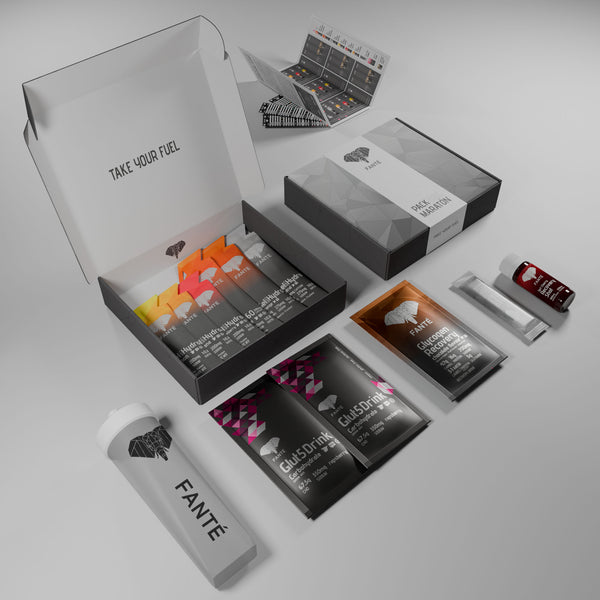
Our Marathon Pack includes a nutritional strategy adapted by levels for a 42K race.
[[PRODUCTO: pack-maraton-fante]]
Nutritional tips for marathon runners: How to prepare your body for race day?
Nutritional preparation does not start on race day, but weeks before. Adapting the diet and metabolic training protocols is key to maximizing glycogen stores and improving carbohydrate utilization efficiency.
Gels and drinks for marathon runners
Energy gels and hydration drinks are the most effective tools to maintain a constant energy supply. It is recommended to test them during long training sessions to ensure good digestive tolerance and find the protocol that best suits each runner.
Supplementation
The use of supplements such as bicarbonate, electrolytes, or energy precursors can enhance performance and recovery capacity. These products help delay the onset of fatigue and maintain muscle balance during the most prolonged efforts.
You may be interested in → How to take sodium bicarbonate to improve your time in races and training sessions.
Post-workout
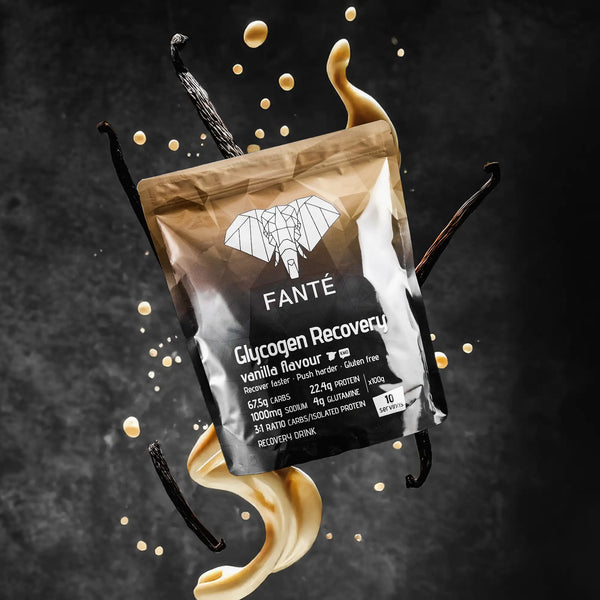
After crossing the finish line or completing an intense session, nutritional recovery is crucial. A drink like GLYCOGEN Recovery Drink promotes rapid glycogen replenishment and electrolyte balance, reducing recovery time and optimizing long-term performance.
[[PRODUCTO:glycogen-recovery-drink]]
Improve your performance with Fanté
Fanté offers nutritional solutions specifically designed for the demands of endurance sports. From energy gels and gummies to isotonic drinks and recovery supplements, each product is formulated with high-quality ingredients to ensure performance, digestive tolerance, and precision in each dose.
The nutritional strategy in a marathon is part of the training. With the right planning and the appropriate use of products, you can achieve your best version on marathon day.
We recommend that you access our article on how to prepare for a marathon to have even clearer ideas on race day.
Frequently Asked Questions
What are the best foods for marathon runners?
The most recommended are those rich in complex carbohydrates (rice, pasta, oats, potato) and easy to digest, along with sources of protein and healthy fats.
How should I eat during a marathon to avoid fatigue?
Consume between 60 and 90 g of carbohydrates per hour, combining gels, drinks, and gummies. Maintain constant hydration with isotonic drinks that provide sodium and other electrolytes.
What nutrition tips will help me in the week leading up to the marathon?
Increase carbohydrate intake three days before the race and avoid foods rich in fiber or fat. Hydrate properly and have a light meal on race day.
How many carbohydrates should I consume during a marathon?
Between 60 and 90 g per hour, combining different types of carbohydrates (glucose and fructose) to optimize absorption.
What foods and drinks are most recommended during a marathon?
Energy gels, carbohydrate gummies, and isotonic drinks are the best option to maintain performance and avoid muscle exhaustion.