One of the main goals of oral rehydration solutions (ORS) and carbohydrate drinks is to make fluids available for use within the body as quickly as possible.
The carbohydrates in beverages come primarily in the form of glucose, although they may also contain sucrose, maltodextrin, or fructose. An increased amount of carbohydrates in a beverage leads to a decrease in fluid transport, or in other words, dehydration (1).
[[CTA_COMMUNITY]]
The increase in osmolality due to high carbohydrate concentrations leads to a loss in body water reserves and can increase the effects of dehydration (2) .
This means that drinks are classified, depending on their percentage of carbohydrate/sodium concentration, into:
- Hypotonic drinks
- Isotonic drinks
- Hypertonic Drinks
Hydration is key to athletic performance. However, the timing and composition of different beverages are crucial for an optimal hydration strategy.
Every moment has a drink. But what are they and what do they contain?
– Hypotonic: For use before exercise. Optimizes hydration. Contains a carbohydrate content of between 4-6%, around 20-30g/500ml with a sodium content of 0.5-0.7g/L.
As happens when we include it in our pre-competition protocol
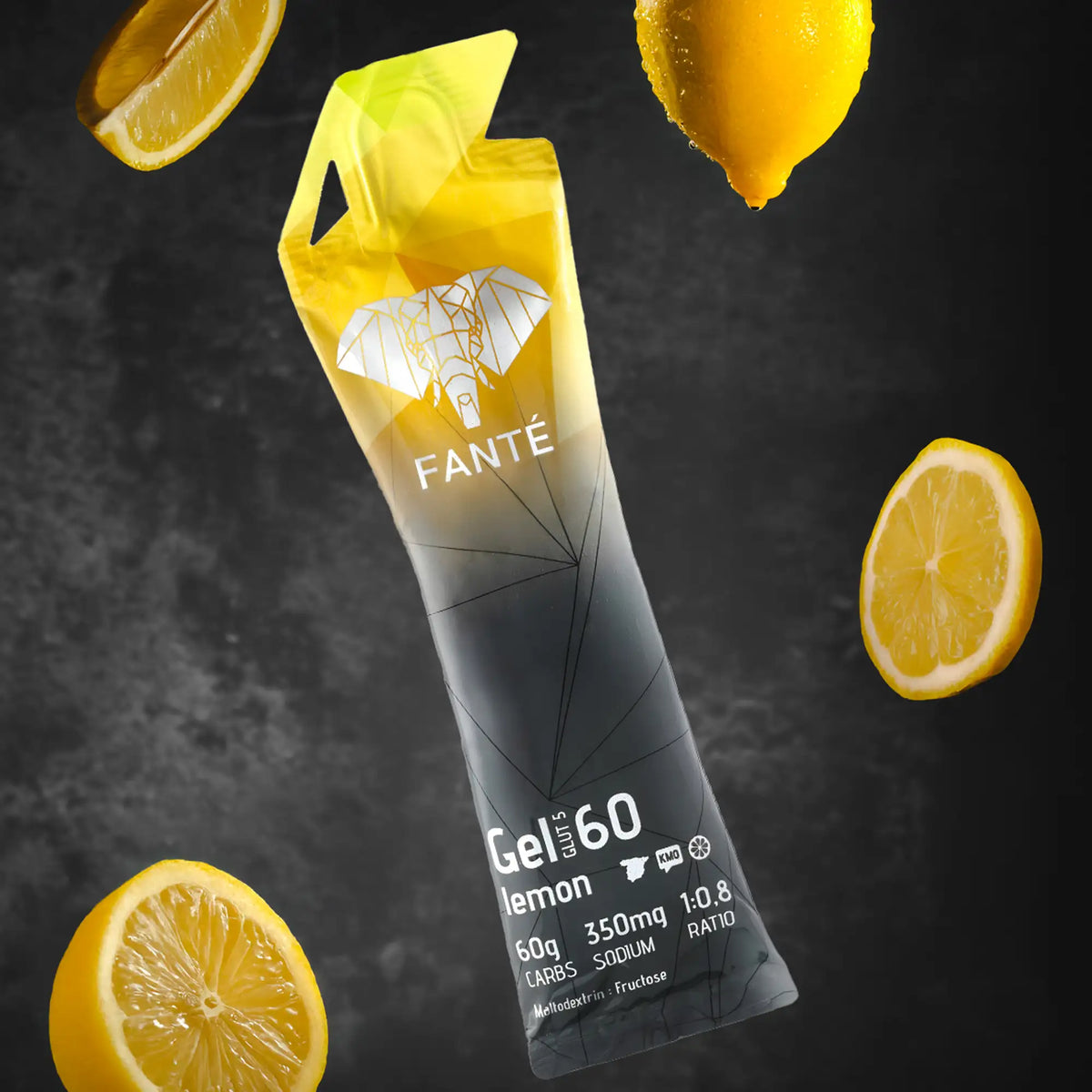
1 GLUT 5 DRINK + 1200ml water
– Isotonic: For use during exercise. Optimizes solute transport, maintaining hydration. Contains a higher amount of carbohydrates (6-9%), around 30-45g , and a sodium content of 0.7-1g per 1L.
In this case we have two options
ISO DRINK with a 6% concentration
[[PRODUCT: iso-drink]
GLUT 5 DRINK with a 9% concentration
[[PRODUCT: glut-5-drink]
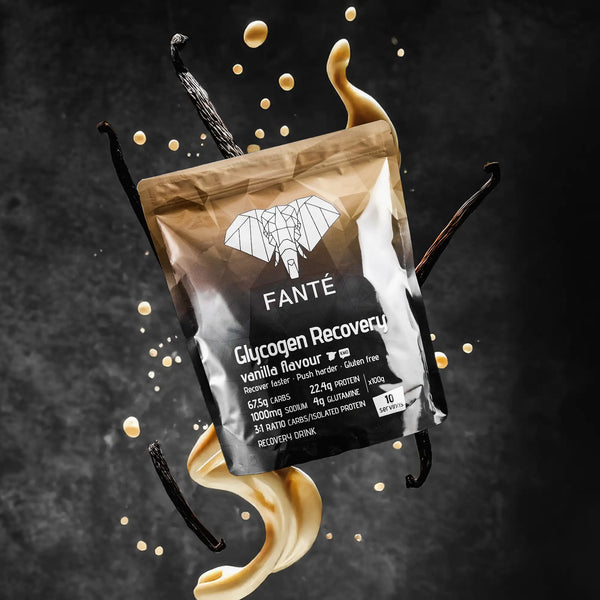
– Hypertonic: For post-exercise use. It promotes nutrient absorption. Therefore, it should have a carbohydrate content of 9-11%, which equates to 45-55g of carbohydrates per 500ml. Likewise, the sodium content should be increased to 1.2-1.5g per 1L. It's important to remember that this is a replenishment drink, not a complete hydration solution.
As with our GLYCOGEN RECOVERY DRINK, the best recovery drink you can find based on your current body weight.
[[PRODUCT:glycogen-recovery-drink]]
Clarifying the types of drinks that exist in sports nutrition,
We focus on the HYPOTONIC DRINK , the quintessential drink that we should use before a competition in very hot and humid conditions.

We will use it when the conditions are:
More than 25 degrees
More than 75% relative humidity
If either or both of these parameters occur, we should hyperhydrate the day before to arrive at the start with a correct hydration state.

HOW DO WE DO IT?
For example, an athlete who performs physical exercise lasting more than 30 minutes, in a temperature above 25-30ºC and with relative humidity above 55%, should start the activity with a more than optimal hydration state (even with a previous hyperhydration state).
Ultimately, as we have said, the results in these conditions depend directly on the athlete's hydration status prior to exercise , and as has already been demonstrated, starting in a state of hyperhydration or euhydration (minimum) is effective in delaying the time to fatigue.
Thus, the intake of osmotic agents (mainly sodium) and fluid (water) through hypotonic or slightly isotonic drinks should be the reference nutritional guideline for the sports community (especially if they exercise in the extreme conditions mentioned above).
In general, a pre-hydration guideline of 5-7ml of fluid/kg of body weight is recommended in the 4 hours prior to the start of exercise.
It should be added that if we are dealing with a subject who cannot urinate or who presents dark or very concentrated urine, we should increase this guideline by adding 3-5ml/kg more in the last 2 hours before exercise.
Hence,
Intakes such as GLUT 5 DRINK + 1200ml water would make this carbohydrate drink, geared more towards the during, transform into a hypotonic drink with the addition of 1200ml water , ensuring a correct state of hyperhydration the day before a test.
Literature
- O'Brien, WJ, Stannard, SR, Clarke, JA, & Rowlands, DS (2013). Fructose–maltodextrin ratio governs exogenous and other CHO oxidation and performance. Medicine & Science in Sports & Exercise, 45(9), 1814-1824.
- Asker Jeukendrup, William H Saris and Anton J Wagenmakers. Fat Metabolism During Exercise: A Review Part I: Fatty Acid Mobilization and Muscle Metabolism. Article published in the journal PubliCE, Volume 0 of 1999.
- Baker LB, Jeukendrup A. Optimal composition of fluid-replacement beverages. American Physiological Society. Comprehensive Physiology. 2014; 4(2): 575-562.
- Burke LM, Jeukendrup A, Jones AM, Mooses M. Contemporaty Nutrition Strategies to Optimize Performance in Distance Runners and Race Walkers. Int J Sport Nutr Exerc Metab. 2019; 29(2): 117-129.
- Urdampilleta A, Martínez-Sanz JM, Álvarez-Herms J. Hydration Protocol Before, During and After Physical-Sports Activity. Mot Eur J Hum Mov. 2013; 31: 57–76.
- Palacios N, Franco L, Manonelles P, Manuz-González B, Villegas-García JA. Consensus on sports drinks. Composition and fluid replacement guidelines. Doc consensus [Internet]. 2008; 25(126): 245–258.