



5 Cycling Energy Gels: Which to Choose Based on Your Route and Level?
Choosing correctly among the different cycling energy gels can make the difference between maintaining consistent power or suffering a drop in performance at the decisive moment.
Many cyclists look for the best gel for their route without considering key factors such as duration, intensity, elevation gain, or hourly carbohydrate strategy. Not all cycling energy gels work the same in a 3-hour aerobic base ride as in an explosive, hilly race.
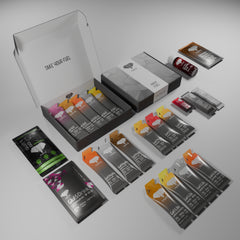
In this guide, we analyze 5 types of cycling energy gels and explain in what context each one is most efficient: from concentrated 60g gels to liquid hydro-type gels or versions with caffeine.
Because in cycling, nutrition is not improvisation: it's strategy.
[[COMUNIDAD_CTA]]
60g Concentrated Gels: Maximum Energy Density
Among cycling energy gels, the 60-gram formats represent the most concentrated option.
When are they ideal?
-
Rides over 2 hours
-
Long climbs
-
60–90 g/h strategies
-
People who want to carry a small quantity of gels in their jersey
By providing a greater amount of carbohydrates per unit, they allow for advanced strategies without the need to ingest multiple gels.
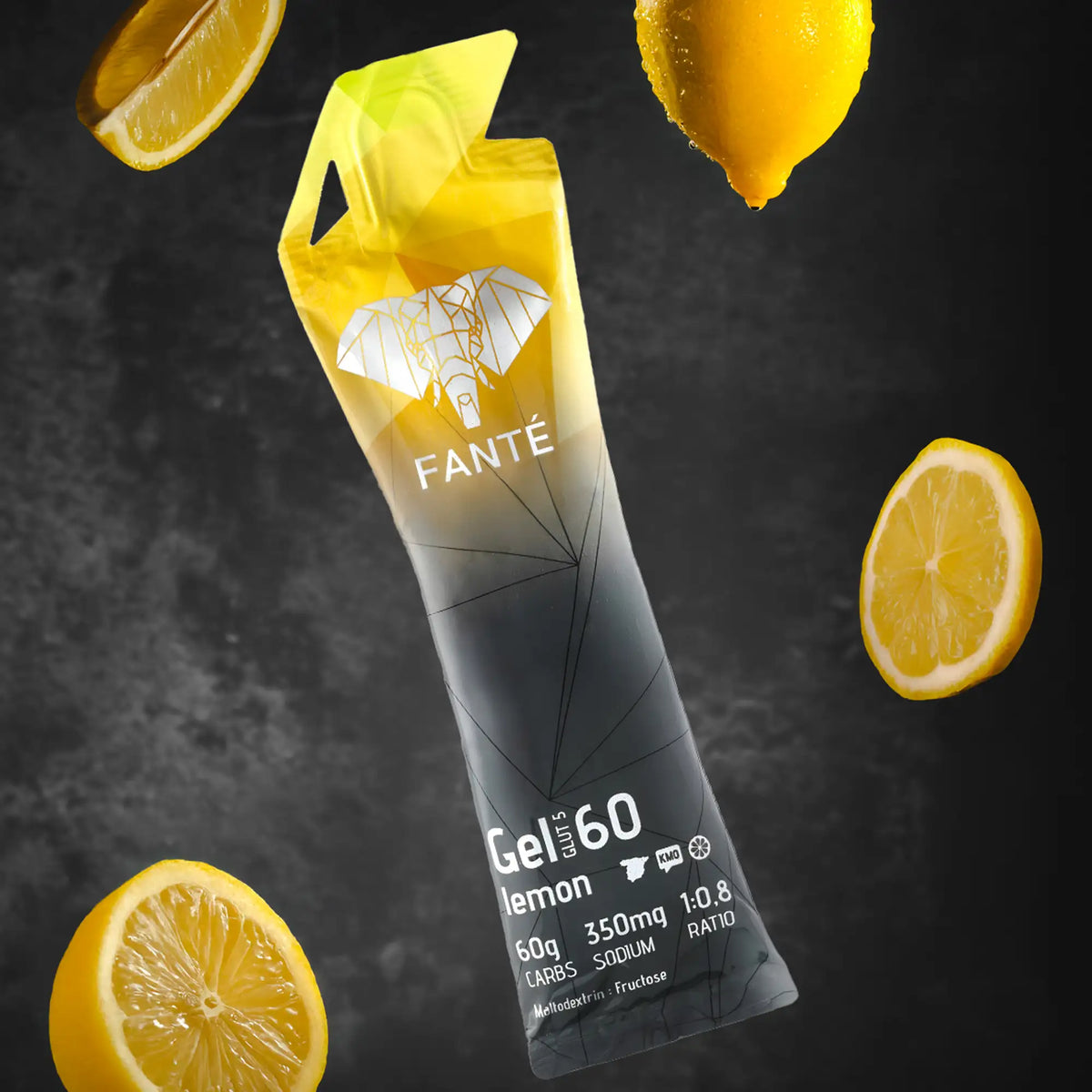
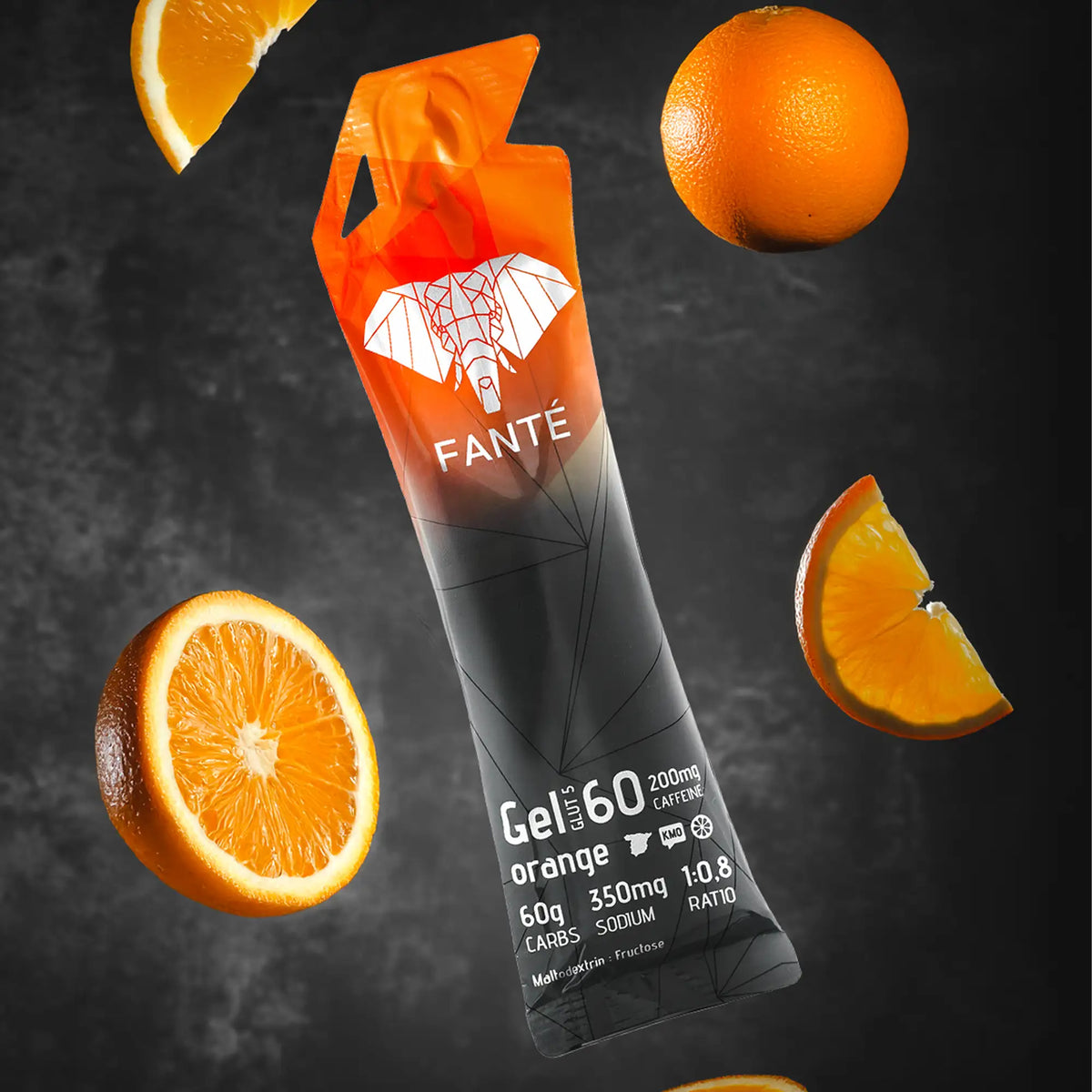
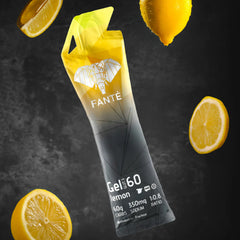
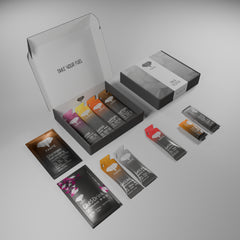
On long rides or demanding competitions, many cyclists use Fanté's 60-gram carbohydrate gel as an energy base, as it facilitates high oxidation rates with less frequent intake.
Additionally, all flavors include sodium, making them a dual tool: energy + electrolyte replenishment.
The strong point of these cycling energy gels is their efficiency per gram ingested.
[[PRODUCTO:gel-60]]
Liquid or Hydro Gels: Maximum Ease of Intake
Hydro gels or liquid gels are a specific category within cycling energy gels, designed to be consumed without the need for much additional water.
When are they useful?
-
Intense intervals
-
Pace changes
-
Short to medium distance and intense competitions
-
Moments when drinking from the bottle is not possible
Their more fluid texture reduces the feeling of density in the mouth and can improve digestive tolerance during intense efforts.
In technical cycling or climbing attacks, this characteristic makes a difference.
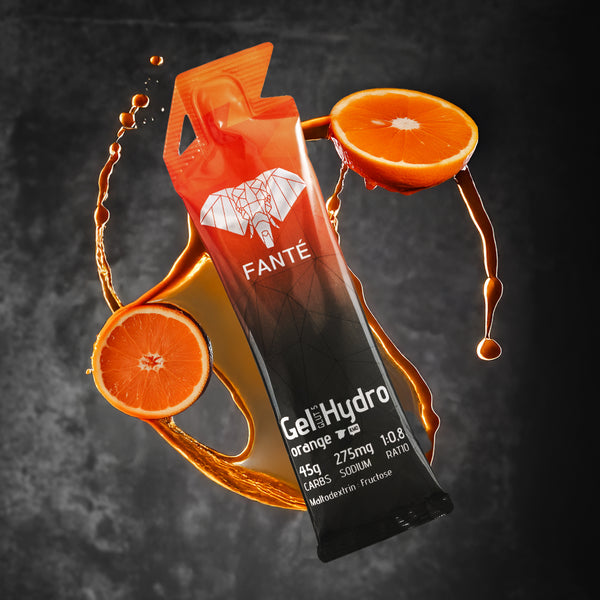
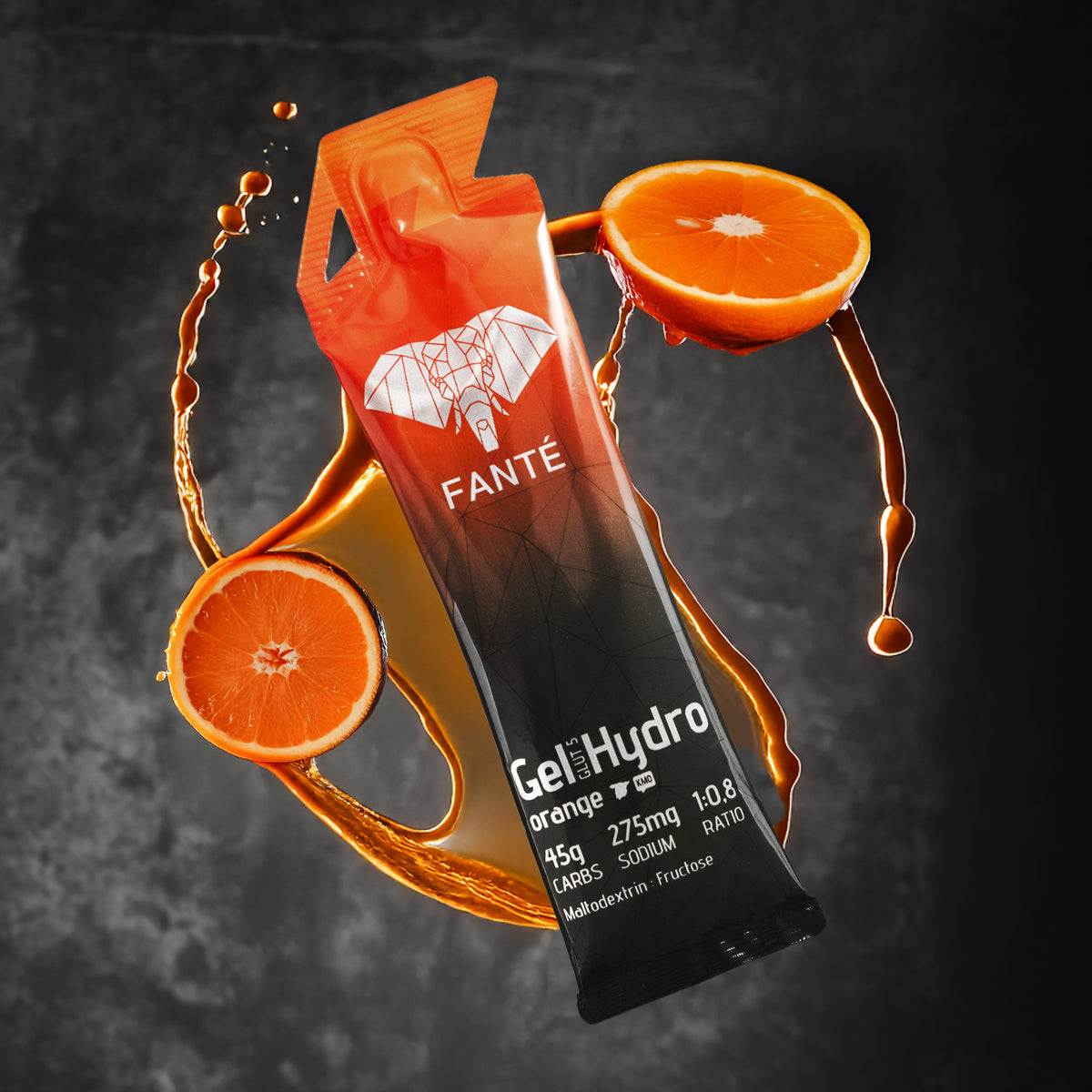
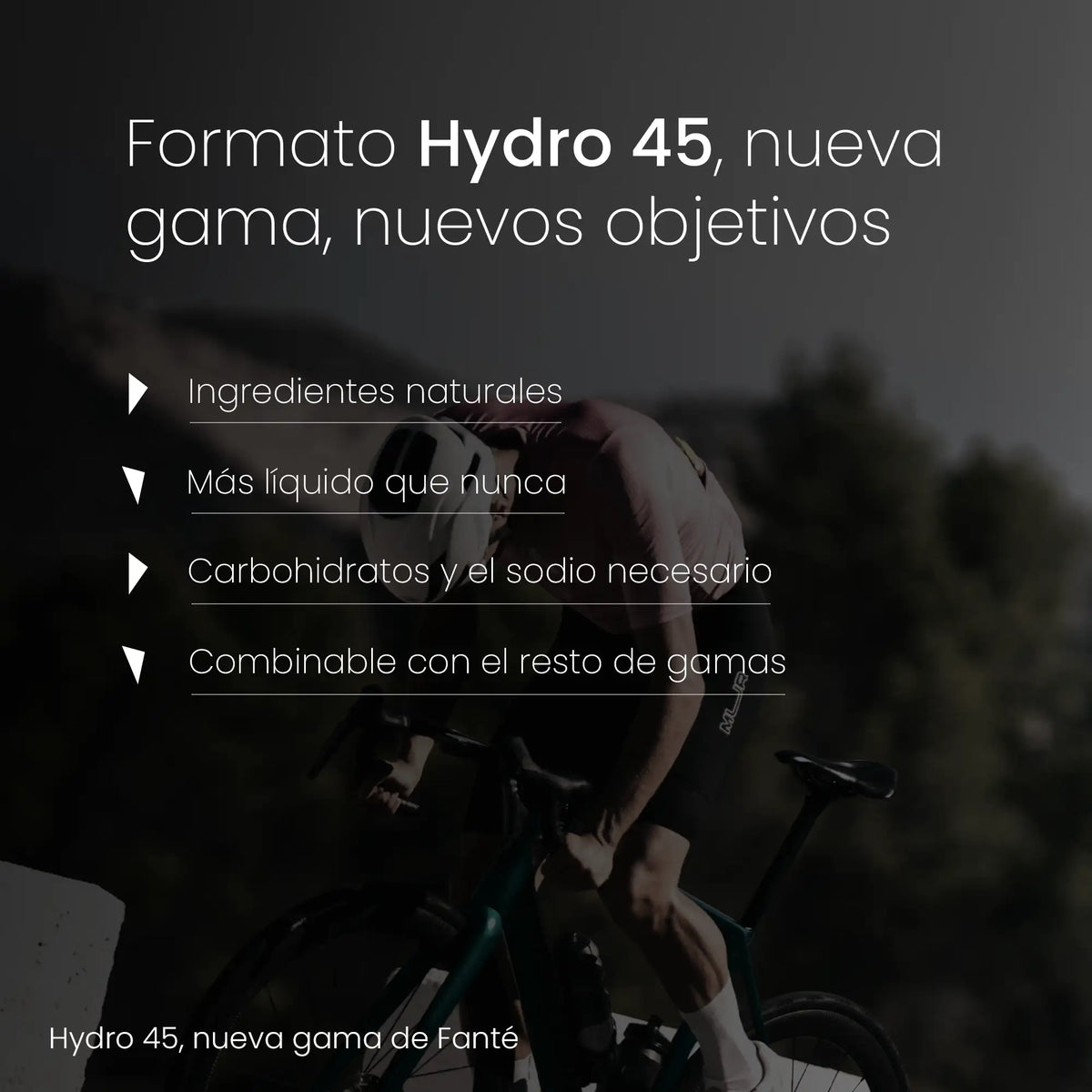
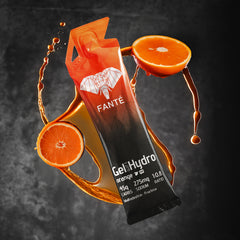
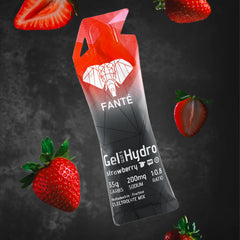
Many cyclists integrate the new Hydro 45 gel with its somewhat more liquid texture at key moments, combining it with more concentrated gels on more stable sections.
Among cycling energy gels, the hydro format stands out for its practicality and speed of use.
[[PRODUCTO:gel-hydro-45]]
Caffeinated Gels for Cycling: The Ergogenic Boost
Caffeinated cycling energy gels are used strategically when aiming to:
-
Increase alertness perception
-
Reduce central fatigue
-
Improve concentration on technical sections
Caffeine acts on the central nervous system by modulating the perception of effort. However, it should not be used indiscriminately.
When to take them:
-
In the last third of the ride
-
Before a decisive climb
-
But above all, at least 20 to 60 minutes before you want the "energy"
A common mistake is to consume them too early, reducing their effect when it's most needed.
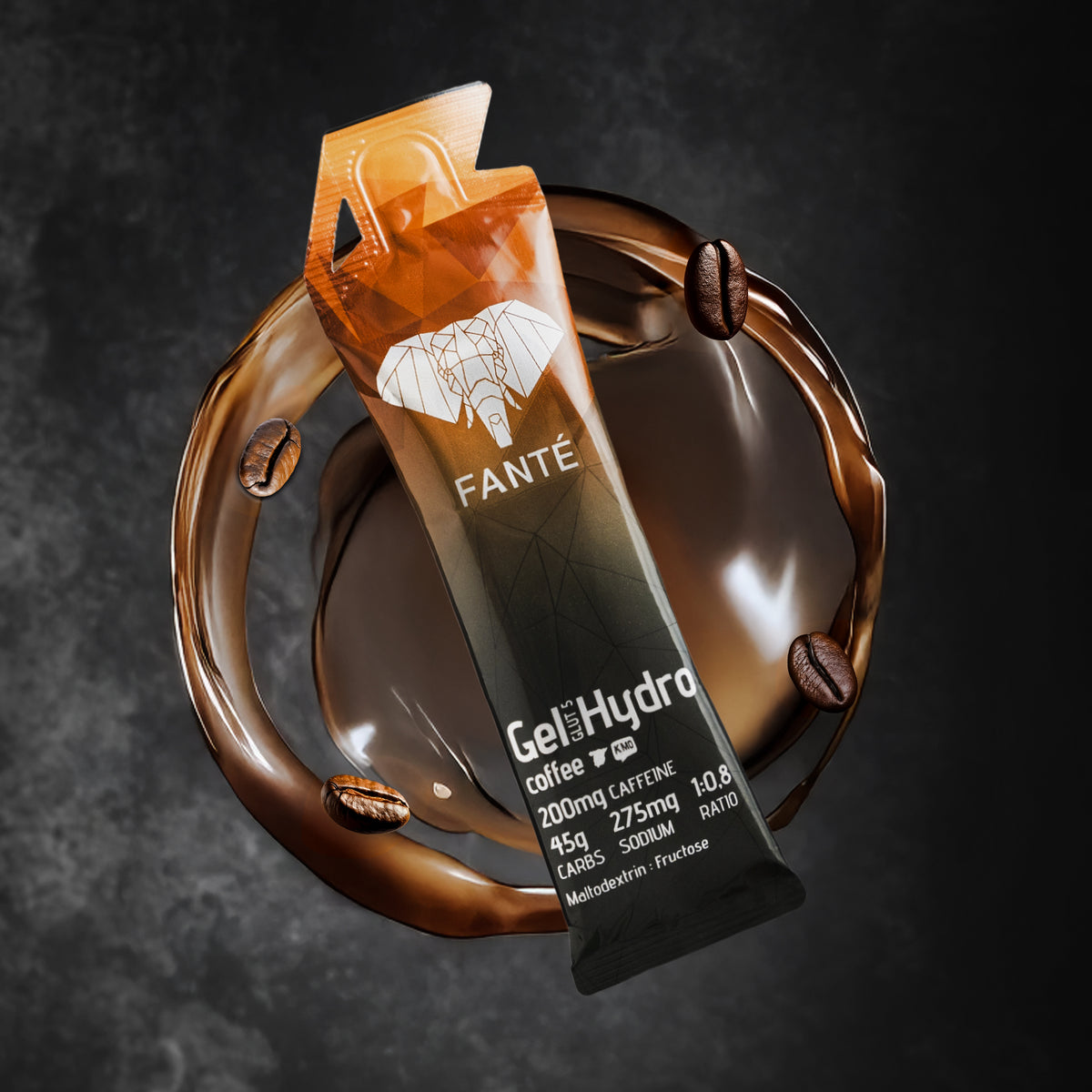
When analyzing cycling energy gels, it is crucial to check the caffeine dosage (100–200 mg per unit) and plan its use within the overall strategy, according to the athlete's body weight.
[[PRODUCTO:gel-60-cafeina]]
Natural Gels: Digestive Stability on Short and Long Routes
On rides longer than 3–4 hours, digestive tolerance can become the limiting factor, although it can also ruin your race on short routes.
Some cyclists prioritize cycling energy gels formulated without artificial flavors or sweeteners, seeking greater gastrointestinal stability.
Gels with:
-
Optimized maltodextrin/fructose ratios
-
Less aggressive textures
-
Lower additive load
Can reduce cumulative discomfort when intake is repeated.
In endurance cycling, where multiple units are consumed, this simplicity improves nutritional adherence and prevents taste fatigue.
Gels with Sodium: Key on Hot Routes
Sodium is a strategic element within cycling energy gels, especially in summer or on rides longer than 90 minutes.
Gels with sodium allow for:
-
Reducing excessive fluid loss
-
Maintaining plasma volume
-
Optimizing carbohydrate absorption
In cycling, sweat can be high even without an intense thermal sensation due to the wind effect.
Many cyclists focus only on carbohydrate grams, forgetting that without enough sodium, performance can deteriorate even with available energy.
Therefore, within cycling energy gels, the electrolyte content should be considered part of the strategy.
How to Choose According to Your Route Type
Not all cycling energy gels are suitable for every scenario.
Short and Intense Route (less than 90 min)
-
Hydro gel 35 or hydro 45
-
Optional caffeine 150mg or 200mg
Aerobic Base 2–3 h
-
More concentrated gel 60 g, Gel 60
-
Alternate with isotonic drink like ISO DRINK
Long Route +3 h
-
Combine concentrated gels Gel 60 or Gel hydro 45
-
Introduce caffeine in the last third
-
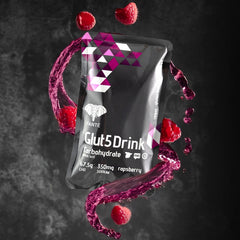
Prioritize electrolytes in drinks like GLUT 5 DRINK
Competition with Elevation Gain
-
Hydro gel for attacks or very steep climbs
-
Gel 60 in stable areas
-
Caffeine in the decisive section
The key is not to choose the most powerful gel, but to correctly select cycling energy gels according to the physiological moment.
Conclusion
When we analyze different cycling energy gels, we understand that there is no single ideal format.
-
60g gels provide energy concentration.
-
Hydro gels offer ease of consumption.
-
Caffeinated gels boost performance at key moments.
-
All our gels are natural, which improves digestive tolerance.
-
Gels with sodium optimize hydration on long routes.
The decision should be based on duration, intensity, and planning.
In cycling, strategic nutrition is as important as training. And correctly choosing your cycling energy gels can make the difference between simply finishing a route… or performing at your best until the last kilometer.