In endurance sports (and most other sports), proper hydration is essential. Dehydration is very common and can impair performance. Overhydration, while less common, can be a much more serious problem. Knowing how to hydrate correctly will help you achieve peak performance and avoid serious risks.
Why do we sweat?
To ensure our body temperature stays within acceptable limits and we don't overheat, we sweat. The greater the intensity of the exercise (higher speed/pace/power output), the more heat is produced and the more we need to sweat to stay cool. In hot conditions, this is even more important because sweating may be the only way we can cool our bodies. Other factors can affect the rate of perspiration, such as sunlight, high humidity, and insulating clothing, which can increase it. On the other hand, shade, wind, and low humidity can help us cool down and reduce our perspiration rate.
How much sweat loss is okay?
Sweat loss is generally measured as a percentage of body weight. In very short efforts, such as a 5K run, the sweat rate may be high, but the time spent exercising (sweating) is short, so the total body weight loss is likely to be low (less than 2% of body weight). As the duration increases and more time is spent sweating, losses can easily reach 2-5% of body weight.
Scientific evidence shows that performance can begin to decline as sweat losses exceed 2-3%. However, it has been observed that in cold weather conditions, these 2-3% losses do not significantly impact performance.
When we lose too much sweat, we become dehydrated; this reduces blood volume, increases heart rate, and makes it harder to maintain our body temperature. It also increases our perceived exertion. All of this reduces our ability to compete and can increase the risk of heat exhaustion and heat stroke. (1)

Why is overhydration a problem?
Drinking too much (overhydration) can lead to a dangerous medical condition called hyponatremia (low serum sodium levels). Early symptoms may include swelling, headaches, and vomiting. More serious symptoms include disorientation and seizures. In the worst cases, if left untreated, hyponatremia can result in coma and death. The risks of hyponatremia increase significantly with overhydration.
How do I avoid dehydration and overhydration?
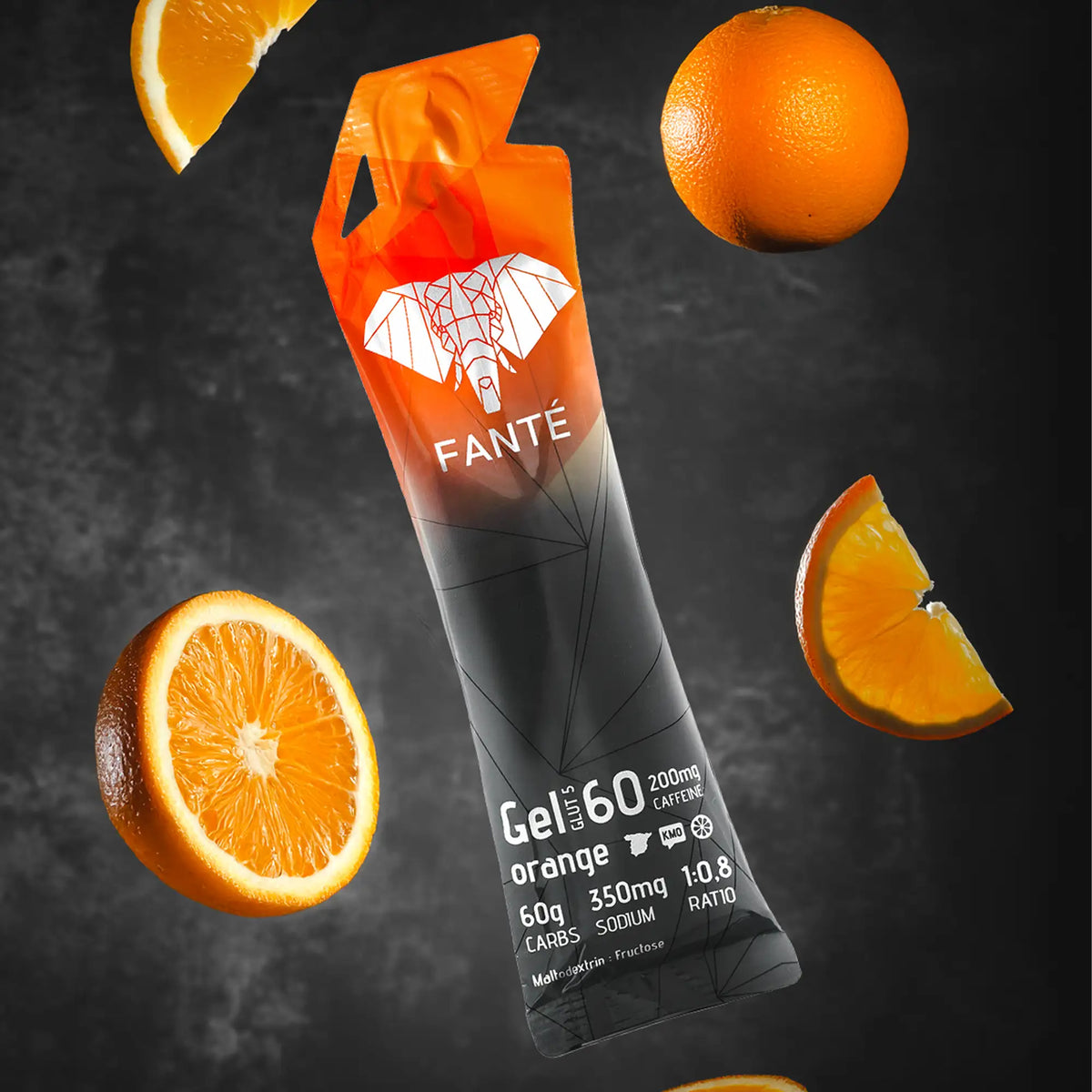
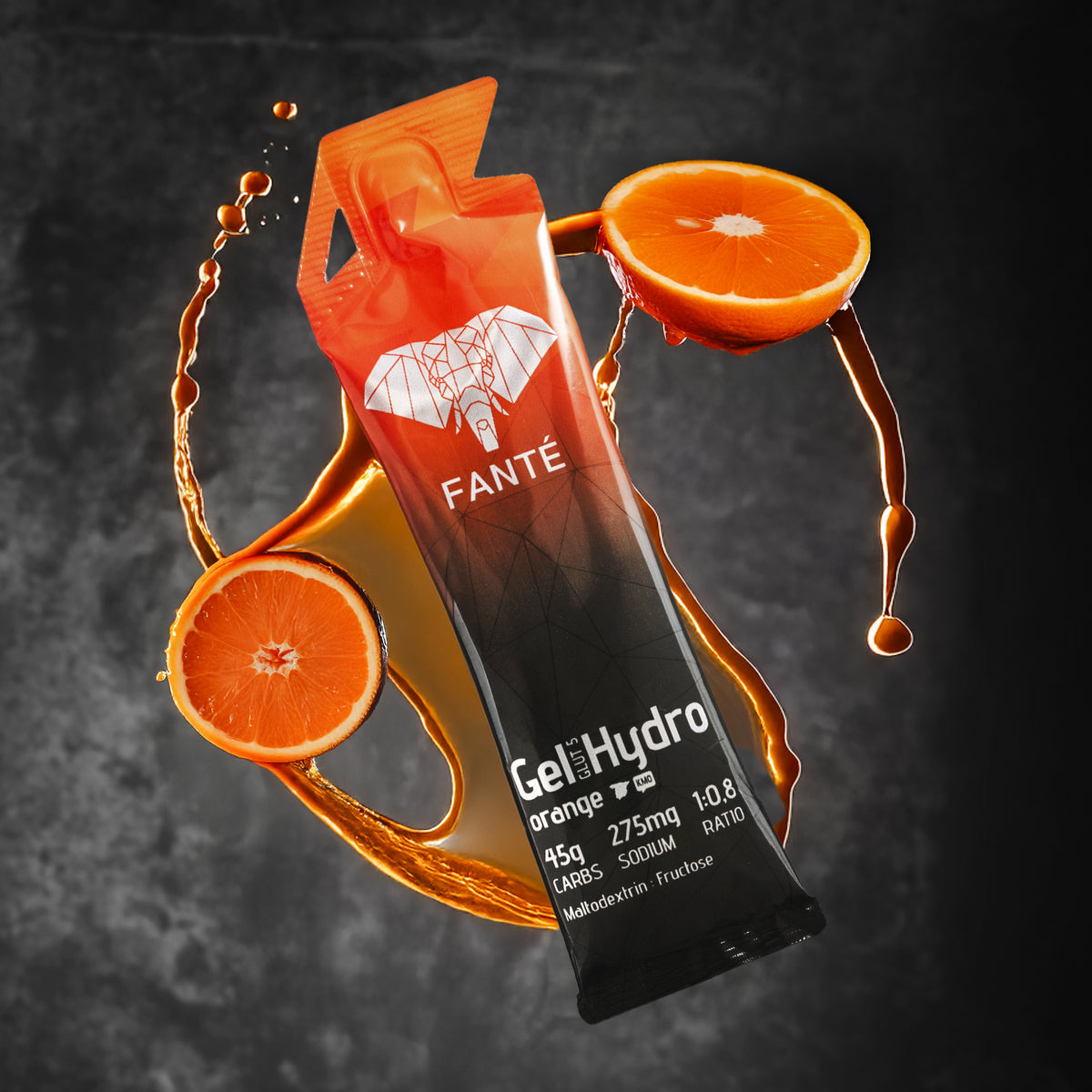
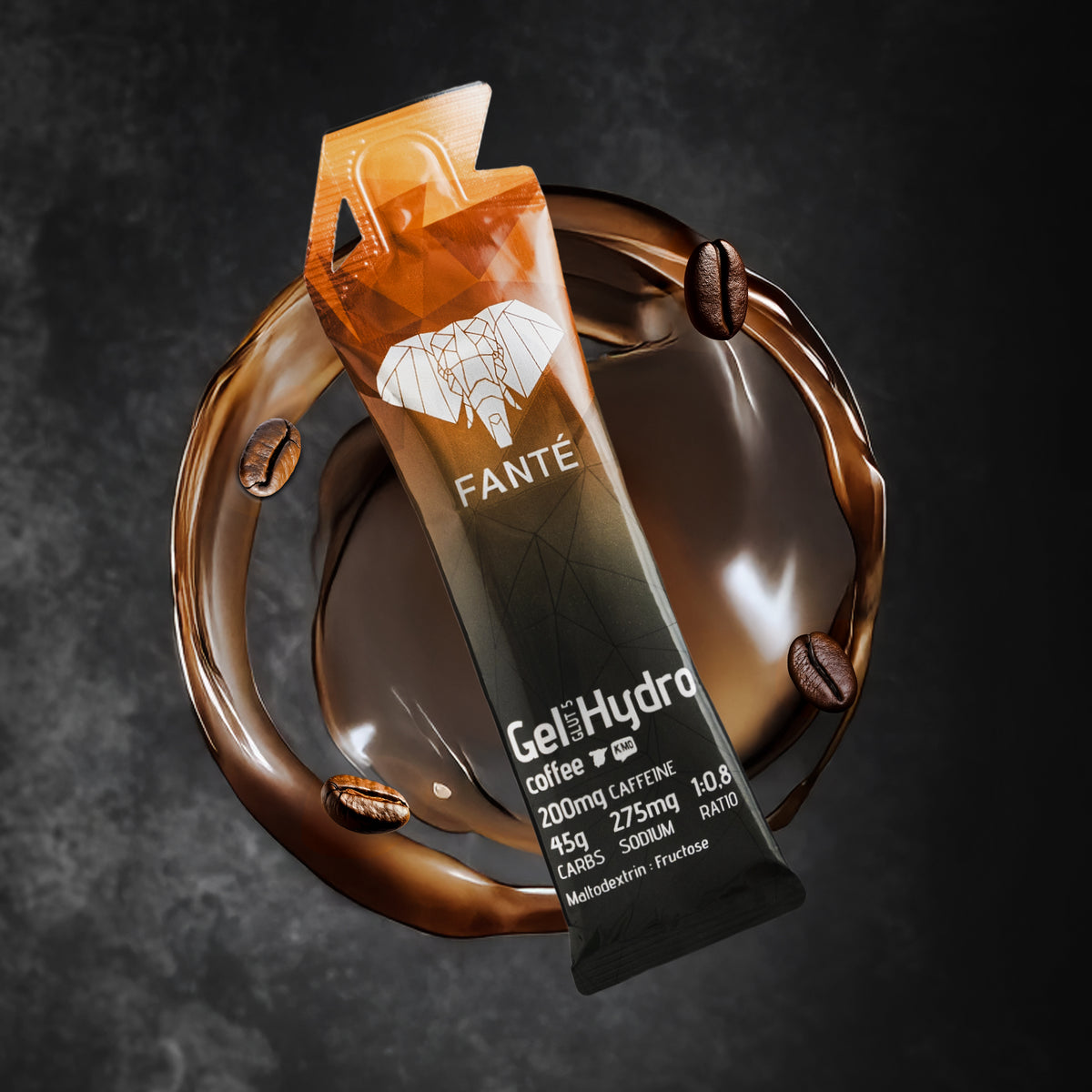
To prevent dehydration, it's important to start a race or training session hydrated and maintain adequate hydration throughout. Additionally, consuming the correct amount of sodium per hour will prevent osmotic imbalance. That's why at FANTÉ we've included 350mg of sodium in both the Gel 60 and the GLUT 5 DRINK single-serve packets, ensuring you get the minimum amount of sodium per hour that athletes should consume. If you'd like to learn more about which minerals are secreted in sweat and in what quantities, check out our guide .
[[PRODUCT:gel-60]]
[[PRODUCT: glut-5-drink]
Before the race, drink 500-700ml during the 2 hours prior to the start; excess water will be eliminated through urine. We can confirm that we are well hydrated by checking that the color of our urine is pale . (2)

During the race (or training), there are two approaches to hydration.
Drinking when you're thirsty is a recommendation that works well for the slowest athlete: if you're thirsty, drink; if you're not thirsty, don't drink.
Drinking according to a hydration plan can work for everyone, especially if you're running a bit faster, your run is longer, and you understand your sweat rate. Your planned fluid intake should always aim for a rate that ensures you don't lose too much weight while training. A good indicator of this is consuming at or below your sweat rate. If you want to learn how to measure your sweat rate, we recommend reading this guide.
Summary
It's advisable to use the early stages of a race when your gastrointestinal tract is functioning well to absorb both carbohydrates and fluids. Later in the race, even if you're thirsty, your gut may not absorb as much. Don't overdo it and use common sense. The goal should be to lose a little weight (1-2 kg or ~2-3% of body weight) by the finish line.
It's important to keep in mind that if you experience bloating and it seems like fluid is accumulating in your stomach, there's no point in drinking more fluids. Slowing down your run slightly and giving your stomach some time to move the fluid into your intestines for absorption will alleviate the bloating.
Literature
1. Baker LB (2017). Sweating Rate and Sweat Sodium Concentration in Athletes: A Review of Methodology and Intra/Interindividual Variability. Sports Med. 47(Suppl 1):111-128,
2. Gonzalez et al. (2009). Expanded prediction equations of human sweat loss and water needs. J. Appl. Physiol. 107(2):379-88,