
Endurance athletes, such as marathon runners, cyclists, or triathletes, often face gastrointestinal challenges during their training and competitions. These issues can range from mild discomfort to conditions that significantly affect performance.
Causes of Gastrointestinal Problems in Athletes
Gastrointestinal problems in athletes can be due to multiple factors:
Nutritional Factors: The consumption of certain foods or supplements before or during exercise can trigger digestive problems due to their formulation or tolerance to their ingredients.
Reduced Blood Flow to the Digestive Tract: During intense exercise, blood flow is diverted to the muscles, decreasing irrigation of the digestive system and potentially causing discomfort.
Mechanical Impact: Sports like running involve repetitive movements that can agitate the gastrointestinal tract, contributing to symptoms like nausea or diarrhea.
[[COMUNIDAD_CTA]]
Nutritional Strategies to Prevent Gastrointestinal Problems
To reduce the incidence of gastrointestinal problems, we recommend:
Training the Digestive System: During training, practice consuming the foods and supplements you plan to use in competition. This helps the digestive system adapt and reduces the likelihood of problems on race day. In this regard, we have a guide explaining how to do it.
Avoid High-Fiber Foods Before Competition: Foods with high fiber content can increase intestinal transit and cause discomfort. It is advisable to opt for low-fiber options 24-48 hours before competition, as well as consuming products like energy gels without unnecessary additives such as BCAAs or ingredients that only increase osmolarity and therefore the time they remain in our intestines, leading to a higher probability of gastrointestinal issues.
Limit Dairy Consumption: Even a mild lactose intolerance can cause problems during exercise. Consider lactose-free or plant-based alternatives.
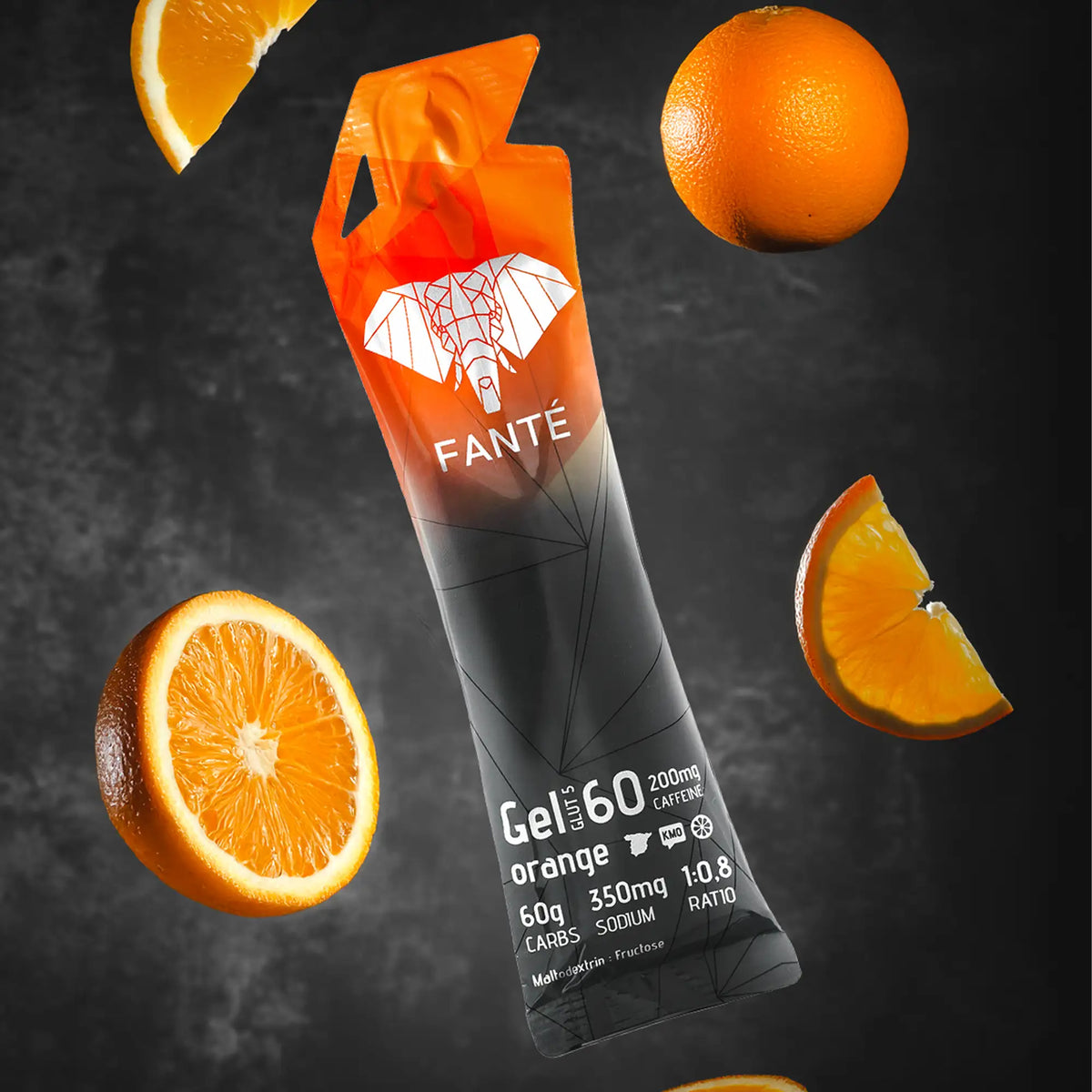
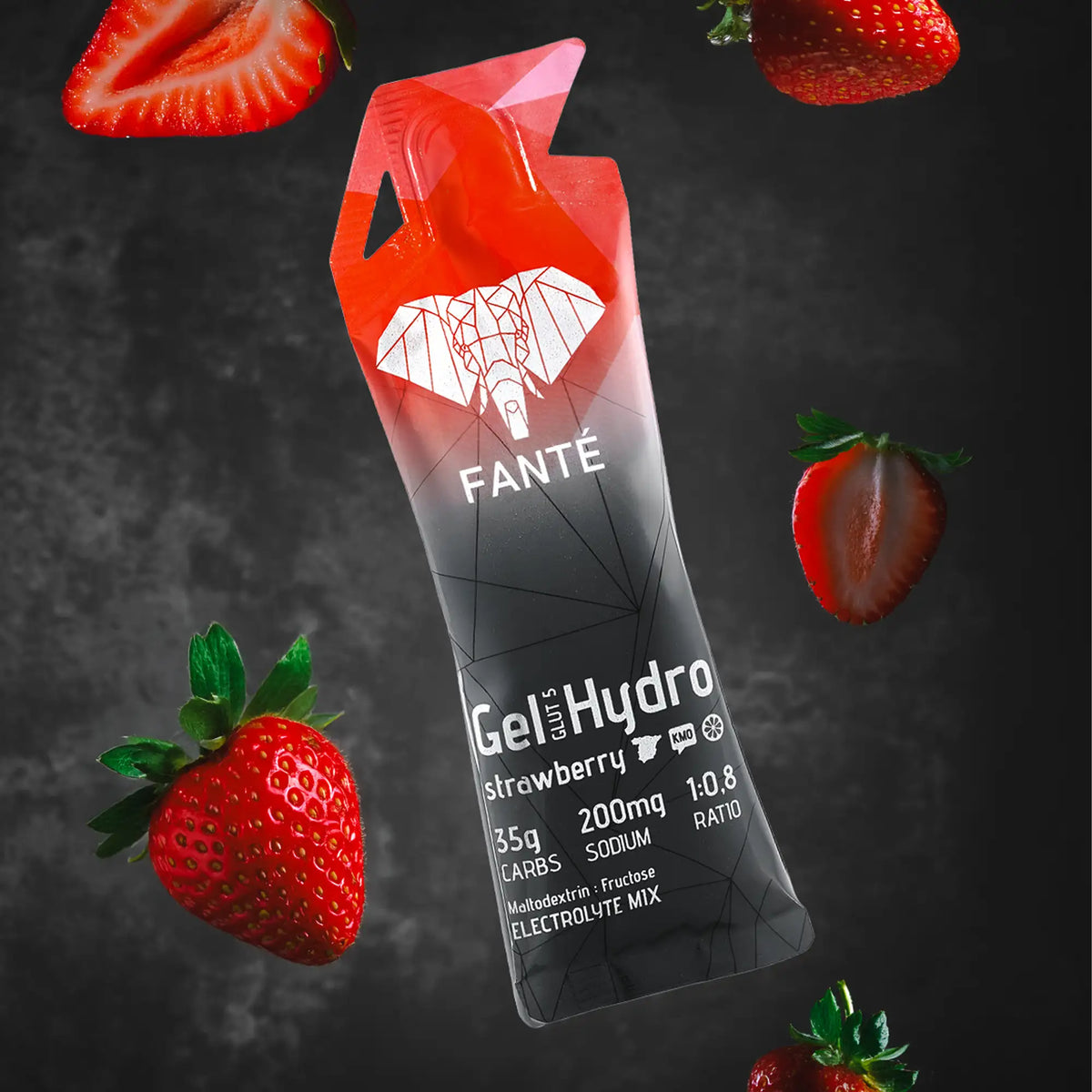
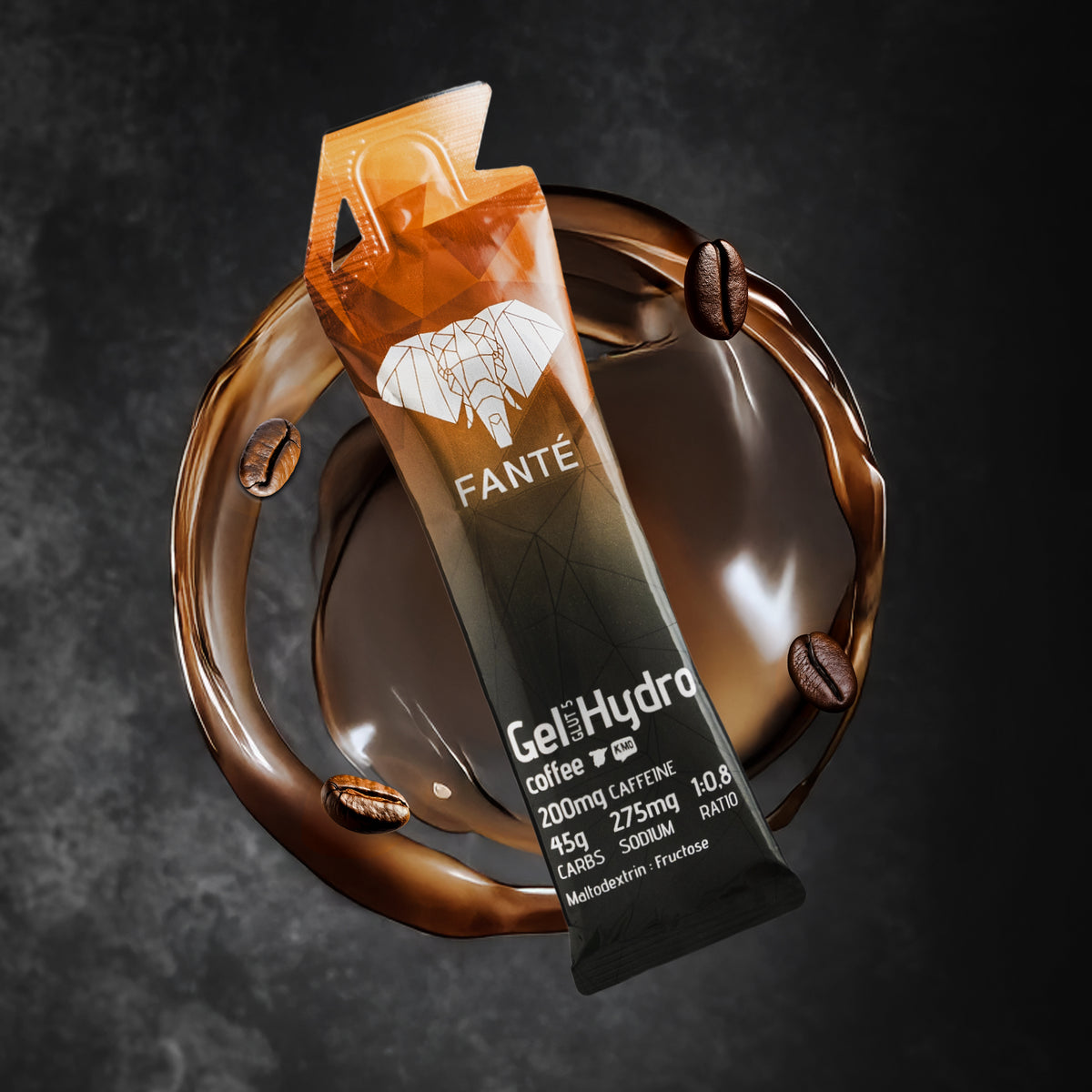
Carefully Select Energy Supplements: Some energy gels contain ingredients that can be difficult to digest. FANTÉ energy gels are formulated without unnecessary additives and include sodium, facilitating efficient absorption and reducing the risk of gastrointestinal discomfort.
Maintain Adequate Hydration: Dehydration can exacerbate gastrointestinal symptoms. It is essential to consume enough fluids, including isotonic drinks that help replenish electrolytes lost during exercise, but without oversaturating our gastrointestinal system. Only including mineral salts lost through sweat such as sodium, potassium, magnesium, and calcium, but in adequate amounts. As is the case with our isotonic drink ISO DRINK. You can check out this guide to see the quantities of minerals we need according to the latest scientific evidence.
[[PRODUCTO: iso-drink]]
Conclusion
Preventing gastrointestinal problems in endurance sports requires a combination of nutritional strategies and the appropriate choice of energy products. FANTÉ energy gels, designed without unnecessary additives and with sodium, offer an effective solution for maintaining energy and hydration without compromising digestive comfort. Implementing these recommendations can help athletes minimize gastrointestinal discomfort and maximize their performance in every competition.
Bibliography
- de Oliveira, E. P., Burini, R. C., Jeukendrup, A. 2014. Gastrointestinal complaints during exercise: prevalence, etiology, and nutritional recommendations. Sports Med 44 Suppl 1: S79-85.
- Riddoch C, Trinick T. Gastrointestinal disturbances in marathon runners. Br J Sports Med. 22(2):71-4, 1988.
- Jeukendrup AE, Vet-Joop K, Sturk A, Stegen J H, Senden J, Saris WH, Wagenmakers AJ. Relationship between gastro-intestinal complaints and endotoxaemia, cytokine release and the acute-phase reaction during and after a long-distance triathlon in highly trained men. Clin Sci (Lond). 98(1):47-55, 2000.
- Costa, R.J.S., Snipe, R., Kitic, C., Gibson, P., (2017). Systematic review: Exercise-induced gastrointestinal syndrome- Implication for health and disease. Alim.Therap.Pharmacol., 46(3):246-265.
- Costa, R.J.S., Gaskell, S.K., McCubbin, A.J., Snipe, R.M.J (2020). Exertional-heat stress associated gastrointestinal perturbations- management strategies for athletes preparing for and competing in the 2020 Tokyo Olympic Games. Temp. 7(1):58-88.
- Costa, R.J.S., Miall, A., Khoo, A., Rauch, C., Snipe, R., Camões-Costa, V., Gibson, P., (2017). Gut-training: The impact of two weeks repetitive gut-challenge during exercise on gastrointestinal status, glucose availability, fuel kinetics, and running performance. Appl.Physiol.Nutri.Metab., 42(5):547-557.
- Costa, R.J.S., Snipe, R., Kitic, C., Gibson, P., (2017). Systematic review: Exercise-induced gastrointestinal syndrome- Implication for health and disease. Alim.Therap.Pharmacol., 46(3):246-265.
- Costa, R.J.S., Gaskell, S.K., McCubbin, A.J., Snipe, R.M.J (2020). Exertional-heat stress associated gastrointestinal perturbations- management strategies for athletes preparing for and competing in the 2020 Tokyo Olympic Games. Temp. 7(1):58-88.
- Costa, R.J.S., Miall, A., Khoo, A., Rauch, C., Snipe, R., Camões-Costa, V., Gibson, P., (2017). Gut-training: The impact of two weeks repetitive gut-challenge during exercise on gastrointestinal status, glucose availability, fuel kinetics, and running performance. Appl.Physiol.Nutri.Metab., 42(5):547-557.