
CYCLE TOURIST, NUTRITION, RACE SUCCESS
Proper nutritional planning is essential for cyclists participating in endurance events, such as cycle tours.
A well-designed strategy not only improves performance, but also helps prevent fatigue and gastrointestinal discomfort during competition.
The following details the nutritional recommendations for the week prior to the competition and for breakfast on race day.
[[CTA_COMMUNITY]]
Nutrition in the week leading up to the competition
In the days leading up to an endurance test, it is essential to maximize muscle glycogen stores through proper carbohydrate loading.
Traditionally, protocols were used that included a depletion phase followed by a high carbohydrate intake.
However, more recent methods suggest that it is possible to achieve glycogen supercompensation without the need for a prior carbohydrate depletion phase.
By reducing training intensity and increasing carbohydrate intake in the two days prior to competition, athletes can achieve optimal levels of muscle glycogen.
It is recommended that cyclists consume between 7 and 12 grams of carbohydrates per kilogram of body weight per day during this period. Foods such as pasta, rice, bread, fruits, and starchy vegetables are excellent sources of carbohydrates.

In addition, it is important to maintain adequate hydration and avoid foods high in fiber or fats that may cause digestive discomfort.
Breakfast before the race
Breakfast on the day of the competition plays a crucial role in the cyclist's performance.
After overnight fasting (not eating during the night), liver glycogen stores decrease, so it is essential to replenish them before the test.
It is recommended to ingest between 1 and 4 grams of carbohydrates per kilogram of body weight in the 1 to 4 hours prior to the start of the race.
The exact amount and timing of intake should be adjusted according to individual tolerance and the start time of the competition.
Suitable breakfast options include toast with jam or honey, oatmeal with fruit, bananas, and sports drinks.
It is advisable to avoid foods high in fiber, fats or excessive protein, as they can slow down digestion and cause gastrointestinal discomfort during the race.
If the time between breakfast and the start of the test is short, liquid forms of carbohydrates, such as shakes or sports drinks like our GLUT 5 DRINK or ISO DRINK , can be considered to facilitate digestion and absorption.
[[PRODUCT: glut-5-drink]
[[PRODUCT: iso-drink]

In summary, proper nutritional planning in the week leading up to and on the day of the competition is essential to optimize performance in endurance events such as cyclotourism.
It is essential that each cyclist adjusts these recommendations to their individual needs and tolerances, and that they practice their nutritional strategy during training to ensure its effectiveness and tolerance.
If you still don't know how to plan the grams of each food or how it's done, we've prepared a cycling tour pack that includes a nutritional strategy for the race, both before, during and after, as well as the products needed to reach the finish line with guarantees.
In conclusion, proper planning is the key to success for any athlete in a competition.
In a generic cycle tour, we should emphasize 4 aspects
Caffeine
Carbohydrates
Water
Salts
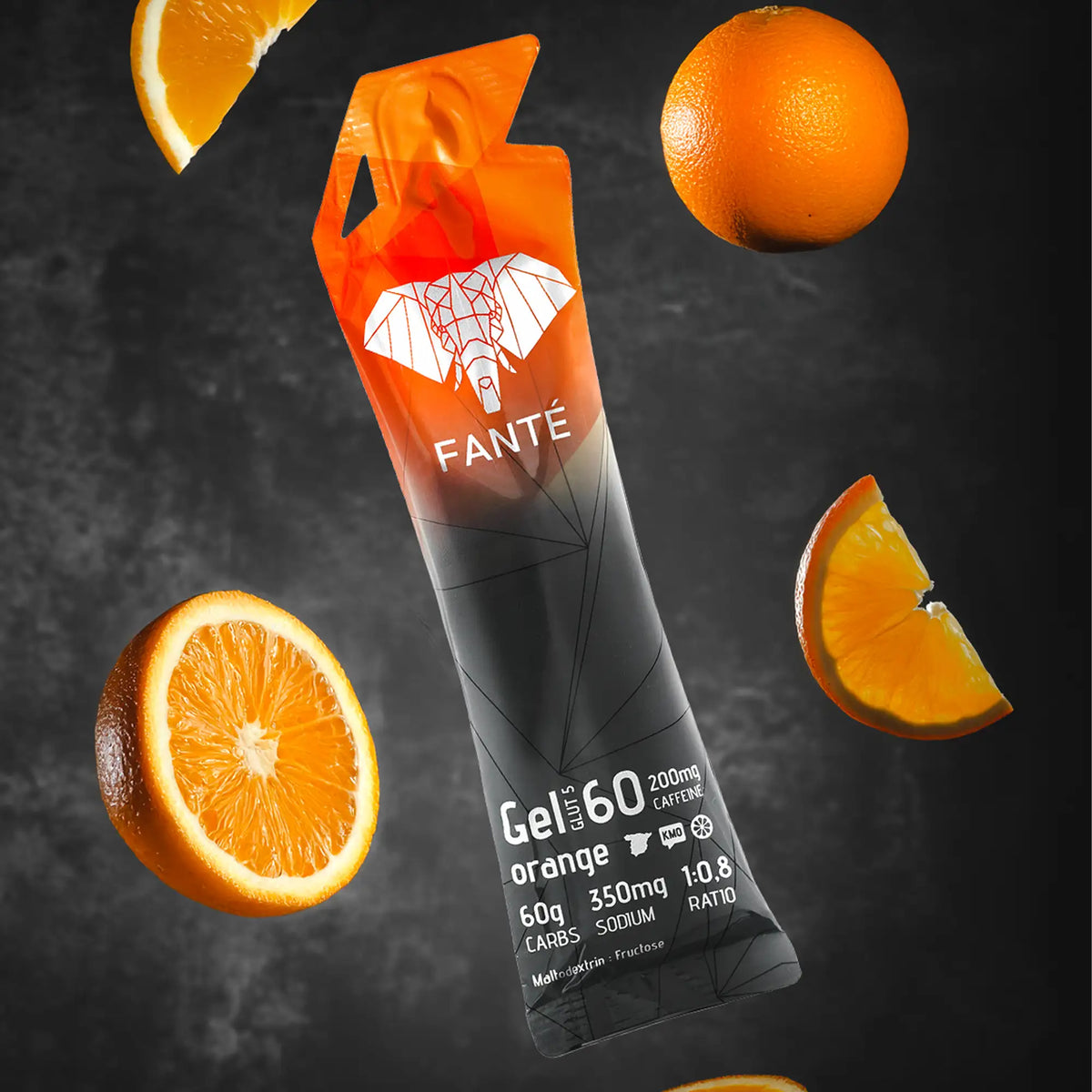
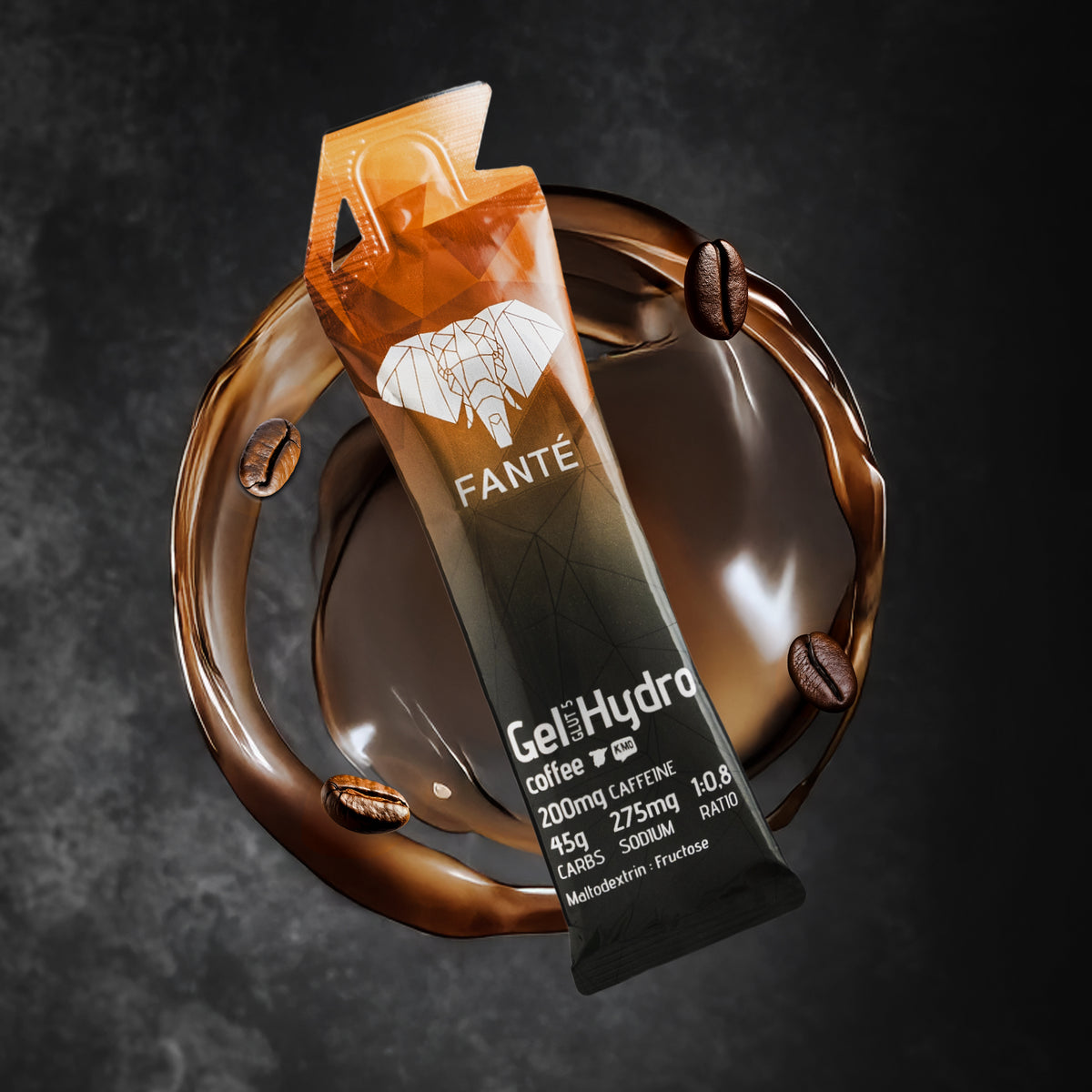
We should ingest caffeine every 1:20 to 2:00 at an intake of 3mg/kg of weight, that is, from 100mg of caffeine to 300mg of caffeine depending on the athlete's weight.
In this case, we have the following options:
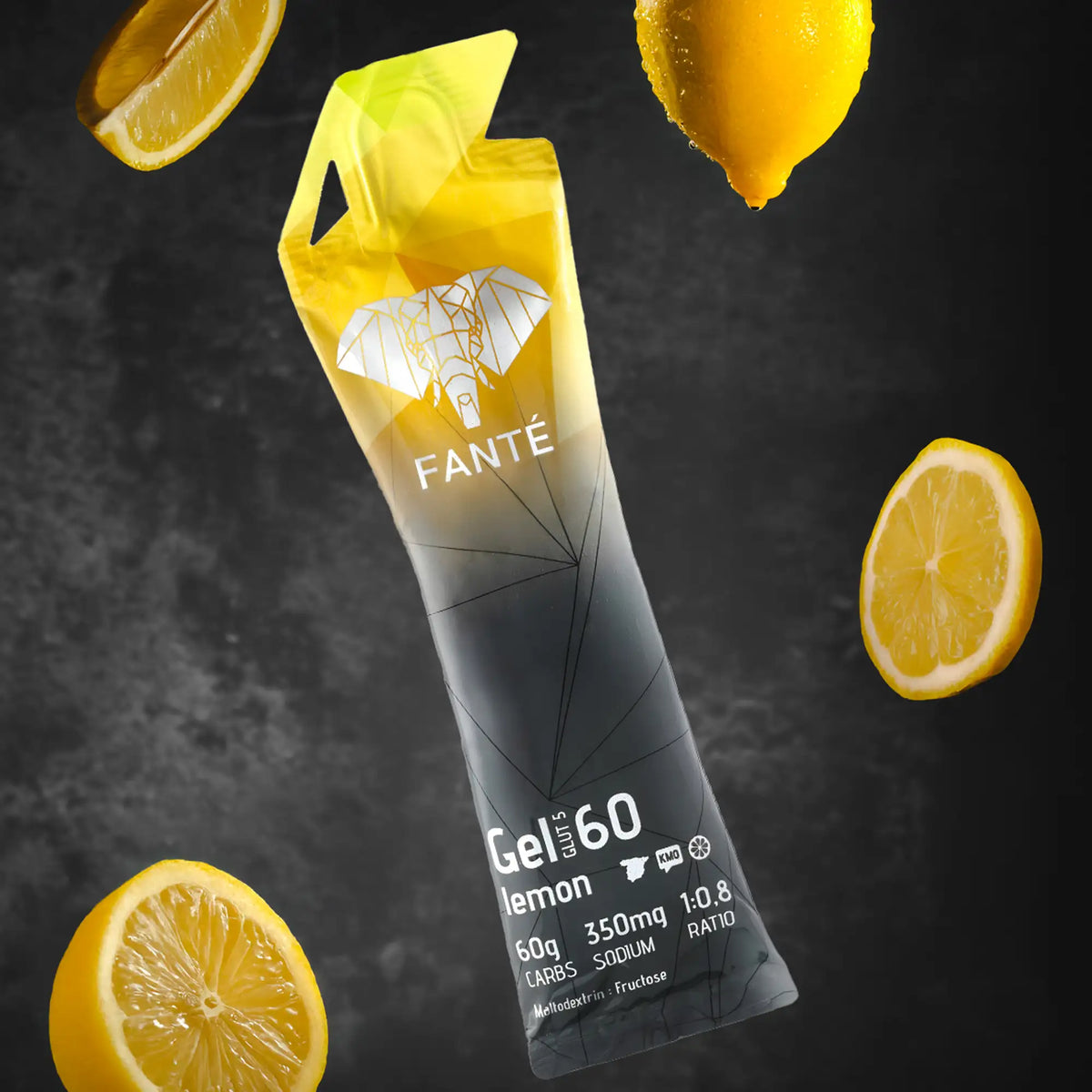
We should ingest a minimum of 60 grams of carbohydrates per hour in gel or drinkable form.
But for athletes more accustomed to high carbohydrate consumption, we could consume 80 to 120 grams per hour.
And this is where it comes into play
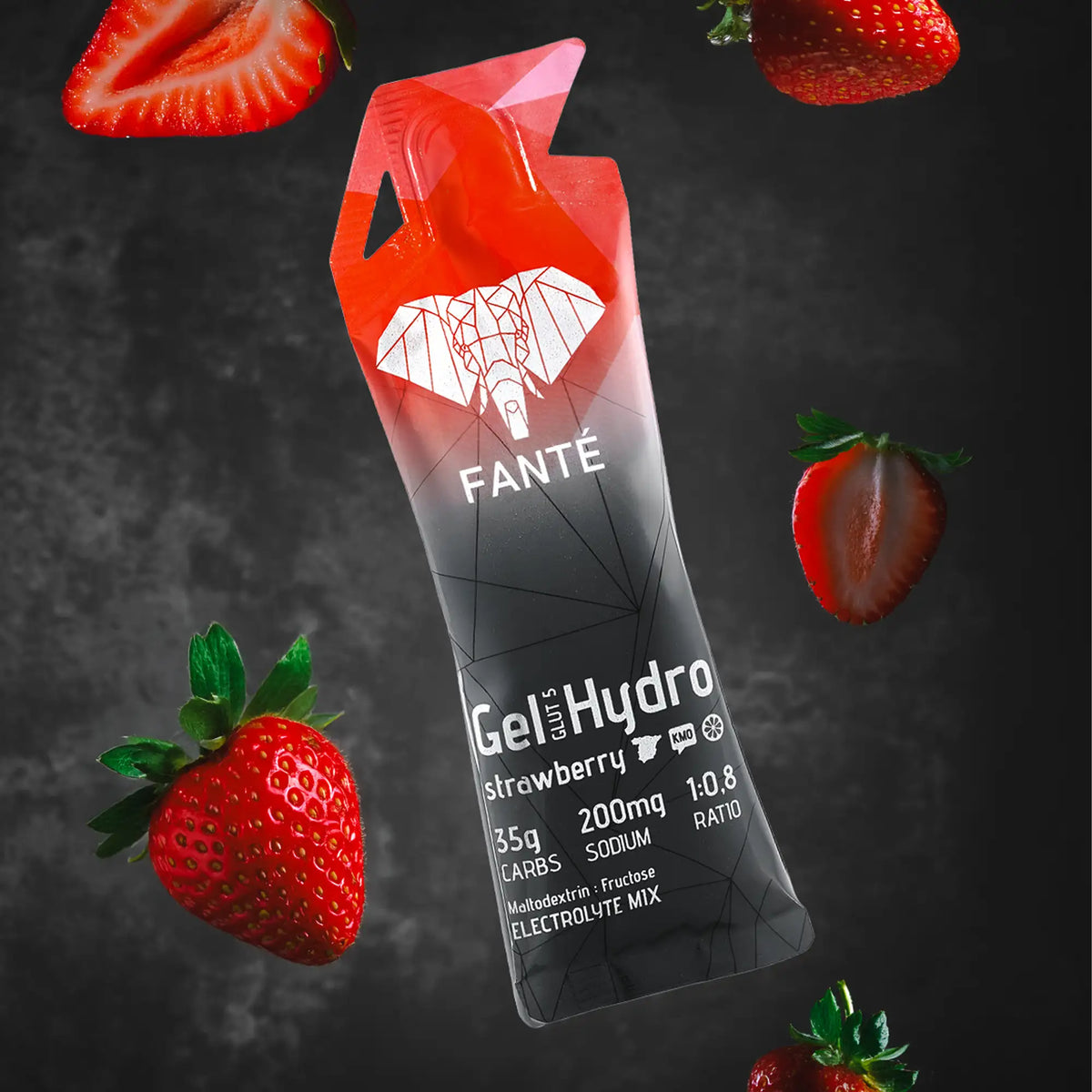
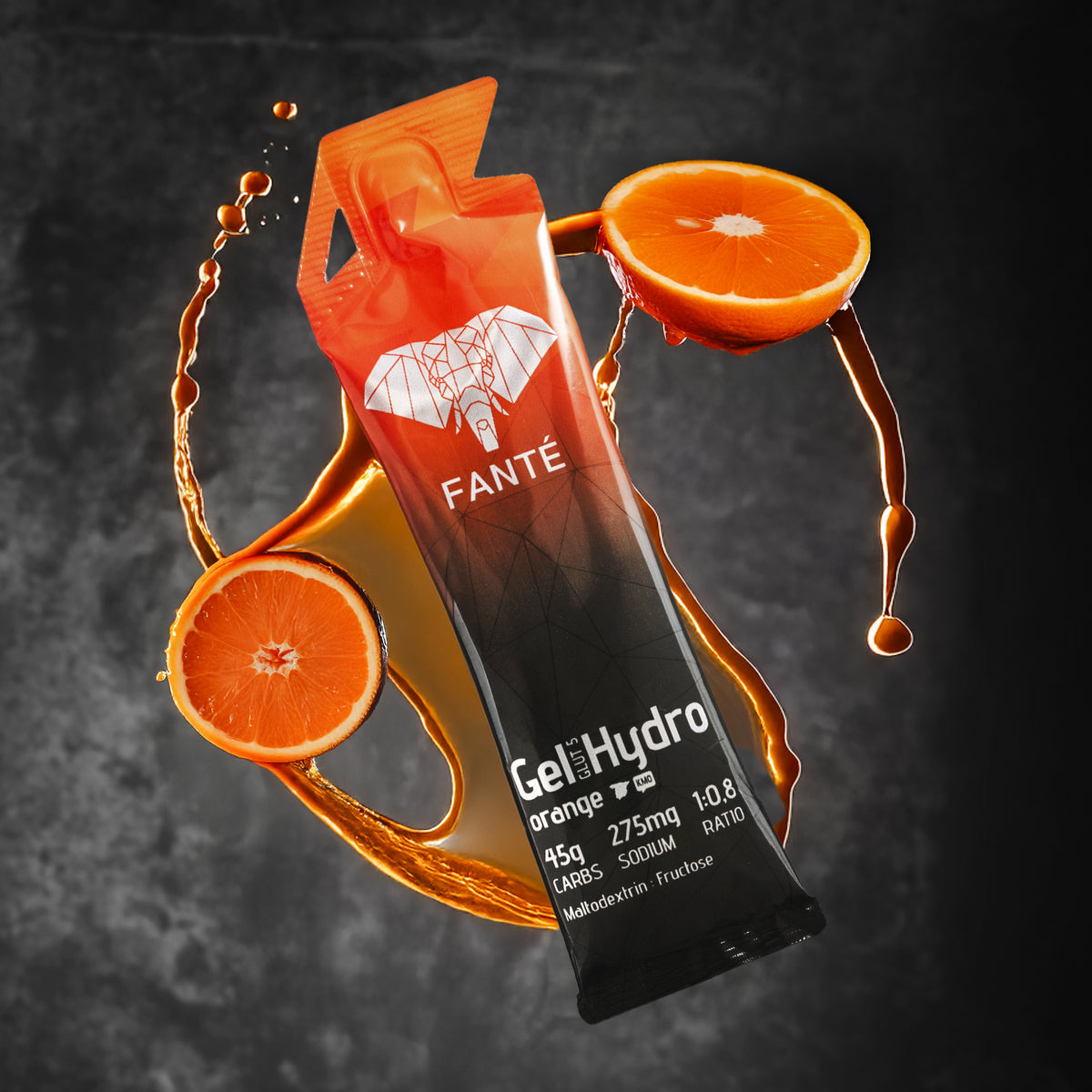
The carbo gummy , the electro gummy , Gel hydro and the ISO DRINK
Water : we should hydrate with a minimum of 400 to 600ml in the first few hours and around 800ml to 1 liter per hour during the hottest hours.
And finally, mineral salts.
You don't need to worry here; in the entire FANTÉ range, with any combination, you will get the minimum of 350mg of sodium per hour, so you don't need to worry.
But keep in mind that you should consume between 350mg of sodium per hour and 900mg or 1 gram of sodium per hour.

Literature
- Rothman DL, Magnusson I, Katz LD, Shulman RG, Shulman GI. Quantitation of hepatic glycogenolysis and gluconeogenesis in fasting humans with 13C NMR. Science (80- ). 1991;
- Thomas DT, Erdman KA, Burke LM. Position of the Academy of Nutrition and Dietetics, Dietitians of Canada, and the American College of Sports Medicine: Nutrition and Athletic Performance. J Acad Nutr Diet. 2016;116(3):501–28.
- Keizer HA, Kuipers H, van Kranenburg G, Geurten P. Influence of liquid and solid meals on muscle glycogen resynthesis, plasma fuel hormone response, and maximal physical working capacity. Int J Sports Med. 1987;
- Gentilcore D, Chaikomin R, Jones KL, Russo A, Feinle-Bisset C, Wishart JM, et al. Effects of fat on gastric emptying of and the glycemic, insulin, and incretin responses to a carbohydrate meal in type 2 diabetes. J Clin Endocrinol Metab. 2006;
- Bergstrom, J., Hermansen, L., Hultman, E., and Saltin, B. Diet, muscle glycogen and physical performance. Acta Physiol Scand. 71: 140-150, 1967. Jeukendrup and Gleeson Sports Nutrition Human Kinetoics Champaign IL, 2010