Isotonic drinks are very often categorized as any powdered product that is mixed with water.
But that's not the reality. There are many products on the market today, with very different quantities and with uses that lack scientific evidence.
Before I tell you what to look for when choosing one isotonic drink over another, I'm going to briefly explain the importance of concentration in a beverage so you can understand why "not all powdered products are isotonic."
One of the main goals of oral rehydration solutions (ORS) and sports drinks is to make fluids available for use within the body as quickly as possible. Drinks designed for use as ORS and sports nutrition contain a mixture of carbohydrates and electrolytes, with sodium being the primary electrolyte.
The carbohydrates in ORS (carbohydrate drinks) come mainly in the form of glucose, although they may also contain sucrose, maltodextrins, or fructose.
Increasing the amount of carbohydrates in an ingested beverage leads to a decrease in fluid transport. (1)
The increase in osmolality due to high carbohydrate concentrations leads to a net movement of water into the intestinal lumen, causing a loss in body water reserves and may increase the effects of dehydration (2) .
Previously, it has been shown that solutions with electrolytes and 6% CHO lead to greater fluid transport than a 15% glucose solution (3) but there was no demonstrated difference in fluid transport when glucose and fructose solutions of 6, 8 and 9% were compared (4).
On the other hand, previous research has suggested that adding sodium to ingested beverages will lead to an increase in fluid transport (5) and a reduction in plasma volume change during exercise, indicating greater fluid availability and greater energy supply (6)
Based on current scientific evidence, it is clear that an isotonic drink should contain
- Concentration between 4 and 6%
- Adaptable usage instructions that take into account the packaging used by the athlete
- Sodium intake between 200mg and 400mg. To avoid exceeding blood osmolarity and prevent dehydration.
THE PERFECT ISOTONIC
According to scientific evidence, the isotonic drink should contain between
30-45 grams of carbohydrates
250mg and 450mg of sodium
Potassium, magnesium, and calcium in adequate amounts. ( This guide tells you more about this.)
Ratio 1:0.8 (maltodextrin and fructose)
WHY CHOOSE OUR ISOTONIC ISO DRINK?
Our formulation has been made based on current scientific evidence, this guide was made on December 30, 2024 and the guidelines for carbohydrates, concentration, mineral salts and osmolarity support the current formulation in FANTÉ.
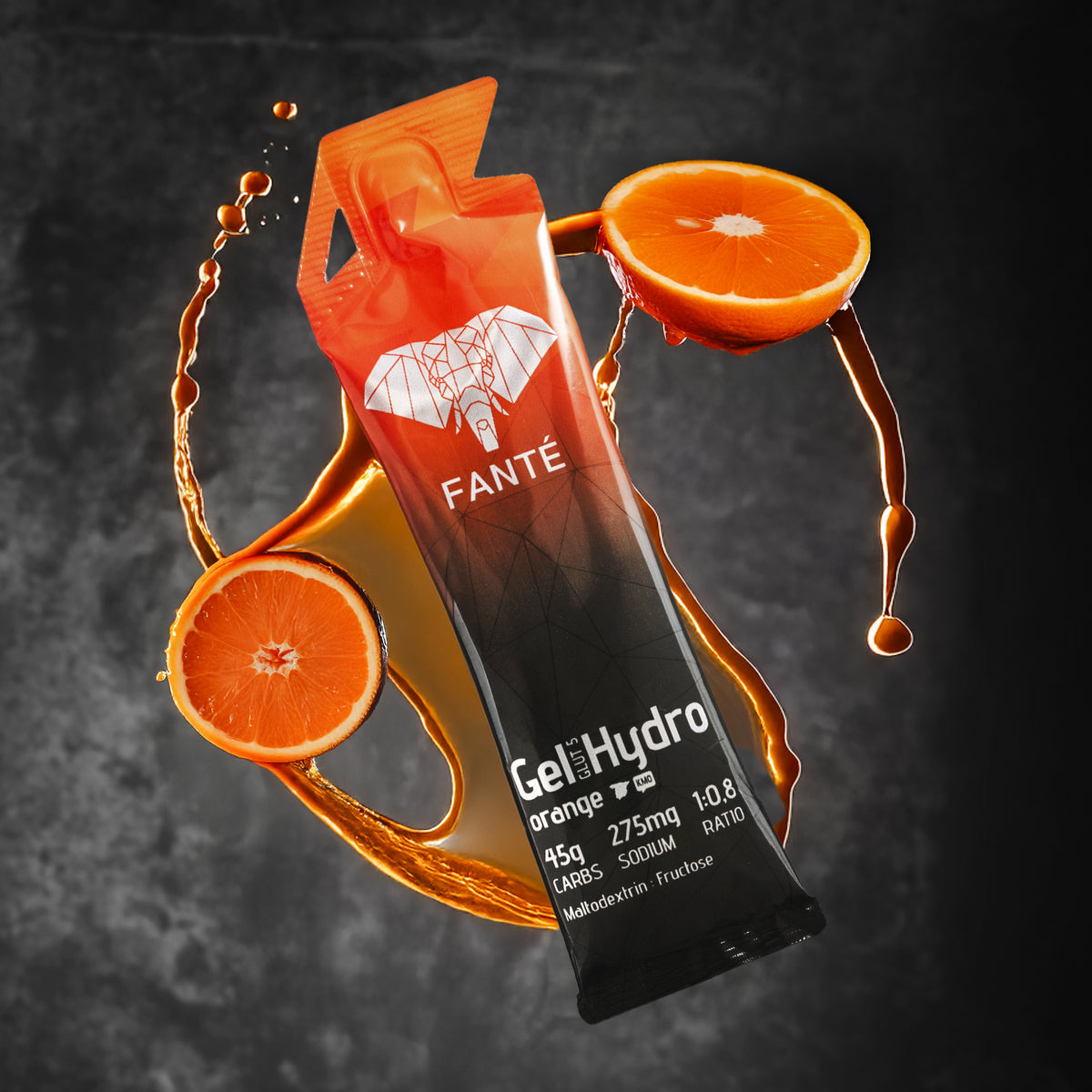
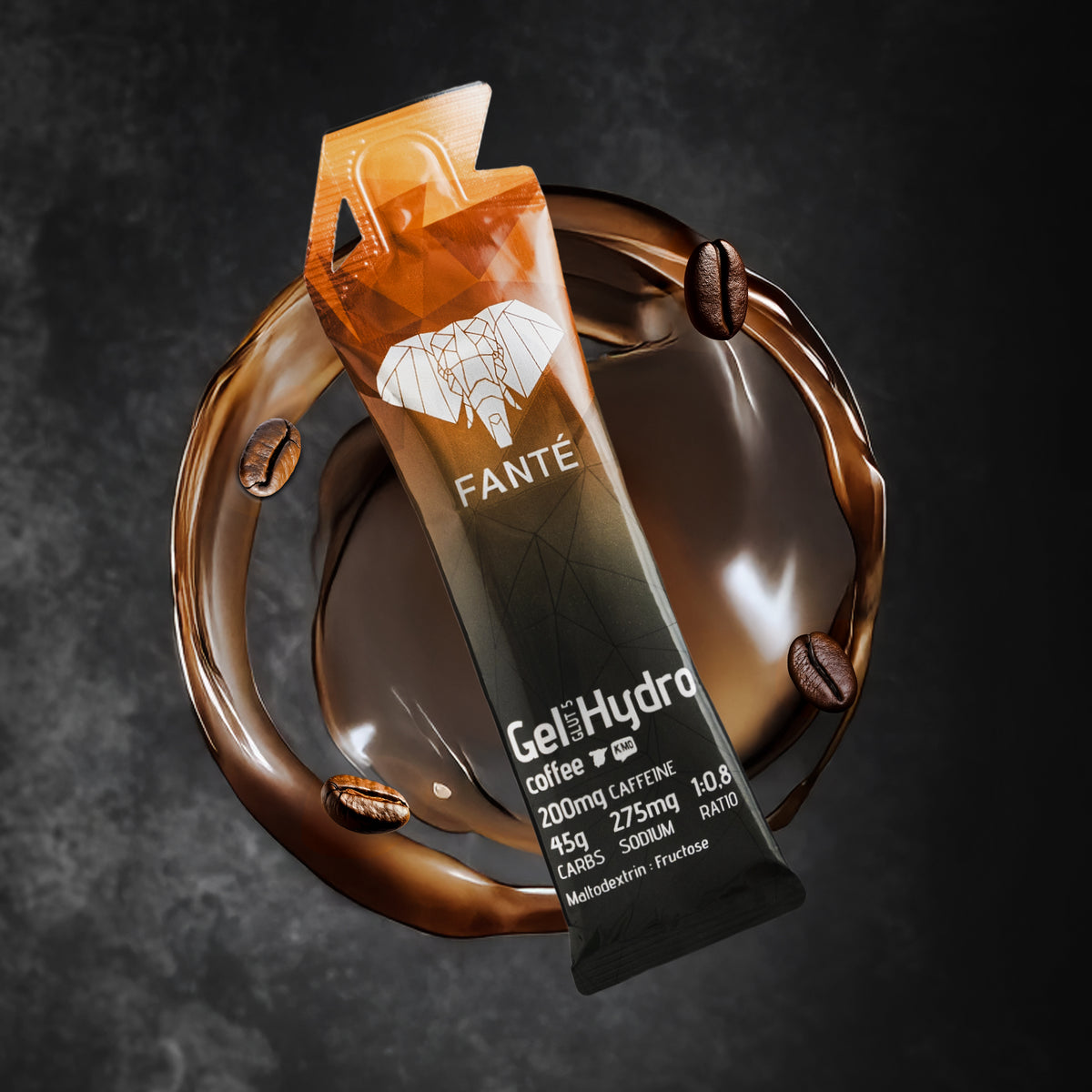
The iso drink contains
- Contains 45 grams of carbohydrates per unit
- Provides 300 mg of sodium to optimize your hydration
- Ratio 1:0.8 according to current scientific evidence
- With a carbohydrate concentration of 6% in any dose, increasing gastric emptying
- Adaptable usage mode 250ml / 500ml / 750ml, unique on the market
- It does not contain excess minerals, so you will get proper hydration without gastrointestinal problems.
Keep in mind that a hydration drink like an isotonic beverage should hydrate you, not dehydrate you. Therefore, if you choose a hydration product, make sure it has a concentration between 4% and 6%, and if you want more carbohydrates, opt for a carbohydrate drink like GLUT 5 DRINK.
[[PRODUCT: glut-5-drink]
Literature
- Maughan RJ, Leiper J.B (1999). Limitations to fluid replacement during exercise. Can J Appl Physiol 1999, 24:173-187
- Gisolfi CV, Summers RW, Schedl HP, Bleiler TL, Oppliger R. A (1990). Human intestinal water absorption: direct vs. indirect measurements. Am J Physiol, 258:G216-222
- Davis JM, Lamb DR, Burgess WA, Bartoli W.P (1987). Accumulation of deuterium oxide in body fluids after ingestion of D2O-labeled beverages. J Appl Physiol, 63:2060-2066
- A., Bartoli W. P (1990). Fluid availability and sports drinks differing in carbohydrate type and concentration. Am J Clin Nutr 51:1054–1057
- Leiper JB, Maughan R.J (1988). Experimental models for the investigation of water and solute transport in man. Implications for oral rehydration solutions. Drugs, 36 (Suppl 4): 65-79
- Barr SI, Costill DL, Fink W. J (1991). Fluid replacement during prolonged exercise: effects of water, saline, or no fluid. Med Sci Sports Exerc 23