Caffeine in sports is one of the ergogenic aids with the strongest scientific evidence supporting its use as an extra performance aid. In fact, the Australian Institute of Sport (AIS) itself classifies it within Group A supplements, referring to those aids that have demonstrated greater effectiveness in specific protocols and subject samples.
The performance-enhancing effect of acute caffeine intake in endurance sports may be associated with this substance's effect on:
- Maximum oxygen consumption (1)
- The intensity of exercise at the anaerobic threshold (2, 3)
- The use of fat as fuel
This allows for greater availability of muscle glycogen at the end of exercise (4, 5).
The main physiological mechanism behind caffeine's performance-enhancing effect in endurance sports is associated with caffeine's ability to block adenosine A1, A2a, and A2b receptors in the central nervous system.
The blocking of adenosine receptors with caffeine intake, confirmed in both animals (6) and humans (7), is based on three different characteristics of caffeine when ingested orally: rapid absorption in the intestine (8), its ability to cross all biological membranes, including the blood-brain barrier (barrier between blood and brain), due to its lipophilic nature (9) and its structural similarity to adenosine (10).
There, after acute caffeine intake and its subsequent distribution to different tissues, caffeine blocks specific adenosine receptors . This blockade partially eliminates the fatiguing effect of adenosine on the central nervous system (fatigue), which explains the benefits for improving endurance performance.
Mechanisms of action in caffeine consumption for sports
First, how does caffeine affect the body? Caffeine is a central nervous system stimulant that works by blocking adenosine receptors, a neurotransmitter that promotes feelings of drowsiness and relaxation.
By inhibiting the effects of adenosine, caffeine increases mental alertness , improves concentration, and can reduce the perception of effort during physical activity, allowing athletes to train with greater intensity and for longer periods.
What biological systems are involved?
The impact of caffeine on sports extends to several biological systems:
- Central nervous system: Improves coordination, reduces fatigue, and increases alertness levels.
- Cardiovascular system : Increases heart rate and blood circulation, improving the transport of oxygen and nutrients to the muscles.
- Metabolism : Stimulates lipolysis, the process by which stored fats are mobilized to be used as energy, thus optimizing the use of available fuels during exercise.


So, what is caffeine refilling?
This is known as progressive boosting . The initial dose is taken before competition or training, and then the same dose is taken again every hour and a half, and so on continuously until the event is over.
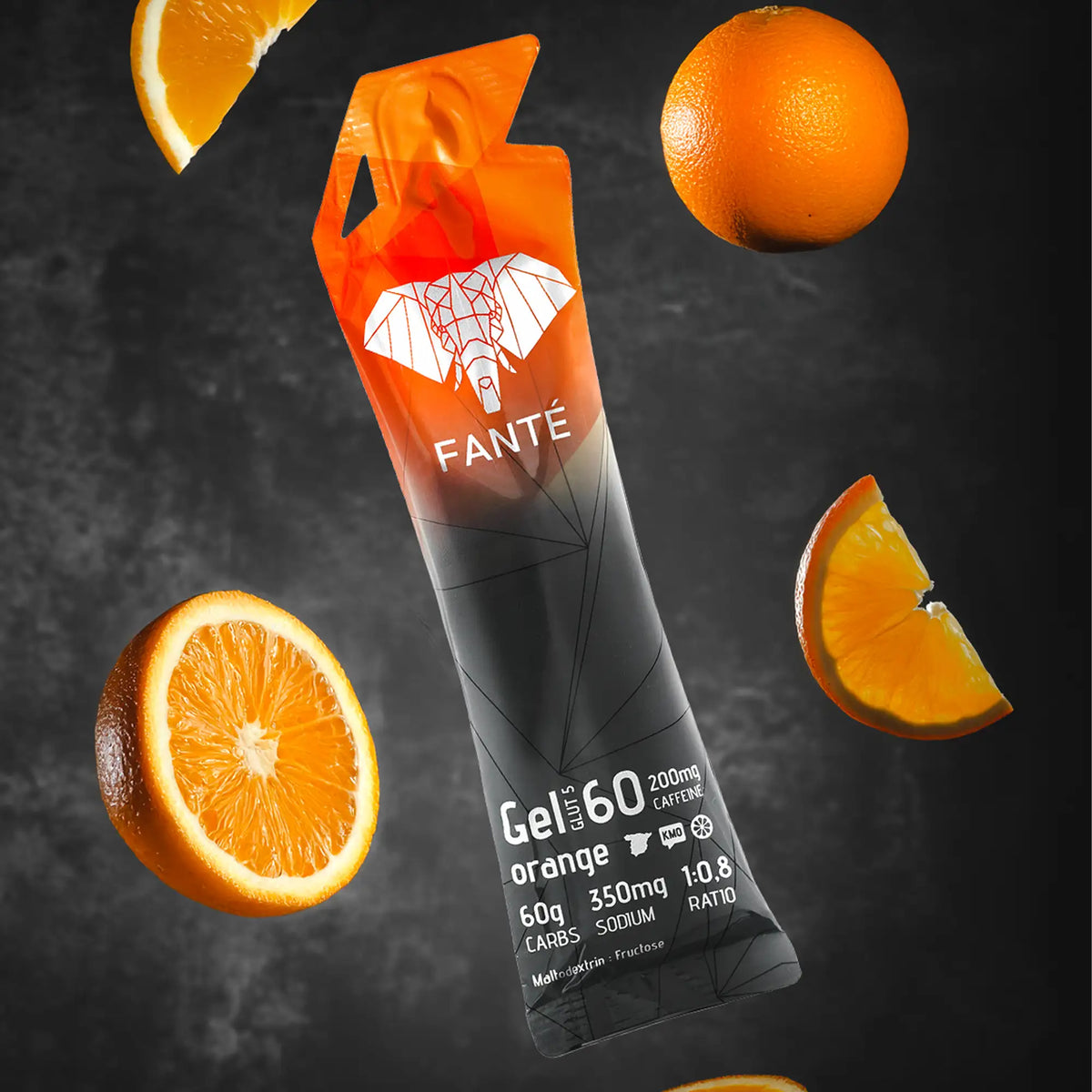
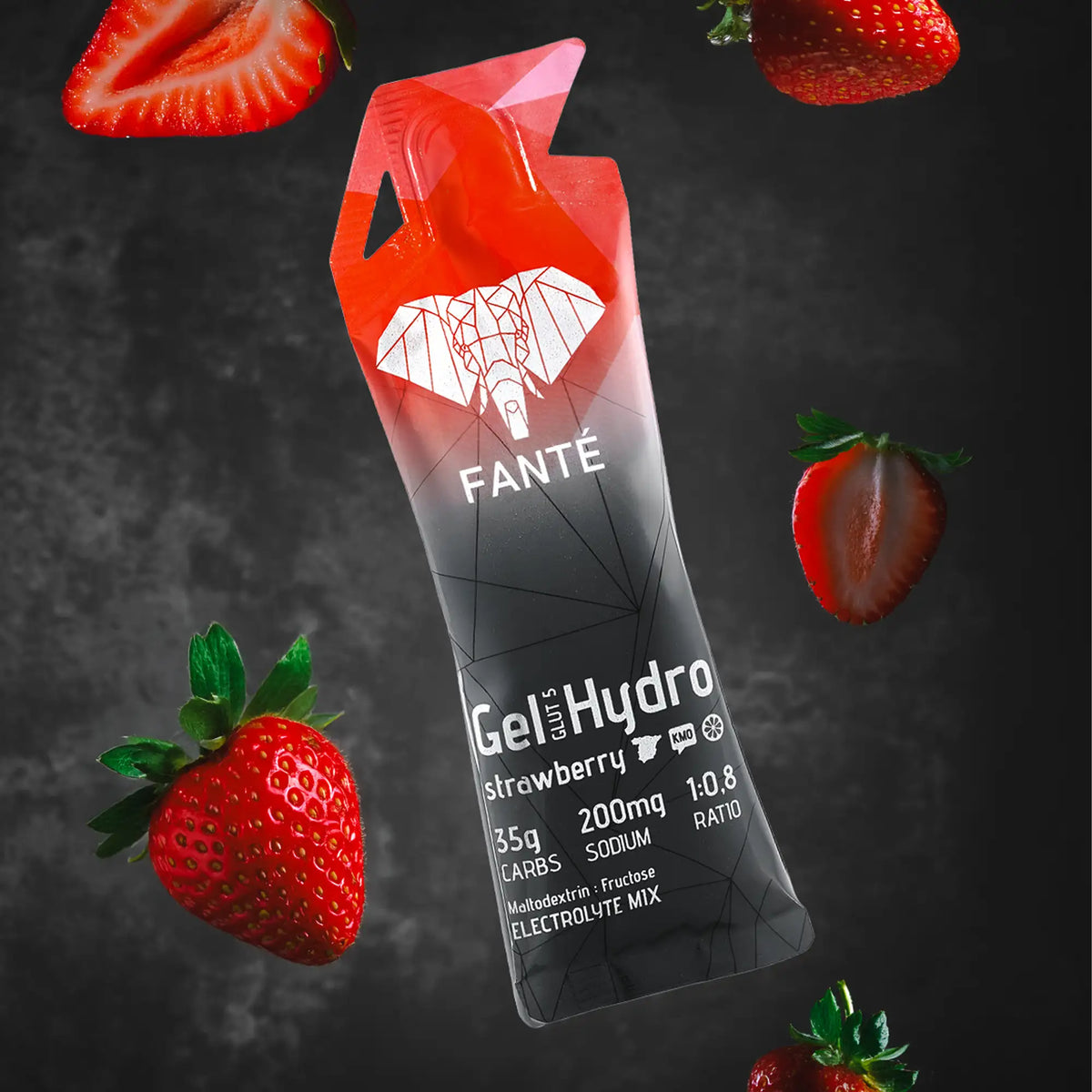
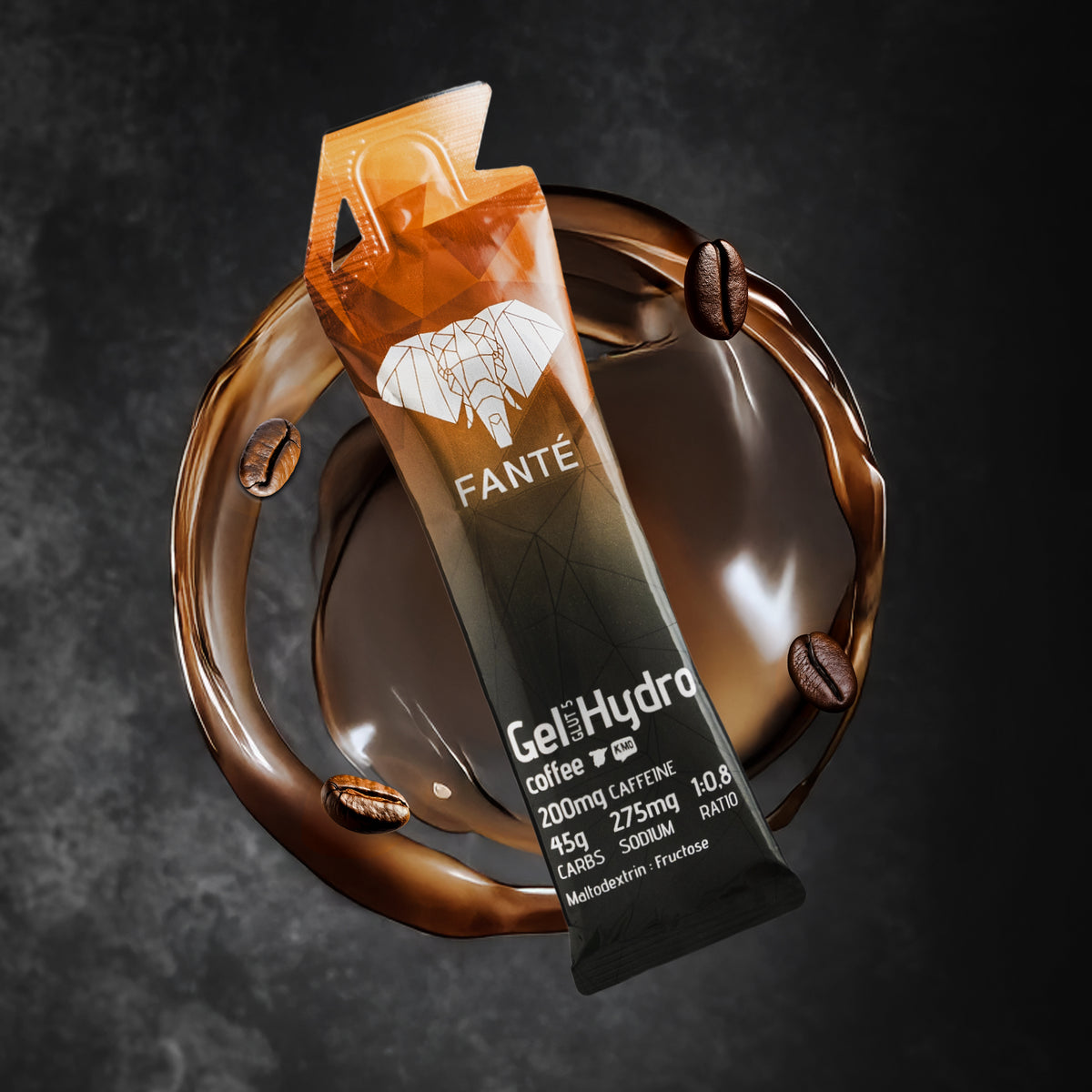
Therefore, caffeine refills in sports should only be used in events lasting longer than 2 hours. With our GLUT 5 ON range, you'll get the correct, scientifically backed dose of 200 mg, and you can continue caffeine refills throughout the competition.
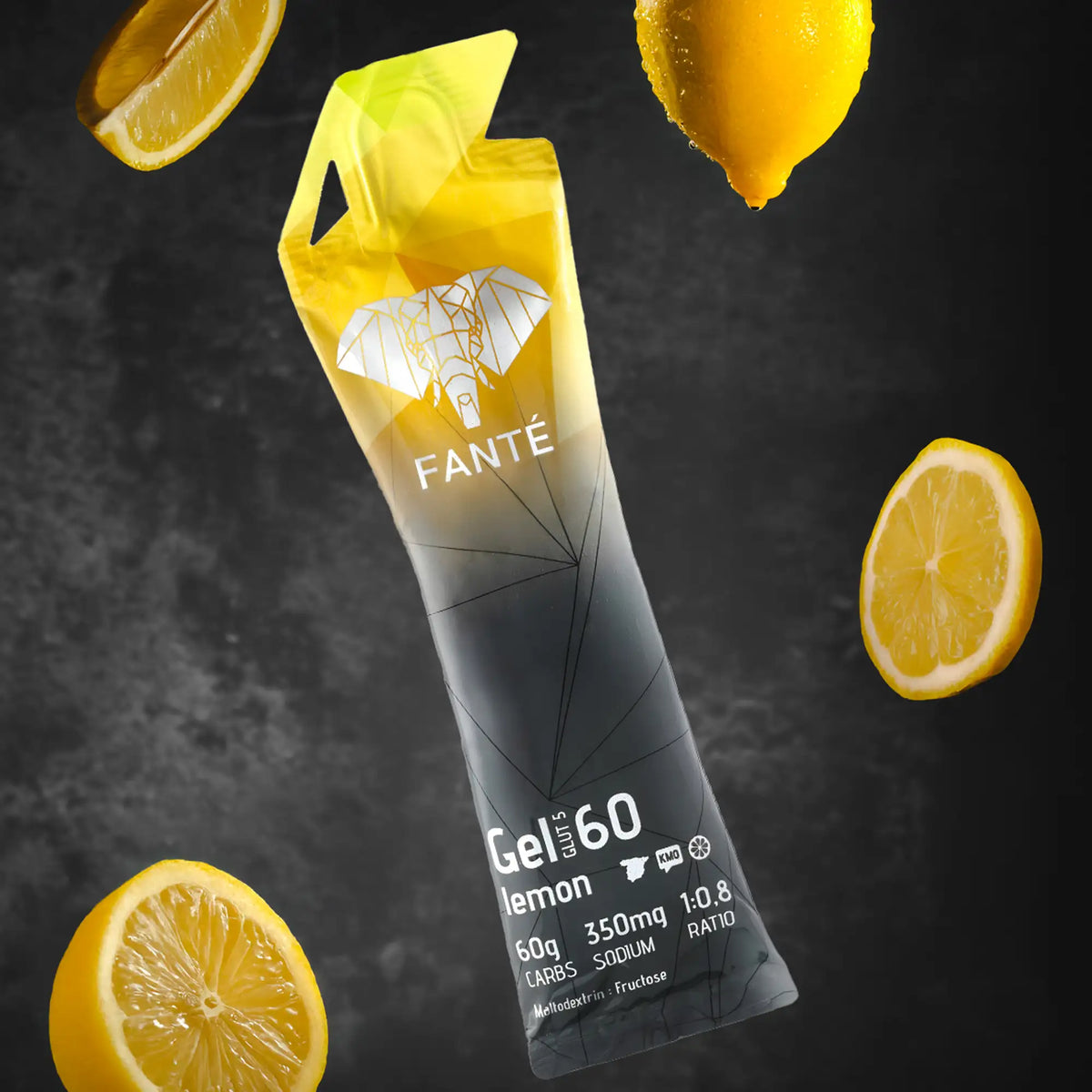
In addition, containing 60g of carbohydrates with a 1:0.8 ratio and 350mg of sodium, you can take it as a pre-workout or competition supplement 40 minutes to 1 hour beforehand depending on your goal, thus reaching an intake of 3-6mg/kg of body weight.
An example of a caffeine protocol for sports would be the following:

Do I need to stop taking caffeine in the days leading up to a competition?
However, the evidence for tolerance to the stimulant effects of caffeine in humans is inconclusive. In cognitive performance variables, caffeine administration in sports improves performance equally in regular and non-caffeine consumers (11), and even a greater performance benefit was found in high caffeine consumers than in moderate caffeine consumers (12).
Several studies indicate that the effectiveness of caffeine in improving physical performance may be reduced in individuals who consume moderate to high daily doses of caffeine (130-300 mg/day) compared to low caffeine consumers (40-50 mg/day) (13, 14).
However, other research has determined that regular caffeine consumers for sports could also benefit from its ergogenic effects, even when their self-reported daily caffeine intake exceeded 300 mg/day (14, 15).
It is likely that differences in the research protocols chosen to study this question, specifically the use of individuals with varying daily caffeine intakes and periods of habituation, contributed to the different results. However, current research suggests that caffeine may be ergogenic even after habituation.
In our opinion, having studies from both sides, we would advise you to try two different competitions. For the first, stop consuming caffeine 2-3 weeks beforehand, and for the second competition, continue with your usual consumption.
With the aim of comparing sensations and choosing the best caffeine consumption protocol for sports in your case.
Benefits of caffeine in different sports
The use of caffeine in endurance sports , such as cycling or running, has been shown to prolong the duration of exercise by delaying fatigue and improving energy efficiency.
In strength disciplines, such as weightlifting, it can increase the capacity for force production and muscular endurance.
Caffeine consumption in team sports improves reaction time, mental agility, and decision-making under pressure.
What might be the optimal caffeine dose depending on the sport?
The optimal dose of caffeine varies between individuals, but studies suggest that doses of 3-6 mg per kilogram of body weight, as we have mentioned before, can significantly improve athletic performance.
It is crucial to adjust the dosage and timing of intake to maximize the specific benefits sought in each type of sport and minimize adverse effects.
Literature
- Lara, B.; Ruiz-Moreno, C.; Salinero, JJ; Del Coso, J. Time course of tolerance to the benefits of caffeine on performance. PLoS ONE 2019, 14, e0210275.
- Berry, M.J.; Stoneman, J.V.; Weyrich, AS; Burney, B. Dissociation of ventilatory and lactate thresholds after caffeine ingestion. Medicine. science Sport exercise. 1991, 23, 463–469.
- McNaughton, LARS Two levels of caffeine ingestion on blood lactate and free fatty acid responses during incremental exercise. Res. P. Exercise. Sport 1987, 58, 255–259.
- Ruiz-Moreno, C.; Gutierrez-Hellin, J.; Amaro-Gahete, FJ; Gonzalez-Garcia, J.; Giraldez-Costas, V.; Perez-Garcia, V.; Del Coso, J. Caffeine increases whole-body fat oxidation during 1 h of cycling at Fatmax. EUR. J. Nutr. 2020, in press.
- Rib, D.L.; Dalsky, family doctor; Fink, WJ Effects of caffeine ingestion on metabolism and exercise performance. Medicine. Science Sports 1978, 10, 155–158.
- Davis, J.M.; Zhao, Z.; Actions, SA; Mehl, K.A.; Buggy, J.; Mano, GA Central nervous system effects of caffeine and adenosine on fatigue. Am. J. Physiol. Integrate Physiol compensation. 2003, 284, R399–R404.
- Elmenhorst, D.; Meyer, P.T.; Matusch, A.; Winz, OH; Bauer, A. Caffeine occupancy of human brain A1 adenosine receptors: in vivo quantification with 18F-CPFPX and PET. J. Nucl. Medicine. 2012, 53, 1723–1729.
- Magkos, F.; Kavouras, SA Use of caffeine in sports, pharmacokinetics in man and mechanisms of cellular action. Critical Rev. Food Science. Nutrition 2005, 45, 535–562.
- McCall, A.L.; Millington, W.R.; Wurtman, RJ Caffeine transport across the blood-brain barrier: Dose-related restriction of adenine transport. Life Sciences 1982, 31, 2709–2715.
- Chee, Hong Kong; Oh, SJ Molecular Vibration-Activity Relationship in Adenosine Receptor Agonism. Report genome. 2013, 11, 282
- Crystal F. Haskell, David O. Kennedy, Keith A. Wesnes & Andrew B. Scholey. Cognitive and mood improvements of caffeine in habitual consumers and habitual non-consumers of caffeine. Psychopharmacology volume 179, pages813–825 (2005)
- Attwood, S. Higgs & P. Terry. Differential responsiveness to caffeine and perceived effects of caffeine in moderate and high regular caffeine consumers. Psychopharmacology volume 190, pages 469–477 (2007)
- Louise M. Burke. Communicating Sports Science in the Age of the Twittersphere. International Journal of Sport Nutrition and Exercise Metabolism, 2017, 26, 1 -5
- Douglas G. Bell, and Tom M. McLellan. Exercise endurance 1, 3, and 6 h after caffeine ingestion in caffeine users and nonusers. 01 OCT 2002
- Lívia de Souza Gonçalves et all. Dispelling the myth that habitual caffeine consumption influences the performance response to acute caffeine supplementation. JUL 18, 2017
- Carlos Ruiz-Moreno ORCID, Beatriz Lara, Jorge Gutiérrez-Hellín 2ORCID, Jaime González-García ORCID and Juan Del Coso. Time Course and Magnitude of Tolerance to the Ergogenic Effect of Caffeine on the Second Ventilatory Threshold. Received: 28 October 2020 / Revised: 8 December 2020 / Accepted: 9 December 20202