
It was first suggested in the 1920s that carbohydrate intake during exercise could lead to improved endurance performance (2 , 3). Today, it is widely accepted that carbohydrate intake is key to enhancing athletic performance. However, how can we assimilate a high amount of carbohydrates during competition ? Today, our sports nutritionists tell us more about carbohydrate assimilation during exercise, as well as the 2:1 and 1:0.8 ratios.
How many carbohydrates do you need to consume when exercising?
To answer this question, we must not only consider the intensity, duration, and frequency of the exercise , but it also depends on the genetics of the person performing the exercise, their need for carbohydrates, and how much their body is able to tolerate.
This last point is key to understanding that an excessive amount of carbohydrates does not guarantee proper athletic performance . Why?
Because it depends on two factors: gastric emptying and the absorption of sugars from the intestine .
Thus, gastric emptying refers to the time that food and liquids remain in the stomach after ingestion . The longer they remain there, the longer it takes for nutrients to travel to the intestine. This gastric emptying time is determined by the composition of the ingested sugars.
Regarding the absorption of sugars by the intestines , we must be aware that there are different types of sugar transporters in our intestines. Therefore, absorption is limited because there are a limited number of transporters, and these transporters are different for each type of sugar.
So, how many carbohydrates can my body assimilate during exercise?
For some time, it was thought that the oxidation rates of exogenous carbohydrates would not exceed 1 g·min- 1 (60 grams/hour) , even with high ingestion rates (>2 g·min- 1 ) (120 grams/hour) (4)(1)
However, recent research has shown that the oxidation of exogenous carbohydrates can increase above 1 g· min⁻¹ (60 grams/hour) when multi-transportable carbohydrates are ingested. In the first of a series of studies, Jentjens et al. (5) examined the oxidation of exogenous carbohydrates during 120 min of cycling exercise at 50% of maximum power (Wmax).
The subjects received 1.2 g· min⁻¹ of glucose, 1.8 g· min⁻¹ of glucose, or 1.2 g· min⁻¹ of glucose + 0.6 g· min⁻¹ of fructose. Using stable and radioisotope methodology, the total exogenous carbohydrate oxidation of the glucose-fructose mixture was reported to be up to 1.26 g· min⁻¹ , while for both glucose drinks the exogenous carbohydrate oxidation was around 0.80 g·min⁻¹ , i.e., there was much more oxidation with glucose-fructose than with a glucose-only solution.
In subsequent studies, it was observed that when a glucose and fructose drink was ingested in a 1:1 ratio at very high rates (2.4 g·min- 1 = 145 grams/hour) during 150 min of exercise at 50% Wmax, the maximum exogenous carbohydrate oxidation rate could even add up to 1.75 g·min −1 105 grams/hour (6) .
This finding of increased oxidation of exogenous carbohydrates has also been reported when glucose is replaced by maltodextrin (7), and has also been seen during exercise in the heat (8) , where the oxidation of exogenous carbohydrates is generally suppressed (9).
As recently reviewed (9) , the limitation of the rate of exogenous carbohydrate oxidation to 1 g· min⁻¹ (60 grams/hour) was thought not to be due to gastric emptying or muscle glucose uptake. Rather, it appeared to be intestinal carbohydrate absorption that limited exogenous carbohydrate oxidation (10) . Glucose is absorbed in the intestine by the sodium-dependent glucose transporter SGLT1 (11) . It has been suggested that the SGLT1 transporter becomes saturated at high rates of glucose ingestion.
When glucose and fructose are combined , intestinal carbohydrate absorption can be increased because glucose uses a different transporter, while fructose is absorbed by the intestinal transporter GLUT 5 (12) . This mechanism has been used to explain the robust finding of increased oxidation of exogenous carbohydrates with multiple transportable carbohydrates.
2:1 ratio, efficient carbohydrate assimilation
The "2:1 ratio" refers to the ideal proportion of carbohydrates in relation to glucose and fructose. This approach has proven effective in improving carbohydrate assimilation during exercise. By consuming a mixture of glucose and fructose in a 2:1 ratio, carbohydrate absorption in the small intestine is optimized, which in turn increases the availability of energy for working muscles.
The importance of this ratio lies in its ability to provide a quick and sustainable source of energy . Athletes can maintain stable blood glucose levels and avoid the energy fatigue they may experience when consuming only glucose.
Ratio 1:0.8
On the other hand, the " 1:0.8 ratio " refers to the proportion of carbohydrates in relation to maltodextrin and fructose. Although it may be less well-known than the 2:1 ratio, this ratio is the most scientifically advanced, as it has the highest oxidation rate compared to the 2:1 ratio, as well as glucose-based or fast-acting carbohydrate supplementation. Maltodextrin is a form of carbohydrate that breaks down into glucose in the body, providing a steady supply of energy. Combining maltodextrin with fructose in a 1:0.8 ratio can be an effective strategy for maintaining your energy throughout exercise.
Which one is better? The one that best suits your needs.
The choice between the 2:1 ratio and the 1:0.8 ratio ultimately depends on the athlete's personal preferences and needs.
Some athletes may find that a 2:1 ratio provides them with quicker energy and helps them in high-intensity activities, such as sprinting. Meanwhile, others may prefer a 1:0.8 ratio for longer endurance activities, such as long-distance cycling or trail running.
Let's talk about performance
Knowing that we need two types of carbohydrates in the compositions of gels or single doses (maltodextrin: fructose), now, is performance affected in any way when consuming a gel like GLUT 5 when we do sports compared to a gel with only one type of carbohydrate (glucose) or carbohydrates like cyclodextrin, maltodextrin or a mixture of these last two?

The average power output during the time trial was 231 ± 9 W for the control (no carbohydrates), 254 ± 8 W for (glucose only) and 275 ± 10 W for GF (maltodextrin : fructose).
A group of cyclists achieved an average power output between 25% and 50% of their target power during the time trial. This output was significantly higher in the glucose + fructose (GF) group than in the glucose and water groups, ranging from 50% to 75% and from 75% to 100%, respectively. Ingesting glucose + fructose maintained power output for a longer period without significant drops (13) . In contrast, with glucose alone, power output decreased over time. This demonstrates that consuming the GLUT 5 range is the most efficient on the market.
WHAT RATIO SHOULD IT HAVE? MALTODEXTRIN : FRUCTOSE 1:0.8
Overall, there are 14 studies that contain estimates of 2.5–3.0 h endurance performance in men, primarily in cycling. Regarding glucose/maltodextrin, ingestion of fructose:glucose/maltodextrin:fructose drinks with a ratio of 1–0.5 (2:1 ratio) or 1:0 (2:0 ratio, maltodextrin only) at 1.3–2.4 g (from 60–135 g/h) of carbohydrate· min⁻¹ resulted in small to moderate improvements in mean power output. When compounds with a 2:1 ratio (maltodextrin:fructose, respectively) were ingested at ≥1.7 g· min⁻¹ (100 g/h), the improvements were greater (4–9%) than with maltodextrin alone. (13)
The effect sizes at higher ingestion rates were associated with a higher rate of exogenous carbohydrate oxidation, unilateral fluid absorption, and less gastrointestinal discomfort, relative to the individual consuming only one type of carbohydrate. Solutions containing a maltodextrin:fructose ratio of 1:0.7–1 (maltodextrin:fructose, respectively) were absorbed most rapidly when ingested at 1.5–1.8 g· min⁻¹ (90–120 grams/hour), while glucose:fructose ratios of 1:0.8 provided the greatest exogenous carbohydrate energy and endurance power compared to lower or higher glucose:fructose ratios (2:0, 2:1, or 3:0) (14).
The oxidation rates of a mixture of maltodextrin and fructose in a 1:0.8 ratio are approximately 50% (0.16 g/min) higher compared to glucose/maltodextrin/cyclodextrin/glucose syrup alone (0.08 g/min) and water (0.06 g/min) (15 , 16)
Other studies (17) , They claim that high-intensity endurance performance improves with a maltodextrin:fructose drink with a 0.8:fructose ratio. It is characterized by greater efficiency in the oxidation of exogenous carbohydrates and reduced oxidation of endogenous carbohydrates (which would lead to a reduction in muscle glycogen depletion and therefore a greater possibility of sustaining effort for a longer period).
Therefore, a 2:1 ratio is equally accepted by the scientific literature, but new advances in carbohydrate oxidation, gastric emptying, saturation and metabolism, indicate that a 1:0.7-1 ratio has the best oxidation rates, fewer gastrointestinal problems and better performance than the other ratios (14).
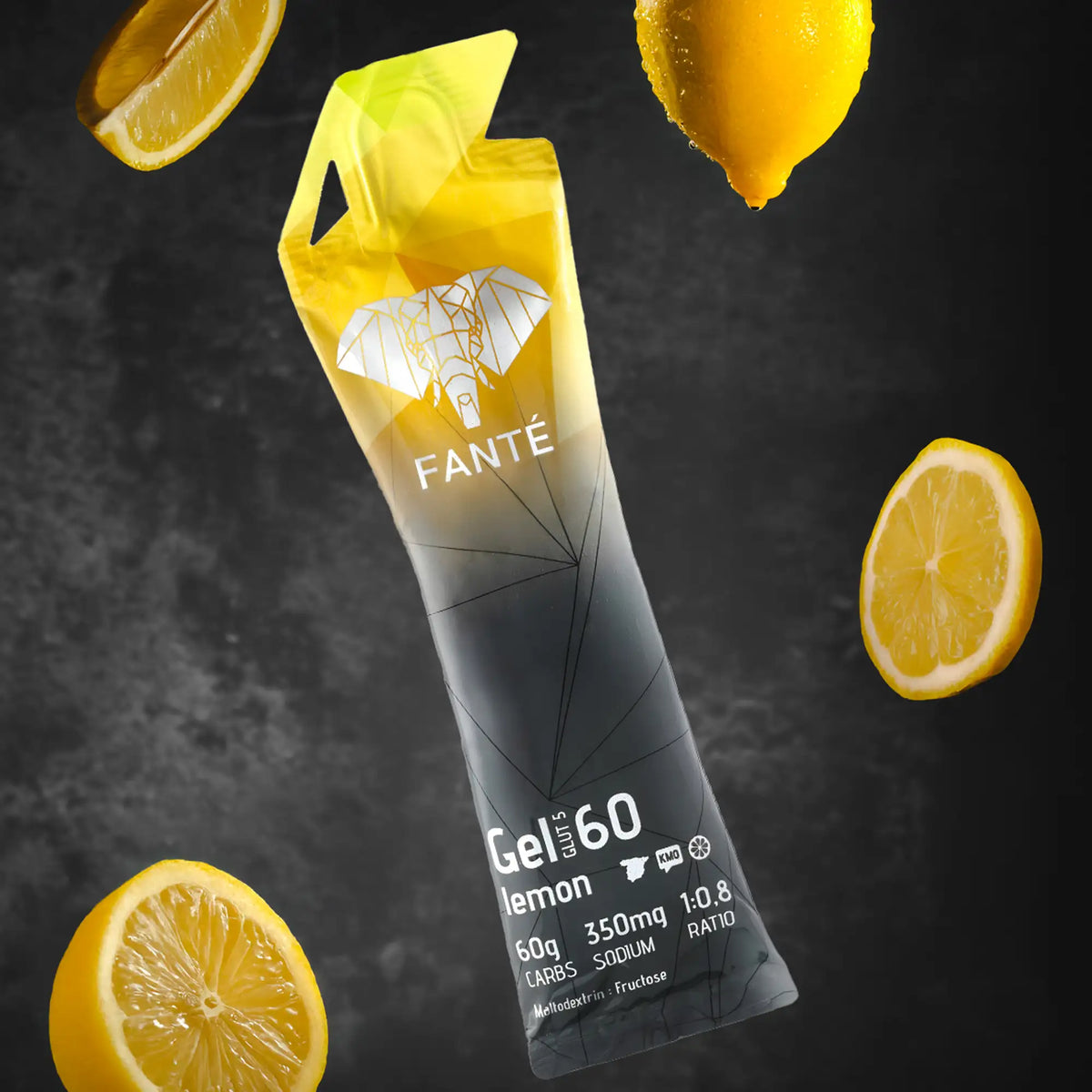
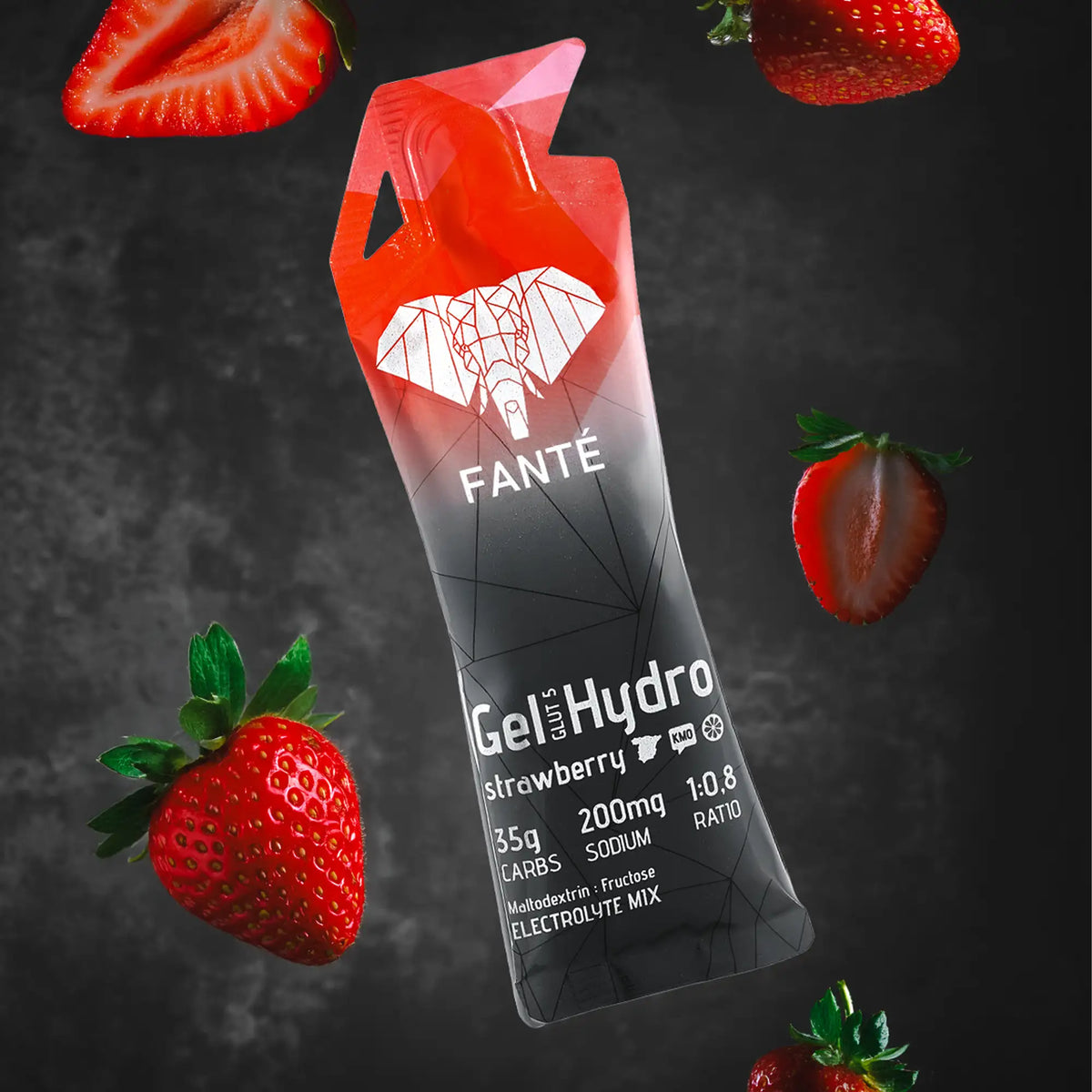
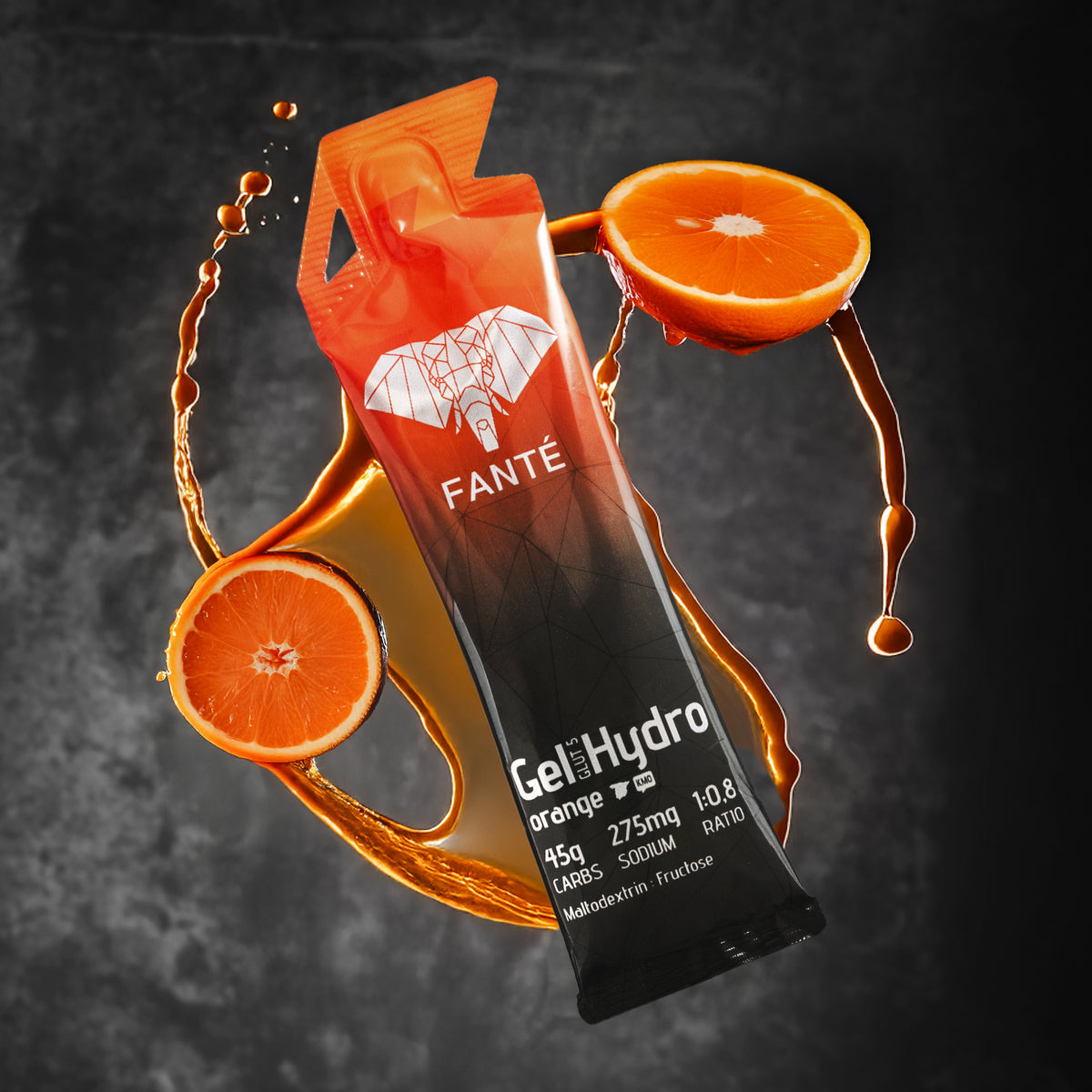
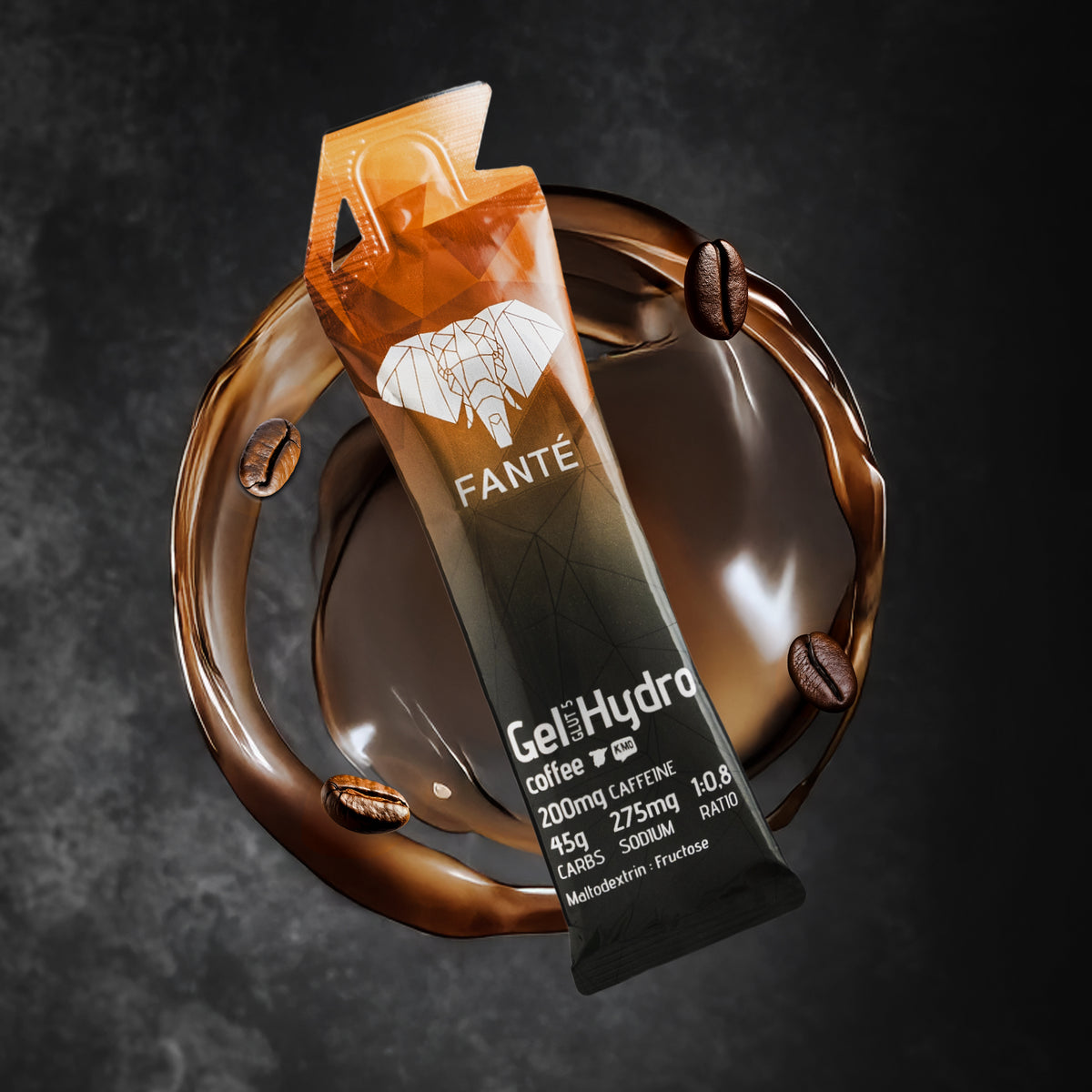
At FANTÉ , we have chosen to create our GLUT 5 RANGE with a 1:0.8 ratio (maltodextrin: fructose) with the minimum amount of carbohydrates per hour that an athlete needs, 60 grams of carbohydrates per gel.

Would a high carbohydrate intake lead to better post-workout recovery? 120 grams/hour
Muscle glycogen is stored in different locations (subsarcolemmal, intermyofibrillar, and intramyofibrillar) (if you want to know more, we have our glycogen guides ) around the muscle cell and represents not only an energy reserve but also a regulator of metabolism, cell signaling, and muscle function ( 17 , 18) . Intramyofibrillar glycogen plays a key role during repeated contractions by counteracting contractile deficiencies caused by defective release of Calcium 2+ from the sarcoplasmic reticulum and impaired excitation-contraction coupling (17) .
Furthermore, recent studies have shown that blocking glycogenolytic adenosine triphosphate (ATP) activity leads to impaired muscle function, indicating that a minimum glycogen content must be maintained to sustain adequate muscle contractions (19) . Additionally, glycogen synthesis has been associated with reductions in GLUT4 content and translocation (21) , as well as with decreased glucose uptake ( 18 , 19 ). In this regard, the link between intramyofibrillar glycogen content and insulin-mediated glucose uptake highlights the importance of maintaining adequate glycogen levels and carbohydrate availability during exercise to enhance post-exercise recovery and glycogen replenishment (20) . Moreover, it is well established that muscle glucose uptake during exercise increases via the GLUT4 transporter, which is stimulated by muscle contraction, constituting an insulin-independent pathway.
Literature
- O'Brien, WJ, Stannard, SR, Clarke, JA, & Rowlands, DS (2013). Fructose–maltodextrin ratio governs exogenous and other CHO oxidation and performance. Medicine & Science in Sports & Exercise, 45(9), 1814-1824.
- Asker Jeukendrup, William H Saris and Anton J Wagenmakers. Fat Metabolism During Exercise: A Review Part I: Fatty Acid Mobilization and Muscle Metabolism. Article published in the journal PubliCE, Volume 0 of 1999.
- Levine S, Gordon B, Derick C. Some changes in the chemical components of the blood after a marathon race. JAMA . 1924;82:1778-9.
- CURRELL, KEVIN; JEUKENDRUP, ASKER E. Superior Endurance Performance with Ingestion of Multiple Transportable Carbohydrates. Medicine & Science in Sports & Exercise: February 2008 – Volume 40 – Issue 2 – p 275-281)
- Roy LPG Jentjens, Luke Moseley, Rosemary H. Waring, Leslie K. Harding, and Asker E. Jeukendrup. Oxidation of combined ingestion of glucose and fructose during exercise. 01 APR 2004
- Jentjens, Roy LPG Jeukendrup, Asker E.. High rates of exogenous carbohydrate oxidation from a mixture of glucose and fructose ingested during prolonged cycling exercise. April 2005, Volume 93(4)
- WALLIS, GARETH A.; ROWLANDS, DAVID S.; SHAW, CHRISTOPHER; JENTJENS, ROY LPG; JEUKENDRUP, ASKER E. Oxidation of Combined Ingestion of Maltodextrins and Fructose during Exercise. Medicine & Science in Sports & Exercise: March 2005 – Volume 37 – Issue 3 – p 426-432
- Roy LPG Jentjens, Katie Underwood, Juul Achten, Kevin Currell, Christopher H. Mann, and Asker E. Jeukendrup. Exogenous carbohydrate oxidation rates are elevated after combined ingestion of glucose and fructose during exercise in the heat. 01 MAR 2006
- Roy LPG Jentjens, Anton JM Wagenmakers, and Asker E. Jeukendrup. Heat stress increases muscle glycogen use but reduces the oxidation of ingested carbohydrates during exercise. 01 APR 2002
- Asker EJeukendrupPhD. Carbohydrate intake during exercise and performance. Volume 20, Issues 7–8, July–August 2004, Pages 669-677
- MG Flynn, DL Costill, JA Hawley, WJ Fink, PD Neufer, RA Fielding, MD Sleeper. Influence of selected carbohydrate drinks on cycling performance and glycogen use. Med Sci Sports Exerc 1987 Feb;19(1):37-40..
- RP Ferraris, J Diamond. Regulation of intestinal sugar transport. Physiol Rev 1997 Jan;77(1):257-302. doi: 10.1152/physrev.1997.77.1.257.
- SHI, XIACOAI; SUMMERS, ROBERT W.; SCHEDL, HAROLD P.; FLANAGAN, SHAWN W.; CHANG, RAYTAI; GISOLFI, CARL V. Effects of carbohydrate type and concentration and solution osmolality on water absorption. Effects of carbohydrate type and concentration and solution osmolality on water absorption. Medicine & Science in Sports & Exercise: December 1995 – Volume 27 – Issue 12 – p 1607-1615
- Roy LPG Jentjens And Asker E. Jeukendrup. High rates of exogenous carbohydrate oxidation from a mixture of glucose and fructose ingested during prolonged cycling exercise. Published online by Cambridge University Press: 08 March 2007.
- O'Brien, WJ, Stannard, SR, Clarke, JA, & Rowlands, DS (2013). Fructose–maltodextrin ratio governs exogenous and other CHO oxidation and performance. Medicine & Science in Sports & Exercise, 45(9), 1814
- Ørtenblad,J. Nielsen. Muscle glycogen and cell function. First published: 19 November 2015. https://onlinelibrary.wiley.com/doi/10.1111/sms.12599
- Andrew Philp, Mark Hargreaves, and Keith Baar. More than a store: regulatory roles for glycogen in skeletal muscle adaptation to exercise. JUN 01, 2012.
- S Asp, JR Daugaard, EA Richter. Eccentric exercise decreases glucose transporter GLUT4 protein in human skeletal muscle. First published: 01 February
- P. Kirwan, RC Hickner, KE Yarasheski, WM Kohrt, BV Wiethop, and JO Holloszy. Eccentric exercise induces transient insulin resistance in healthy individuals. JUN 01, 1992.
- Aitor Viribay, Soledad Arribalzaga, Juan Mielgo-Ayuso ORCID, Arkaitz Castañeda-Babarro, Jesús Seco-Calvo ORCID and Aritz Urdampilleta. Effects of 120 g/h of Carbohydrates Intake during a Mountain Marathon on Exercise-Induced Muscle Damage in Elite Runners. Nutrients 2020, 12(5), 1367