
The marathon wall is one of the most dreaded experiences for long-distance runners. Many athletes describe it as a sudden drop in performance, accompanied by extreme fatigue, loss of pace, and difficulty continuing to move forward.
It usually appears around kilometer 30–35, when the body has depleted most of its energy reserves. At that point, maintaining pace becomes much harder, and the sensation of effort increases drastically.
Understanding why the marathon wall appears and how to avoid it is crucial for successfully completing the 42 kilometers. Nutritional strategy, prior training, and proper aid station planning are key to knowing how to overcome the marathon wall and reach kilometer 42 with performance intact.
What is the marathon wall and when does it occur?
The marathon wall refers to the moment when a runner experiences a significant drop in performance due to a lack of available energy.
In most cases, the wall appears between kilometers 30 and 35, although it can occur earlier if the race strategy or nutrition has not been adequate.
When this happens, the runner may experience:
- Sudden loss of pace
- Sensation of empty legs
- Increased perception of effort
- Difficulty maintaining intensity
In physiological terms, the wall is usually related to the depletion of muscle glycogen, the primary energy source during prolonged efforts like a marathon.
Therefore, understanding how to avoid the marathon wall necessarily involves understanding what happens inside the body during the race.
Causes of the marathon wall: what happens in your body
The marathon wall doesn't appear due to a single cause. It's usually the result of several combined factors: lack of energy, dehydration, pacing errors, or an insufficient nutritional strategy.
Among the most important physiological factors are the use of energy fuels and the balance of fluids and electrolytes.
The role of carbohydrates and fats as fuel
During a marathon, the body primarily uses carbohydrates and fats as energy sources.
Carbohydrates are stored as muscle and liver glycogen, and they are the most efficient fuel when running at relatively high intensities. However, these reserves are limited.
An average runner can store between 400 and 500 grams of glycogen, which is usually enough for approximately 90 minutes of intense exercise.
When these reserves begin to deplete, the body increasingly relies on fats as fuel. The problem is that fat oxidation is slower, which reduces the ability to maintain pace.
It is at that moment that the dreaded marathon wall appears. Therefore, a proper carbohydrate intake strategy during the race is essential to avoid the marathon wall.
[[COMUNIDAD_CTA]]
Dehydration and electrolyte imbalance
Another factor that can contribute to the marathon wall is dehydration.
During the race, the body loses fluids and minerals through sweat. If they are not adequately replenished, symptoms such as premature fatigue, decreased performance, or even muscle cramps can appear.
Furthermore, sodium deficiency can lead to an electrolyte imbalance, affecting muscle contraction and the functioning of the nervous system.
Maintaining adequate hydration and providing electrolytes during the race is essential to reduce the risk of hitting the marathon wall.
How to avoid the marathon wall: Nutrition and aid stations
The nutritional strategy is one of the most determining factors when it comes to how to avoid the marathon wall.
Proper planning of carbohydrate intake before and during the race helps maintain stable energy levels and delay fatigue.
Pre-race carbohydrate loading
Carbohydrate loading involves increasing carbohydrate consumption in the days leading up to the race to maximize glycogen reserves.
This protocol is usually applied during the 2–3 days before the marathon, increasing carbohydrate intake to approximately 7–10 g per kilogram of body weight per day.
The goal is to start the race with energy stores completely full, which reduces the risk of hitting the marathon wall in the second half of the race.
Check out our guide on tapering and how to do it the day before competing.
When and how much to take during the 42 km
During the race, most runners need to consume between 60 and 90 grams of carbohydrates per hour to maintain performance.
This is usually achieved by consuming energy gels, sports drinks, or a combination of both.
The frequency of intake depends on the nutritional strategy, but many runners take a gel approximately every 30–40 minutes to ensure a continuous supply of energy.
Proper aid station planning is essential to overcome the marathon wall and maintain pace until the end.
Why the absorption rate of gels is key
Not all carbohydrates are absorbed at the same rate. Modern carbohydrate combinations use different intestinal transporters to increase the total amount the body can use per hour.
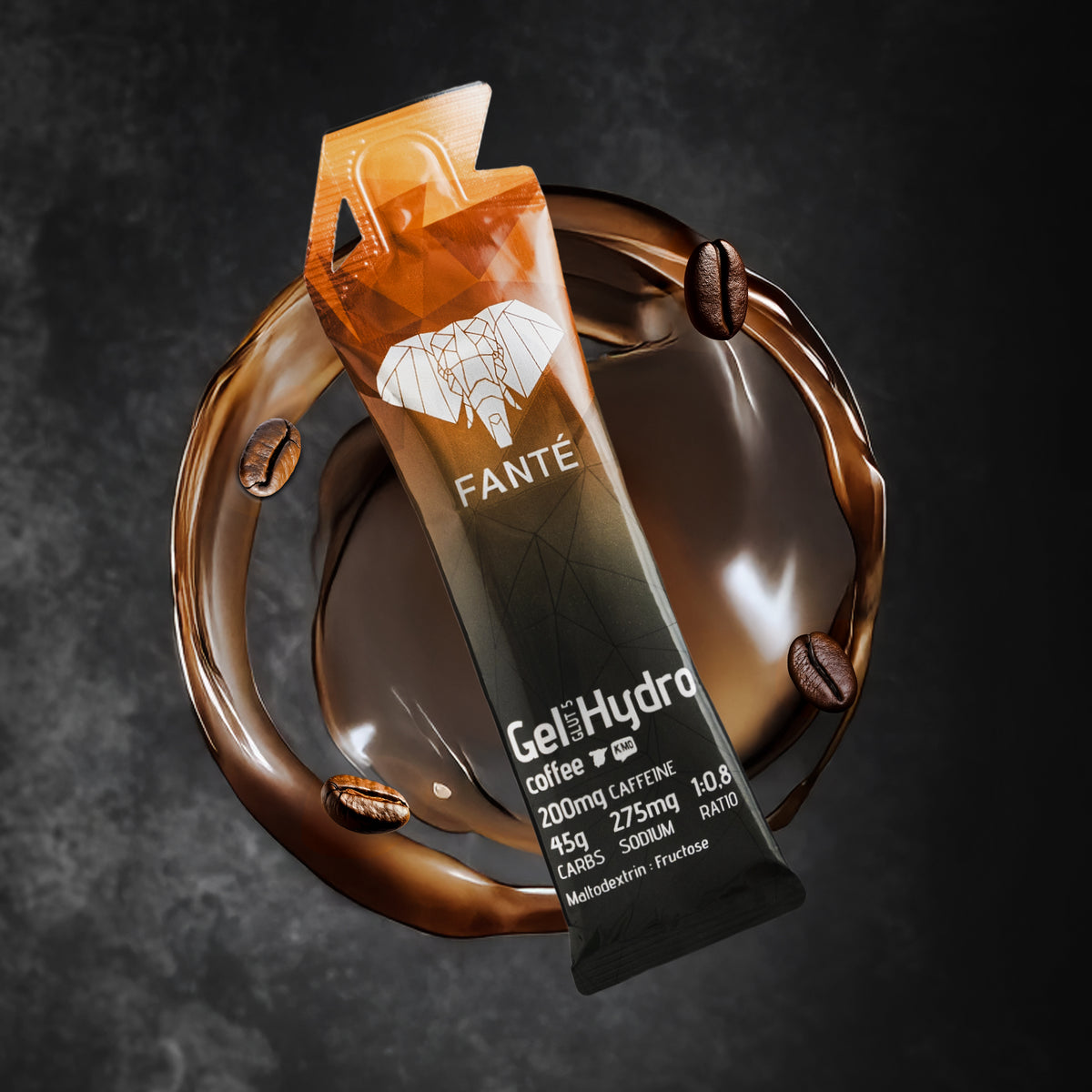
For example, the combination of maltodextrin and fructose in a 1:0.8 ratio allows for the use of two distinct absorption pathways in the intestine, increasing energy availability during exercise.
This is especially important in the second half of the race, when the risk of hitting the marathon wall increases.
How to train for the marathon wall
In addition to nutrition, training also plays a key role when it comes to training for the marathon wall.
Preparing the body to better manage energy during prolonged efforts helps delay the onset of fatigue.
Long runs and metabolic adaptation to fat utilization
Long runs are one of the pillars of marathon training.
These types of sessions help the body improve its ability to use fats as an energy source, which helps save muscle glycogen during the race.
Over time, the body becomes more efficient at utilizing fuels, reducing the risk of experiencing the marathon wall.
Practicing aid station intake during the race
One of the most common mistakes is trying a nutritional strategy for the first time on race day.
During long runs, it is important to practice consuming gels and sports drinks, so that the digestive system adapts and better tolerates carbohydrate intake during exertion.
This process is known as gut training.
FANTÉ energy gels to reach km 42 without slowing down
An adequate carbohydrate strategy during the race can make the difference between maintaining pace and hitting the marathon wall in the final kilometers.
In FANTÉ's range of energy gels, you will find different formats designed to cover energy needs during endurance races.
GEL 60: maximum energy with a 1:0.8 ratio and digestive tolerance
Gel 60 has been developed to provide a high amount of carbohydrates per unit, facilitating intake strategies of 60–90 grams per hour.
Its combination of maltodextrin and fructose in a 1:0.8 ratio allows for efficient absorption and good digestive tolerance, which is especially important in the second half of the marathon.
This type of gel is especially useful when the goal is to avoid the marathon wall by maintaining a constant energy supply.
[[PRODUCTO:gel-60]]
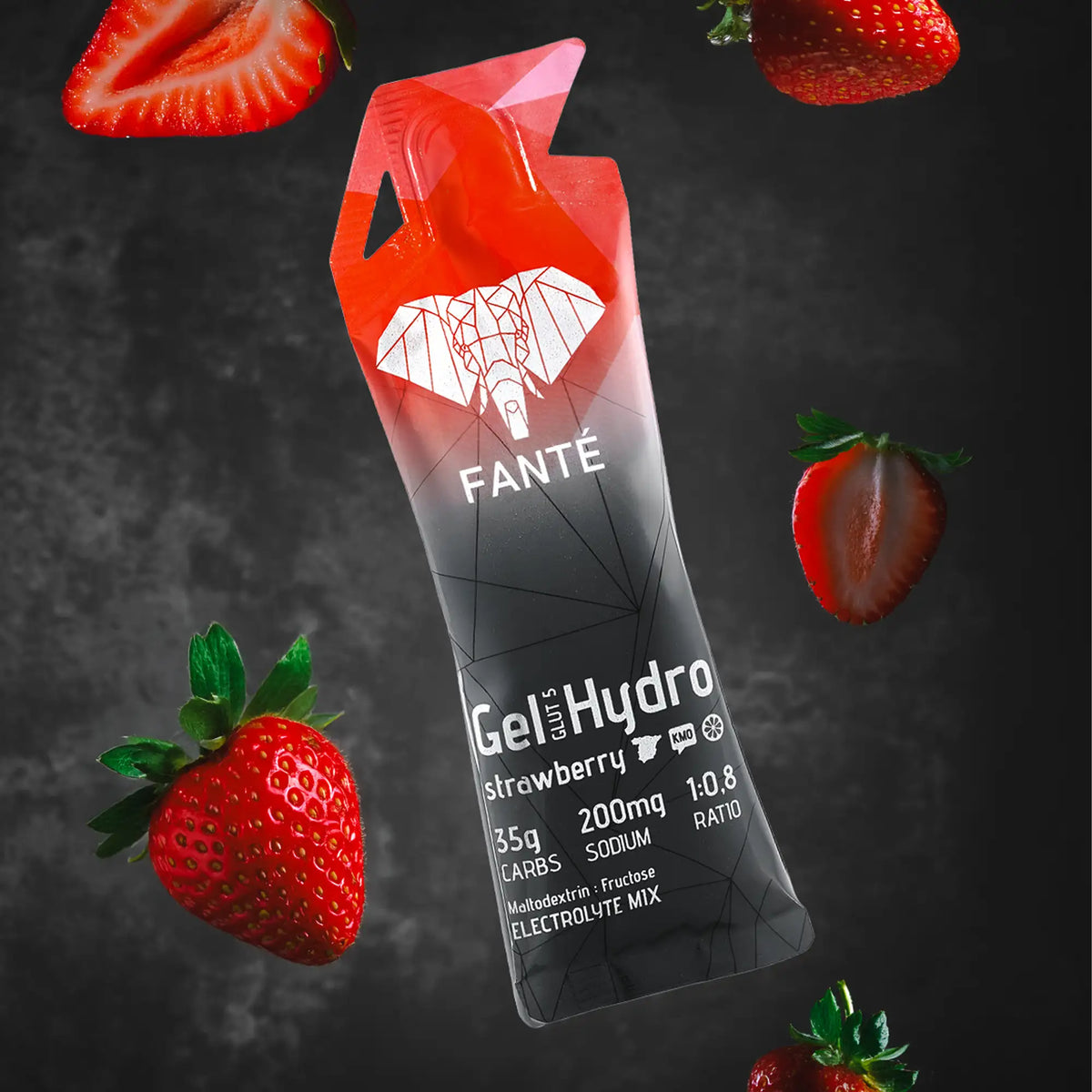
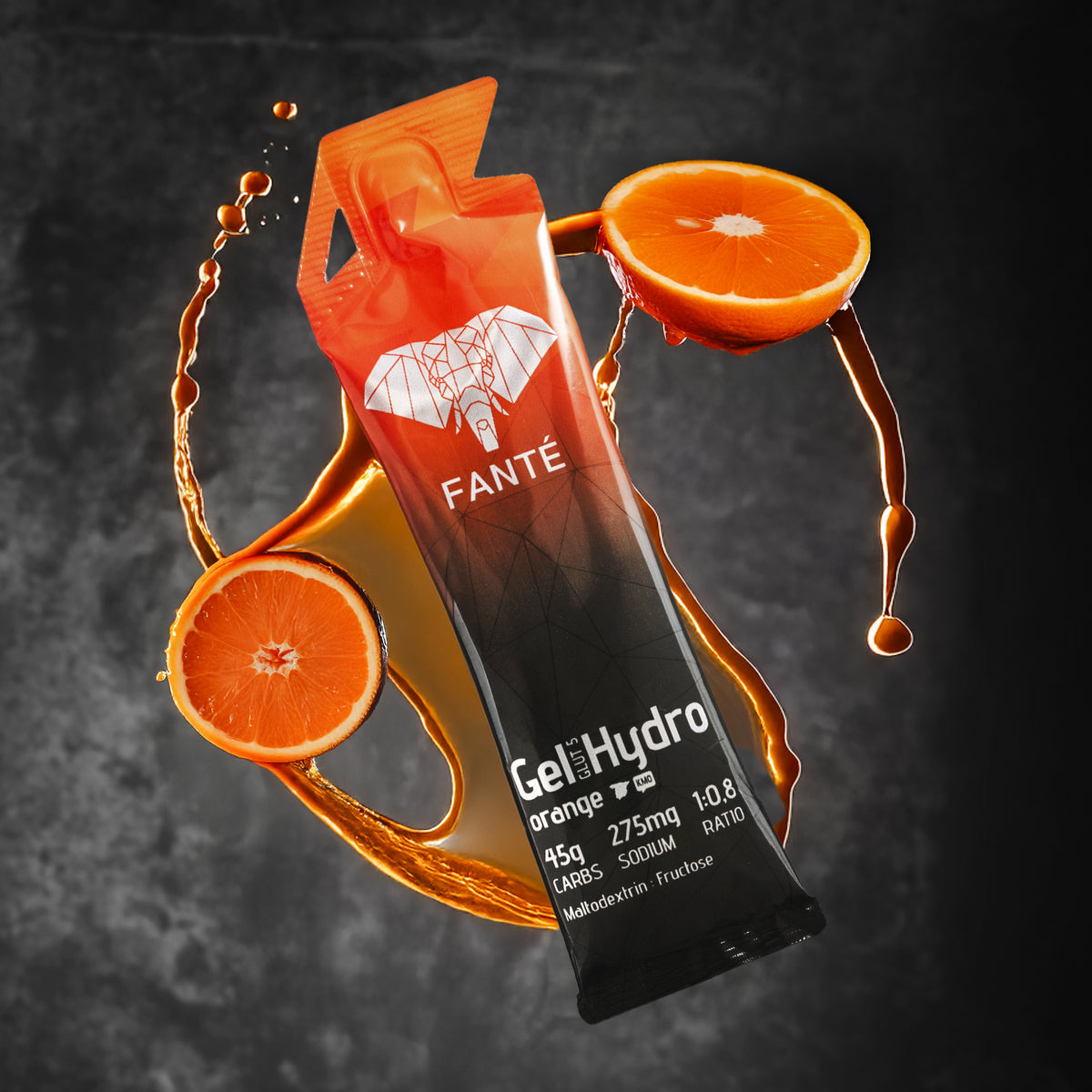
GEL Hydro 35: hydration and carbohydrates in a single gel
Gel Hydro 35 combines carbohydrates and a more fluid texture that facilitates intake during the race.
This format can be especially practical in races where access to water is limited or when a more comfortable intake on the go is desired.
Integrating energy gels into a well-planned race strategy is one of the most effective ways to avoid the marathon wall and maintain performance until kilometer 42.
[[PRODUCTO:gel-hydro-35]]
Bibliography
Burke L. M. (2007). Nutrition strategies for the marathon: fuel for training and racing.Sports medicine (Auckland, N.Z.),37(4-5), 344–347. https://doi.org/10.2165/00007256-200737040-00018
Jeukendrup A.E. Carbohydrate feeding during exercise.Eur. J. Sport Sci. 2008; 8:77-86. doi: 10.1080/17461390801918971.
Journal of the American Dietetic Association, 2009. Position of the American Dietetic Association, Dietitians of Canada, and the American College of Sports Medicine: Nutrition and Athletic Performance. 109(3), pp.509-527.
O'Brien, W. J., Stannard, S. R., Clarke, J. A., & Rowlands, D. S. (2013). Fructose-maltodextrin ratio governs exogenous and other CHO oxidation and performance.Medicine and science in sports and exercise.,45(9), 1814-1824. https://doi.org/10.1249/MSS.0b013e31828e12d4