
We've probably all heard or read that if you sweat a lot and see white marks on your clothes or skin, you're an athlete who sweats more than the average person.
These types of athletes, in particular, are often encouraged to take more salts than normal, or at least an isotonic drink like our ISO DRINK .
[[PRODUCT: iso-drink]
Electrolytes are always recommended because they are big business.
You can get electrolyte drinks, soluble tablets, capsules, or even chewing gum.
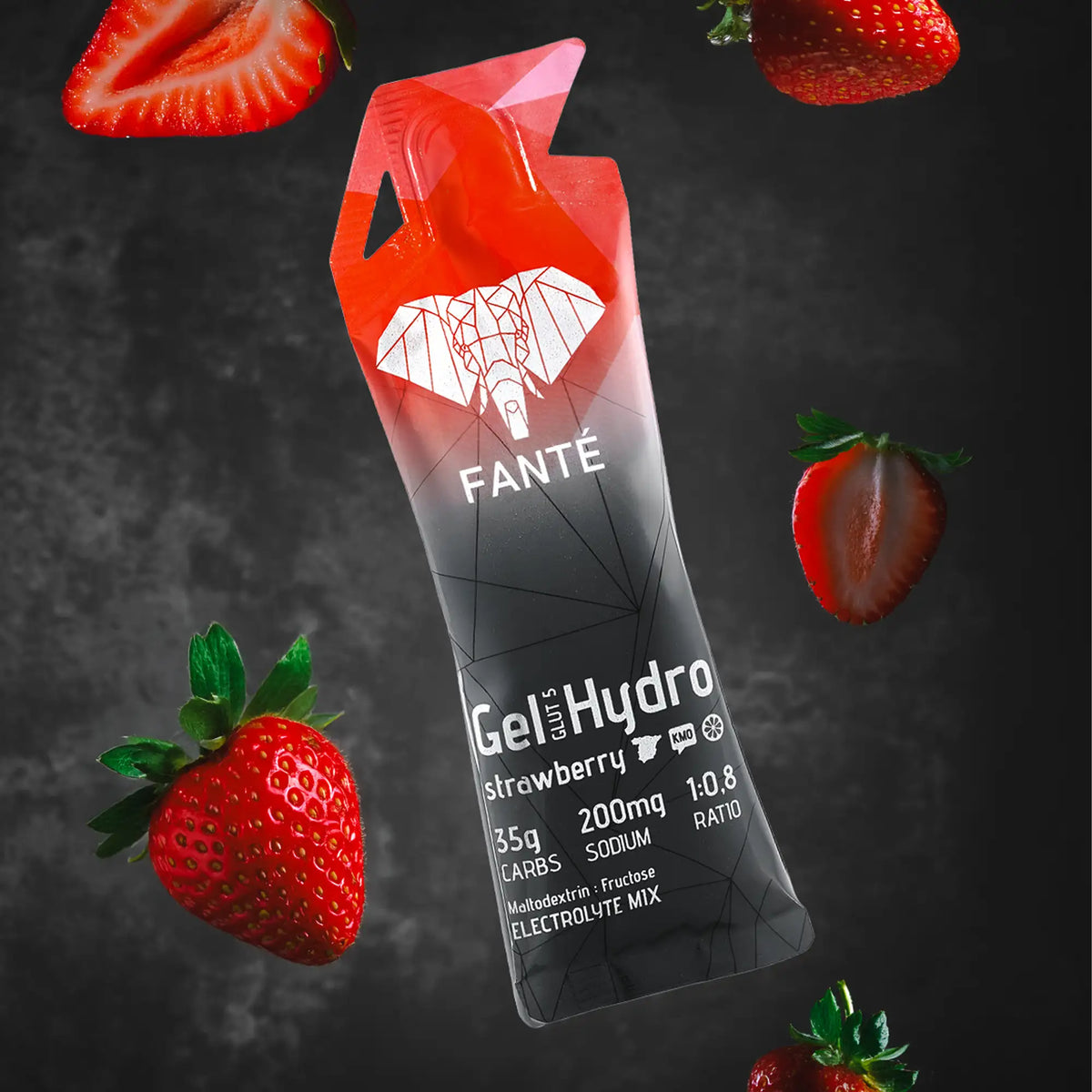
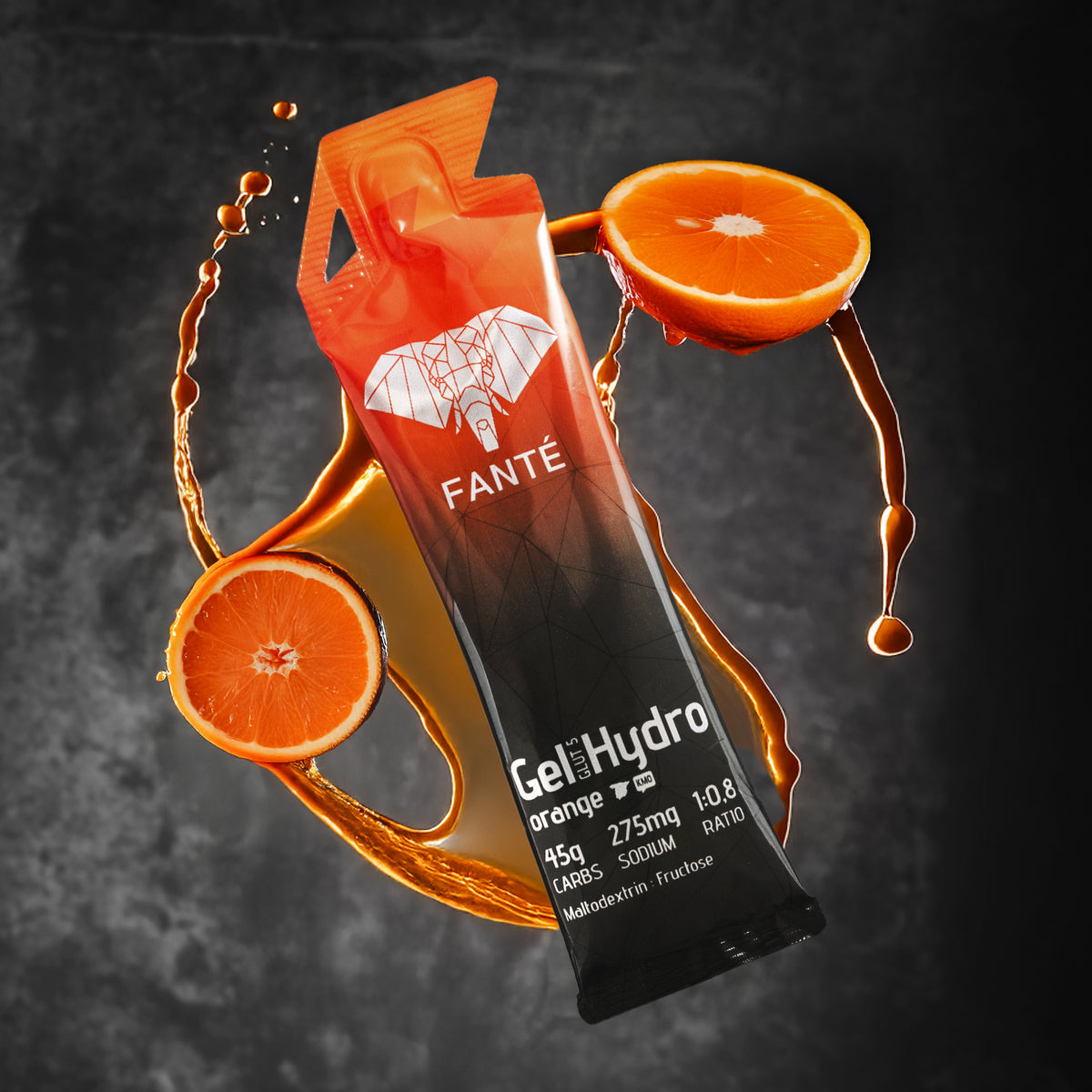
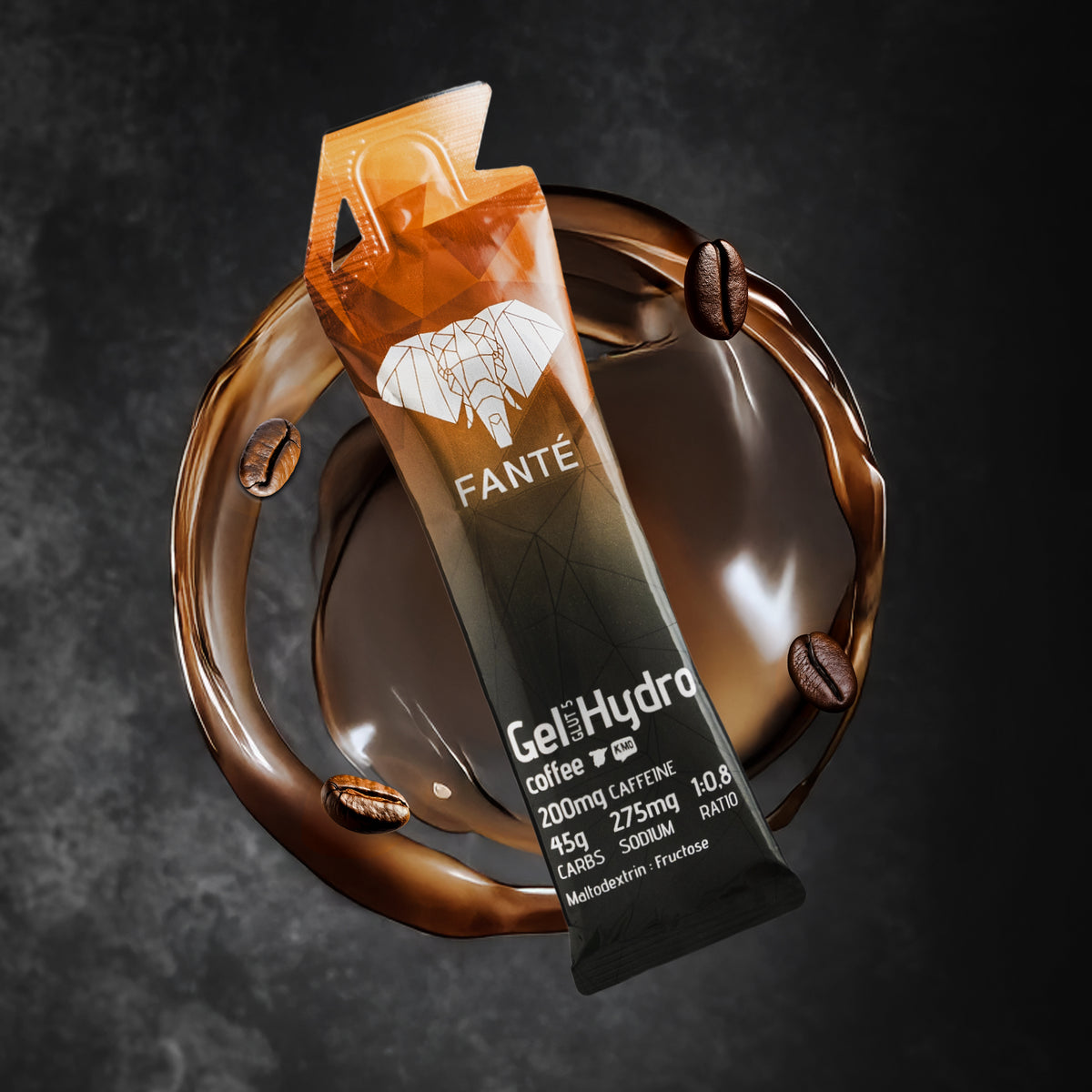
In addition, electrolytes are added to many other products such as gels and energy bars .
[[PRODUCT: carbo-gummy]
Do electrolytes improve performance?
Athletes are concerned about not consuming enough electrolytes during exercise.
But first, let's ask ourselves WHY we need electrolytes. Or even, do we need electrolytes at all?
Many athletes believe that electrolytes help with performance, but how many studies actually prove this? You'll be surprised by the answer!
[[CTA_COMMUNITY]]
What is the evidence that electrolytes work?
Minerals such as sodium, calcium, and potassium become electrolytes when dissolved in water, which means they can conduct an electric current in water.
A little chemistry: Electrolytes, which include acids, bases, and salts, generally dissociate into their individual ions when dissolved in water, carrying either a positive charge (cation) or a negative charge (anion).
Table salt (sodium chloride), for example, dissolves in water and splits into individual sodium (cation) and chloride (anion) ions, and are therefore electrolytes.
Each of the electrolytes is vital for many key functions in the body.
The main electrolytes in sweat are sodium, potassium, chloride, magnesium, and calcium.
Of these, sodium, potassium, and chloride are found in the highest concentrations, although their distribution differs between intracellular (inside cells) and extracellular (outside cells, for example in the blood) fluids.
Sodium and chloride are found in higher concentrations in the extracellular fluid, while potassium is found in higher concentrations inside the cells.
Therefore, keep in mind which products you buy, as they should follow this ingredient ratio.
Sodium > Potassium > Magnesium > Calcium
What is the role of electrolytes?
Sodium
Sodium and chloride are the two electrolytes that have the highest concentrations in sweat and are the ones that are lost the most.
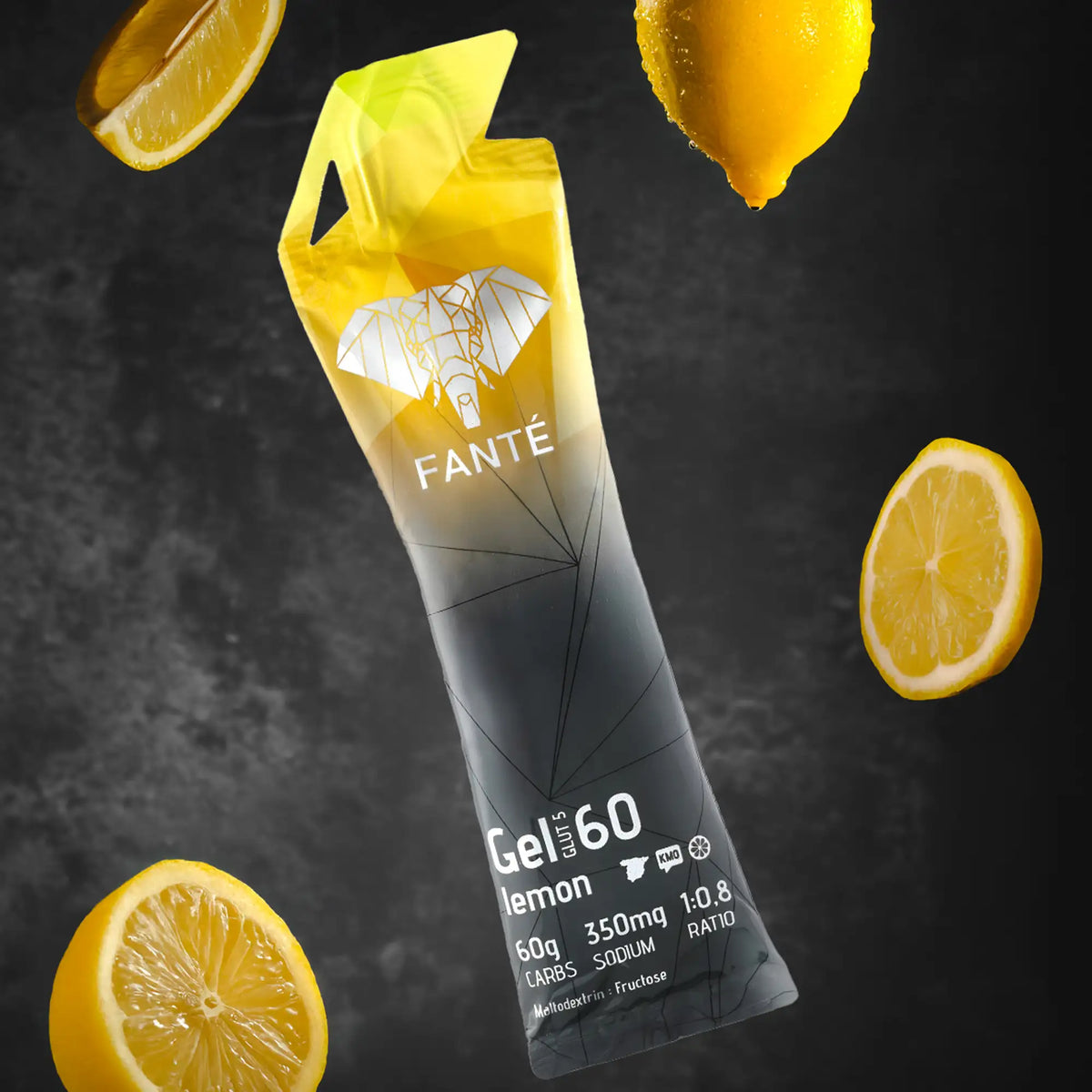
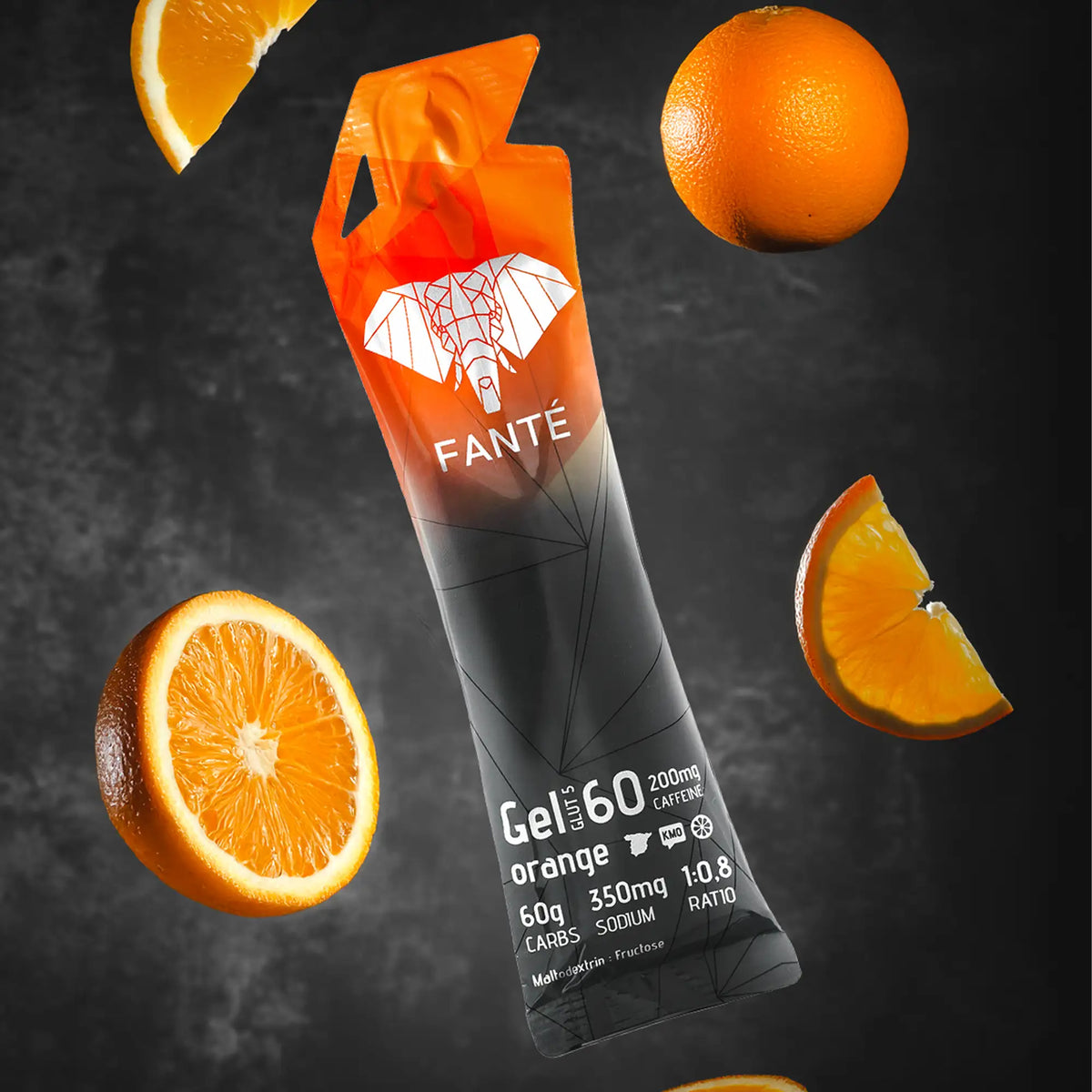
Sodium helps maintain blood volume and carbohydrate absorption at the intestinal level, through the GLUT 5 (fructose) and SLGT1 (glucose/maltodextrin) transporters.
Without sodium, the carbohydrate would not be absorbed properly.
The current trend according to current scientific evidence is 350 to 450mg of sodium/hour as a minimum.
Chloride
It promotes the conduction of nerve impulses and the formation of hydrochloric acid in the stomach, ensuring that any food is properly digested.
We obtain the chloride from the water contained in the gel or carbohydrate drink.
Potassium
Potassium losses are 160-320 mg per liter of sweat
Depending on the athlete, they will have to consume more or less, but the ideal amount per gel without oversaturating the gastrointestinal system would be 200-280mg per gel.
Magnesium
Magnesium losses are only 4-15 mg per liter of sweat.
Therefore, one must always be within that margin without supernatural influence on the intestine.
Calcium
Although calcium is vital for muscle contraction and cardiovascular function and, of course, the maintenance of healthy bones, there is currently no evidence that calcium supplementation has any direct effect on athletic performance.
But the recommended amount of calcium per hour would be 0 and 40mg
Other minerals and additives
Zinc, vitamins, or amino acids should not be included in any type of gel since there is currently no scientific evidence that they provide any benefit.
In fact, it would be harmful since it increases osmolarity and therefore impairs gastric emptying and consequently the speed at which the carbohydrate is absorbed.
Therefore, FANTÉ, based on the most current scientific evidence and having formulated everything prior to launch, ensures that all our products can be combined without worrying about whether or not we overload the gastrointestinal system, as we take into account everything that science demonstrates empirically and not through marketing.
Literature
- Barnes KA, Anderson ML, Stofan JR, Dalrymple KJ, Reimel AJ, Roberts TJ, Randell RK, Ungaro CT, Baker LB. Normative data for sweating rate, sweat sodium concentration, and sweat sodium loss in athletes: An update and analysis by sport. J Sports Sci. 2019 Oct;37(20):2356-2366.