When we talk about how glycogen is stored, we are talking about the moment of carbohydrate intake, which is essential for restoring our energy stores.
To understand the importance of carbohydrate timing, it's necessary to understand the two phases of glycogen resynthesis. Several studies have indicated that glycogen resynthesis after exercise follows a biphasic pattern (1) . Initially, there is a rapid increase in the resynthesis rate, independent of insulin levels, lasting approximately 30-60 minutes after exercise; this supports the high glycogen synthesis in the 60 minutes immediately following exercise completion (2) . Therefore, Fanté recommends innovative usage methods compared to current recovery regimens , differentiating time and dosage based on the athlete's weight—a feature never before seen in any other usage method.
In this phase, an increase in the translocation of the glucose transporter protein (GLUT-4) can be observed, due to an increase in calcium concentrations at the level of the sarcoplasm of the rhabdomyocyst (a consequence, in turn, of the multiple action potentials that take place during exertion) (3) , up to two times, gradually decreasing until reaching pre-exercise levels 2 hours after its completion (4)
Regarding hepatic glycogen, it is rapidly restored during post-exercise food intake with a fructose content of 0.2 to 0.5 grams/kg of body weight, helping to maintain normoglycemia. Alternatively, when carbohydrate intake does not occur post-exercise, glycogen is replenished via gluconeogenic regeneration from lactate (5) . In light of the above, there appears to be a potential post-exercise window of opportunity that athletes should take advantage of for muscle glycogen recovery (6) .
In fact, when comparing immediate carbohydrate intake with intake up to 2 hours after exercise, it results in 45% lower muscle glycogen concentrations (7). Therefore, those whose sports are highly glycogen-dependent, such as triathlon, running, trail running, swimming, cycling, and football, should be encouraged to replenish as soon as possible after finishing the event (6) .
In the context of recovery from exhaustive exercise, it is known that an intake of 6-12 g/Kg is sufficient to restore endogenous glycogen stores when the recovery time is ≥ 24h ( 8 , 9) .
However, when recovery time is limited (< 8h), specific strategies aimed at accelerating glycogen resynthesis become necessary (2) . Similar to the effects of the glycemic index of foods over longer periods (i.e., 24h), the frequency of carbohydrate intake does not appear to influence muscle glycogen resynthesis; however, when recovery time is limited, the frequency of carbohydrate intake may have an impact. This has been demonstrated in studies showing that with carbohydrate intake occurring at 15–30 minute intervals, the rate of muscle glycogen resynthesis is approximately 40% higher than when intake is provided every two hours (10, 11 , 12).
However, although there are currently no studies directly examining the effect of carbohydrate administration frequency on the rate of muscle glycogen storage, it seems reasonable, based on the studies discussed above, to use a frequent intake feeding pattern when rapid glycogen replenishment is needed during short-term recovery (2) , such as the one discussed and explained in the 3:1 recovery guide .
Amount of carbohydrate intake
Regarding the recommended amount of carbohydrates for glycogen replenishment, van Loon et al. (12) showed that an intake of 1.2 g/kg/hour of carbohydrates resulted in a 150% greater glycogen resynthesis (from 17 to 45 mmol/kg dm/h) compared to a lower dose of 0.8 g/kg/hour (12) . Seeking the optimal amount, Howarth et al. (2009) (13) showed that an intake of 1.6 g/kg/hour did not further stimulate glycogen resynthesis, considering that the recommended amount of carbohydrates post-exercise should be around 1.0-1.5 g/kg/hour maximum within the first hour after exercise cessation and continue with an intake of 1.0-1.5 g/kg/h every 4-6 hours or until resuming normal meals (14).
Type of carbohydrates
An important factor determining muscle glycogen resynthesis is insulin-mediated glucose uptake in muscle cells. Consuming carbohydrates with a moderate or high glycemic index (GI) is a good option for glycogen restoration, partly because it provides rapid glucose availability and an insulin response (15), as it has been shown to increase muscle glycogen resynthesis in the 6 hours post-exercise compared to carbohydrate sources with a low glycemic index.
When fructose is compared with glucose or sucrose, it is observed that the insulinemic response is lower in the former, which is attributed to a greater use of this monosaccharide in the resynthesis of hepatic glycogen (2 , 16) .
On the other hand, glucose and sucrose appear to have a similar effect on muscle glycogen resynthesis, as recently demonstrated in a study. This study showed that ingesting 1.2 g/kg/h of glucose, glucose + fructose, or glucose + sucrose during recovery resulted in similar rates of muscle glycogen resynthesis (17) . In this regard, it is recommended to ingest a glucose + fructose mixture in a 2:1 ratio, which provides an optimal dose of carbohydrates for the effective restoration of liver and muscle glycogen. This reduces gastrointestinal discomfort caused by the high intake of single-carbohydrate carbohydrates found in most recovery drinks on the market. (2)
The ingestion of liquid or solid carbohydrates appears to be equally effective in restoring muscle glycogen, so the athlete's individual preference should take precedence (18) . However, as Ranchordas (2017) (6) points out, from a practical perspective, given the high prevalence of gastrointestinal problems due to the consumption of large amounts of carbohydrates, it would be beneficial for athletes to have access to mixtures of both solid and liquid foods to avoid these problems. Furthermore, the athlete's preferences (taste), practicality (two training sessions per day, for example), availability (post-competition travel, stadium/sporting events, for example), and importantly, the ability to stimulate the athlete's appetite should be considered, so that they can meet their nutritional needs, as there may be a marked decrease in appetite after sporting events. Therefore, the use of liquid carbohydrate drinks is advisable in these situations.
Protein YES or NO in recovery
Various nutritional factors are being studied to enhance glycogen resynthesis in conjunction with carbohydrate intake (Figure 1). In this regard, several studies have shown that simultaneous intake of carbohydrates and protein can be beneficial for glycogen resynthesis (13) . This is because protein intake increases insulin secretion by the pancreas, stimulating glycogen resynthesis.
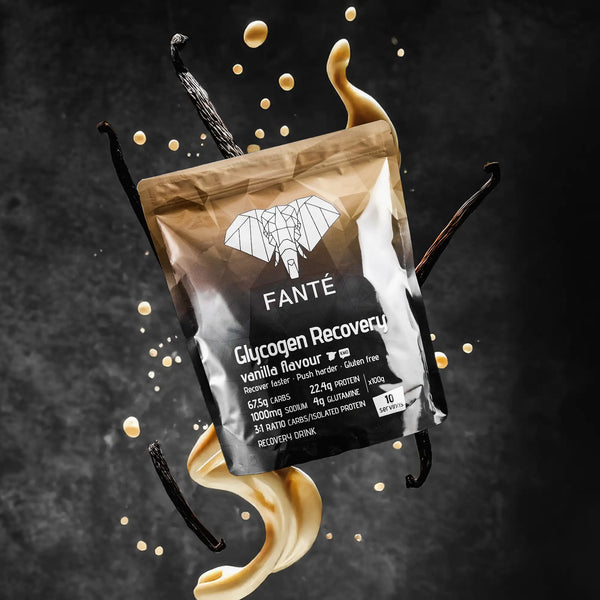
The type of protein appears to influence insulin secretion. Thus, hydrolyzed protein (isolate) has been shown to have a greater effect on insulin secretion than intact protein, which is related to its accelerated rate of digestion and absorption (19 , 20) . Furthermore, whey protein appears to be a greater insulin stimulator than casein, possibly due to its higher leucine content (21) . Therefore, we use whey protein isolate rather than other types in our GLYCOGEN RECOVERY DRINK.
[[PRODUCT:glycogen-recovery-drink]]
The addition of at least 0.3-0.4 g/Kg/h of protein may be required to achieve this synergistic effect of CHO and protein mixture on insulin release (2).
So, carbohydrates and proteins 3:1?

Glutamine
Glutamine is a conditionally essential amino acid widely used in sports nutrition, especially for its immunomodulatory role. However, glutamine performs several other biological functions, such as cell proliferation, energy production, glycogenesis, ammonia buffering, and maintenance of acid-base balance, among others.
Another potential anti-fatigue property of glutamine is its ability to prevent dehydration. Glutamine is transported across the intestinal brush border via a sodium-dependent system, promoting faster absorption of fluids and electrolytes in the intestine. Therefore, including glutamine in rehydration solutions could increase sodium absorption and water flow.
The amount of sodium
When we ingest a recovery drink, it must have a good supply of carbohydrates according to our weight, the type of carbohydrates 2:1, protein in an adequate amount, and an adequate amount of specific minerals in order to replenish what we have spent.
The amount is crucial not only for replenishing salts but also because, being a high-volume, hypertonic drink, it promotes faster solute (carbohydrate) uptake by cells compared to isotonic (single-dose) or hypotonic drinks. Therefore, at FANTÉ, we've opted for a hypertonic recovery drink, in accordance with current scientific evidence, adding 0.8g of sodium per serving for those weighing up to 50kg and 1.5g of sodium per serving for those over 90kg. Please see our usage instructions on the back of the recovery bottle or on our website.
REMEMBER that because it's hypotonic, you resynthesize glycogen very quickly, but it doesn't hydrate you. Therefore, we advise you to prepare another bottle of water and drink from that as well, and not just exclusively from Fanté GLYCOGEN.
Creatine
Creatine has also been studied for its synergistic effect on glycogen resynthesis. Studies have shown that creatine monohydrate intake increases the expression of genes involved in various activities, including glycogen resynthesis, which is suggested to be mediated by the osmotic effect of this ergogenic aid ( 22) . Robert et al. (2016) (23) observed an increase in post-exercise glycogen storage following creatine supplementation (20 g/day) along with a high-carbohydrate diet. This increase was most pronounced in the 24 hours following exercise and was maintained for 6 days of post-exercise recovery with a high-carbohydrate diet. It is important to consider the 1-2% body weight gain that may result from creatine use, which could interfere with performance in some sports where weight gain can be detrimental (e.g., high jump) (14).
When we formulated our recovery program, we considered including creatine as a synergistic effect with glutamine, protein, carbohydrates, and minerals for optimal recovery. However, the impossibility of using the recovery program during periods when creatine is not being used, such as when supplementation is phased in at specific times of the season, led us to change our minds and not include it.
If the athlete does not want to include creatine for X reasons (periodization, symptoms, etc.), including it in our Recovery program would prevent the athlete from consuming the recovery product at those times.
Caffeine
Another nutrient studied in this regard is caffeine. One study observed that an intake of 8 mg/kg of caffeine along with carbohydrates (1 g/kg/h) resulted in a substantial increase in glycogen content during 4 hours of post-exercise recovery (24) .
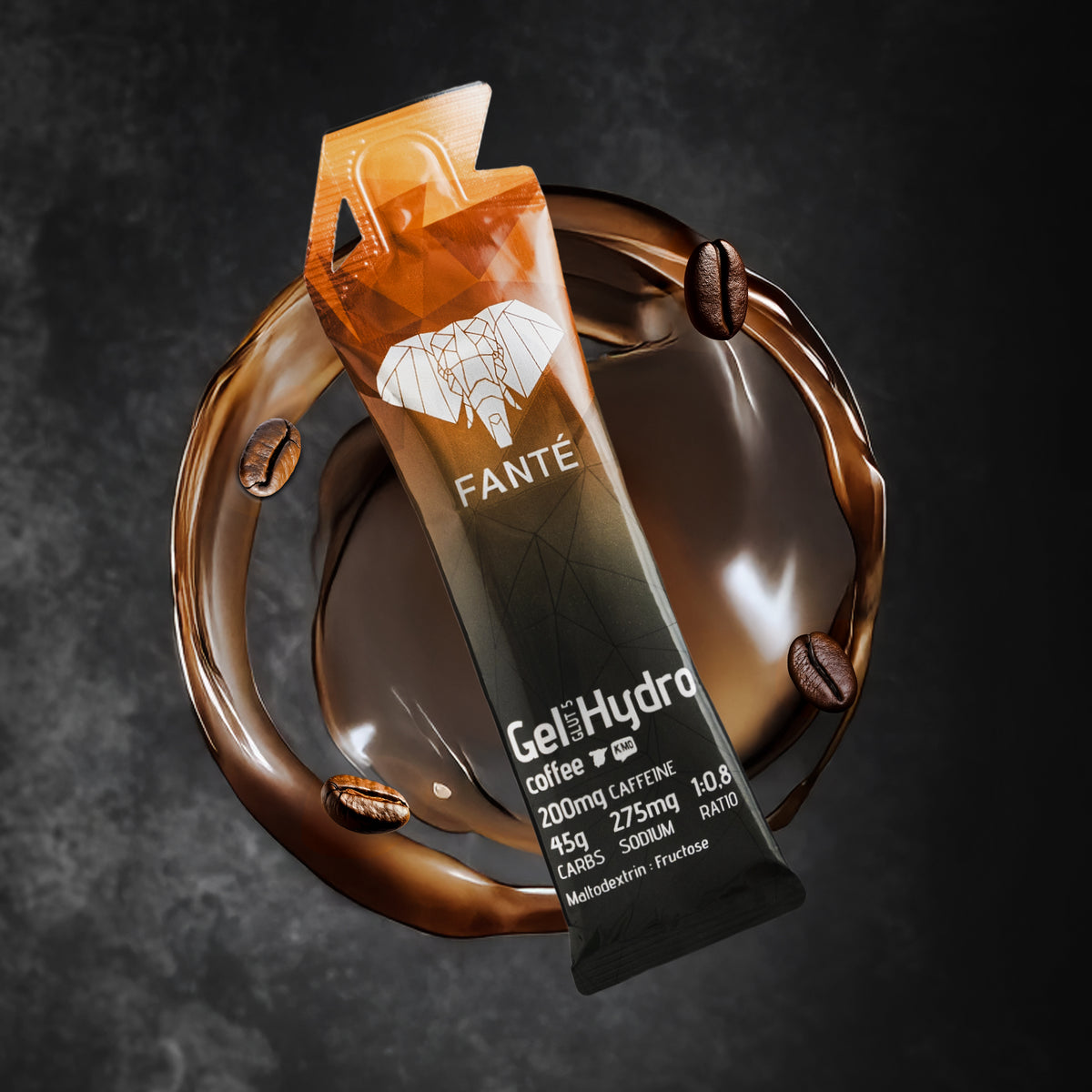
However, the potential interference of such high caffeine levels with the athlete's sleep must be considered. Furthermore, other similar studies have found no difference in glycogen content (25) . A recent systematic review analyzed how the different compounds in coffee can affect muscle glycogen resynthesis, showing that some of these compounds can activate different molecular pathways leading to increased muscle glycogen synthesis. This leads the authors to conclude that coffee could be a viable option for athlete recovery. Further research is still needed.
Alcohol
Finally, it should be noted that alcohol can interfere with glycogen replenishment. In this regard, Burke et al. (2003) (26) showed how alcohol intake (approximately 120 g) could indirectly interfere with glycogen storage during recovery, displacing carbohydrate intake. However, the direct effects have not yet been clarified.
Literature
- Mæhlum, S., Høstmark, A.T., & Hermansen, L. (1978). Synthesis of muscle glycogen during recovery after prolonged severe exercise in diabetic subjects. Effect of insulin deprivation. Scandinavian Journal of Clinical and Laboratory Investigation, 38(1), 35–39. https://doi. org/10.3109/00365517809108400
- Alghannam, A., Gonzalez, J., & Betts, J. (2018). Restoration of Muscle Glycogen and Functional Capacity: Role of Post-Exercise Carbohydrate and Protein Co-Ingestion. Nutrients, 10(2), 253. https://doi org/10.3390/nu10020253
- Domínguez, R., Mata-Ordoñez, F., & Sánchez-Oliver, AJ (2017). Applied Sports Nutrition: A Guide to Optimizing Performance – Raúl Domínguez Herrera, Fernando Mata Ordoñez, Antonio Jesús Sánchez Oliver – Google Books. (ICB Editores, Ed.). Málaga, Spain.
- Goodyear, LJ, Hirshman, MF, King, P. a, Horton, ED, Thompson, CM, & Horton, ES (1990). Skeletal muscle plasma membrane glucose transport and glucose transporters after exercise. Journal of Applied Physiology (Bethesda, Md.: 1985), 68(1), 193–198.
- Murray, B., & Rosenbloom, C. (2018). Fundamentals of glycogen metabolism for coaches and athletes. Nutrition Reviews, 76(4), 243–259. https://doi.org/10.1093/nutrit/nuy001
- Ranchordas, M.K., Dawson, J.T., & Russell, M. (2017). Practical nutritional recovery strategies for elite soccer players when limited time separates repeated matches. Journal of the International Society of Sports Nutrition. https://doi.org/10.1186/s12970-017-0193-8
- Ivy Jl, Katz AL, Cutler Cl, Sherman WM, Coyle EF (1988) Muscle glycogen synthesis after exercise: effect of time of carbohydrate ingestion. Journal Applied Physiology. Apr:64(4)1480-5.
- Burke, L.M., Hawley, JA, Wong, S.H.S., & Jeukendrup, A.E. (2011). Carbohydrates for training and competition. Journal of Sports Sciences, 29 Suppl 1(sup1), S17-27. https://doi.org/10.1080/02640414.2 011.585473
- Jensen, L., Gejl, KD, Ørtenblad, N., Nielsen, JL, Bech, RD, Nygaard, T., … Frandsen, U. (2015). Carbohydrate restricted recovery from long term endurance exercise does not affect gene responses involved in mitochondrial biogenesis in highly trained athletes. Physiological Reports, 3(2). https://doi.org/10.14814/phy2.12184
- Jentjens, RL, van Loon, LJ, Mann, CH, Wagenmakers, AJ, & Jeukendrup, AE (2001). Addition of protein and amino acids to carbohydrates does not enhance postexercise muscle glycogen synthesis. Journal of Applied Physiology), 91(2), 839–846
- van Hall, G., Shirreffs, S.M., & Calbet, J. a. (2000). Muscle glycogen resynthesis during recovery from cycle exercise: no effect of additional protein ingestion. Journal of Applied Physiology (Bethesda, Md.: 1985),88(5), 1631–1636.
- van Loon, L.J., Saris, W.H., Kruijshoop, M., & Wagenmakers, A.J. (2000b). Maximizing postexercise muscle glycogen synthesis: Carbohydrate supplementation and the application of amino acid or protein hydrolysate mixtures. The American Journal of Clinical Nutrition, 72(1), 106–111.
- Howarth, KR, Moreau, NA, Phillips, SM, & Gibala, MJ (2009). Cogestion of protein with carbohydrate during recovery from endurance exercise stimulates skeletal muscle protein synthesis in humans. Journal of Applied Physiology, 106(4), 1394–1402. https://doi. org/10.1152/japplphysiol.90333.2008
- Burke, L.M., van Loon, L.J.C., & Hawley, J.A. (2017). Postexercise muscle glycogen resynthesis in humans. Journal of Applied Physiology, 122(5), 1055–1067. https://doi.org/10.1152/japplphysiol.00860.2016
- Kiens, B., Raben, A.B., Valeur, A.K., & Richter, E.A. (1990). Benefit of dietary simple carbohydrates on the early postexercise muscle glycogen repletion in male athletes [abstract]. Medicine and Science in Sports and Exercise, 22(2 (suppl. 1)), S88. https://doi.org/10.1249/00005768-199004000-00524
- Delarue, J., Normand, S., Pachiaudi, C., Beylot, M., Lamisse, F., & Riou, J.P. (1993). The contribution of naturally labeled 13C fructose to glucose appearance in humans. Diabetologia, 36(4), 338–345. https://doi.org/10.1007/BF00400238
- Trommelen, J., Beelen, M., Pinckaers, PJM, Senden, JM, Cermak, NM, & Van Loon, LJC (2016). Fructose coingestion does not accelerate postexercise muscle glycogen repletion. Medicine and Science in Sports and Exercise, 48(5), 907–912. https://doi.org/10.1249/ MSS.0000000000000829
- Keizer, H.A., Kuipers, H., van Kranenburg, G., & Geurten, P. (1987). Influence of liquid and solid meals on muscle glycogen resynthesis, plasma fuel hormone response, and maximal physical working capacity. International Journal of Sports Medicine, 8(2), 99–104.
- Koopman, R., Crombach, N., Gijsen, AP, Walrand, S., Fauquant, J., Kies, AK, … Van Loon, LJC (2009). Ingestion of a protein hydrolysate is accompanied by an accelerated in vivo digestion and absorption rate when compared with its intact protein. American Journal of Clinical Nutrition, 90(1), 106–115. https://doi.org/10.3945/ajcn.2009.2747 4
- Morifuji, M., Ishizaka, M., Baba, S., Fukuda, K., Matsumoto, H., Koga, J., … Higuchi, M. (2010). Comparison of different sources and degrees of hydrolysis of dietary protein: effect on plasma amino acids, dipeptides, and insulin responses in human subjects. Journal of Agricultural and Food Chemistry, 58(15), 8788–8797.
- Reitelseder, S., Agergaard, J., Doessing, S., Helmark, IC, Lund, P., Kristensen, NB, … Holm, L. (2011). Whey and casein labeled with L-[1-13C]leucine and muscle protein synthesis: effect of resistance exercise and protein ingestion. American Journal of Physiology. Endocrinology and Metabolism, 300(1), E231–E242.
- Safdar, A., Yardley, NJ, Snow, R., Melov, S., & Tarnopolsky, M. A (2008). Global and targeted gene expression and protein content in skeletal muscles of young men following short-term creatine monohydrate supplementation. Physiological Genomics, 32(2), 219–228.
- Roberts, P.A., Fox, J., Peirce, N., Jones, S.W., Casey, A., & Greenhaff, P.L. (2016). Creatine ingestion augments dietary carbohydrate mediated muscle glycogen supercompensation during the initial 24h of recovery following prolonged exhaustive exercise in humans.
- Pedersen, DJ, Lessard, SJ, Coffey, VG, Churchley, EG, Wootton, AM, Ng, T., … Hawley, JA (2008). High rates of muscle glycogen resynthesis after exhaustive exercise when carbohydrate is coingested with caffeine. Journal of Applied Physiology, 105(1), 7–13. https://doi. org/10.1152/japplphysiol.01121.2007
- Beelen, M., Van Kranenburg, J., Senden, J.M., Kuipers, H., & Van Loon, L.J.C. (2012). Impact of caffeine and protein on postexercise muscle glycogen synthesis. Medicine and Science in Sports and Exercise, 44(4), 692–700. https://doi.org/10.1249/ MSS.0b013e31823a40ef
- Burke, LM, Collier, GR, Broad, EM, Davis, PG, Martin, DT, Sanigorski, AJ, & Hargreaves, M. (2003). Effect of alcohol intake on muscle glycogen storage after prolonged exercise. Journal of Applied Physiology (Bethesda, Md. : 1985), 95(3), 983–990. https://doi. org/10.1152/japplphysiol.00115.2003