
The Tour de France is one of the most demanding tests in professional cycling, not only because of its three-week duration, but also because of the variety of terrain that cyclists must face: flat stages , mountain stages... Each type of stage imposes unique energy demands.
Therefore, nutrition is essential in the Tour de France for riders to maintain their performance throughout the competition. The body must be constantly supplied with the right nutrients to withstand the intensity of the race and to recover between stages.
[[CTA_COMMUNITY]]
Nutrition during flat stages
The flat stages of the Tour de France are generally fast, with little change in altitude and minimal variation in effort. These stages are typically controlled by the sprinters' teams, who aim to maintain a high and consistent pace to set up a mass sprint finish.
Although the energy demands may seem less intense compared to mountain stages, flat stages still require careful attention to nutrition, as the constant speed consumes a significant amount of energy.
Nutritional strategies for the flat stages
Energy requirements
On flat stages, the main concern is maintaining a constant energy supply that allows cyclists to maintain a high pace without becoming prematurely exhausted.
Although calorie expenditure may be lower than in mountain stages , high speed and headwinds can increase energy requirements.
Fast energy sources
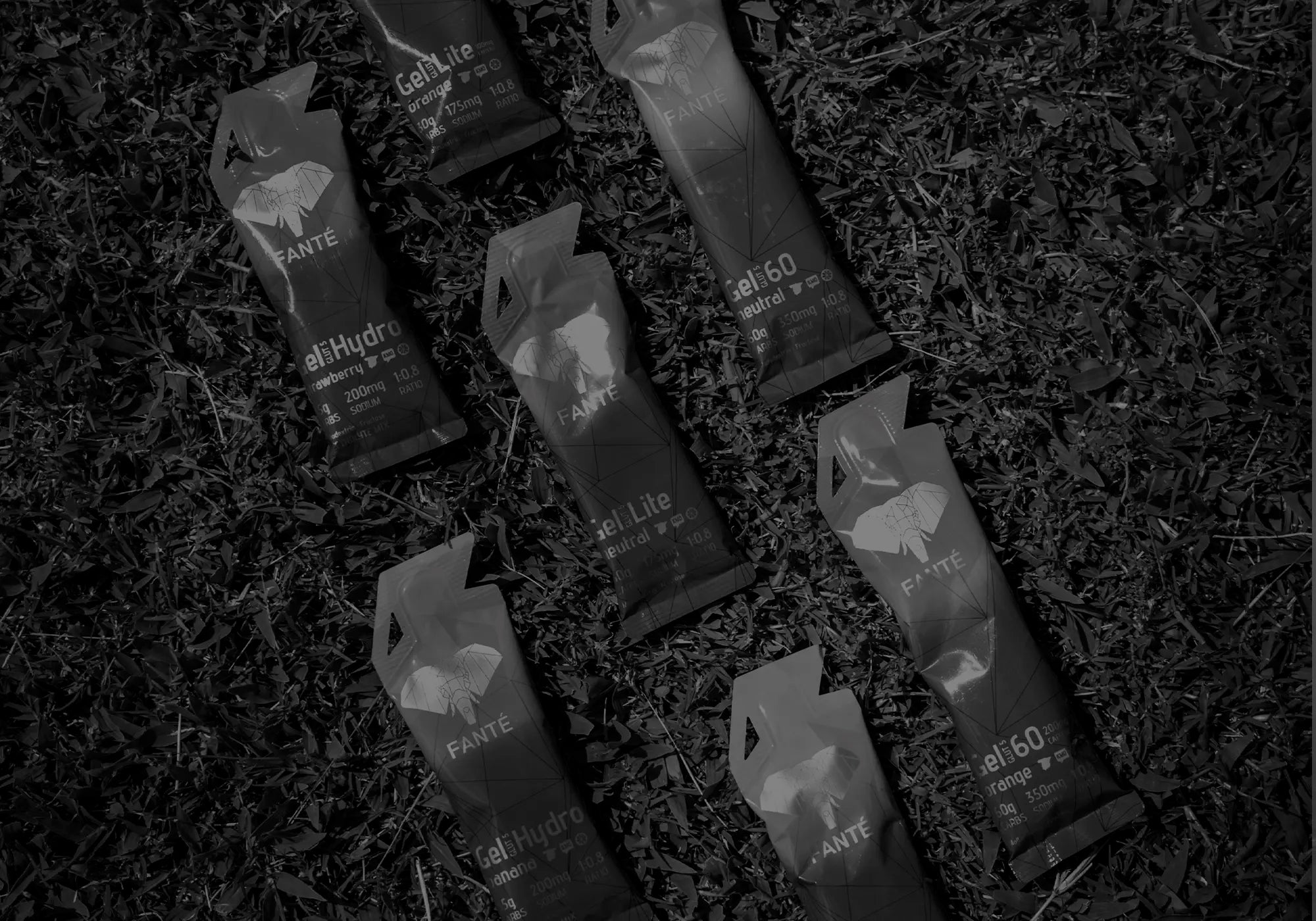
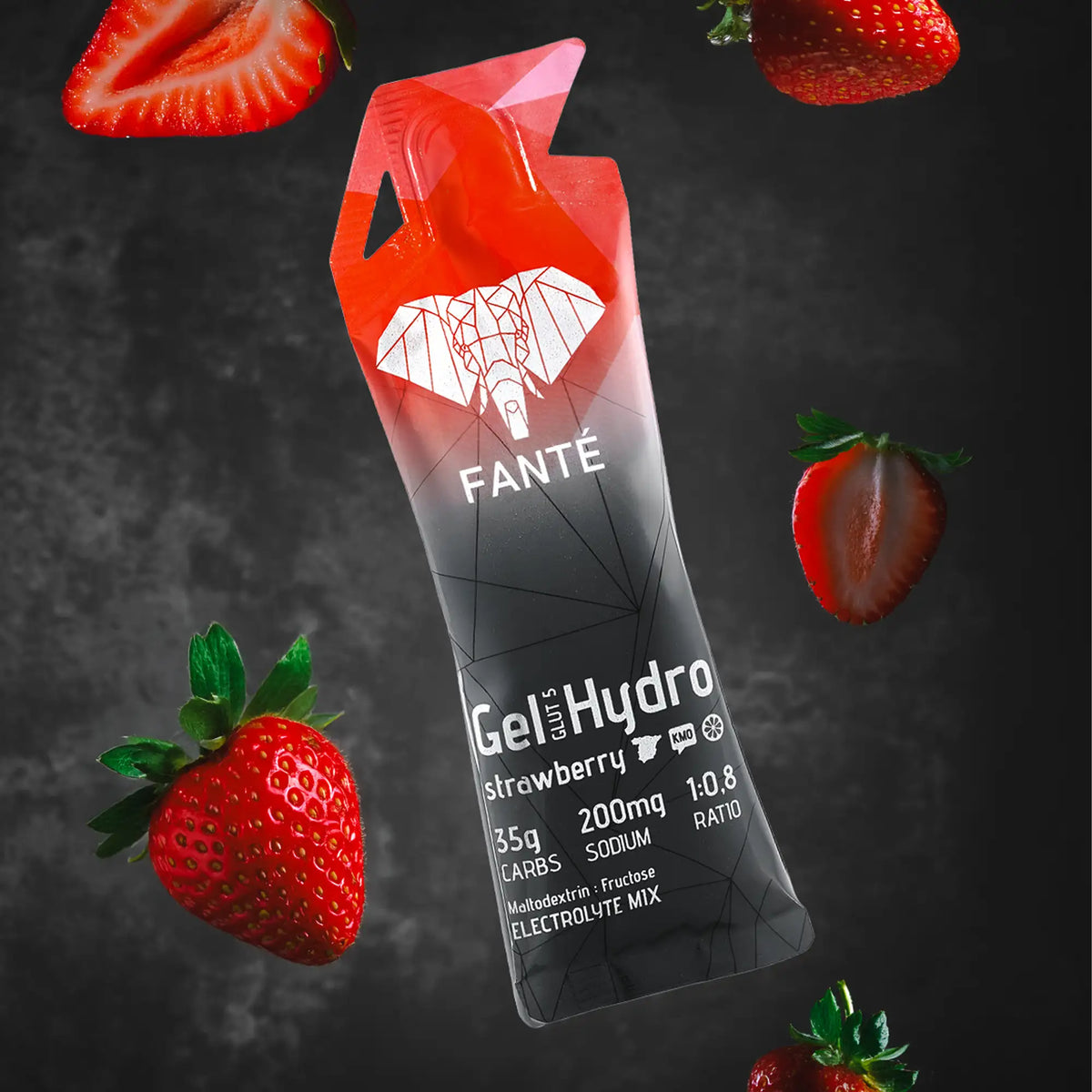
During flat stages, cyclists rely heavily on fast-absorbing carbohydrates to maintain their energy. This includes consuming energy gels , carbohydrate bars, and isotonic drinks.
These products allow for a rapid release of glucose into the bloodstream, providing the energy needed to sustain the elevated pace.

Hydration and electrolytes
Although flat stages are not as strenuous as mountain stages, hydration remains critical. Speed and sustained effort can lead to significant fluid loss through sweat.
Cyclists should consume fluids regularly, preferably with electrolytes, to avoid dehydration and muscle cramps.
On the other hand, it is interesting to know that on flat stages, cyclists who are not sprinters usually continue to eat the same amount of energy even though it is not necessary to maintain a positive caloric balance for the next day or days when they will need that extra energy.
Nutrition during mountain stages
The mountain stages of the Tour de France are the most demanding, both physically and mentally. These stages include long, steep climbs where cyclists face increased resistance due to gravity and, in some cases, altitude.
The variability of the terrain and weather conditions can also increase physical exertion. Cyclists not only need energy for long climbs , but they must also be strategic in managing their energy during descents and flat sections between mountains.
Nutritional strategies for mountain stages
Increased calorie expenditure
Mountain stages demand a higher calorie intake due to the prolonged effort and the need to endure multiple climbs. Cyclists can burn between 5,000 and 7,000 calories in a single mountain stage.
To compensate for this enormous demand, it is crucial that cyclists consume energy foods and supplements that provide them with both quick and sustained energy.
Sustained energy for long climbs
Unlike flat stages, where simple carbohydrates are predominant, in mountain stages it is essential to include a combination of simple and complex carbohydrates.
It is essential to reach amounts above 100 grams/hour of carbohydrates with multiple carbohydrates, such as maltodextrin and fructose in a 1:0.8 ratio .
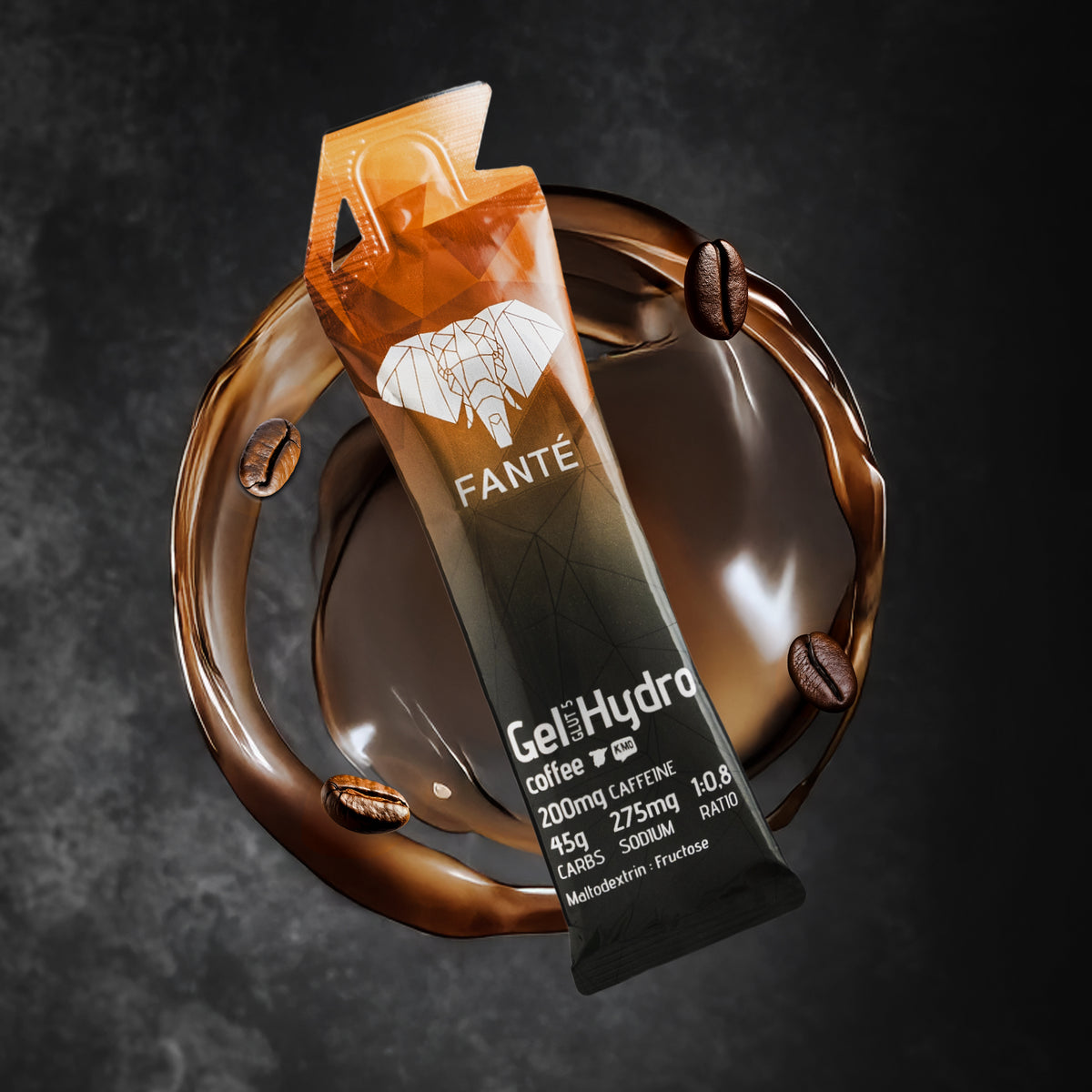
As is the case in our formulations of gels or isotonic drinks.
Specific supplementation
During mountain stages, cyclists often use supplements to optimize their performance. Caffeine supplements are popular due to their ability to improve concentration and reduce the perception of fatigue.
Nitrate supplements, which increase oxygen efficiency in the body, are also beneficial at high altitudes.
Or for example, ketones for recovery or sodium bicarbonate before the race.
Hydration management
Altitude and prolonged exertion during mountain stages increase the risk of dehydration. Furthermore, at higher altitudes, the rate of dehydration can be higher due to the drier air and increased respiration.
It is vital that cyclists adjust their hydration and fluid intake accordingly, ensuring they consume sufficient water and electrolytes before, during , and after the stage.

Comparison between nutrition in flat and mountain stages
The differences in nutrition between flat and mountain stages are mainly based on energy demands and effort management.
On flat stages, quick energy and hydration are crucial for maintaining speed. In contrast, mountain stages require a more complex strategy, focusing on sustained energy, proper supplementation, and careful hydration management in challenging conditions.
Adapting the body to the demands of the Tour
Throughout the Tour de France, a cyclist's body gradually adapts to the physical and nutritional demands of the race. This adaptation includes an improvement in the efficiency of using carbohydrates and fats as energy sources, as well as in the body's ability to recover between stages.
It is essential that cyclists maintain a flexible and adaptive diet, adjusting their intake according to the characteristics of each stage.
Nutritional tips for the Tour de France with FANTÉ!
Nutrition in the Tour de France is as essential as strategy in cycling. Understanding and adapting energy needs for both flat and mountain stages is crucial for cyclists to maintain peak performance.
With proper planning, the choice of specific foods and supplements, and correct hydration , cyclists can face every challenge fully prepared.
At FANTÉ, we offer products designed to meet the nutritional needs of cyclists at every stage of the Tour de France. Whether it's energy gels for the flat stages or electrolytes for the mountain stages, FANTÉ is your partner for maximizing performance throughout the race.