
Nutrition is a fundamental pillar of a cyclist's performance and recovery. In cycling, its importance is magnified due to the long hours of sustained effort.
A balanced diet not only optimizes performance on the bike, but also contributes to more efficient recovery and better overall health. In this guide, we introduce the basics of proper cycling nutrition , highlighting how a well-planned nutritional strategy can be the difference between a good cyclist and an exceptional one.
[[CTA_COMMUNITY]]
Essential macronutrients
Carbohydrates
Carbohydrates are the body's preferred fuel during high-intensity activities, such as cycling. This macronutrient is essential for maintaining high performance and effective recovery.
However, not all carbohydrates are created equal, and the selection and timing of these nutrients for a cyclist can significantly impact your performance.
Types and times of consumption
Carbohydrates are generally classified as simple and complex. Simple carbohydrates, such as table sugar, fruits, and refined products, are digested quickly and provide a short-term energy boost.
On the other hand, complex carbohydrates, found in foods such as whole grains, legumes, and vegetables, are digested more slowly, providing a more sustained energy supply.
For cyclists, the timing of carbohydrate intake is crucial. Before exercise, focus on complex carbohydrates to ensure a steady supply of energy. A meal rich in these nutrients should be consumed approximately 2-3 hours before cycling.
Examples include oatmeal with fruit, whole-wheat bread with avocado, or a carbohydrate and protein smoothie.
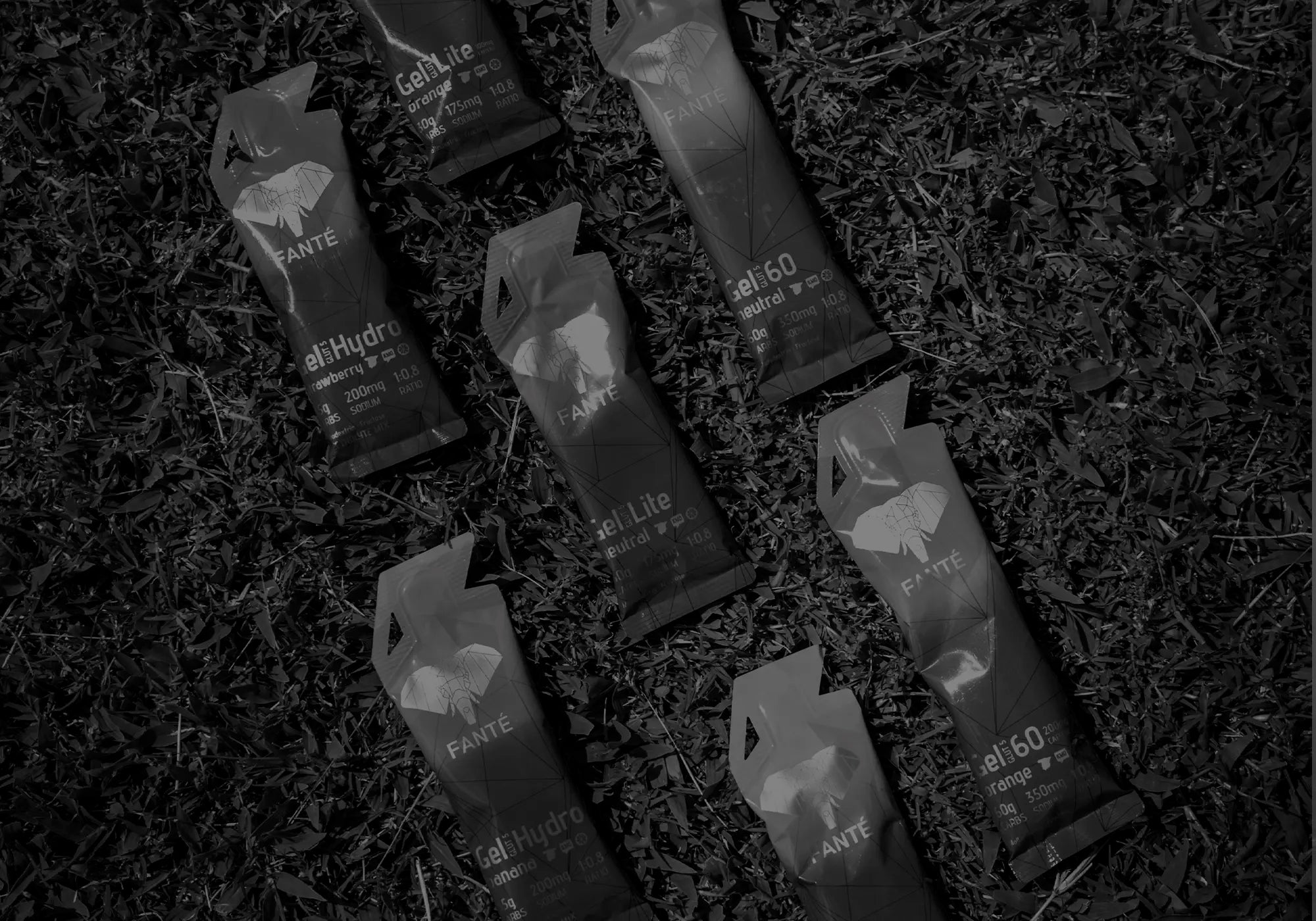
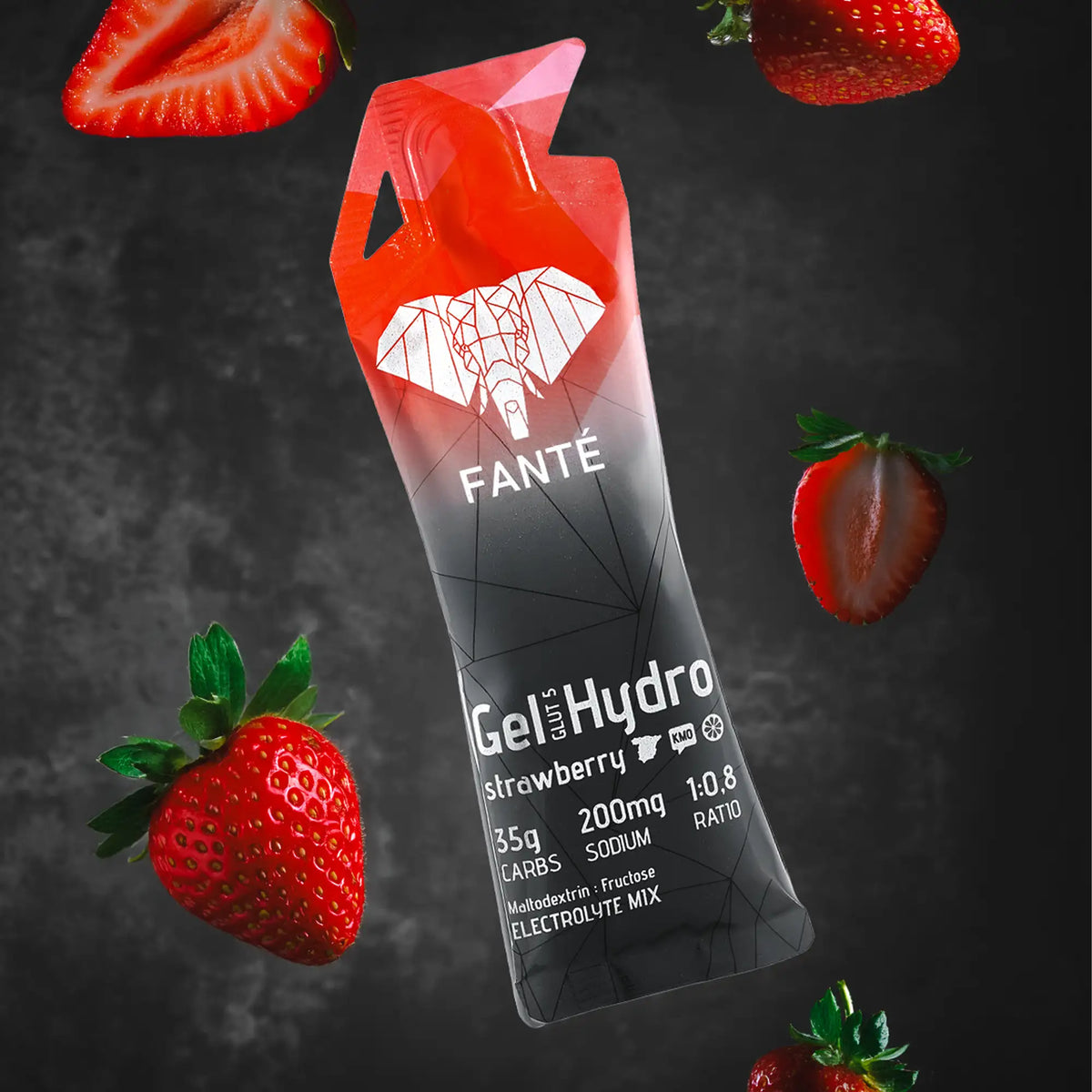
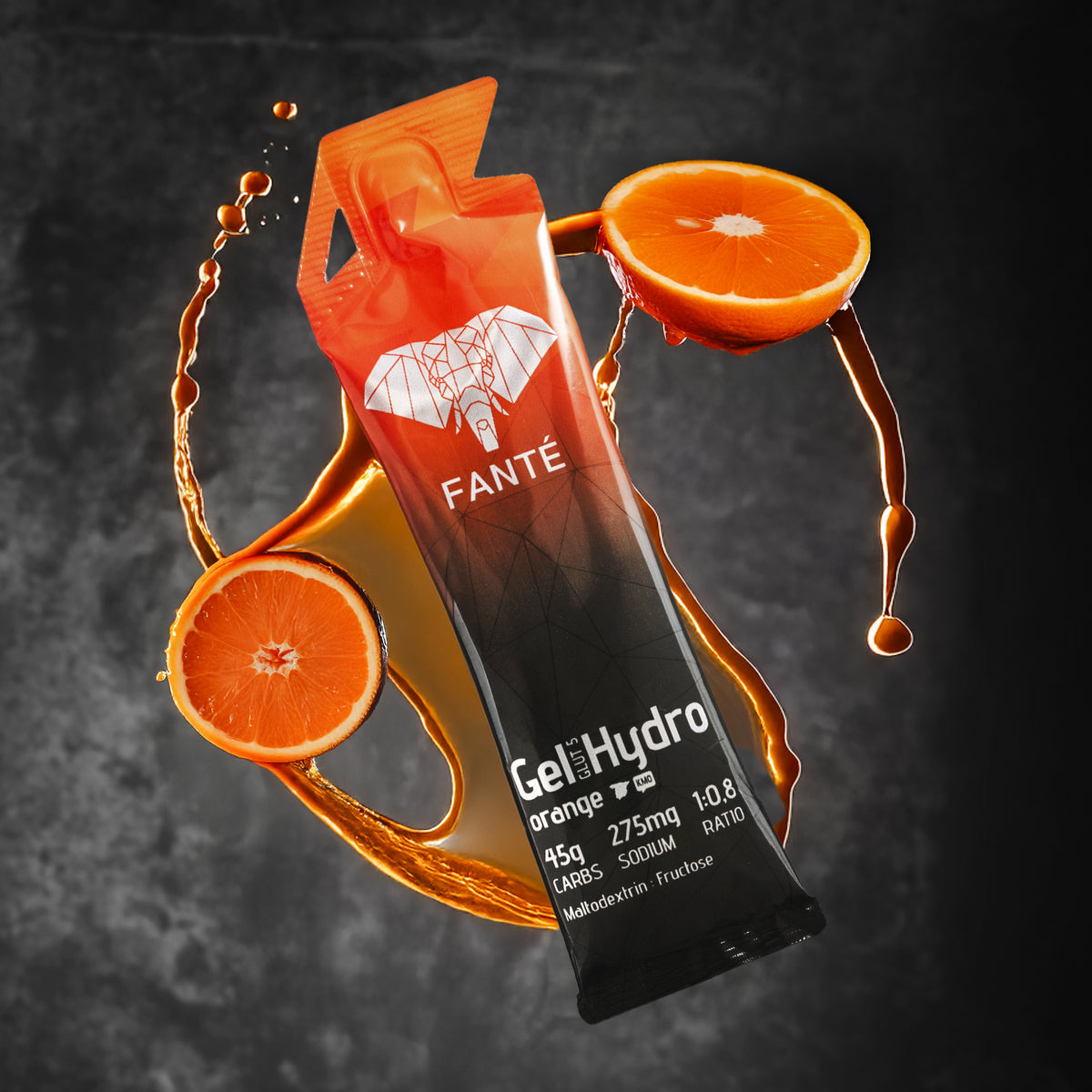
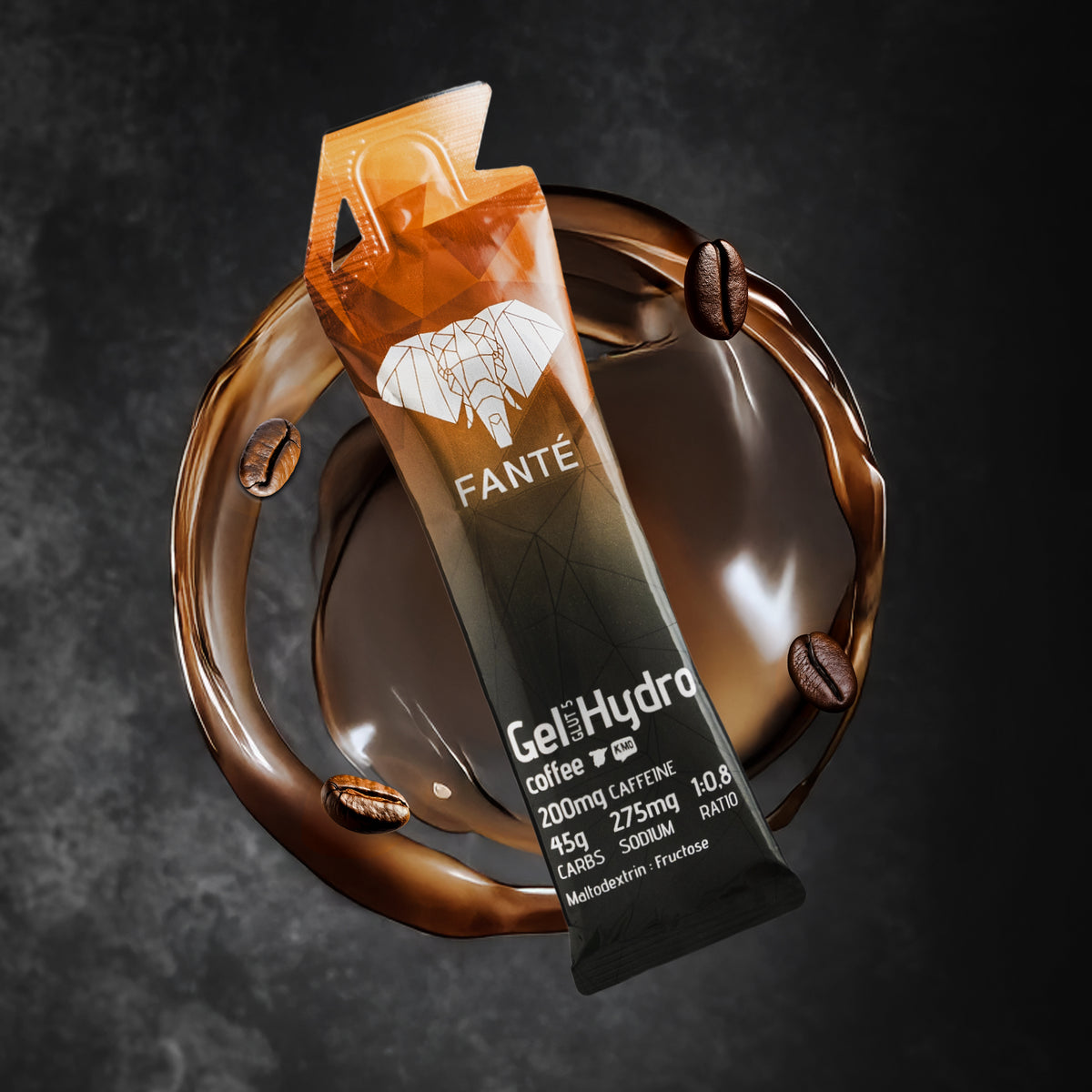
During exercise, especially in short sessions or competitions, simple carbohydrates can be useful to maintain energy levels, but when we talk about exceeding 60 grams per hour, we would have to add to the formula the best composition that exists, a 1:0.8 ratio with a complex carbohydrate such as fructose, to maintain more stable energy levels.
Energy gels and sports drinks are popular options that offer rapid absorption of simple and complex sugars, thus maintaining performance and delaying fatigue.
Post-exercise, carbohydrate intake helps replenish glycogen stores in the muscles, a key component for recovery. Ideally, this intake should occur within 30 to 60 minutes, or at most 90 minutes, after finishing exercise and should include a combination of simple and complex carbohydrates, along with protein, to facilitate muscle repair.
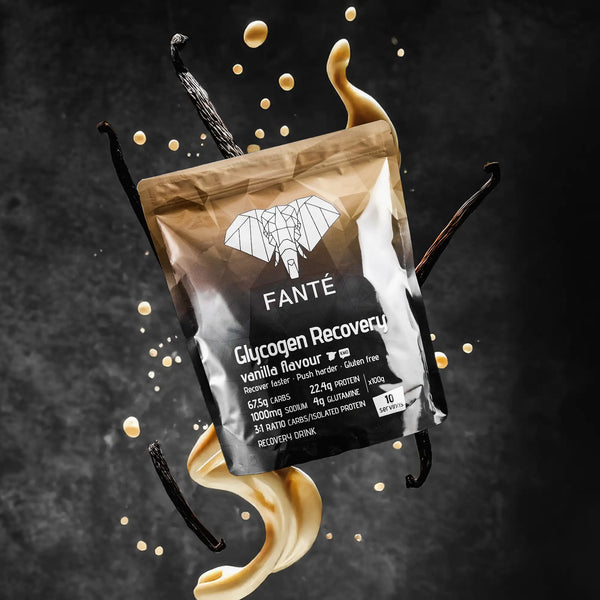
Exactly for every 3 grams of carbohydrates we should consume 1 gram of protein, which is called the 3:1 ratio.
A protein shake with banana along with a bowl of corn flakes, a turkey sandwich with white bread, or our Glycogen recovery drink are excellent options for this moment.
Complex vs. simple carbohydrates
The choice between complex and simple carbohydrates depends not only on when you consume them, but also on your specific training and competition goals. While complex carbohydrates are essential for a balanced daily diet and sustained energy, simple carbohydrates have their place in sports nutrition, especially when you need energy quickly.
Always remembering that endurance sports like cycling require both during exercise, as this will help us better assimilate carbohydrates and therefore improve our energy level.
Proteins: key to muscle recovery and growth
Proteins are essential for a cyclist's nutrition in the repair and growth of their muscle tissue, especially after long hours of cycling, which can wear down and damage muscles.
Consuming the right amount of protein not only helps with muscle recovery, but can also improve strength and endurance, crucial elements for any cyclist.
Recommended protein sources for cyclists
For cyclists, obtaining high-quality protein is vital. Recommended sources include lean meats such as chicken and turkey, omega-3-rich fish such as salmon and trout, and eggs, which provide all the essential amino acids.
For vegetarian or vegan cyclists , legumes, nuts, seeds, tofu, and soy products are excellent alternatives. Incorporating a variety of these sources into your diet ensures a full range of essential amino acids for optimal muscle recovery.
Or another option is the 93% Isolate protein contained in our GLYCOGEN recovery drink , since you not only recover at the muscle level but also improve the speed of muscle glycogen regeneration.
[[PRODUCT:glycogen-recovery-drink]]
Integration of protein into the daily diet
The integration of protein into the daily diet should be carefully considered and balanced. Ideally, protein intake should be distributed evenly throughout the day, across all meals, to maintain a steady supply of amino acids to the muscles.
In addition, within a cyclist's nutrition , consuming protein along with carbohydrates after training can improve muscle recovery and replenish energy reserves.

Fats: an undervalued source of energy
Fats are frequently misunderstood in sports nutrition , but they are a vital source of energy for cyclists, especially during long-duration, low-to-moderate-intensity activities.
Fats not only provide a dense source of calories, but are also necessary for the absorption of fat-soluble vitamins and for hormonal health.
Types of fats and their role in cyclist nutrition
There are different types of fats, but the most beneficial for cyclists are unsaturated fats, found in foods such as avocados, nuts, seeds, and fatty fish.
These fats help reduce inflammation, improve cardiovascular health, and provide a sustained source of energy. On the other hand, saturated fats, found in red meat and dairy products, should be consumed in moderation, and trans fats, present in processed and fried foods, should be avoided altogether due to their negative effects on heart health and athletic performance.
The correct balance of fatty acids
Achieving a proper balance of omega-3 and omega-6 fatty acids is crucial for inflammation and recovery. A diet that includes fatty fish like salmon, chia seeds, and walnuts can help increase omega-3 intake, while care should be taken to avoid excessive consumption of vegetable oils and processed foods high in omega-6.
Maintaining this balance helps promote muscle recovery and reduces the risk of injury, allowing cyclists to train more effectively.
Micronutrients and supplementation
Essential vitamins and minerals
For cyclists, micronutrients such as vitamins and minerals play a crucial role in maintaining health and peak performance. These nutrients are essential for a cyclist's bodily functions, including converting food into energy, repairing and growing muscle tissue, and protecting against oxidative damage caused by intense exercise.
Electrolytes and their importance in hydration
Electrolytes, including sodium, potassium, magnesium, and calcium, are essential minerals lost through sweat during exercise. They are crucial for maintaining fluid balance, muscle function, and acid-base balance in the body.
An electrolyte deficiency can lead to muscle cramps, fatigue, and, in severe cases, more serious conditions such as hyponatremia . Electrolyte supplementation, especially on long rides or in hot conditions, can help maintain hydration and performance.
Vitamin supplements: when and which ones?
Although a well-balanced diet should provide all the necessary vitamins and minerals, certain situations and training demands may justify the use of supplements.
Cyclists can benefit from vitamin D supplements in winter when sun exposure is limited, and from antioxidants such as vitamins C and E to help combat oxidative stress, although it is best to obtain it from a varied diet of fruits and vegetables.

The importance of hydration
Hydration is essential for a cyclist's performance . Water helps regulate body temperature, transports nutrients and oxygen to the cells, and aids digestion. Proper hydration can make the difference between optimal performance and exhaustion or even collapse.
Hydration strategies before, during and after cycling
Before : Starting a ride well hydrated is essential. Drinking approximately 500 ml of water two hours before cycling allows enough time for hydration and the elimination of excess water.
During cycling : Hydration during cycling depends on the duration and intensity of the exercise, as well as the weather conditions. A good rule of thumb is to drink 500 to 1000 ml per hour of exercise, adjusting according to sweat and thirst.
And always accompanied by sodium, because otherwise the water will not be retained or properly absorbed.
Afterwards : Rehydrating after cycling is crucial for recovery. The goal is to replace any fluids lost during exercise. A good strategy is to drink around 500 ml of water shortly after finishing and continue hydrating over the next few hours. Maintain a fluid intake of around 300 to 500 ml per hour for up to four hours, depending on the intensity and duration of the workout.
Diet planning for training and competitions
Nutrition is key to a cyclist's preparation and recovery, both during training and competition. A well-designed nutritional strategy can significantly improve performance and accelerate recovery.
Pre-training and pre-competition nutrition
What to eat and when to eat it
The main objective of pre-workout or pre-competition food is to prepare the body for the effort to come, ensuring that energy levels are optimal and sustainable throughout the exercise.
This meal should be rich in simple carbohydrates to ensure a high initial level of muscle glycogen, moderate in protein, and low in fat and fiber to facilitate digestion and avoid gastrointestinal discomfort.
An example of a pre-workout meal could be a bowl of oatmeal with fruit and honey, eaten approximately 2-3 hours beforehand. For those who prefer something lighter or have their workout very early, a slice of white toast with jam or quince paste and orange juice 60 minutes beforehand is a good option.
Nutrition during training/competition
Maintain performance with proper nutrition
During training or competition, especially during prolonged efforts, maintaining energy levels and hydration is crucial. Consuming easily digestible carbohydrates becomes essential for a cyclist's nutrition, as these can be quickly absorbed and used as energy. Sports drinks and energy gels are practical and effective options.
[[PRODUCT:gel-60]]
The recommended amount is approximately 45 to 90g of carbohydrates per hour of exercise , adjustable according to the intensity and duration of the effort, as well as personal and environmental conditions. And all of this should be increased gradually to improve tolerance.
Post-training and post-competition recovery
Recommended foods and drinks for a speedy recovery
The recovery phase is just as important as preparation, as it allows the body to repair and improve. Post-workout or post-competition nutrition should focus on replenishing glycogen stores, repairing muscle tissue, and rehydrating the body.
A meal that combines carbohydrates and protein in a ratio of approximately 3:1 or 4:1 is ideal. Examples include a protein shake with fruit, a chicken sandwich on whole-wheat bread, or Greek yogurt with granola and fruit, or our Glycogen recovery drink.
Rehydration should begin immediately after exertion, prioritizing the consumption of fluids containing electrolytes to restore fluid balance.
The optimal recovery window is within 30 to 60 minutes after exercise, a period in which the cyclist's nutrition process is most receptive to the nutrients consumed and can use them efficiently to initiate the recovery processes.