
Sodium is an essential electrolyte that plays a crucial role in various bodily functions, especially in sports. Despite its importance, many misconceptions exist about sodium in nutrition and its impact on the health and performance of athletes.
A proper understanding of the role of sodium in sports nutrition can be a decisive factor in optimizing performance and improving recovery.
In this article, we'll debunk common myths about sodium in nutrition and reveal its true importance in an athlete's diet. Through a review of the scientific evidence and best practices, we'll clarify how and why sodium is vital for athletes.
Furthermore, we will highlight how FANTÉ , with our science-based approach and expertise in sports nutrition , effectively supports these nutritional needs.
[[CTA_COMMUNITY]]
What is sodium and what is its function in the body?
Sodium is an essential mineral and electrolyte found in the human body and is vital for several biological functions. Chemically, sodium is a soft alkali metal, symbol Na, that readily combines with other elements and compounds.
However, in the context of human physiology, it is found predominantly in the extracellular fluid and is crucial for maintaining water balance and cellular function.
Key functions of sodium in the body's nutrition
Regulation of fluid balance
Sodium plays a fundamental role in regulating fluid balance in the body . It works together with other electrolytes such as potassium and chloride to maintain the osmolarity and volume of extracellular fluid.
This balance is essential to ensure that cells function properly and organs maintain their normal activity. In athletes, proper sodium regulation is crucial to prevent dehydration and hyponatremia, conditions that can significantly affect performance and health.
Conduction of nerve impulses
Nerve cells use a process called an action potential , which depends on the movement of sodium and potassium ions across cell membranes. This flow of ions generates an electrical current that allows the transmission of nerve signals along neurons.
For athletes, efficient transmission of these impulses is vital for muscle coordination, quick reflexes, and motor control.
Muscle contraction
Muscle contraction also depends heavily on sodium. During contraction, sodium and potassium ions move across the membranes of muscle cells, generating the electrical changes necessary for contraction.
This process is especially important for athletes, who require precise and efficient muscle contractions for athletic performance. A lack of sodium can lead to muscle cramps, weakness, and fatigue, negatively impacting performance.
Myth 1: “Sodium is always bad for athletes”
The myth that “sodium is always bad for athletes” has its roots in widespread concern about excessive salt consumption and its effects on health, particularly in relation to hypertension and cardiovascular disease.
For years, reducing sodium intake has been promoted as a preventative measure for the general population. However, this recommendation has been misinterpreted and generalized, leading to the misconception that everyone, including athletes, should avoid sodium in their diets.
Scientific evidence that contradicts this myth
Studies that demonstrate the need for sodium in the nutrition of athletes.
Regulation of fluid balance
Sodium is crucial for maintaining fluid balance in the body. During intense exercise, athletes sweat profusely, losing large amounts of sodium.
This loss must be compensated for to avoid dehydration and maintain optimal performance.
Improved athletic performance
Sodium supplementation has been extensively studied in endurance sports. A study published in the Journal of the International Society of Sports Nutrition found that adequate sodium intake during long-duration events improves performance and perceived exertion, allowing athletes to maintain higher levels of intensity for longer periods.

Prevention of muscle cramps
Muscle cramps are a common complaint among athletes, especially in warm weather. Research has shown that sodium replacement can help prevent these cramps, likely due to its role in muscle function and nerve conduction.
Cases in which excessive sodium restriction can be harmful
Hyponatremia in athletes
Hyponatremia is a life-threatening condition that occurs when sodium levels in the blood fall too low. This condition has been documented in endurance events such as marathons and triathlons.
Athletes who consume large amounts of water without sufficient sodium replacement are at risk of developing hyponatremia, which can lead to serious symptoms such as nausea, vomiting, headache, and in extreme cases, seizures and coma.
Decreased performance and slow recovery
Sodium deficiency can lead to decreased performance due to dehydration and electrolyte imbalance. Muscles need sodium in their nutrition to contract and relax properly, and a deficiency can result in muscle fatigue and longer recovery times.
This is especially critical in sports that require endurance and continuous effort.
Myth 2: "Sodium is only for endurance sports"
The myth that "sodium is only for endurance sports" stems from the common association of sodium with the need to replenish electrolytes during prolonged activities such as marathons, triathlons, and long-distance cycling. However, this view is limited and fails to consider the wide range of sodium's functions and its importance in various types of sports, including high-intensity, short-duration activities.
Evidence on the importance of sodium in different types of sports
High-intensity sports
- Impact on muscle function and recovery : In sports such as weightlifting, sprinting, and CrossFit, athletes need rapid muscle contraction and relaxation. Sodium in nutrition is essential for nerve transmission and efficient muscle contraction, improving strength and recovery, and reducing cramps and premature fatigue.
- Maintaining fluid and electrolyte balance : These sports, often performed in hot environments, increase sweating and electrolyte loss. Replenishing sodium prevents dehydration, ensuring sustained performance and better thermoregulation, thus reducing the risk of hyperthermia.
Endurance sports
- Hyponatremia Prevention : Hyponatremia is a concern in endurance sports due to sodium loss through sweat and excessive water intake. Replenishing sodium is essential to maintain electrolyte balance and prevent serious complications during prolonged events.
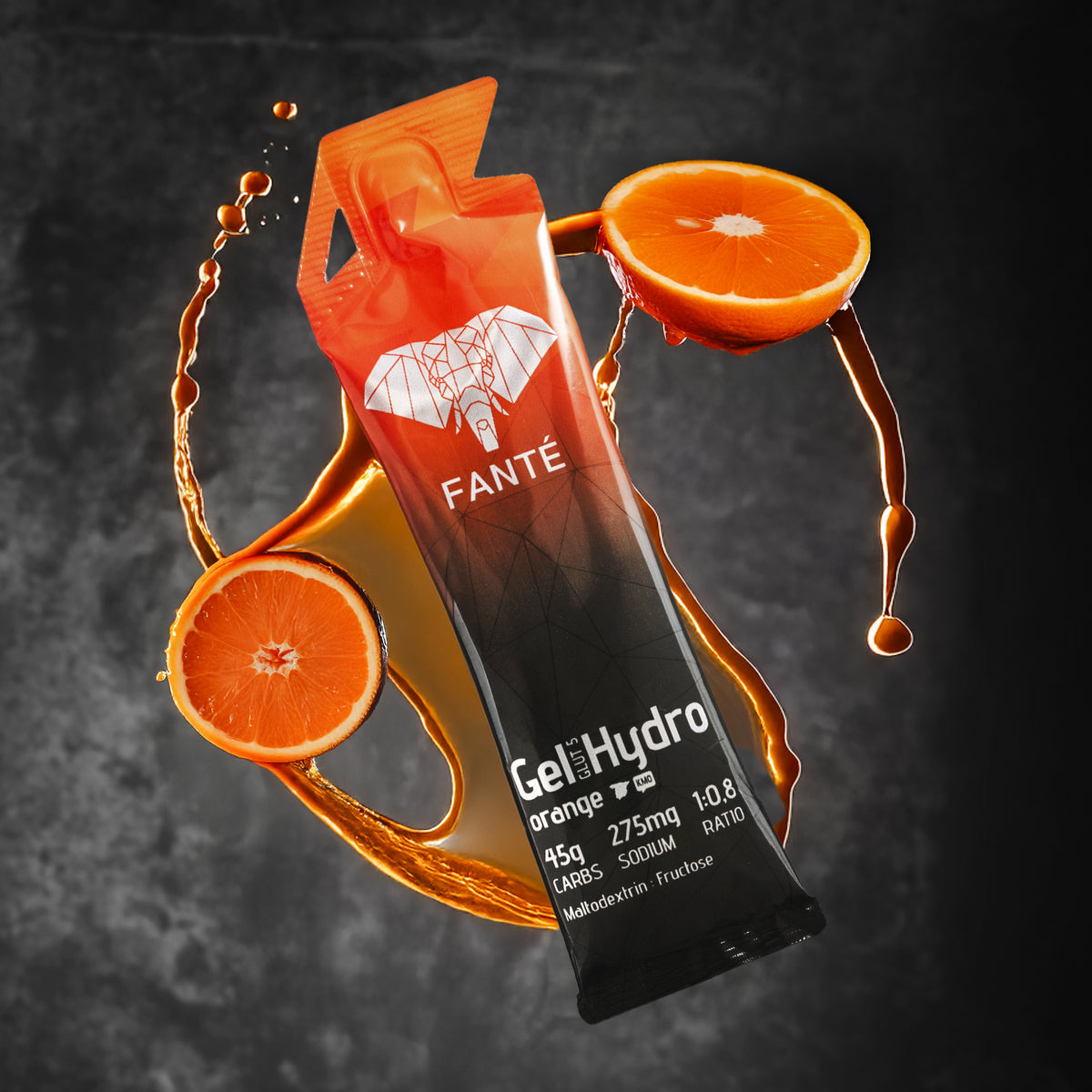
- Improved performance and endurance : Sodium maintains muscle function and proper hydration during prolonged activities, enhancing endurance and performance. Products like FANTÉ energy gels provide the necessary sodium, supporting high levels of exertion during extended events.
Specific cases in sports where sodium regulation is crucial
Trail running
Trail running, especially in mountainous terrain and at high altitude, can lead to significant sodium losses due to the combination of physical exertion and challenging environmental conditions.
Replenishing sodium in nutrition is vital to maintain electrolyte balance, prevent cramps, and ensure that runners can cope with the physical demands of the terrain.

Cycling
Cyclists, particularly on long and demanding rides, lose significant amounts of sodium through sweat. Maintaining a proper sodium balance in their diet not only prevents dehydration but also helps prevent fatigue and improves muscle efficiency.
How to adapt sodium supplementation with gels?
For athletes looking to optimize their performance through proper sodium supplementation in sports nutrition , FANTÉ offers a range of scientifically designed products.
Among them, Gel 60 stands out, formulated to provide a precise dose of sodium, essential to maintain electrolyte balance and hydration during intense exercise.
- Gel 60 : Ideal for ultradistances, this gel contains 60 grams of carbohydrates and 350 mg of sodium per serving, helping to replenish sodium losses and maintain energy during prolonged efforts.
[[PRODUCT:gel-60]]
Glut 5 Off Energy Gel (60CHO) is the only gel on the market with freshly squeezed natural organic lemons from km0, without flavors, without preservatives and including only what is necessary for your performance according to current scientific evidence.
- Contains 60 grams of carbohydrates per unit
- Provides 350 mg of sodium to optimize your hydration
- Ratio 1:0.8 according to current scientific evidence
As you can see, sodium is an essential electrolyte for athletes, crucial for fluid regulation, muscle function, and nerve conduction. Therefore, we recommend using specific products like energy gels to ensure effective sodium supplementation in your diet .