
The ketone bodies of beta-hydroxybutyrate and acetate are produced in the body as a byproduct of fat metabolism.
Essentially, ketone bodies are formed in the body when there is an excess of available fatty acids.
Ketones have received a lot of media attention recently.
Ketone supplements are reportedly commonly used by professional cyclists. And we're left wondering: have we discovered a new magic fuel for muscle, or is it all just hype?
[[CTA_COMMUNITY]]
Ketone bodies as fuel
The existence of ketone bodies has been known for a long time and their role has been described for more than 50 years with extensive studies.
Ketone bodies can serve as an important energy substrate under certain conditions, and can change the use of the body's carbohydrate and fat reserves.
Dietary strategies to increase blood concentrations of ketone bodies require a high-fat, extremely low-carbohydrate diet (ketogenic diets).
However, reducing carbohydrate availability can impair performance, as carbohydrates are a key source of fuel for intense exercise.
Ketone bodies are a fuel for starvation
Ketones are primarily known as a substrate for the brain during prolonged periods of starvation.
The brain normally runs on glucose as its sole fuel. During starvation, glucose is unavailable, and therefore the brain develops the ability to use an alternative fuel: ketones.
This is generally considered to be the primary function of ketone bodies and, since starvation is very uncommon in the Western world, it has received less attention.
However, it was already observed in the 1960s that ketones are easily used by muscle.
The supply of carbohydrates during exercise is limited
Carbohydrate intake during prolonged exercise has been shown to improve exercise performance, and there are indications that more exogenous (ingested) fuel may be beneficial.
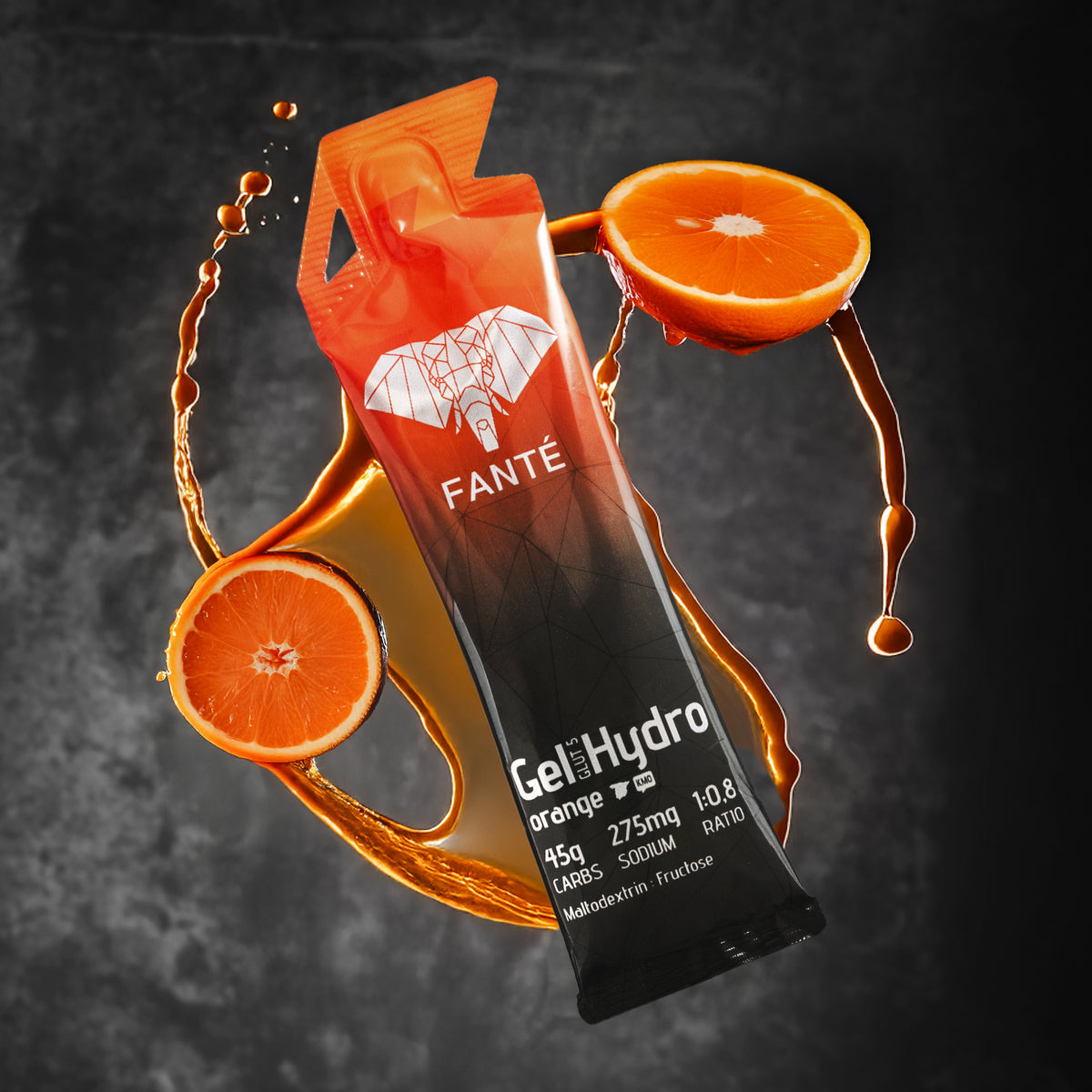
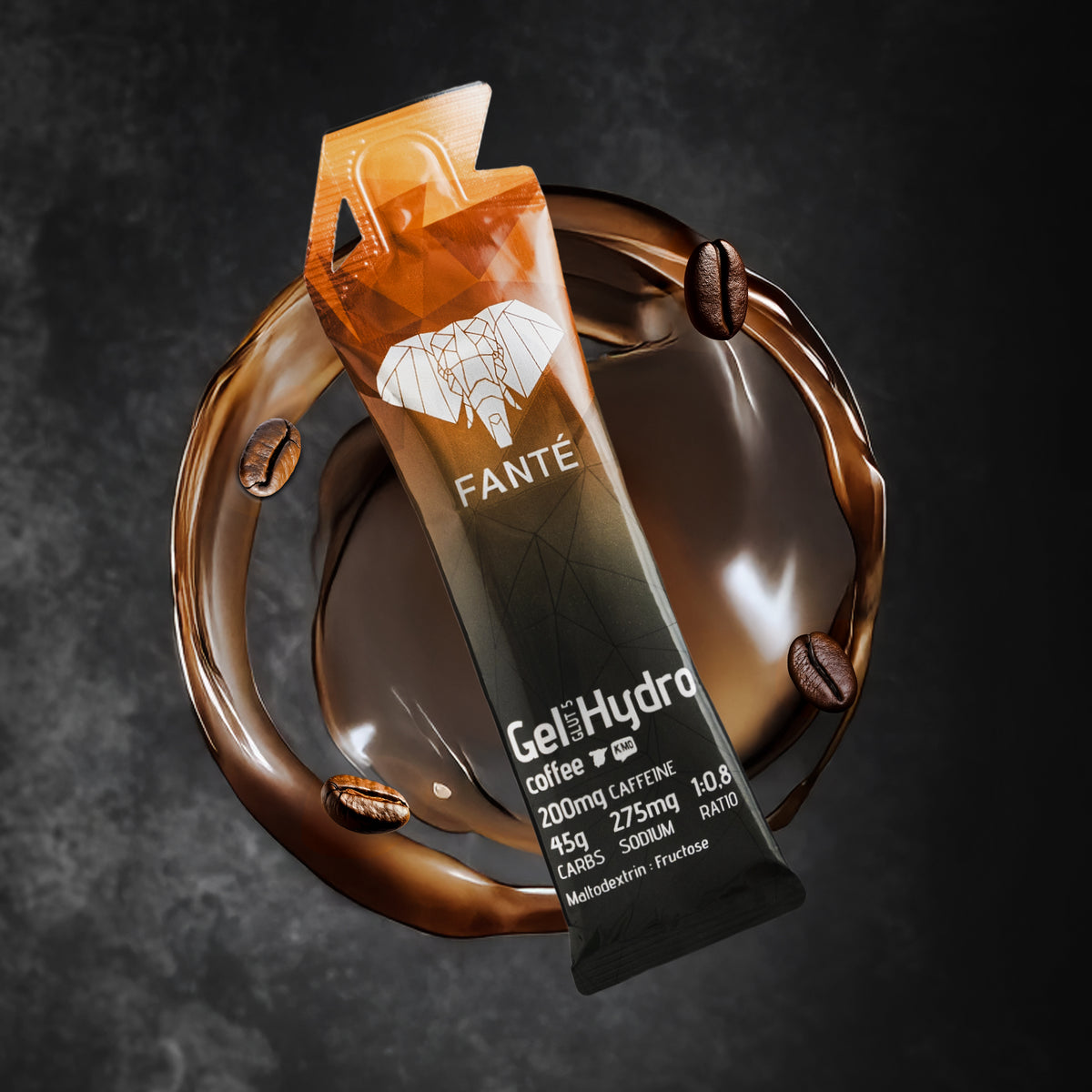
However, it has been shown that carbohydrates from drinks, gels, or solid foods can only be delivered to the muscles at a rate of 1 g/min in the case of glucose and more than 60 g/hour with the combination of glucose and fructose. This is something you can find in our products such as FANTÉ energy gels , GLUT 5 DRINK carbohydrate drinks , and other products.
[[PRODUCT:gel-60]]
This is the equivalent of 240 kcal/h, not a large amount considering that cyclists or trail runners or runners or triathletes can expend up to 1000 kcal/h for several hours.
Are there any fuels that can be ingested besides carbohydrates that help deliver energy to the muscle?
Are ketones the solution?
Ketones, at least in theory, could form an alternative or additional fuel.
Ketone salts have been used, but this requires the intake of large amounts of sodium or potassium, which causes all sorts of problems (stomach problems, absorption problems).
At Oxford University in the United Kingdom, under the leadership of expert Professor Kieran Clarke, a ketone ester was developed that appeared to prevent some of these problems.
So, in theory, we can provide a fuel that adds extra energy and is quickly used by the muscle, and this method does not require athletes to follow a ketogenic diet.
Athletes could eat carbohydrates and still add ketones, a win-win situation.
It's not all advantages.
There are a number of disadvantages; the newly developed ketogenic esters are extremely expensive.
Taste is another issue. Therefore, only low doses of the ketone ester are actually used to prevent the unpleasant (bitter) taste, and it is expensive.
With the small amounts of energy we get, the question is whether it's worth doing, since adding a few grams or a few calories per hour is unlikely to make any difference.
Summary
-Ketone bodies are a good fuel for muscle
Ketone bodies are now sold as supplements, and the products often contain claims without any scientific backing.
-Most supplements contain very small amounts, with very low ergogenic effects
-Ketone esters have been developed that can be delivered in large quantities with fewer stomach problems, but these are extremely expensive.
Therefore, tolerance, taste, or cost will limit habitual ketone intake, and there is insufficient evidence to recommend ketone supplementation for athletes.
Literature
Ketone Bodies and Exercise Performance: The Next Magic Bullet or Merely Hype? Philippe JM Pinckaers, Tyler A. Churchward-Venne, David Bailey, Luc JC van Loon